Oct . 20, 2026 14:57
Natural Salted Sheep Casings Versus Engineered Options for Sausages

Procurement managers and production directors evaluating fine-diameter sausage casings must weigh mechanical elasticity and caliber stability against the performance of engineered substitutes. Natural salted sheep casings establish a benchmark for products like chipolata, merguez, and breakfast links, yet their commercial deployment requires careful balancing of natural variability and processing yields. Production lines operating at high speeds face distinct operational thresholds when selecting between salt-cured biological tissues and synthetic films.
A structured evaluation framework compares natural salted sheep casings against alternative materials across caliber consistency, elasticity limits, and processing behaviors. Plant-specific yield calculations and moisture retention metrics determine the true economic viability of each casing type before bulk import orders are finalized.
Caliber Tolerances And Fine-Diameter Sausage Application Ranges
Caliber Tolerance Thresholds in Production
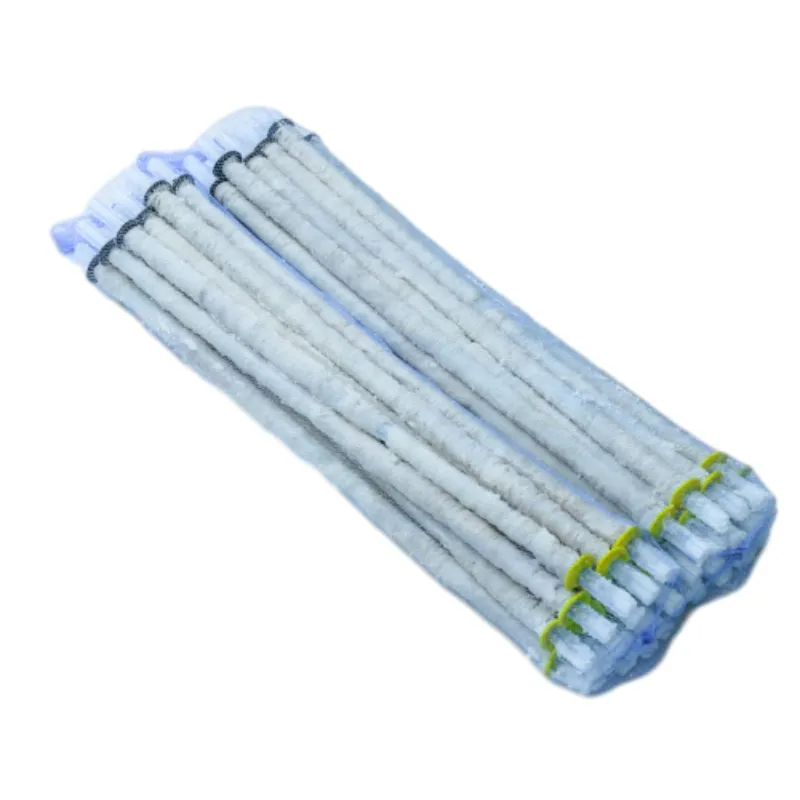
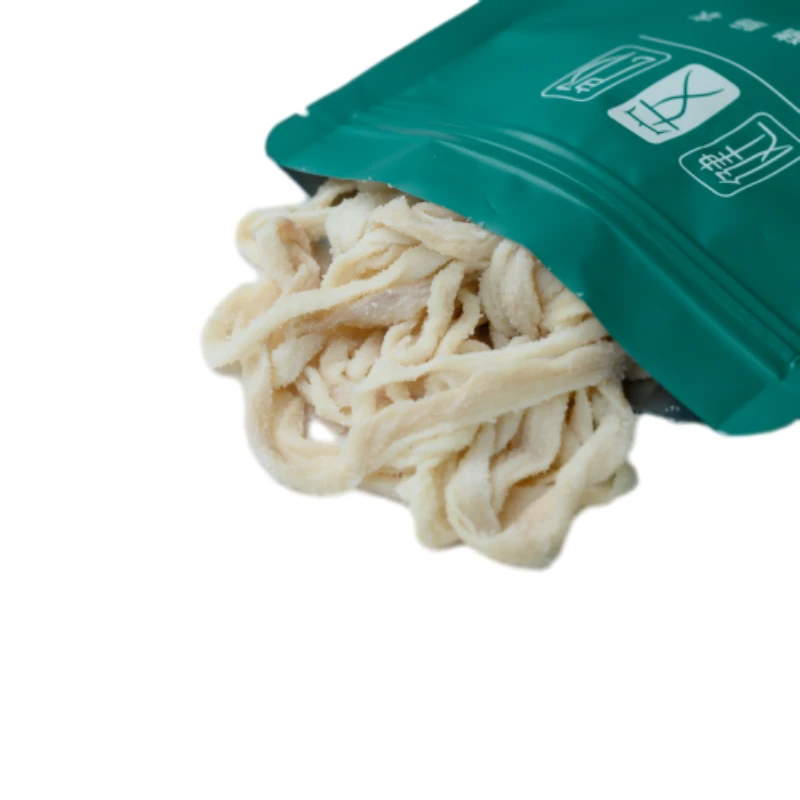
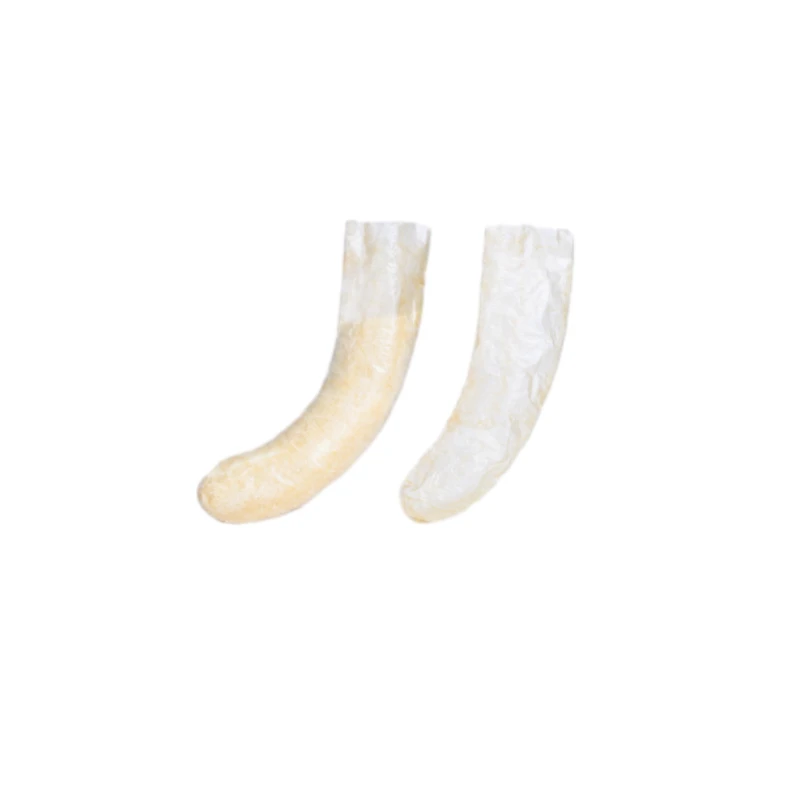
Natural salted sheep casings operate strictly within a 16–28mm size range to match automated stuffing equipment tolerances. Production lines processing fine-diameter meat emulsions rely on these biological tissues for uniform caliber control and consistent moisture permeability during thermal processing.

Dimensional Stability Versus Alternative Materials
Maintaining exact dimensional thresholds prevents over-stuffing blowouts and under-filling irregularities across high-speed industrial filling lines. Natural sheep casings sustain consistent wall behavior when housing fine-diameter meat emulsions, whereas synthetic alternatives introduce rigidity that alters bite characteristics. Machine operators adjust filling pressure thresholds to accommodate natural diameter variations found within commercial grading batches.

Application Suitability Across Specialized Sausage Lines
Evaluating suitability requires matching tissue caliber directly against specific product line requirements without assuming universal compatibility. Importers must verify that incoming batch dimensions align with specific machinery nozzles.
Mechanical Elasticity And Performance Across Processing Lines
Elasticity Behavior Under Extrusion Pressures
Natural biological strands absorb high-pressure nozzle extrusion through dynamic stretching across the designated 16–28mm caliber span, adapting organically to internal emulsion forces without structural failure. Synthetic and collagen alternatives maintain rigid diameter metrics, whereas organic tissues expand or contract depending on localized moisture retention.
Commercial stuffing equipment operates under strict pneumatic thresholds to prevent rupture during high-speed linking operations. Operators continuously adjust pump pressures to match the specific tensile elasticity of incoming organic batches.
Wall-Thickness Variance and Production Performance
Inconsistent wall thickness across biological strands introduces distinct operational challenges during high-speed throughput, requiring continuous tension adjustments by line operators. Automated machinery handling natural casings must accommodate minute caliber shifts to avoid tearing, whereas engineered tubes provide uniform thickness that eliminates line stoppages.

Production facilities monitor scrap rates closely when processing biological materials, as localized weak points demand manual intervention before extrusion begins. Synthetic films maintain predictable burst thresholds, reducing operator dependency compared to salt-cured biological tissues.
Processing Efficiency Yield Calculations And Labor Intensity
Operational yield loss factors depend directly on biological wall-thickness variance across individual strands, which requires continuous manual sorting by floor operators. High-salinity packing weight ratios add preparation complexity because salt removal and pre-soaking steps consume dedicated labor hours before stuffing commences. Synthetic extrusion options offer predictable caliper profiles that reduce sorting time, contrasting with biological strings requiring skilled handling to minimize burst waste.
High-salinity preservation treatments increase raw stock weight metrics during import receipt, shifting freight cost calculations toward heavier water and salt volumes compared to dry engineered films. Processing facilities must account for this extra preparation overhead when comparing delivered biological costs against synthetic alternatives. Automated machinery achieves higher output speeds on uniform synthetic substrates, while natural biological strings demand experienced operators to prevent over-stuffing blowouts.

Labor skill requirements remain elevated for biological tissue processing due to caliber grading and manual strand loading onto stuffing horns. Automated equipment running engineered materials bypasses these manual sorting steps, delivering consistent production outputs with minimal operator intervention. Procurement teams balance these labor intensity differentials against market demand for traditional product textures before finalizing long-term supply contracts.
Preservation Logistics And Salt-Cured Storage Versus Cold Chains
Salt-Cured Preservation Standards And International Transport Mechanics
International freight transport of biological tissue depends heavily on dry-salting techniques to suppress moisture activity and inhibit microbial proliferation during extended ocean transit.
Consignments packed in heavy salt maintain structural integrity across distribution intervals without relying on continuous mechanical refrigeration.
Storage Environment Requirements And Cold-Chain Independence
Cold-chain independence reduces overall logistics overhead for importers handling raw animal-origin stock in regions with variable destination infrastructure.

Warehouse management for salt-cured inventory depends on maintaining moisture seals and preventing direct exposure to extreme heat sources during staging, with specific handling protocols to be confirmed with the supplier.
Regulatory Compliance And Destination Market Standards Status
Sanitary Access Requirements in North American Import Operations
North American import sanitary access requirements for animal-origin casings mandate strict verification before commercial entry occurs. Importers review destination-specific veterinary health certificates and facility registration details directly with export partners. Official documentation associated with USDA standards availability serves as a reference point, but specific clearance criteria remain dependent on state and federal agricultural policies at the port of entry.
Customs clearance schedules depend heavily on pre-shipment document accuracy and proper declaration of origin. Biological materials entering these regions require designated inspection pathways that differ significantly from processed synthetic food packaging.
Traceability Protocols and European Union Import Standards
European Union traceability and import standards availability through official supplier channels provide the structural basis for border inspection validation. Shipments destined for member states must align with community-level hygiene regulations governing animal by-products not intended for human consumption in certain primary forms, though final processing exemptions apply. EU standards availability acts as an initial benchmark for compliance checks, yet actual import clearance relies on up-to-date processing establishment approvals.
Supply chain auditors inspect slaughterhouse documentation and salt-curing facility logs to verify complete backward and forward tracking capability. Any discrepancy in batch-level identification can trigger port-side detention until the exporter provides corrective administrative records.
Pre-Shipment Inspection and Statutory Documentation Protocols
Importers request sanitary documentation during pre-shipment inspection based on destination requirements without assuming pre-set statutory codes. Because regulatory frameworks evolve across international trade zones, compliance cannot be generalized through static compliance declarations. Verification depends on direct coordination between the buyer's quality assurance team and the exporting plant's compliance officer.
| Market Jurisdiction | Sanitary Documentation Baseline | Verification Mechanism |
|---|---|---|
| North America | USDA standards availability | Importer inspection during pre-shipment and port entry |
| European Union | EU standards availability | Supplier channel audit and traceability tracking |
| General Export Destinations | Destination-specific rules | to be confirmed with the supplier |

Comparative Evaluation Of Natural And Engineered Casings
Comparative Framework For Biological And Synthetic Casings
Procurement directors weigh biological tissues against polymer alternatives by evaluating physical limitations against total processing expenses. Importing natural materials depends on regional packing weight ratios and terminal port logistics. Selecting the right casing type requires balancing natural biological variability with automated plant throughput demands.
| Parameter | Natural Salted Sheep Casings | Alternative Engineered Casings |
|---|---|---|
| Size Range | 16–28mm | Varies by product specification |
| Application Suitability | Fine-diameter sausages | Industrial high-speed filling lines |
| Yield Factors | Subject to natural wall-thickness variance and manual sorting | Consistent dimensional stability with minimal scrap |
| Transport Needs | High-salinity preservation requiring humidity control | Ambient storage with lower weight-to-volume ratios |
| Compliance Status | USDA and EU standards availability | Varies by manufacturer and polymer grade |
Artisanal brands prioritize the distinct bite of biological tissues despite preparation overhead. High-volume automated plants often select synthetic films to eliminate caliber sorting labor.
Operational Decision-Making In Commercial Procurement
Import decisions hinge on destination market requirements and annual volume commitments. Facility managers assess labor costs against raw stock pricing before finalizing bulk import orders. Final purchasing choices depend strictly on regional processing capabilities and target product characteristics.
Frequently Asked Questions
Biological strands adapt organically to internal emulsion forces during extrusion. Unlike rigid synthetic alternatives, organic tissue dynamic elasticity absorbs pneumatic pressure variations. Plant engineers calibrate equipment feed rates according to batch grading conditions to maintain structural integrity across high-speed linking operations.
Yield calculations reflect manual labor intensity and natural wall-thickness variance across the strand. High-salinity packing weight ratios also influence overall cost structures during bulk preparation. Production directors balance these biological variables against processing efficiency demands before finalizing import schedules.
International transport utilizes salt-cured preservation standards rather than strict cold-chain infrastructure. High-salinity storage stabilizes the raw stock during transit periods. Logistical planning focuses on ambient or controlled climate parameters determined by the destination port distance and container conditions.
USDA and EU standards availability serves as the primary compliance reference for destination markets. Procurement teams review official documentation directly linked to the batch shipment. Verification depends on the specific import jurisdiction and regional inspection requirements agreed upon during order placement.
Natural biological tissues preserve moisture permeability and traditional bite characteristics that engineered films lack. Synthetic substitutes offer uniform rigidity but alter thermal shrinkage behavior. Selection between these materials depends on plant automation capabilities, finished product texture goals, and total landed cost calculations.
Conclusion
Operational Execution Framework for Fine-Diameter Casings
Official documentation regarding the required sanitary filings governs final import clearances and determines whether shipments meet regional entry thresholds.
Procurement and Verification Protocols
Plant supervisors must initiate small-scale line testing to verify yield calculations against specific plant labor conditions before placing bulk inventory orders. Final purchasing decisions depend on the destination port and agreed volume tiers, balancing labor costs against natural biological variance.