Oct . 16, 2025 20:15
A Practical Guide: how to use dry sausage casing with real-world tips
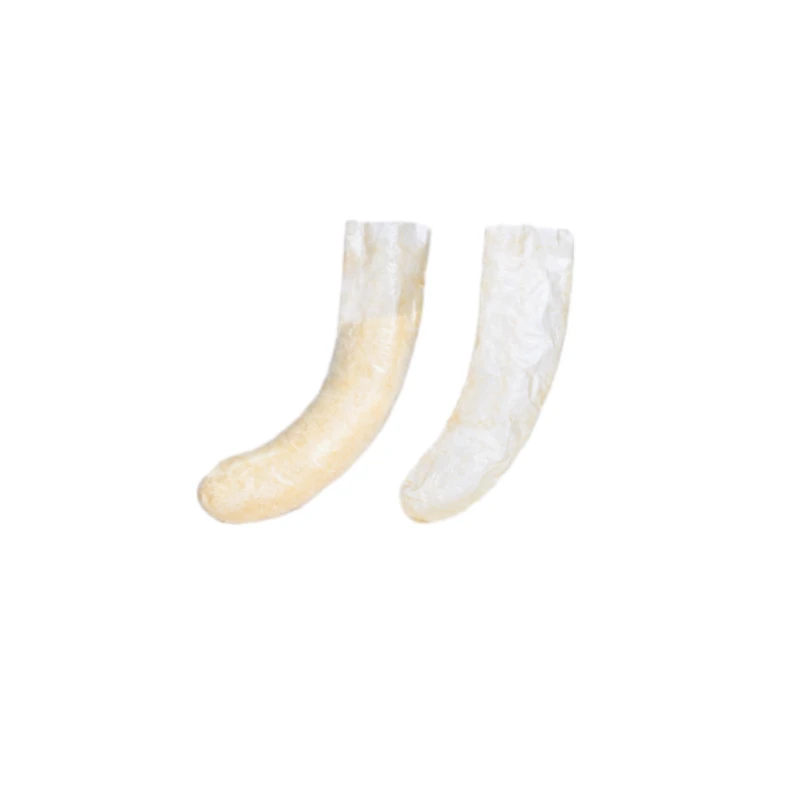
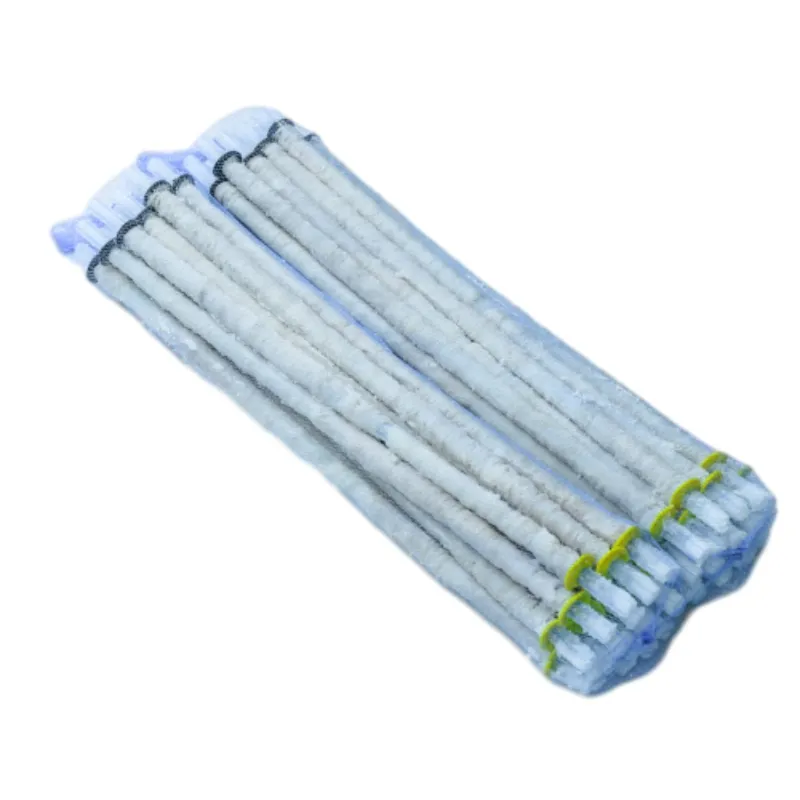
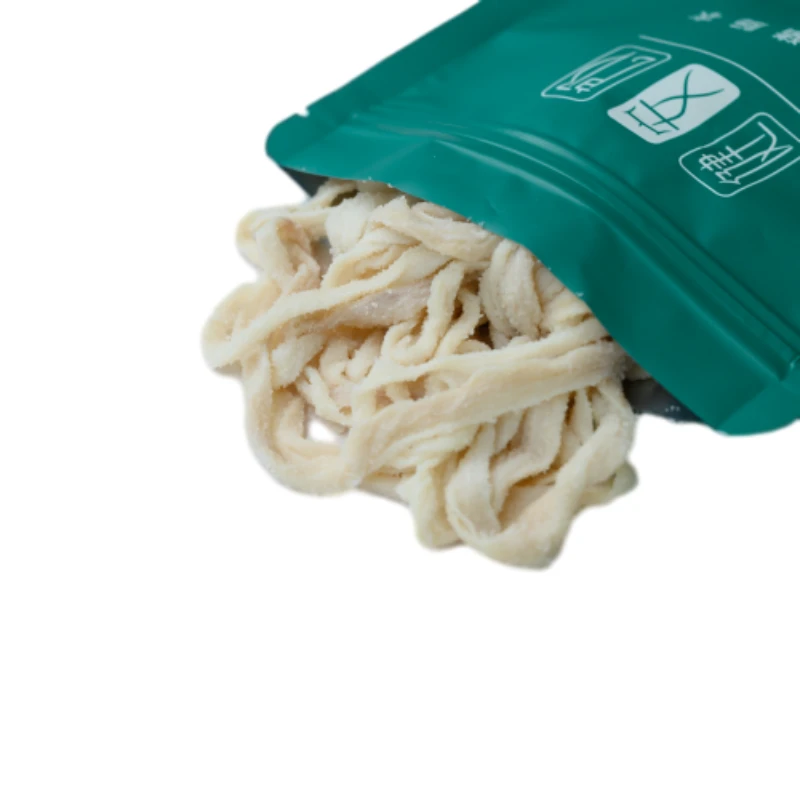
I’ve spent enough early mornings in small-batch plants to know one truth: the best sausage starts with predictable, well-prepped casing. Dried Hog Casing from WEST PING’AN STREET, SHUNPING COUNTY, HEBEI, CHINA, has become a quiet favorite in many shops because it ships light, stores well, and—if you treat it right—behaves beautifully on the stuffer.
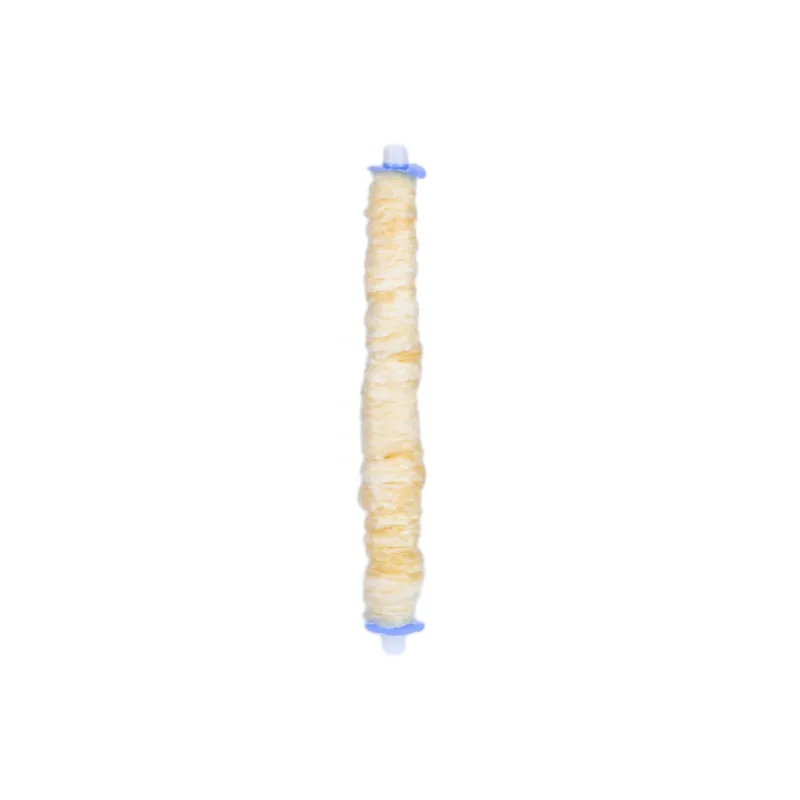
What “dried” really means (and why it matters)
Dried casings are cleaned natural hog intestines that are dehydrated to a safe moisture range for storage. They’re stable, consistent, and cost-effective. Many customers say they switched for the shelf life alone—no panic over brine buckets going funky. In fact, the rehydration is the only “extra” step, and it’s not hard.
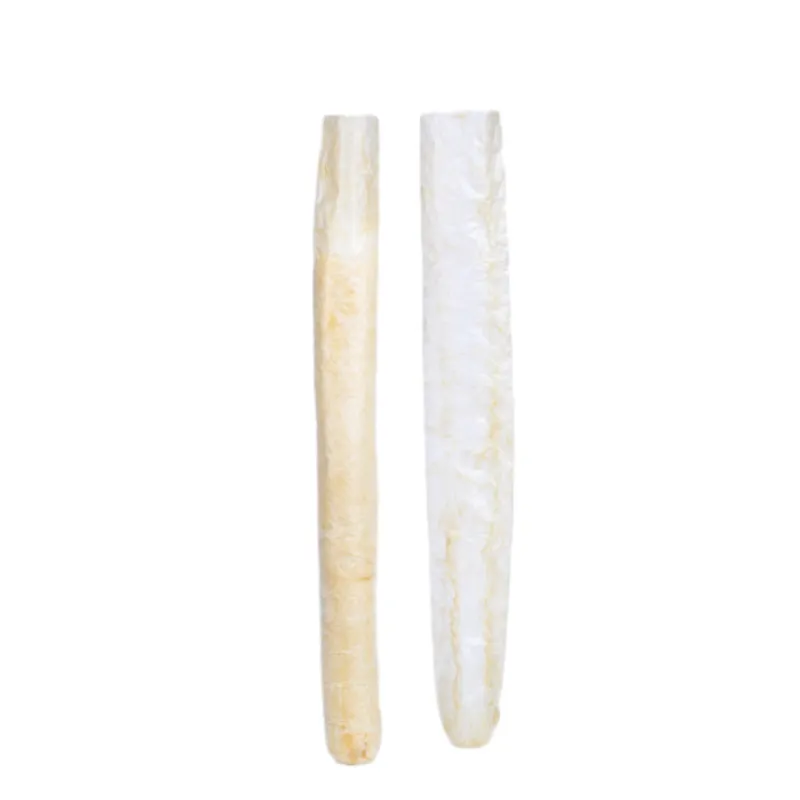
Step-by-step: how to use dry sausage casing without drama
- Inspect: Check strands for uniform caliber and no tears. Light translucence is normal.
- Rinse: Brief cold rinse to remove surface salt (30–60 seconds).
- Soak: 30–45 minutes in 30–35°C (86–95°F) clean water; add ≈5 g/L non-iodized salt. For snappier bite, finish with 2–3 minutes in warm water just before stuffing.
- Flush: Run lukewarm water through each strand until water runs clear. Don’t skip this—it wakes the fibers.
- Stuff: Keep mix 0–4°C; use a horn 1–2 mm smaller than nominal caliber to reduce blowouts.
- Link & rest: Link gently; rest 15–30 minutes to relax casing before smoking or cooking.
- Cook/Smoke/Dry: Follow your HACCP plan. For smoked sausage, steady ramping beats aggressive heat—less fat-out, smoother surface.
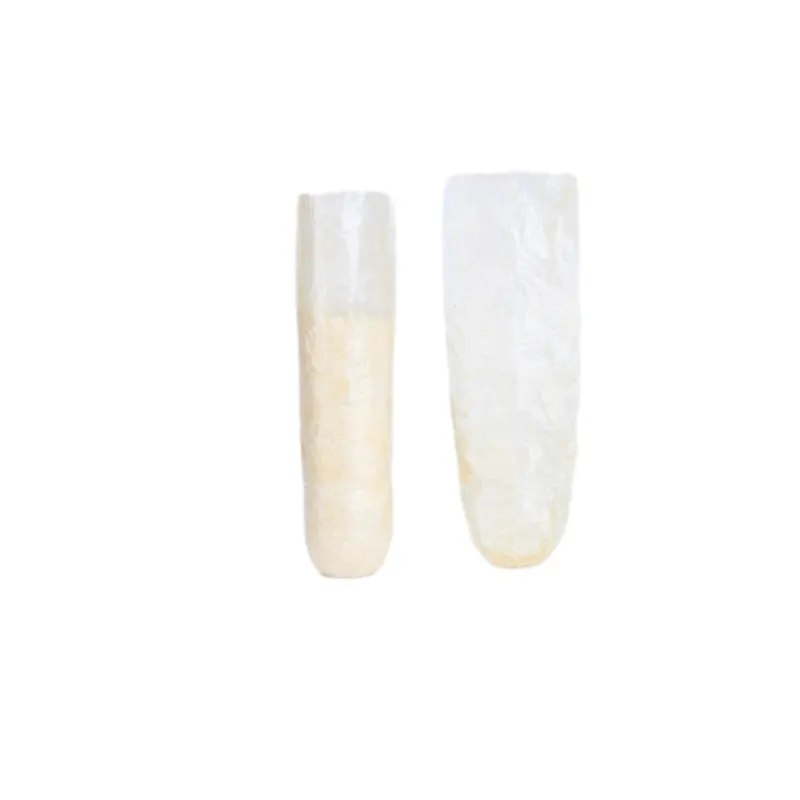
Quick product specs (Dried Hog Casing)
| Parameter | Typical Range | Notes (≈ real-world) |
|---|---|---|
| Caliber | 28–32 mm, 32–35 mm, 35–38 mm | Choose per sausage style |
| Bursting strength | ≥0.7 MPa | After proper soaking/flush |
| Water activity (aw) | ≈0.75–0.85 (dry state) | Storable, rehydrates fast |
| Shelf life | 18–24 months | Cool, dry, sealed |
Application scenarios
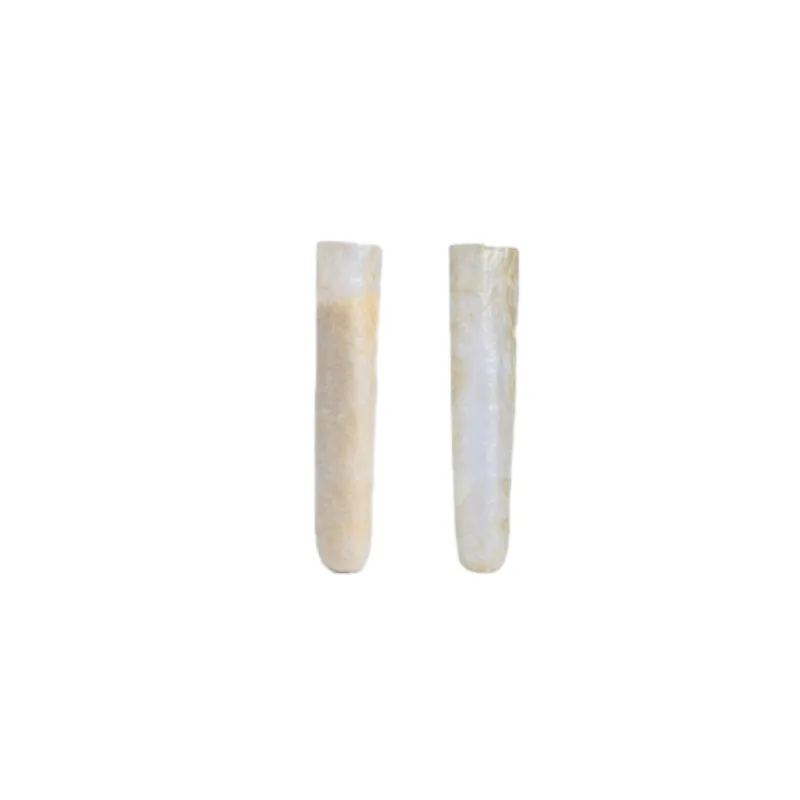
Fresh bratwurst, kielbasa, chorizo rojo, semi-dry snack sticks (larger caliber), even rustic breakfast links. Many mid-size plants report fewer blowouts versus wet-packed equivalents—mostly because they precisely control the soak temp. Surprisingly, home butchers get good results too, if they flush thoroughly.
QC, testing standards, and certifications
- Microbiological: APC, Enterobacteriaceae, Salmonella absent in 25 g (tested to ISO 4833-1/ISO 6579; lab variation exists).
- Physical: caliber tolerance ±1 mm, tensile/burst per internal SOP aligned with EN 764-like methods.
- Food safety systems: HACCP and ISO 22000/FSSC 22000 commonly audited by reputable vendors.
- Compliance: Codex and local regulations for natural casings; labeling with batch/lot traceability.
Vendor snapshot (real-world buyers compare these)
| Vendor | Strengths | Watch-outs |
|---|---|---|
| RTCasing (Hebei, China) | Tight caliber control; competitive pricing; strong export track record | Lead times can extend pre-holiday; confirm batch lots |
| NorthAmerican Naturals | Local warehousing; quick replacements | Premium pricing in busy season |
| EuroCase GmbH | Document-heavy QA; consistent color | Minimum order quantities |
Case note
A Midwest co-packer ran Dried Hog Casing 32–35 mm on smoked Polish. After dialing soak to 34°C and switching to a slightly smaller horn, link burst rate dropped from 4.1% to 1.2% across three lots (n≈12,000 links). Customers mentioned “clean snap” and “more uniform browning.” Not bad.
Troubleshooting quick hits
- Wrinkling after cook? Mix may be too lean or over-dried post-smoke; extend bloom/rest.
- Blowouts? Soak longer, lower stuffer pressure, use proper horn, don’t overfill.
- Tough bite? Reduce final hot-water finish; try shorter initial dry time post-linking.
Bottom line: if you follow the fundamentals of how to use dry sausage casing—measured soak, thorough flush, calm stuffing—you’ll get the predictable, artisan look customers pay for.
References
- USDA FSIS. Processing Inspectors’ Calculations Handbook; and related sausage processing guidance. https://www.fsis.usda.gov/
- ISO 22000:2018 Food safety management systems — Requirements. International Organization for Standardization. https://www.iso.org/
- Codex Alimentarius. General Principles of Food Hygiene (CXC 1-1969) and HACCP Annex. https://www.fao.org/fao-who-codexalimentarius/