Dec . 05, 2025 15:22
Why Fresh Hog Casings Are More Than Just a Butcher’s Tool
At first glance, fresh hog casings might sound like a culinary niche reserved for charcuterie enthusiasts and sausage makers. But peel back that casing, and you’ll find an interesting story about global trade, food sustainability, and even humanitarian logistics. Understanding fresh hog casings isn’t just about good sausage—it’s about how a natural resource helps several industries worldwide, sustaining livelihoods, supporting cultural traditions, and cutting down on waste.
Globally, the demand for natural sausage casings continues to pulse, driven by both traditional food markets and modern manufacturing innovations. This demand prompts questions: How are these casings sourced? What’s their role in feeding billions? And why should we care about their quality and traceability?
The Global Context: Why Fresh Hog Casings Matter
The world’s appetite for sausages shows little sign of slowing down. According to the UN Food and Agriculture Organization (FAO), pork remains the most widely consumed meat globally, with fresh hog casings playing a crucial part in how this meat gets processed and enjoyed. The global natural casings market size was valued around $800 million (2023), expecting modest growth driven by rising consumer preferences for traditional food products and clean-label ingredients.
But it isn’t just about food taste. Fresh hog casings address problems beyond the plate. In many developing regions, they offer an affordable meat packaging option. They reduce plastic usage, a growing environmental concern, and help local farmers add value to their livestock. And in humanitarian crises, such as post-disaster hunger relief, they enable efficient meat processing—something rarely highlighted but highly impactful.
What Exactly Are Fresh Hog Casings?
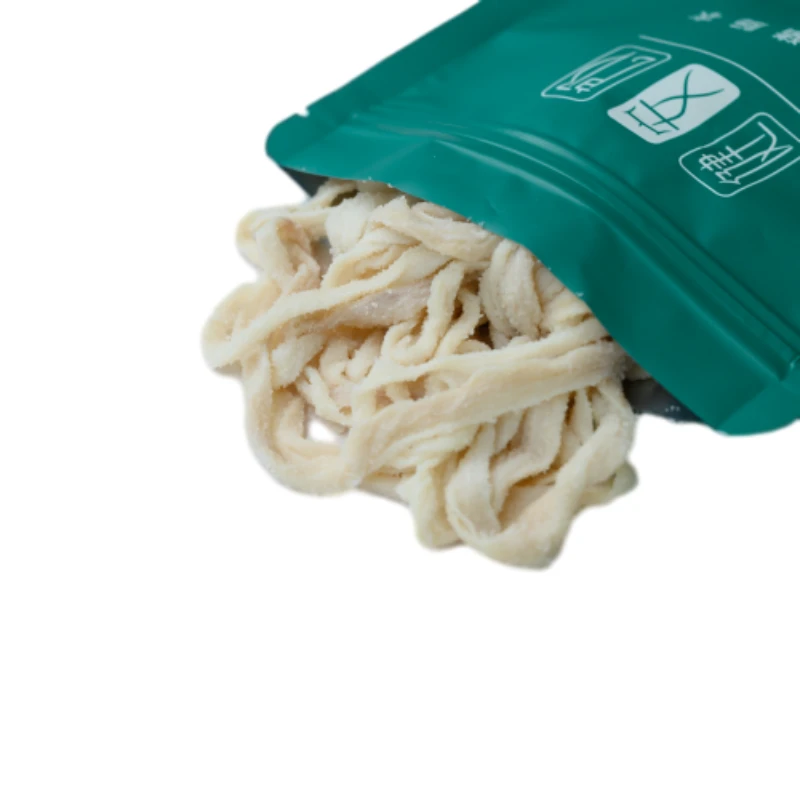
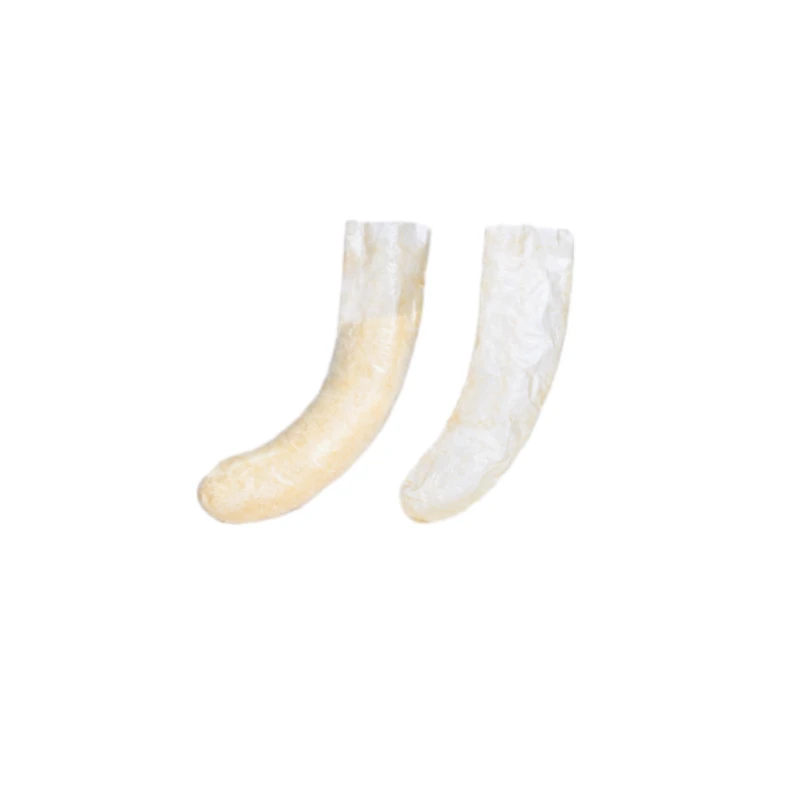
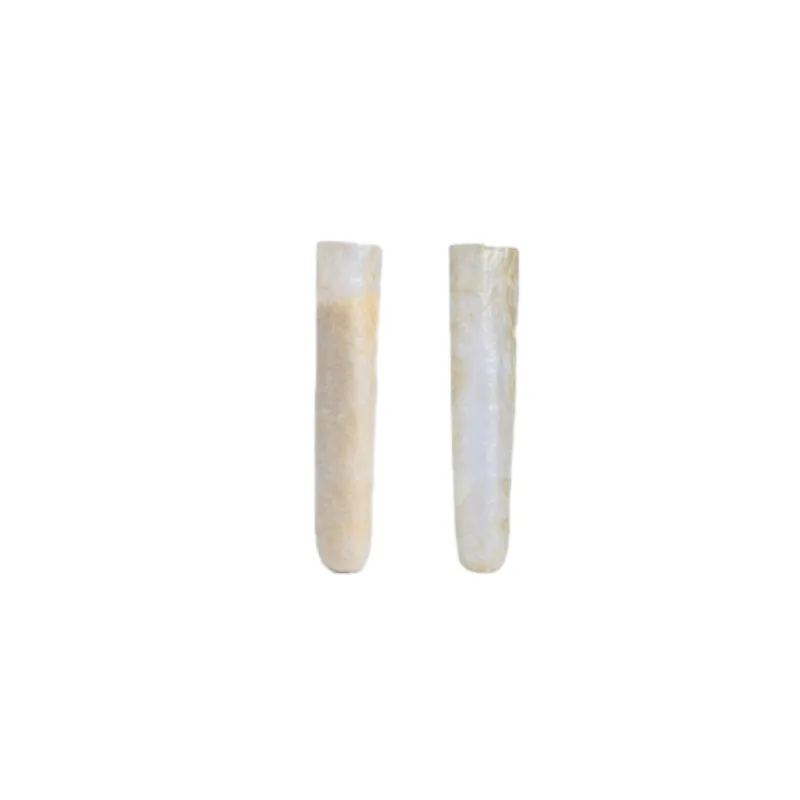
Simply put, fresh hog casings are the cleaned, salted intestines from pigs, used primarily as natural sausage casings. Think of them like nature’s own sausage skins—biodegradable, flexible, and perfect for holding your favorite flavors inside a casing that’s safe and edible.
The process involves careful butchering, cleaning, and preservation to maintain freshness and integrity. Compared to synthetic alternatives, fresh hog casings have a unique texture and permeability that many artisans and consumers prefer. And yes, they’re connected to modern industry because of their sustainable profile and natural origin, making them a staple in traditional and innovative sausage-making operations alike.
Key Aspects That Define Quality Fresh Hog Casings
1. Durability and Elasticity
Good fresh hog casings stretch just right, strong enough to survive stuffing but tender enough to bite. Their natural flexibility often outperforms artificial casings, leading to better sausage texture and cooking results.
2. Consistency and Size
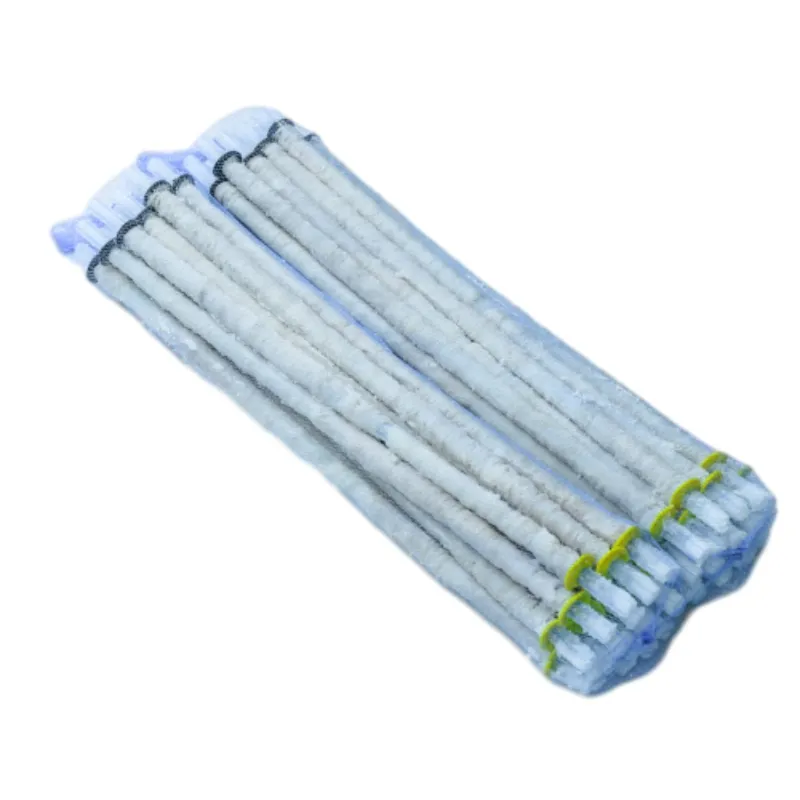
Casings are sorted by diameter for different sausage types—from breakfast links to gourmet varieties. Consistent sizing matters to producers, reducing waste and speeding production.
3. Preservation Method
Fresh hog casings are salted or refrigerated to maintain quality before use. Proper preservation ensures they stay pliable and avoid odors that can ruin flavor.
4. Traceability & Food Safety
In today’s global food supply chains, knowing the origin and processing of casings is critical to avoid contamination risks and assure customers of safe, high-quality products.
5. Sustainability Impact
As a natural by-product of the pork industry, fresh hog casings reduce waste and plastic use. Their biodegradability aligns with growing consumer preference for environmentally friendly food packaging.
6. Cost Efficiency
For many butchers and small-scale producers, natural casings like fresh hog casings offer a cost-effective alternative to synthetic products, balancing price and performance.
How Fresh Hog Casings Find Their Way Into Global Markets
From Northern Europe’s gourmet sausages to Asia’s street food scenes, fresh hog casings have a global footprint. In regions like Spain and Germany, they’re central to revered sausage recipes. Meanwhile, in the US and China, large-scale producers rely on fresh casings for both traditional and industrial-scale products.
Beyond food, there’s a bit of a hidden story. Organizations specializing in disaster relief sometimes use pork-based products including fresh hog casings to package meat products in difficult settings—because they’re lightweight, naturally protective, and biodegradable.
In rural agricultural communities, using whole animals including intestines means less waste and more profitable farming cycles. It’s a local-economy booster that feeds directly into global organic and sustainable food trends.
Product Specification Table: Typical Fresh Hog Casings
| Feature | Specification |
|---|---|
| Material | Natural pork intestine |
| Diameter Range | 16 - 32 mm commonly |
| Preservation | Salted & refrigerated |
| Average Length per bundle | 50 meters |
| Shelf Life | Up to 12 months (salted, refrigerated) |
| Typical Usage | Sausage casing for smoked and fresh sausages |
Comparing Leading Fresh Hog Casing Suppliers
| Supplier | Origin | Product Quality | Pricing | Sustainability Practices |
|---|---|---|---|---|
| RTCasing | China | Premium consistency & hygiene | Competitive | Reduces waste & eco packaging |
| Natural Casings Co. | Germany | High-grade European standards | Premium | Sustainable sourcing program |
| Global Casings Ltd. | USA | Good quality, large volumes | Moderate | Reclaims by-products efficiently |
Advantages of Using Fresh Hog Casings
- Natural Flavor & Texture: They give sausages that classic snap and mouthfeel hard to replicate synthetically.
- Sustainability: By using edible animal by-products, they reduce packaging waste and reliance on plastics.
- Cost-Effective: Especially for small to midsize producers, fresh hog casings offer an affordable balance of quality and price.
- Trust & Food Safety: Traceable supply chains meeting ISO or HACCP standards provide confidence for consumers and producers alike.
- Versatility: Suitable for a wide range of sausage types and cultural recipes.
What’s Next? Emerging Trends Around Fresh Hog Casings
The industry isn’t static. We’re seeing innovations such as automated cleaning lines improving hygiene and consistency. Digital traceability — QR codes tracking each batch’s origin — is becoming a norm, reassuring consumers.
On sustainability, environmental certification bodies are beginning to include natural casings in their eco-label guidelines, rewarding brands that support waste reduction. Plus, synthetic casing tech isn’t standing still, potentially competing with fresh casings in niche markets where vegan or allergen-free options matter.
Nonetheless, fresh hog casings maintain a firm foothold due to their unique qualities—and that’s unlikely to change anytime soon.
Challenges Hustling Around Natural Casings
Of course, fresh hog casings have quirks. Raw materials depend on healthy pig populations, so disease outbreaks or supply chain interruptions hit availability hard. Preservation requires careful temperature control, or they spoil quickly.
Another sticking point is regulatory variability: some countries demand strict hygiene certifications, while others lag behind. Navigating this patchwork can be a headache for international buyers.
Solutions? Many suppliers, including fresh hog casings vendors, offer advanced logistics support and traceability systems to meet global standards. Also, partnering with local producers helps diversify sourcing and stabilize supply.
FAQ: Answers to Common Questions on Fresh Hog Casings
- How long can fresh hog casings be stored before use?
- When properly salted and refrigerated, fresh hog casings can last up to 12 months. It’s important to keep them moist and cold to maintain flexibility and avoid spoilage.
- Are fresh hog casings safe for people with allergies?
- Since they’re animal-derived, people with pork allergies should avoid consumption. For others, properly processed casings are safe and food-grade certified.
- Can synthetic casings replace fresh hog casings completely?
- Synthetics are popular for consistency and longer shelf life but often lack the natural texture and flavor. Many chefs and consumers still prefer fresh hog casings for authentic products.
- Where can I buy bulk fresh hog casings for commercial use?
- Several suppliers specialize in bulk shipments. RTCasing is a leading provider offering competitive pricing and reliable international logistics.
- How do fresh hog casings contribute to sustainability?
- They utilize animal parts that would otherwise be waste, reducing environmental impact compared to plastic casing alternatives. Their biodegradability supports eco-friendly food production.
Wrapping Up: Why Fresh Hog Casings Deserve Your Attention
It’s odd how something as humble as fresh hog casings can connect the dots between tradition, industry innovation, sustainability, and even humanitarian efforts. They punch far above their weight—helping keep cultural legacies alive, supporting local economies, and mitigating environmental issues all at once.
If you’re looking to explore natural sausage casing options, whether for artisanal products or larger scale needs, it’s worth visiting fresh hog casings suppliers like RTCasing. They combine quality, sustainability, and expertise that makes sourcing hassle-free.
So next time you savor your favorite bratwurst or chorizo, you might think a little about that natural casing wrapped around it—the small but mighty ingredient quietly supporting a big global ecosystem.