Dec . 05, 2025 15:22
Understanding Natural Hog Casings Wholesale: A Growing Global Industry
If you've ever savored a good sausage, you probably didn't stop to think about the casing that holds it all together. Natural hog casings, a fascinating and vital product sourced from the intestines of pigs, have quietly shaped food manufacturing for centuries. But beyond the kitchen, their wholesale market navigates a global dance of supply, quality, and logistics that’s increasingly important to industry professionals worldwide. It’s not just about sausages; natural hog casings wholesale matters because it ties into sustainable food production, international trade, and even cultural heritage.
In today's interconnected world, understanding this niche market brings benefits like better sourcing decisions, cost efficiencies, and even an appreciation of how ancient food technologies remain relevant. Plus, the way casings are produced and traded touches on global standards and evolving consumer preferences — which, frankly, is more interesting than it sounds.
Mini takeaway: Natural hog casings wholesale blends tradition, global trade, and food innovation — a rarely noticed but crucial pillar of the meat processing industry.
The Global Context: Why Natural Hog Casings Wholesale Is More Than Just a Niche Product
Global demand for processed meats continues to climb each year, driven by population growth and shifting eating habits, especially in Asia and Europe. According to the FAO's meat production stats, pork remains one of the most consumed meats globally. That means natural hog casings — favored for taste, texture, and sustainable sourcing — are also in demand.
Wholesale supply chains for these casings have had their share of hurdles. The product itself is perishable and requires careful handling, and there's an ongoing challenge of meeting food safety regulations across countries. Furthermore, the emergence of synthetic alternatives creates competitive pressures that manufacturers and wholesalers must carefully navigate.
For example, Europe leads in the production and export of these casings, while demand surges in parts of Asia and Africa, where traditional sausage-making methods prevail. This dynamic creates a complex logistical puzzle for wholesalers aiming to balance supply with quality and pricing.
Mini takeaway: Global food trends, trade policies, and sustainability goals shape the natural hog casing wholesale market in powerful ways.
What Exactly Are Natural Hog Casings Wholesale?
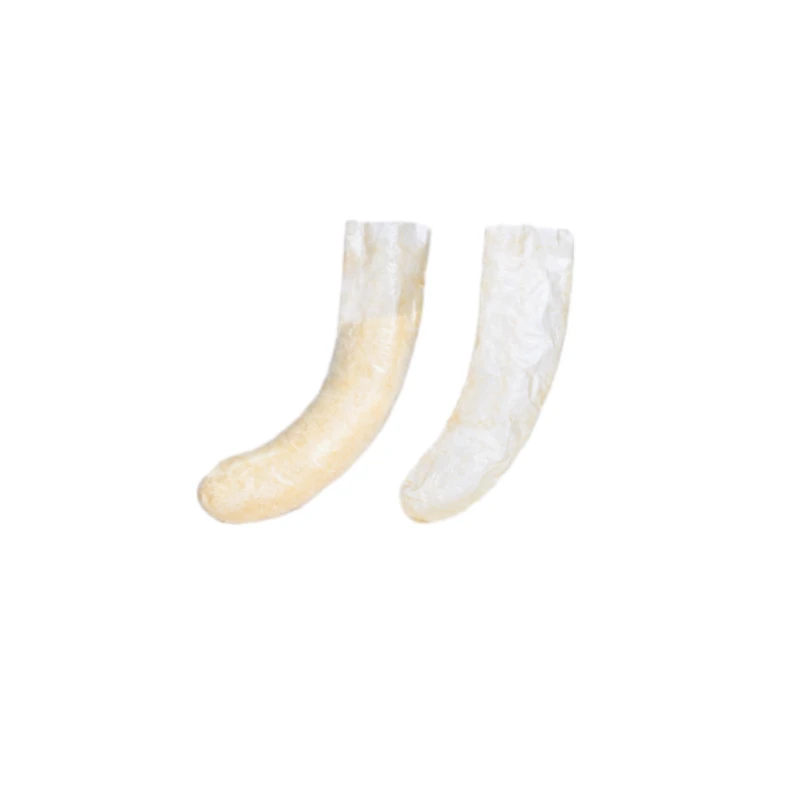
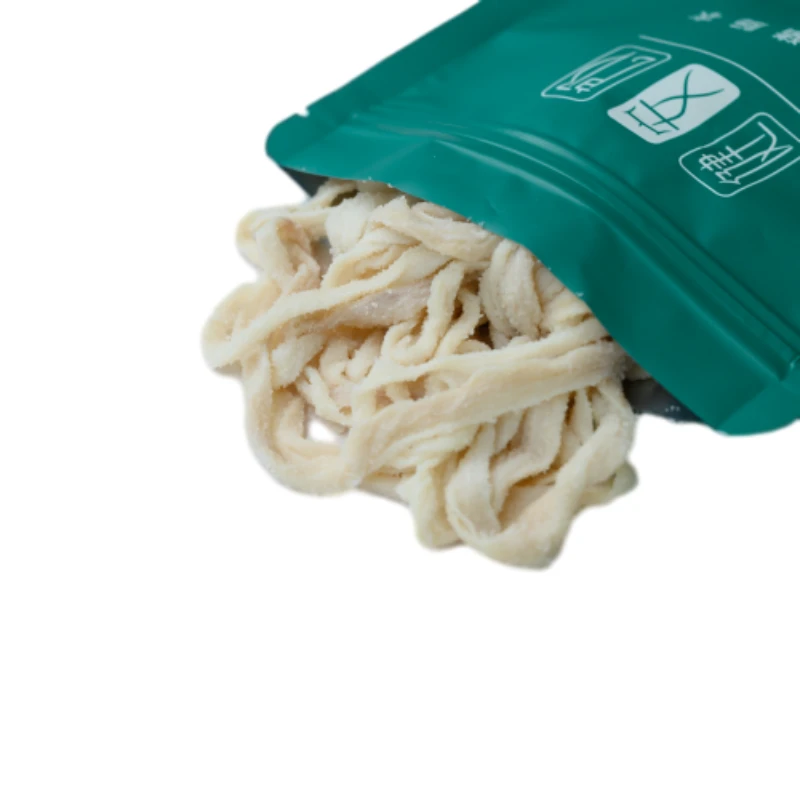
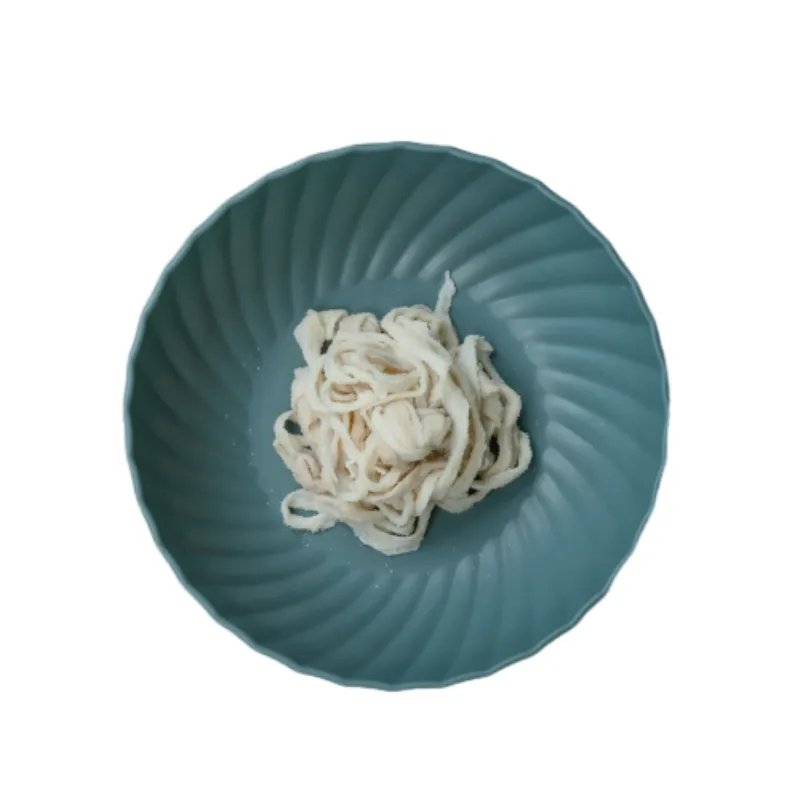
Simply put, "natural hog casings wholesale" refers to the bulk sale and distribution of cleaned, processed hog intestines used primarily as sausage casings. Unlike synthetic casings made from collagen or cellulose, natural casings come from actual animal intestines, which offer unique culinary qualities like elasticity and flavor enhancement.
Wholesale buyers typically purchase large quantities for food manufacturing, artisanal butcheries, or even humanitarian food programs that rely on traditional food preservation techniques.
The connection to modern industry is stronger than one might assume — aside from food, some natural casings find niche uses in biomedical research or in crafting traditional cultural specialties that maintain culinary heritage worldwide. The wholesaling process itself is increasingly professionalized, with certifications, hygiene standards, and compliance frameworks dictating operations.
Mini takeaway: Natural hog casings wholesale boils down to supplying a natural product that bridges tradition and modern food production on a large scale.
Core Components of Natural Hog Casings Wholesale
1. Quality & Purity
Casings must be thoroughly cleaned and preserved, meeting strict quality and food safety standards to avoid spoilage or contamination. Many producers adopt ISO 22000 or HACCP protocols to ensure consistent purity.
2. Durability & Elasticity
Natural hog casings are prized for their strength, which lets them withstand stuffing and cooking processes while maintaining bite and texture — an advantage over many man-made alternatives.
3. Scalability of Supply
Wholesalers juggle seasonal supply fluctuations tied to pork production cycles and regional slaughter patterns. Flexible inventory and cold-chain logistics are vital for meeting large and fluctuating orders.
4. Cost Efficiency
Pricing isn’t just about the raw material but includes processing, shipping, and customs costs. Market transparency is improving but still fragmented, influencing how competitively casings can be sourced.
5. Sustainability & Traceability
Increasingly, buyers expect clear sourcing history and environmental practices reflecting humane animal treatment and reduced waste — all elements shaping future purchasing decisions.
Mini takeaway: Natural hog casings wholesale hinges on balancing quality, supply logistics, cost, and sustainable sourcing policies.
Real-World Uses: How Natural Hog Casings Reach the World
In Europe, natural hog casings remain the industry standard for many traditional sausages like bratwurst or chorizo, where taste and texture are paramount. Meanwhile, in parts of China and Southeast Asia, natural casings support a booming market for artisanal sausages and street food.
Beyond food, emergency relief organizations sometimes deploy these casings in cultural food interventions, preserving local culinary traditions in post-disaster zones where fresh meat processing isn’t always feasible. Similarly, remote regions in South America rely on natural casings for small-scale meat producers to ensure sustainable livelihoods.
One small but telling example: A Midwest U.S. meat processor shared how switching to imported natural hog casings wholesale drastically improved their product consistency and customer satisfaction — thanks to the superior elasticity and uniformity, even if the shipment took weeks to arrive.
Mini takeaway: Natural hog casings wholesale isn’t just a supply chain term—it’s a lifeline for food culture, industry, and resilience worldwide.
Product Specifications: What To Expect From Natural Hog Casings
| Specification | Typical Range | Notes |
|---|---|---|
| Diameter | 16–22 mm | Sized for most sausage types |
| Length per Bundle | 50–65 meters | Varies by processing method |
| Salt Content | ~18% | Preservation by salting method |
| Shelf Life (Refrigerated) | Up to 3 years | If stored properly |
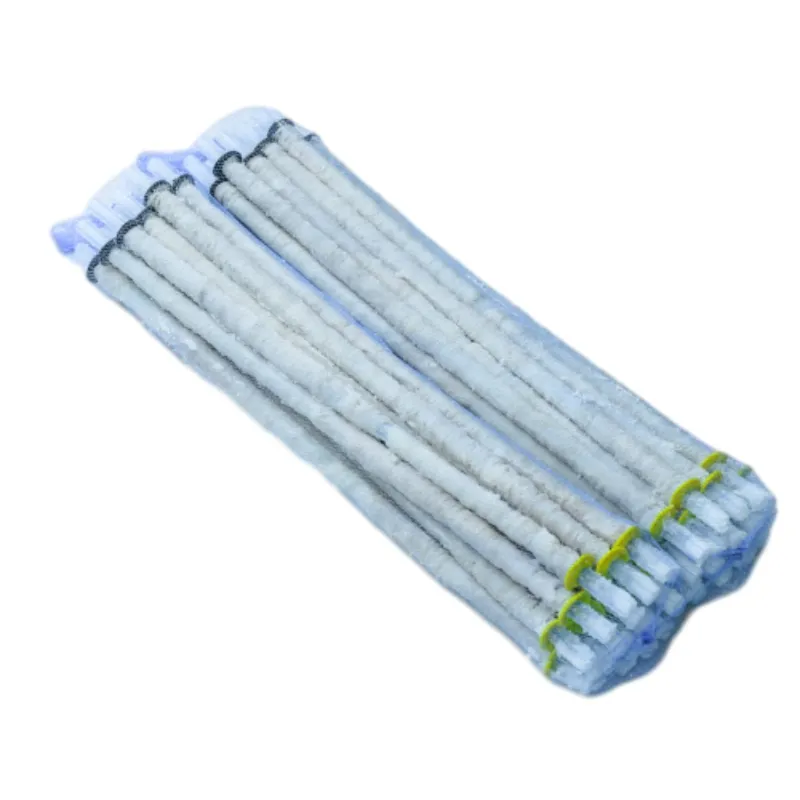
| Packaging | Bundles in plastic bags plus cartons | Protects against humidity and contamination |
Vendor Comparison: Wholesale Suppliers Overview
| Supplier | Region | Compliance Certifications | Average MOQ | Price Range (USD/kg) |
|---|---|---|---|---|
| EuroCasings Ltd. | Germany | ISO 22000, HACCP | 100 kg | $4.50–$5.00 |
| Asia Natural Casings | China | FDA, HACCP | 150 kg | $3.80–$4.20 |
| Midwest Sausage Supply | USA | USDA, SQF | 75 kg | $5.20–$5.70 |
The Advantages and Long-Term Value of Natural Hog Casings
It might sound a bit romantic to champion a sausage casing, but many food engineers and processors insist that natural casings simply produce the best overall product. The benefits include:
- Sensory superiority: The natural texture and ‘snap’ when you bite into a sausage, impossible to mimic with synthetic casings.
- Sustainability: They are biodegradable and sourced from byproducts of pork processing, which reduces waste.
- Social impact: Supporting traditional agriculture and butchery communities worldwide.
- Trust & safety: When properly processed, they offer a natural, preservative-free option that consumers trust.
- Cost advantages: Although sometimes pricier upfront, the enhanced product quality often leads to higher consumer satisfaction and premium pricing.
On an emotional level, a natural casing is more than material — it’s a connection to time-honored recipes, craftmanship, and trust in food quality that many manufacturers strive to uphold.
Mini takeaway: Natural hog casings wholesale delivers a blend of sensory delight, environmental responsibility, and market trust that synthetic alternatives still struggle to beat.
Looking Ahead: Trends and Innovations in Natural Hog Casings Wholesale
Future prospects in this industry shape around sustainable sourcing certifications, improved processing technologies, and digital traceability systems that allow buyers to track the casing’s journey from farm to factory. Automation in casing inspection is emerging, reducing human error and improving standardized quality.
There’s also a growing interest in “green” processing methods that reduce water and chemical usage during cleaning. Some suppliers now harness blockchain tech to document ethical sourcing — a trend driven by end consumers demanding transparency.
As plant-based and alternative protein products continue gaining attention, natural casings still hold strong for authentic meat products, but they’ll likely innovate side-by-side with those trends in hybrid offerings or niche luxury items.
Mini takeaway: Digital traceability, sustainability certifications, and greener processing will define the evolution of natural hog casings wholesale.
Common Challenges and Emerging Solutions
Challenges in sourcing and wholesaling these natural products include supply inconsistency, perishability, and regulatory complexities across export markets. The pandemic also revealed just how fragile cold-chain logistics may be, prompting companies to diversify their supplier base.
Innovative solutions include investing in better freezing technologies, flexible contracts with suppliers, and expanded product testing regimes to ensure longer shelf life without compromising quality. Industry groups share knowledge via forums and certifications to further raise standards.
For new importers, it’s often wise to partner with trusted vendors who align well on compliance and can support with documentation and customs clearance — avoiding headaches and delays.
Mini takeaway: Though supply and compliance challenges remain, proactive quality control and diversified partnerships help wholesalers stay dependable globally.
Frequently Asked Questions About Natural Hog Casings Wholesale
- Q1: How do natural hog casings compare cost-wise to synthetic alternatives when buying wholesale?
- Natural casings usually cost more upfront because they require careful processing and have shorter shelf lives. However, many manufacturers find the superior quality and consumer preference justify the price difference.
- Q2: What certifications should I look for when purchasing natural hog casings wholesale?
- Look for ISO 22000, HACCP, USDA, or FDA certifications depending on your market. These help assure food safety and compliance with international regulations.
- Q3: Can natural hog casings be shipped internationally without refrigeration?
- Typically no. Natural casings need to be salted and kept in temperature-controlled environments to prevent spoilage, especially during long shipments.
- Q4: Are there sustainable or ethical considerations in sourcing natural hog casings wholesale?
- Yes, ethical sourcing includes humane treatment of animals, traceability, and reducing environmental impact in processing. Increasingly, buyers ask for proof of such practices.
In Conclusion: The Enduring Value of Natural Hog Casings Wholesale
Natural hog casings wholesale may seem like a small piece in the massive food supply puzzle, but it’s one where quality, tradition, and innovation intersect beautifully. As global demand for authentic, sustainable meat products rises, understanding the nuances of sourcing these casings in bulk becomes a strategic advantage for processors and retailers alike.
If you're ready to explore the best natural hog casings wholesale options or want detailed supplier guidance, visit our dedicated resource at natural hog casings wholesale. Your next batch of exceptional sausages may just hinge on the casing choice — and that choice starts here.
References:
1. FAO Meat Production Data
2. Wikipedia – Sausage casing
3. ISO 22000 Food Safety