Dec . 02, 2025 17:58
What Is China Salted Hog Casing and Why It Matters Globally
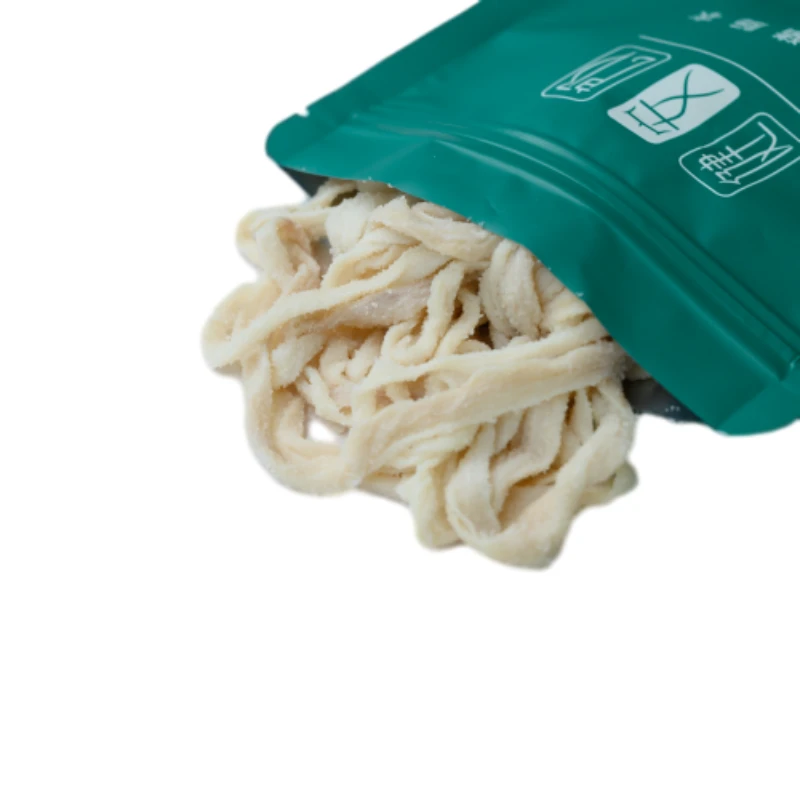
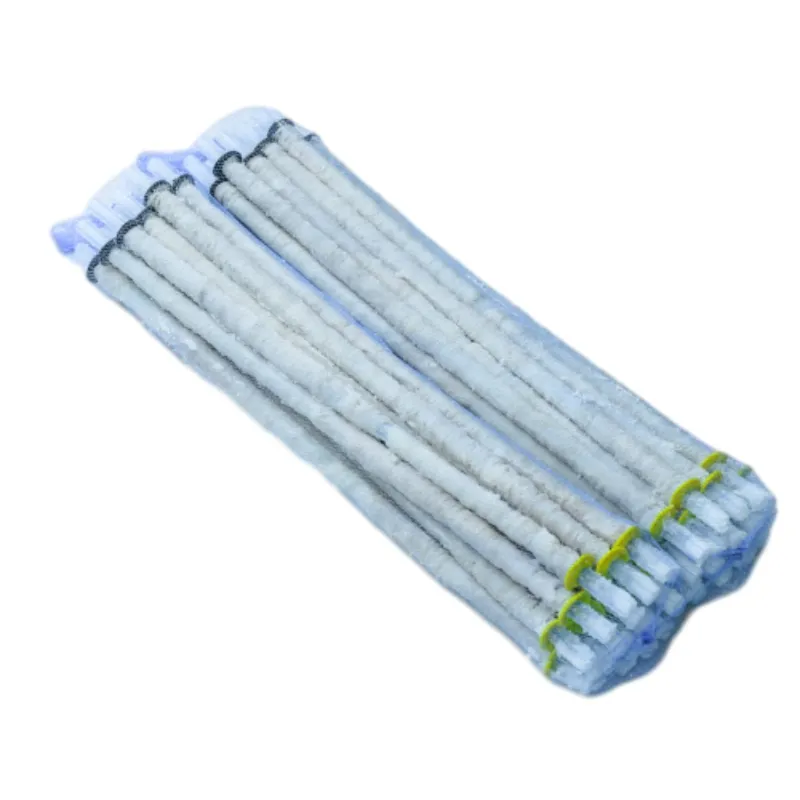
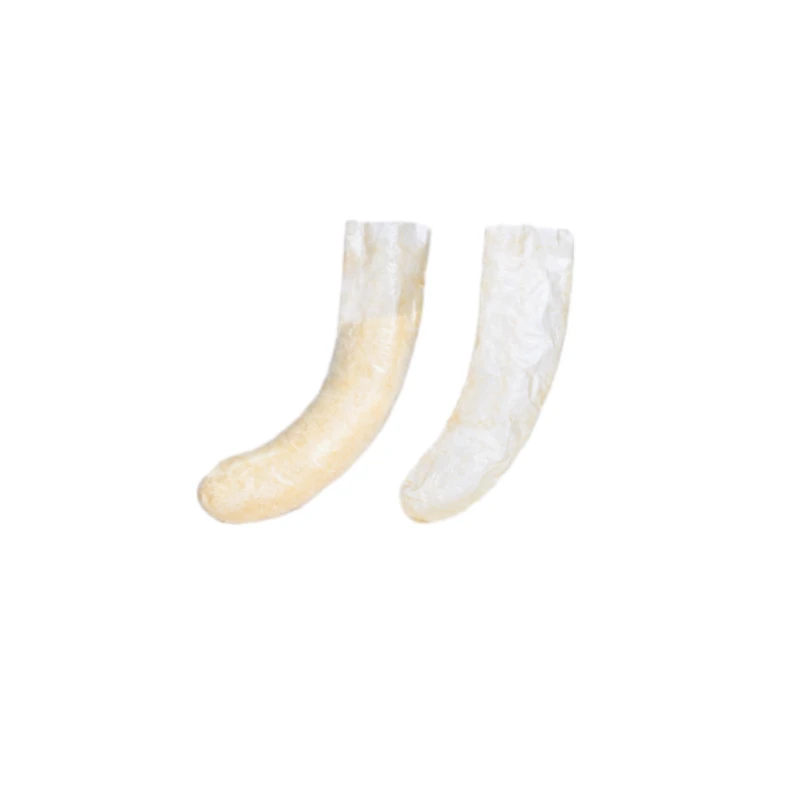
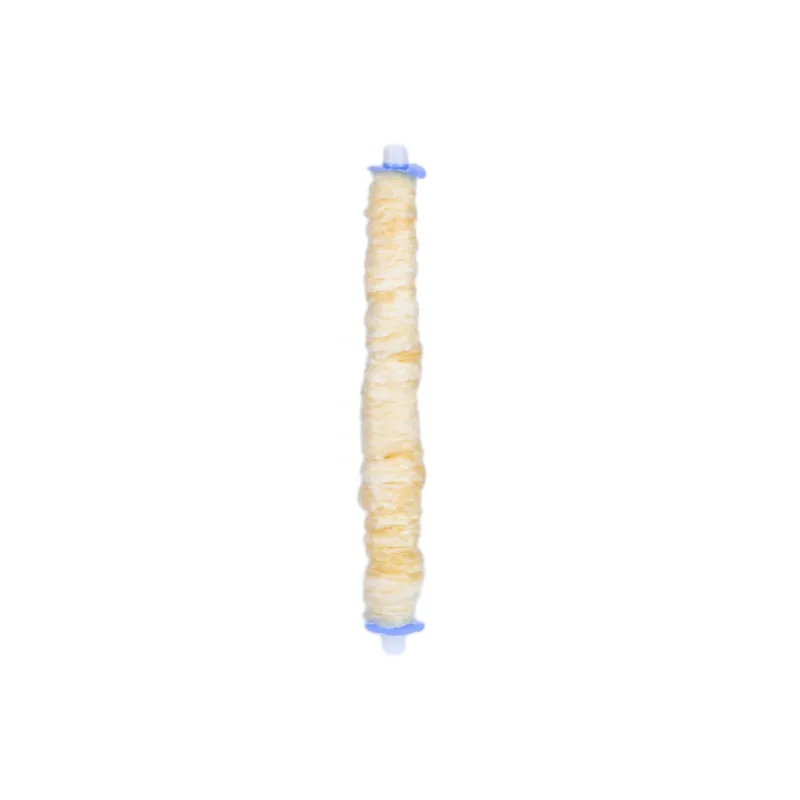
If you’re wondering what on earth “china salted hog casing” actually means, you’re not alone. The term might sound niche, even a bit mysterious, but this product plays a surprisingly important role worldwide — especially in the food industry and global trade. At its simplest, china salted hog casing refers to the preserved intestines of pigs processed and salted in China for use primarily as sausage casings. These natural casings are prized for their texture and elasticity, offering a far superior bite to synthetic alternatives in many culinary traditions.
Why does this matter? Sausage casings are vital components in food manufacturing worldwide, from traditional craftspeople to giant food processing companies. China dominates as a supplier due to its scale and expertise, shaping the global market and prices. Understanding china salted hog casings isn’t just for butchers or food scientists — it’s about grasping a key link in a cross-continental supply chain that affects food quality, safety, and sustainability. If you’re sourcing casings, or just curious about what goes into your sausage, the details here are worth knowing.
Global Context: The Importance of China Salted Hog Casing in Industry
Globally, demand for natural sausage casings remains robust. According to data from the Food and Agriculture Organization of the United Nations (FAO), pork production and consumption continue to rise steadily in Asia and Europe, regions where natural casings like hog intestines are preferred. China, being the world’s largest pork producer, naturally leads in hog casing exportation, accounting for a majority share of international supply.
But there’s a challenge here: the integrity and safety of casings depend heavily on processing and preservation. Improperly handled salted hog casings can spoil, which risks food safety and disrupts supply chains globally. Furthermore, sustainability concerns and tightening food regulations push the industry towards stricter standards. So, china salted hog casing isn’t just a commodity; it’s a product entwined with food security, global health, and export trade flows.
Mini takeaway: China’s role in salted hog casing supply influences global meat processing industries and touches issues as broad as food safety and trade stability.
Defining China Salted Hog Casing
Put simply, "china salted hog casing" is natural sausage casing derived from pig intestines, cleaned and heavily salted to preserve them. The salting process dehydrates the casing and inhibits bacterial growth, allowing it to be stored long-term and shipped internationally. These casings are a natural, biodegradable alternative to synthetic or collagen casings, making them highly valued in many traditional and artisanal sausage recipes.
In modern food manufacturing, the use of natural hog casings reflects a blend of culinary heritage and practical functionality. Their elasticity and strength allow them to hold various sausage fillings tightly, influencing texture, cooking behavior, and flavor absorption.
Core Components and Key Features of China Salted Hog Casings
1. Durability and Elasticity
The most prized feature is their natural strength. Hog casings stretched over sausage fillings remain intact during cooking and handling, giving sausages a trademark snap that many consumers prefer.
2. Preservation Quality
The heavy salting process is a traditional yet highly effective method to extend shelf life. Properly salted casings can last months without refrigeration before rehydration and use.
3. Consistency and Size Range
China salted hog casings come sorted by diameter and length, which allows manufacturers to select casings optimized for different sausage types—from thin breakfast links to larger salami.
4. Safety and Compliance
Processors in China increasingly comply with international standards like ISO and HACCP, ensuring that their salted casings meet food safety requirements crucial to export markets.
5. Environmental Sustainability
Being a natural byproduct, hog casings contribute to zero waste in the pig processing cycle, offering a sustainable casing option versus synthetic ones that are petroleum-based.
| Specification | Details |
|---|---|
| Material | Natural pig intestine |
| Processing | Salting and drying |
| Diameter Range | 16mm to 32mm (typical) |
| Shelf Life | Up to 12 months (in salted form, properly stored) |
| Certifications | ISO 22000, HACCP, EU Food Grade (varies by vendor) |
Mini takeaway: The combination of natural material quality, traditional salting, and modern standards make china salted hog casing a reliable choice worldwide.
Where China Salted Hog Casings Find Their Use Globally
China’s salted hog casings supply sausage makers throughout Asia, Europe, and increasingly North America. Industries range from small artisanal butchers to large-scale meat processing plants. You’ll find them in:
- European traditional sausages, such as German bratwurst or Italian salami
- Asian-style fresh sausages and dim sum production
- Industrial sausage production lines valuing consistency and quality
- Specialty food exports for ethnic markets worldwide
Beyond commercial production, these casings have found use even in humanitarian relief settings, where portable, nutritious food supplies are needed that can remain fresh longer. Oddly enough, the humble salted casing plays a small yet vital role in supporting dignity through food quality, even in crisis zones.
Mini takeaway: Their versatility and trusted preservation mean china salted hog casings support a wide array of food cultures and industries globally.
Advantages and Long-Term Value of China Salted Hog Casings
What stands out when you look at china salted hog casings isn't just their natural appeal but the many practical benefits:
- Cost Efficiency: Compared to synthetic casings, they’re often more affordable, especially when bought in bulk from China’s large-scale producers.
- Sustainability: Made from animal byproducts, they reduce waste and offer a biodegradable alternative.
- Superior Culinary Quality: Natural texture and elasticity improve the eating experience, which keeps consumers coming back.
- Food Safety: When processed under modern standards, they meet strict hygiene controls given rising global demands.
On a human level, many producers say there's an emotional component, too: using real casings connects consumers with traditional food craftsmanship, which builds trust and brand loyalty.
Looking Ahead: Future Trends in the Salted Hog Casing Market
New developments are shaping this industry in subtle but meaningful ways. Digitization, for one, is helping suppliers monitor casing quality and traceability more closely, which is crucial for global importers.
Environmentally, there’s growing research into reduced-salt preservation techniques and faster curing methods to minimize resource use.
Automation in casing grading and packaging is improving consistency and lowering labor costs — important when margins can be tight.
And finally, as plant-based “meat” alternatives grow, natural casing producers increasingly reposition the market toward premium, artisanal products that synthetic casings or plants just can’t replicate.
Common Challenges and How The Industry Is Responding
Like any sector, china salted hog casings face hurdles. Inconsistency in quality due to variable raw material sources is one. Temperature and humidity during shipment can cause spoilage if not managed well. Further, concerns over animal disease outbreaks occasionally disrupt supply chains.
To mitigate these, producers are investing in better cold-chain logistics, advanced sanitation, and traceability technologies. Collaborative quality standards across exporting countries also aim to reassure increasingly conscious buyers.
Vendor Comparison: Top China Salted Hog Casing Suppliers
| Vendor | Certifications | Diameter Range (mm) | MOQ (kg) | Export Regions |
|---|---|---|---|---|
| Hengsheng Casings Co. | ISO 22000, HACCP | 16-28 | 500 | Asia, Europe |
| Jinli Food Supplies | HACCP, EU Food Grade | 18-32 | 1000 | Europe, North America |
| Dazhong Trading | ISO 22000, FDA Registered | 20-30 | 300 | Global |
FAQ: Common Questions on China Salted Hog Casing
Q: How is china salted hog casing different from synthetic casings?
A: Natural hog casings come from pig intestines and offer superior texture, elasticity, and breathability. Synthetic alternatives often lack the traditional bite and can’t replicate the same culinary qualities.
Q: What are the storage requirements for salted hog casings?
A: Salted hog casings should be kept cool, dry, and well-packaged to avoid moisture. When stored properly, they can last up to a year before rehydration and use.
Q: Can natural casings be imported globally without issues?
A: Yes, but importers must ensure the product meets local food safety and animal health regulations. Vendors often provide certifications to ease customs clearance.
Q: Are there newer preservation methods replacing salting?
A: Some processors experiment with refrigeration, freezing, or low-salt curing, but traditional heavy salting remains the dominant, cost-effective approach worldwide.
Q: How do I select the right diameter casing for my sausage product?
A: Diameter depends on the sausage type and target market preferences. For example, breakfast links prefer smaller diameters (~18mm), while salamis use larger casings (~28-32mm).
Wrapping It Up: Why China Salted Hog Casings Are Still the Go-To Choice
At the end of the day, china salted hog casing represents an intersection of tradition, industry scale, and food quality that’s hard to beat. Its global importance transcends simple supply to touch environmental sustainability and culinary heritage.
If you’re involved in meat processing, food manufacturing, or simply curious about ingredient sourcing, getting to know this product is a small step you’ll appreciate. For direct sourcing and deeper insights, don’t hesitate to visit china salted hog casing — a trusted gateway into this essential product.
References:
1. Food and Agriculture Organization of the United Nations (FAO) - www.fao.org
2. International Organization for Standardization (ISO) - www.iso.org
3. United Nations Commodity Trade Statistics Database (UN Comtrade) - comtrade.un.org