Jan . 04, 2026 01:50
How to Use sheep casings in Sausage Making
Having spent quite a few years drifting between industrial equipment suppliers and meat processing facilities, I’ve noticed something about sheep casings: they’re not just humble sausage skins, but rather, an art form in themselves. Seriously, if you haven’t worked with them before, it’s easy to overlook their subtle qualities and quirks. Oddly enough, using sheep casings effectively feels like mastering a delicate dance — they respond to how you prepare and handle them, and that shows in the final product.
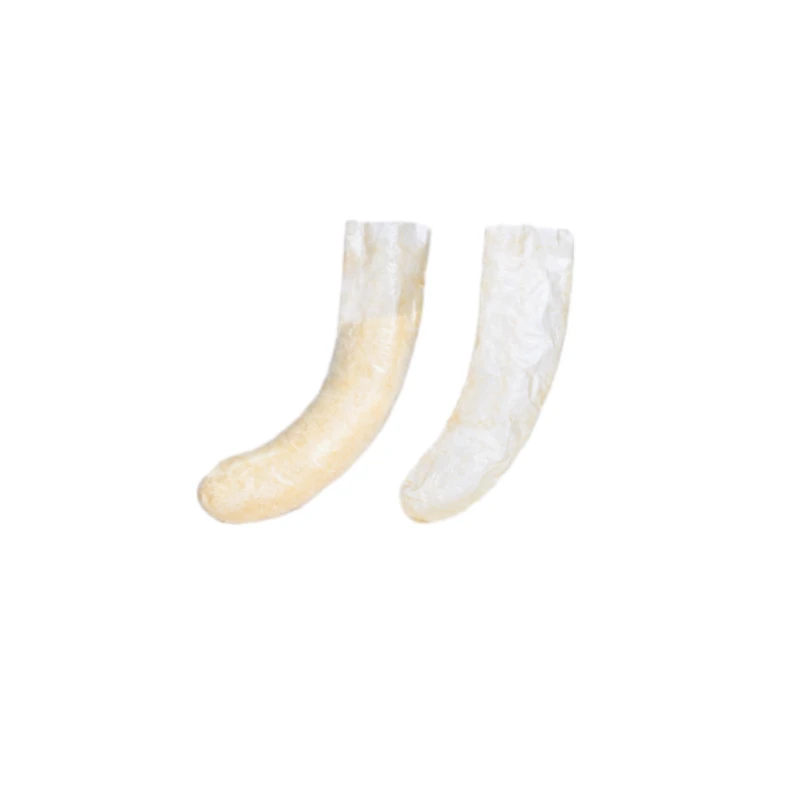
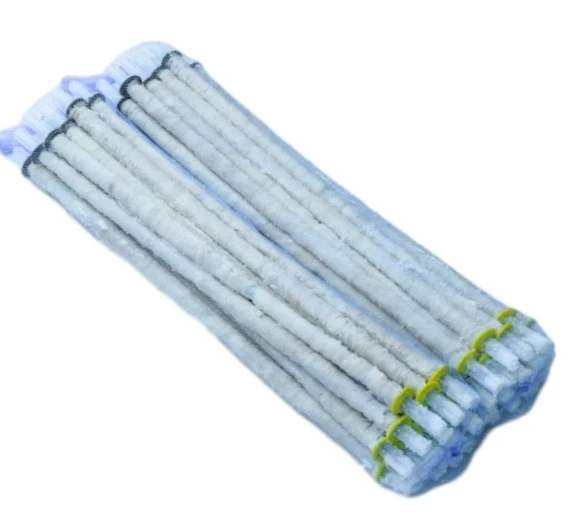
Let’s start with the basics. Sheep casings are natural sausage casings harvested from the intestines of sheep. Because of their thinness and elasticity, they’re the go-to choice for smaller sausages like breakfast links or delicacies such as merguez. Industrially, they’re valued for their uniform quality and reliability when properly prepared.
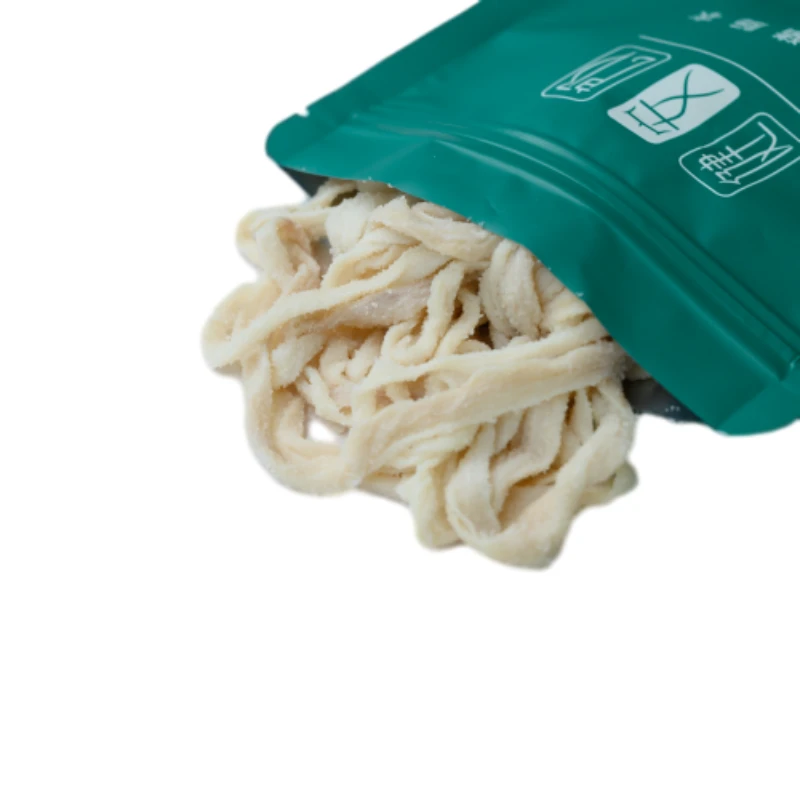
One thing I’ve learned over the years? Preparation is everything. Dry-packed or salt-packed sheep casings need a thorough soak before use—usually in cold water for at least 30 minutes. This rehydrates them and makes the skin pliable. Many novices overlook this step and end up frustrated with casing breakage or uneven stuffing. Frankly, a well-soaked casing feels like it’s breathing again, and your sausages will thank you.
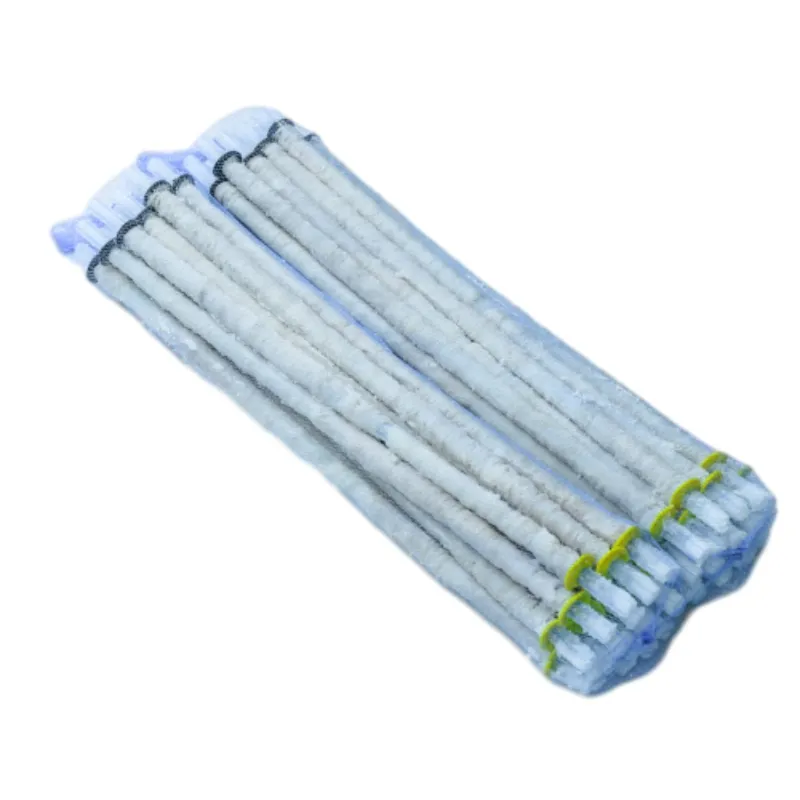
Now, using sheep casings on a stuffing horn is a bit of a balancing act. Because they’re thinner than hog casings, it’s best to be gentle, avoid overstretching and keep your filling consistent in texture to prevent tears. Several engineers I’ve talked to swear by mild lubricants like water or light oil inside the casing to ease the process—works like a charm.
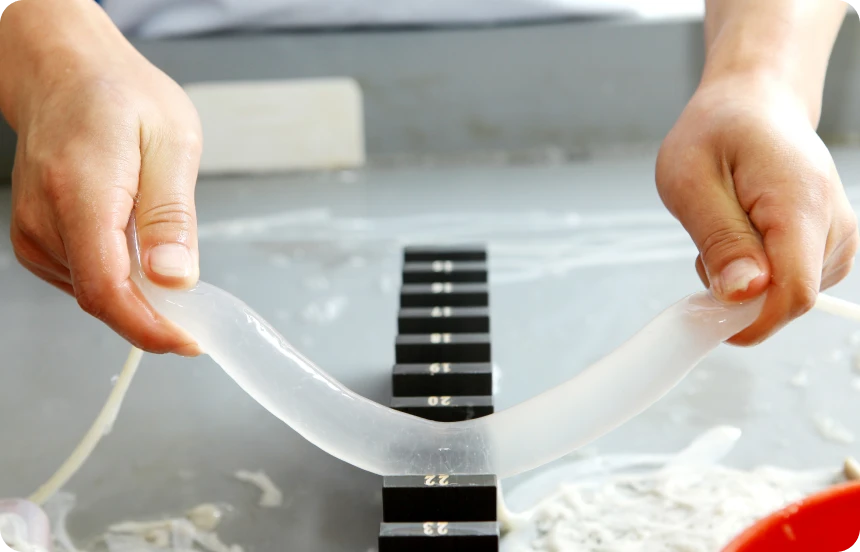
In terms of testing quality, suppliers like sheep casings from reputable sources will provide casings sorted by size and grade, with minimal holes or weak spots. I recall one production line where a batch had irregularities, and after switching to a premium supplier, yield improved noticeably. Sometimes, it’s not just about price but consistency that saves you headaches.
Customization also plays a role. Whether you want to make traditional sausages or experiment with spiced varieties, the sheep casings offer a natural snap that synthetic alternatives simply can’t replicate. Plus, they’re biodegradable and preferred by traditional meat artisans who want an authentic feel in their products.
| Specification | Details |
|---|---|
| Source | Sheep Intestine |
| Average Diameter | 16 - 22 mm |
| Packing Type | Salted or Water-Packed |
| Shelf Life | Up to 18 months (dry salted) |
| Ideal For | Small Sausages, Breakfast Links, Merguez |
Picking the right vendor also saves a fair amount of hassle. Here’s a quick comparison of a few well-known sheep casing suppliers I’ve dealt with over time:
| Supplier | Quality Consistency | Price Range | Customer Support |
|---|---|---|---|
| RTCasing | High – sorted & graded | Mid-Range | Responsive and knowledgeable |
| Classic Casings | Medium – some variation | Lower | Basic support |
| Natural Skins Co. | High, but premium price | High | Excellent, customized service |
I remember one customer who was new to small-scale sausage production. They initially struggled with uneven casing breaks and inconsistent sausage diameter until we advised them to switch to a higher-grade sheep casing, soak properly, and fill more gently. The difference was night and day, and frankly, it’s always satisfying to see someone unlock that 'aha' moment.
In real terms, sheep casings marry tradition with practical industrial standards. They’re not just old-school relics but trusted materials that deliver the texture and appearance handcrafted sausages need. Whether you’re crafting a niche product or supplying a large operation, handling and quality make all the difference.
So, if you ask me, working with sheep casings is less about brute force and more about respect—for the material, the process, and ultimately, the customer’s palate. And if you’re looking to source reliable sheep casings, companies like sheep casings stand out for their consistent quality and support.
Takeaway? Don’t rush the soak, be gentle with stuffing, and pick a supplier you can trust. It pays off in every snap and bite.
References
- Industry guidelines on natural casings, Meat Science Journal, 2021
- RTCasing product specifications and user guides, 2024
- Interviews with processing engineers, various meat production facilities, 2018-2023