Oct . 06, 2025 13:55
Understanding Natural Sheep Casings: A B2B Perspective
In the high-stakes world of food processing, the quality of every component directly impacts the final product's market appeal and consumer satisfaction. For sausage manufacturers, this often begins with the casing. Natural casings offer unparalleled advantages in texture, bite, and smoke permeability, making them a preferred choice for premium products. This guide provides a comprehensive overview for businesses seeking high-quality sheep casing for sale, detailing technical specifications, industry trends, and strategic procurement considerations.
The demand for natural casings, particularly salted sheep casing, continues to grow as consumers increasingly prioritize authentic taste and traditional manufacturing methods. These casings, derived from the submucosa layer of sheep intestines, are renowned for their delicate bite, flexibility, and ability to impart a superior 'snap' to a wide range of sausages, from breakfast links to gourmet frankfurters. Understanding the nuances of their production, quality control, and application is paramount for optimizing your product line and operational efficiency.
Industry Trends in Natural Casings
The natural casing market is experiencing dynamic shifts, driven by several key trends. Firstly, there's a heightened focus on traceability and sustainability. Buyers are increasingly scrutinizing the origin and processing methods of their casings to ensure ethical sourcing and compliance with global food safety standards. Secondly, customization is gaining traction; manufacturers are seeking specific calibers, strengths, and lengths to suit automated production lines and unique product formulations. Thirdly, technological advancements in processing and preservation are extending shelf life and enhancing consistency, making natural sheep casings more reliable than ever.
Recent market analysis indicates a steady growth rate in the natural casings segment, particularly in premium and artisan sausage categories. This is largely attributed to consumer preferences for 'clean label' ingredients and a desire for traditional culinary experiences. The advent of highly efficient processing equipment also allows for better utilization of various casing types, including those requiring precise caliber sorting like the in-demand 24 26mm sheep casing. These trends underscore the importance of partnering with a knowledgeable salted sheep casing supplier who can navigate these complexities and provide consistently high-quality products.
The Manufacturing Process of Salted Sheep Casings
The journey from raw material to a high-quality salted sheep casing is a meticulous process, demanding precision and adherence to stringent hygiene standards. Unlike fabricated components, natural casings undergo a biological preparation process rather than mechanical manufacturing like casting or CNC machining. The primary material is the small intestine of sheep, specifically the submucosa layer, which is rich in collagen and provides the characteristic elasticity and strength.
Process Flow Overview:
1. Raw Material Collection & Pre-Cleaning
Immediately after evisceration, intestines are separated and initial rough cleaning removes gross contaminants.
2. Flushing & Degreasing
Intestines are thoroughly flushed with potable water and degreased to remove adipose tissue and chyme residue.
3. Sliming & Lumen Exposure
The muscular and mucosal layers are carefully removed, exposing the clean, strong submucosa layer (lumen).
4. Caliber Sorting & Grading
Casings are meticulously sorted by diameter (caliber) and quality (strength, uniformity), essential for specific product applications.
5. Salting & Curing
The cleaned casings are heavily salted with food-grade curing salt, a critical step for preservation and extended shelf life. Brine concentration is carefully controlled.
6. Packaging & Storage
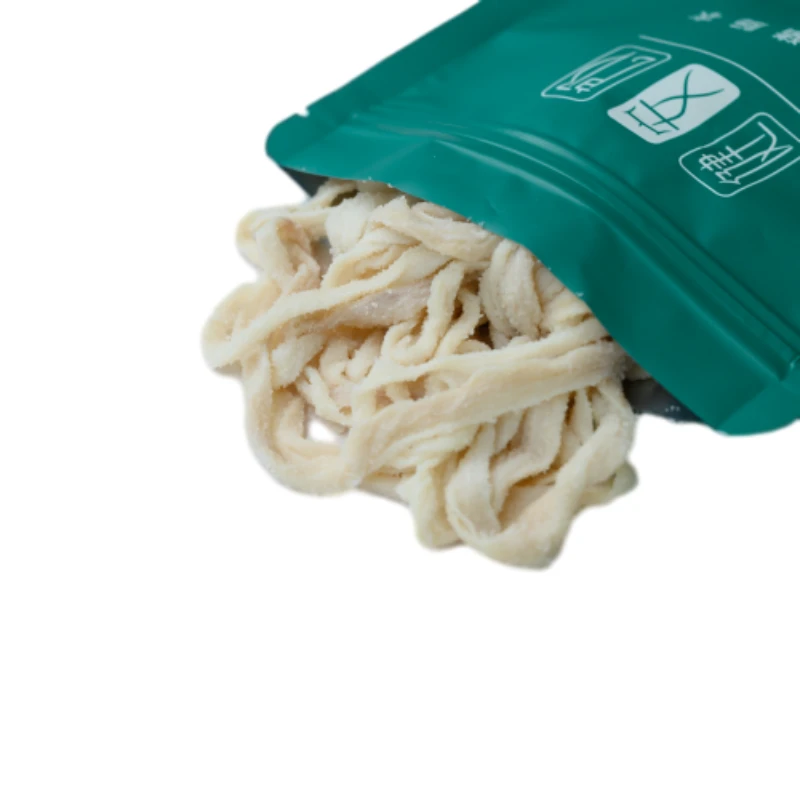
Finished salted sheep casing are packed in salt in airtight container111s and stored in a cool, dark environment to maintain quality.
Throughout this process, stringent quality control measures are in place. Testing standards typically adhere to international guidelines such as ISO 22000 (Food Safety Management Systems) and HACCP principles, ensuring microbiological safety and product integrity. The inherent structure of the natural collagen provides superior elasticity and permeability to smoke and moisture, vital for developing rich flavors and textures in sausages. With proper storage, the service life of these casings can extend for well over a year, provided they remain in their original packaging and refrigerated condition.
Technical Specifications & Performance Parameters
Selecting the correct natural sheep casings requires a detailed understanding of their technical specifications. Caliber, measured in millimeters, is perhaps the most critical parameter, directly impacting the final sausage diameter and suitability for various product types. Length per hank, strength, and absence of defects (e.g., holes, weak spots) are equally important.
Typical Product Specification for Salted Sheep Casings
| Parameter | Description / Value Range |
|---|---|
| Caliber Range (mm) | 18/20, 20/22, 22/24, 24/26, 26/+ |
| Length per Hank (meters) | 91.44m (100 yards) standard; customizable to 60m or 100m. |
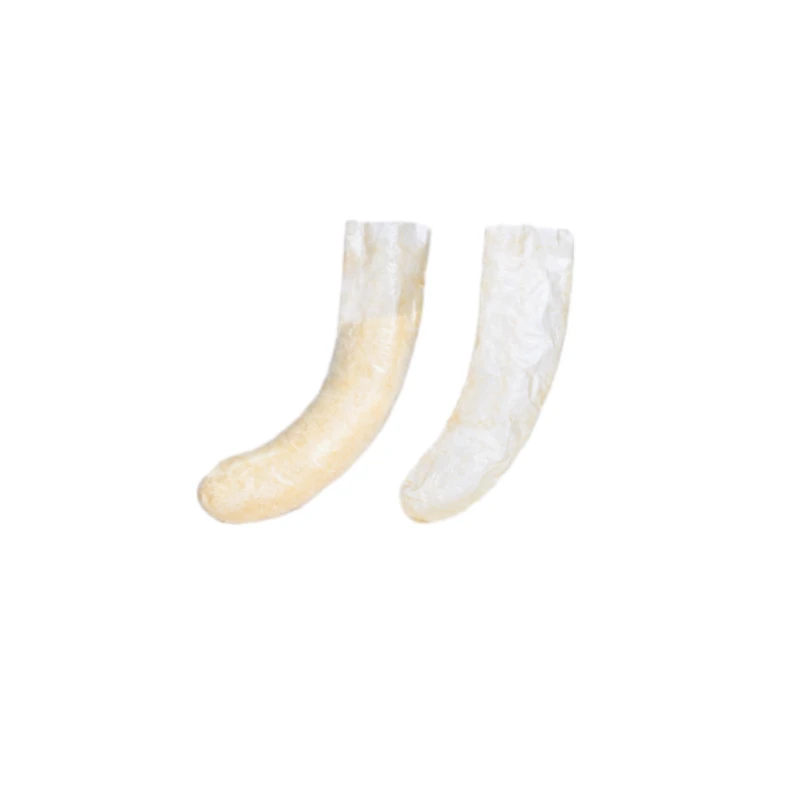
| Color | Translucent white to light cream. |
| Preservation Method | Food-grade curing salt (NaCl, >20% concentration). |
| Origin | New Zealand, Australia, China, Europe (depending on availability/grade). |
| Shelf Life (Salted) | 12-24 months when stored correctly (0-10°C, sealed). |
| Quality Grade | A/B Grade (Premium), C Grade (Standard). Based on uniformity, strength, and absence of defects. |
| Regulatory Compliance | HACCP, ISO 22000, Halal/Kosher (on request), FDA/USDA guidelines. |
The intrinsic characteristics of sheep casings—such as their thin, tender wall structure and excellent permeability—are critical for producing sausages with a desired 'snap' and allowing for optimal smoke penetration during the cooking or smoking process. This natural permeability is a key technical advantage over many artificial casings, which often require additional treatments to achieve similar results. For specialized applications requiring specific diameters, a consistent supply of 24 26mm sheep casing is often sought after for larger gourmet sausages.
Application Scenarios & Technical Advantages
Natural sheep casings are highly versatile, finding extensive use across a multitude of sausage products in the food processing industry. Their unique properties make them indispensable for high-quality sausage production:
- ✓ Gourmet Sausages: Ideal for delicate sausages like frankfurters, wieners, breakfast links, and various European-style sausages. The thin casing contributes to a tender bite.
- ✓ Smoked Products: Superior smoke permeability ensures even flavor distribution and desirable color development, crucial for smoked sausages and cured meats.
- ✓ Fresh Sausages: Provides excellent moisture retention and a satisfying 'snap' when cooked, enhancing the eating experience.
- ✓ Automated Production Lines: Modern processing lines benefit from the consistent strength and elasticity of well-sorted casings, minimizing breakage and optimizing throughput.
Key Technical Advantages:
- ✓ Superior Bite & Texture: The delicate collagen structure provides a distinct, satisfying 'snap' that artificial casings often struggle to replicate. This sensory experience is a major differentiator for premium products.
- ✓ Excellent Smoke Permeability: Allows for optimal absorption of smoke flavors and development of natural color, crucial for traditional smoked sausages. This enhances both taste and visual appeal.
- ✓ Natural Appearance: The inherent irregularities and translucence provide an authentic, artisan look to finished products, appealing to consumers seeking natural ingredients.
- ✓ High Elasticity & Strength: Despite their thinness, these casings offer remarkable elasticity, allowing for efficient stuffing and minimizing breakage during production.
- ✓ Cost-Effectiveness for Premium Lines: While initial cost might be higher than synthetic alternatives, the superior product quality often justifies the investment, leading to higher market value and consumer loyalty.
Vendor Comparison and Customized Solutions
Choosing the right salted sheep casing supplier is a strategic decision that impacts consistency, cost-efficiency, and brand reputation. Key factors for comparison include product quality (caliber uniformity, strength, absence of defects), certifications, supply chain reliability, and the ability to offer customized solutions. A reputable supplier should demonstrate strong adherence to food safety standards (e.g., HACCP, ISO 22000) and provide clear documentation of product origin.
Comparative Analysis: Key Vendor Considerations
| Feature | High-Quality Supplier (e.g., RT Casing) | Standard Supplier |
|---|---|---|
| Caliber Uniformity | Excellent (Strict sorting, minimal variation within stated caliber, e.g., consistent 24 26mm sheep casing) | Moderate (Wider variation, potentially leading to stuffing issues) |
| Defect Rate (Holes, weak spots) | Very Low (<1% hank breakage) due to rigorous inspection | Higher (Potential for >3% hank breakage) |
| Certifications | ISO 22000, HACCP, Halal/Kosher availability, FDA/USDA compliance | Basic food safety only, potentially limited international compliance |
| Traceability | Full end-to-end traceability from farm to factory | Limited or batch-level traceability |
| Customization | Offer pre-tubed, specific lengths, custom packaging, origin-specific sourcing | Limited to standard offerings |
| Customer Support | Dedicated account managers, technical support, quick issue resolution | Transactional, limited post-sales support |
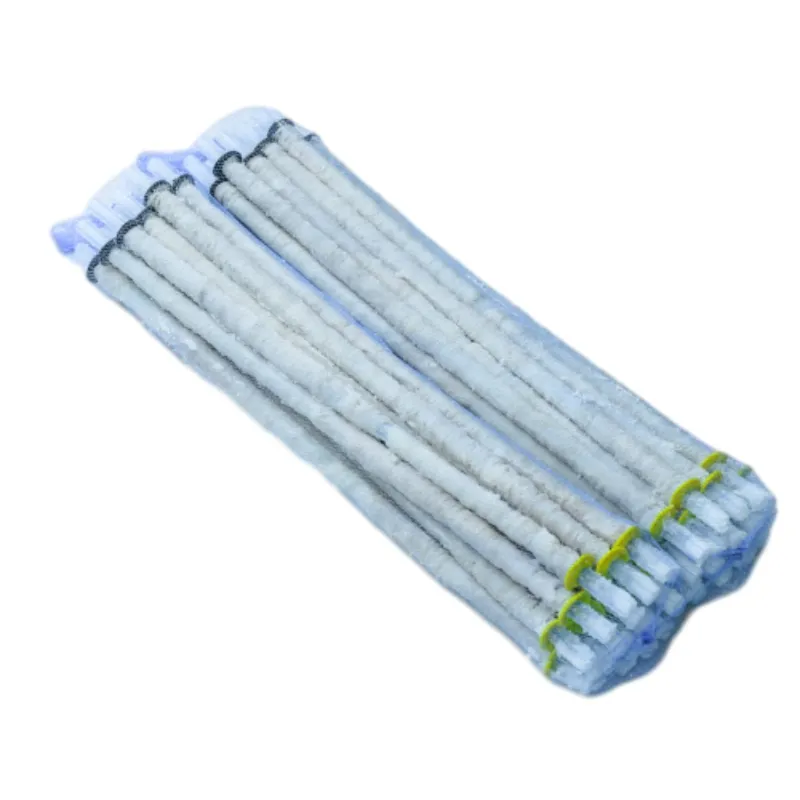
Leading suppliers offer customized solutions to meet specific client requirements. This includes pre-tubed casings for automated stuffing machines, precise hank lengths to reduce waste, and custom packaging solutions. For example, a client requiring specific sheep casing for sale might need a consistent supply of 20/22mm casings from a specific region known for its strong, pliable collagen. A premium supplier will be able to source and process these to exact specifications, ensuring batch-to-batch consistency that is crucial for maintaining brand integrity and optimizing production yields.
Application Case Studies & Customer Experience
Real-world applications highlight the tangible benefits of high-quality natural sheep casings. Our experience working with diverse food manufacturers demonstrates how strategic sourcing can elevate product quality and operational efficiency.
Case Study 1: Artisan Sausage Manufacturer
A gourmet sausage company, "Artisan Delights," specializing in traditional European recipes, previously struggled with inconsistent casing quality from a smaller supplier. This led to frequent line stoppages due to breakage and variations in sausage diameter, affecting their brand's premium image. By transitioning to a premium salted sheep casing supplier, they achieved:
- Reduced Breakage: A 40% reduction in casing breakage during stuffing, leading to significant material savings and increased throughput.
- Enhanced Product Consistency: Uniform 22/24mm casings ensured every sausage met their exacting visual and textural standards, reinforcing their brand's promise of quality.
- Improved Shelf Appeal: The consistent translucence and delicate sheen of the casings enhanced the natural appearance of their gourmet links.
Case Study 2: Large-Scale Frankfurther Production
A major international food conglomerate sought to improve the 'snap' and overall eating experience of their mass-produced frankfurters. After extensive trials with various casing types, they opted for high-grade sheep casing for sale, specifically pre-tubed 20/22mm casings for their automated lines. The result was a measurable improvement in consumer feedback regarding texture and bite, leading to a 15% increase in market share in competitive segments.
"Our partnership with RT Casing has been transformative. The consistency of their natural sheep casings has drastically reduced our production waste and improved our product's premium appeal. Their technical support in selecting the ideal caliber and processing method was invaluable." - Production Manager, Global Food Co.
Authoritative References & Quality Assurance
Our commitment to quality is underscored by adherence to international standards and certifications, providing our partners with complete confidence in the integrity and safety of our salted sheep casing products. We pride ourselves on maintaining certifications such as:
- ✓ ISO 22000: Food Safety Management Systems, demonstrating a robust framework for controlling food safety hazards.
- ✓ HACCP Certified: Hazard Analysis and Critical Control Points, a systematic preventive approach to food safety.
- ✓ FDA/USDA Compliant: Meeting stringent regulatory requirements for food contact materials and general food safety in North American markets.
- ✓ Halal & Kosher Options: Available upon request to cater to specific dietary and religious requirements, ensuring broad market access.
Our long-standing partnerships with leading food manufacturers globally, coupled with over two decades of dedicated service in the natural casings industry, underscore our authoritative position as a reliable salted sheep casing supplier. Regular internal and external audits, along with continuous process improvement, ensure that every batch of casings meets the highest international quality benchmarks.
Frequently Asked Questions (FAQ)
Q: What is the ideal storage condition for natural sheep casings?
A: Salted sheep casings should be stored in their original sealed packaging in a cool, dark place, ideally refrigerated between 0-10°C (32-50°F). Do not freeze as this can degrade casing quality.
Q: How do I prepare salted casings for stuffing?
A: Casings need to be thoroughly rinsed to remove excess salt, then soaked in lukewarm water (approx. 30°C / 86°F) for at least 30 minutes, or until soft and pliable. Change water multiple times to ensure proper desalination.
Q: What is the typical lead time for an order of sheep casing for sale?
A: Standard orders typically have a lead time of 2-4 weeks, depending on quantity, specific caliber requirements (e.g., 24 26mm sheep casing), and destination. Expedited shipping options are available upon request.
Q: What is your warranty policy for salted sheep casings?
A: We offer a warranty against defects in material and processing for up to 6 months from the date of shipment, provided storage and handling instructions are followed. Our quality assurance team will investigate any reported issues promptly.
Q: Do you provide after-sales support and technical assistance?
A: Yes, our dedicated customer support team and technical specialists are available to assist with product selection, preparation guidelines, troubleshooting, and any post-purchase inquiries to ensure optimal performance of our salted sheep casing products in your operations.
Conclusion
For B2B entities in the food processing sector, the choice of casing significantly impacts product quality, operational efficiency, and ultimately, market success. Investing in high-grade natural sheep casings from a reliable salted sheep casing supplier offers distinct advantages in terms of texture, flavor development, and consumer appeal. By prioritizing expert processing, stringent quality control, and robust supplier partnerships, businesses can ensure they consistently deliver premium sausage products that meet and exceed market expectations.
References
- Food and Agriculture Organization of the United Nations (FAO). "Meat processing technology for small- to medium-scale producers." FAO Animal Production and Health Manual, No. 10. Rome, 2017.
- U.S. Department of Agriculture (USDA) Food Safety and Inspection Service. "Guidance for Natural Casings." Available at: fsis.usda.gov
- International Organization for Standardization (ISO). "ISO 22000: Food safety management systems – Requirements for any organization in the food chain." Available at: iso.org
- Lawrie's Meat Science. "Properties and processing of animal casings." Woodhead Publishing, 2017.