Oct . 18, 2025 17:00
Salted Hog Casings: Buyer’s Field Notes from the Factory Floor
If you’re hunting for natural hog casings for sale, you’ve probably noticed a shift: artisans want the traditional snap, larger processors want reliability and regulatory clarity, and everyone—really—wants consistent caliber and clean tubing. I’ve toured plants from Hebei to the Ruhr, and one constant remains: a well-processed hog casing still beats synthetics for bite, breathability, and that old-world curl on the grill.

What’s in the box (and why it matters)
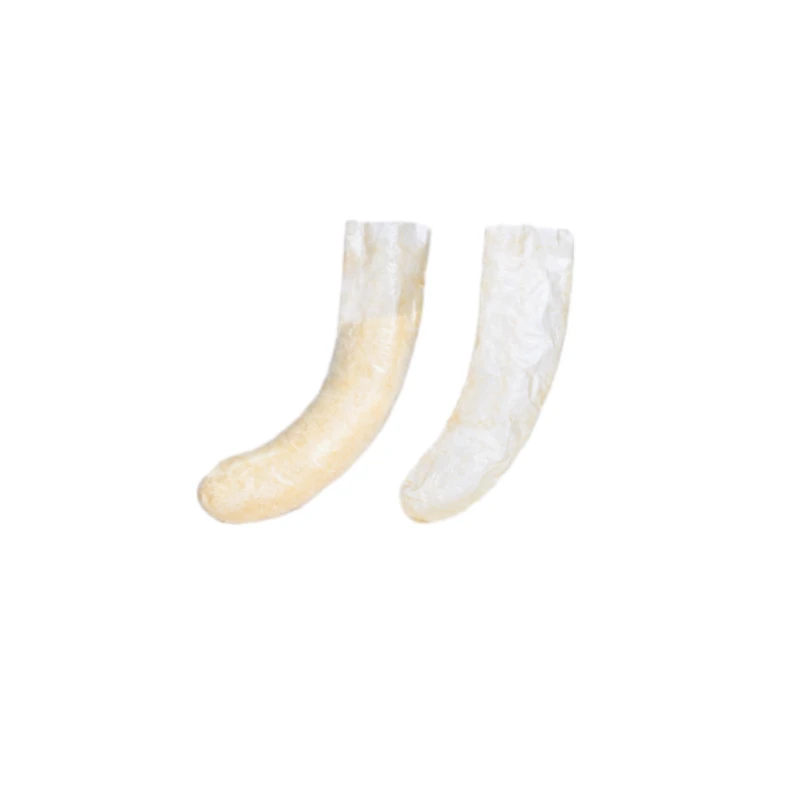
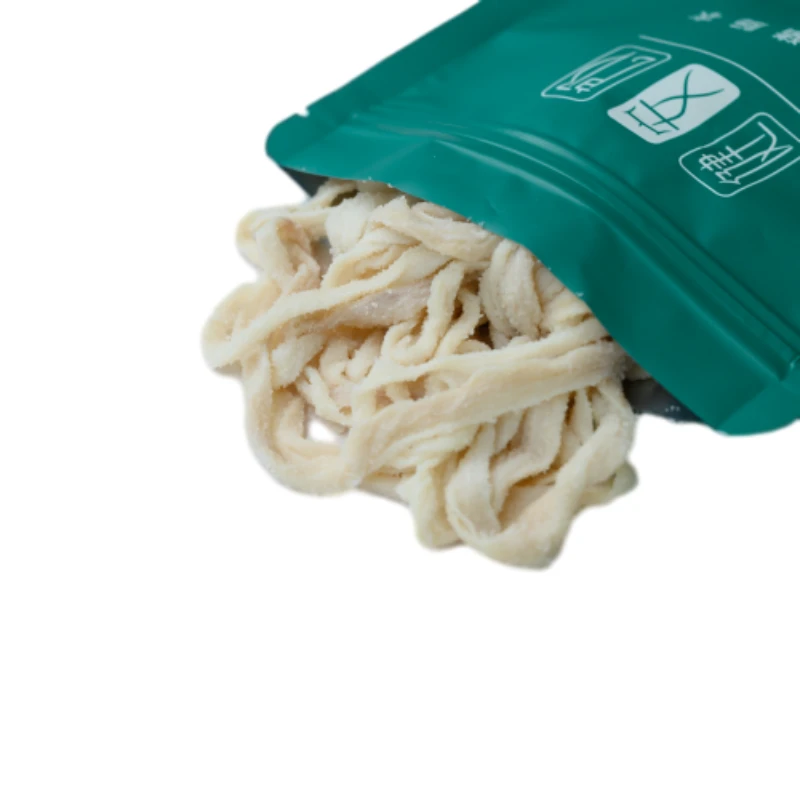
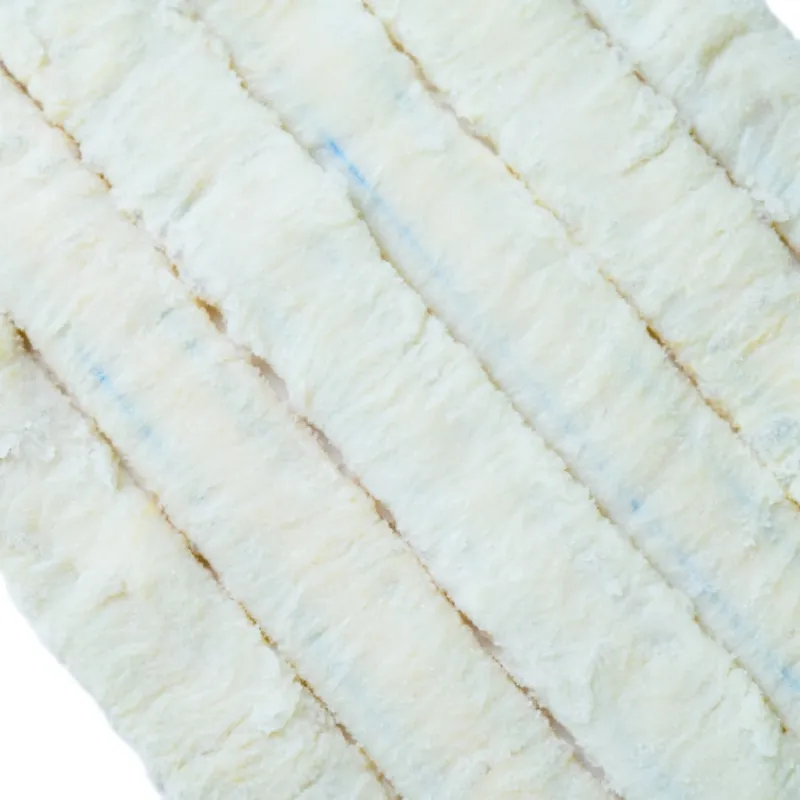
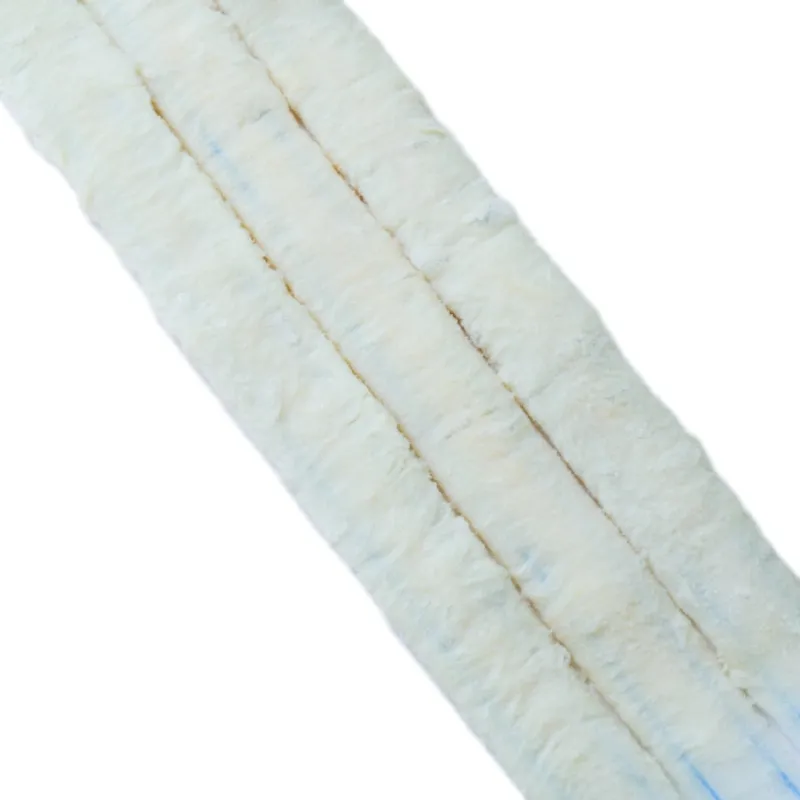
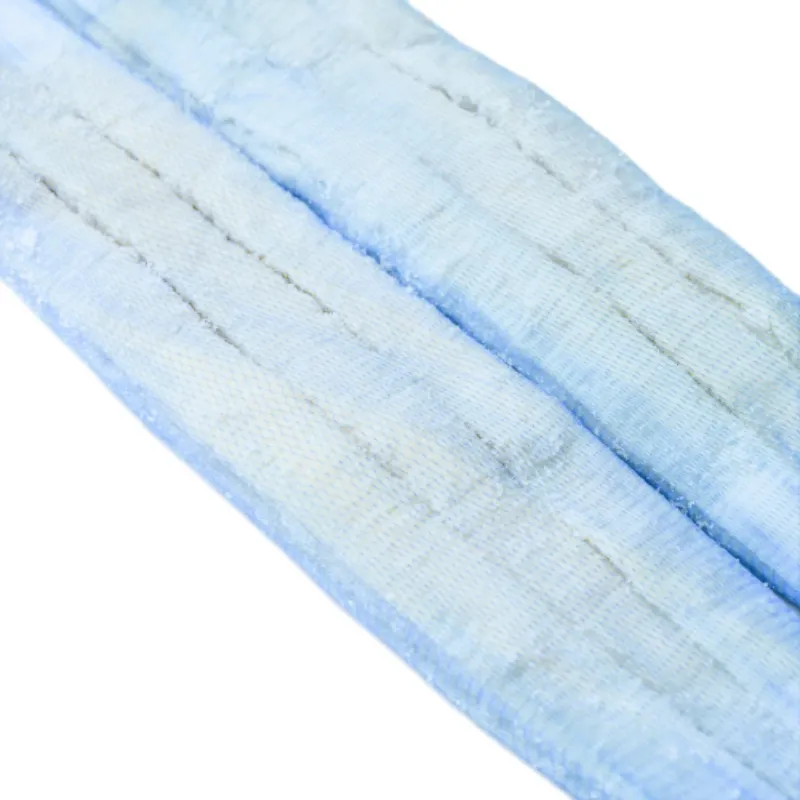
Product: Salted Hog Casings, origin: WEST PING’AN STREET, SHUNPING COUNTY, HEBEI, CHINA. These are traditional porcine intestines, salted for stability and export. Many customers say they get better smoke uptake and juiciness than with collagen. And yes, proper soak is still non‑negotiable.
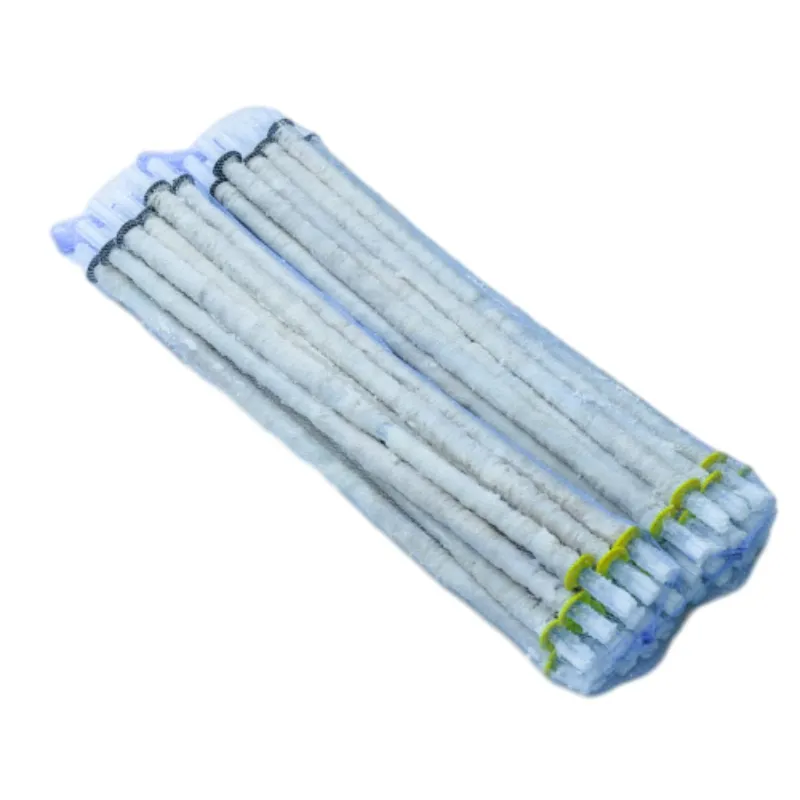
Process flow (condensed, but real)
Materials: selected hog intestines (food-grade). Methods: stripping → flushing → turning → de-sliming → grading/calibrating → salting (NaCl) → tubing/hard‑tube packing → QC → cold-chain export. Testing standards include microbial counts (vendor CoA), visual defect checks, caliber verification, and burst strength sampling. Service life: ≈18–24 months in heavy salt at 0–10°C; after desalting, use same day. Industries: craft butchers, mid-size processors, private label co-packers, R&D labs.
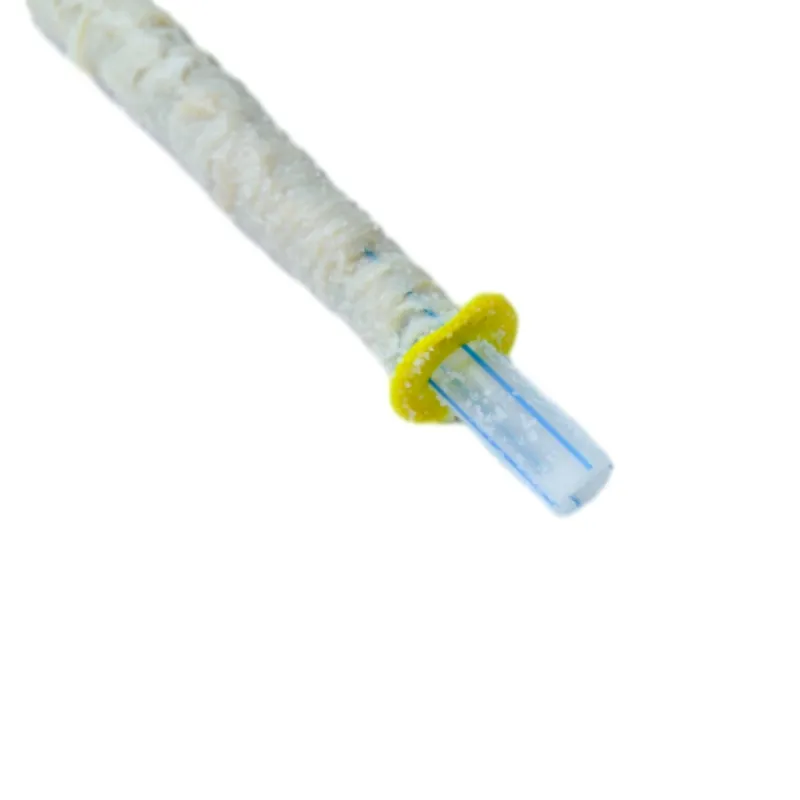
Product specifications (typical, real‑world use may vary)
| Calibers | 28/30, 30/32, 32/35, 35/38 mm (±0.5 mm) |
| Length per hank | ≈90 m/hank (around 295 ft) |
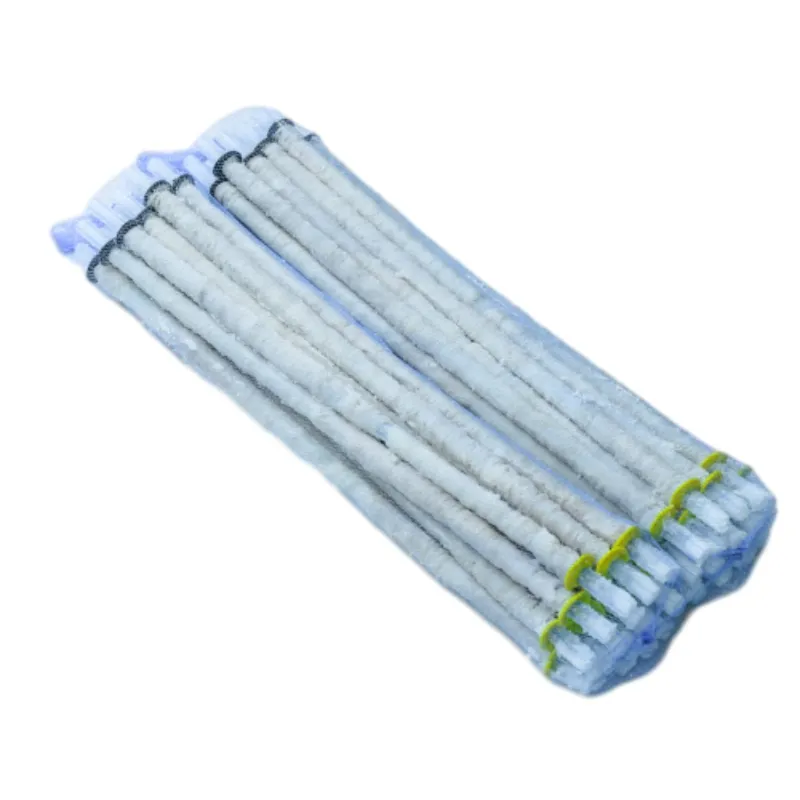
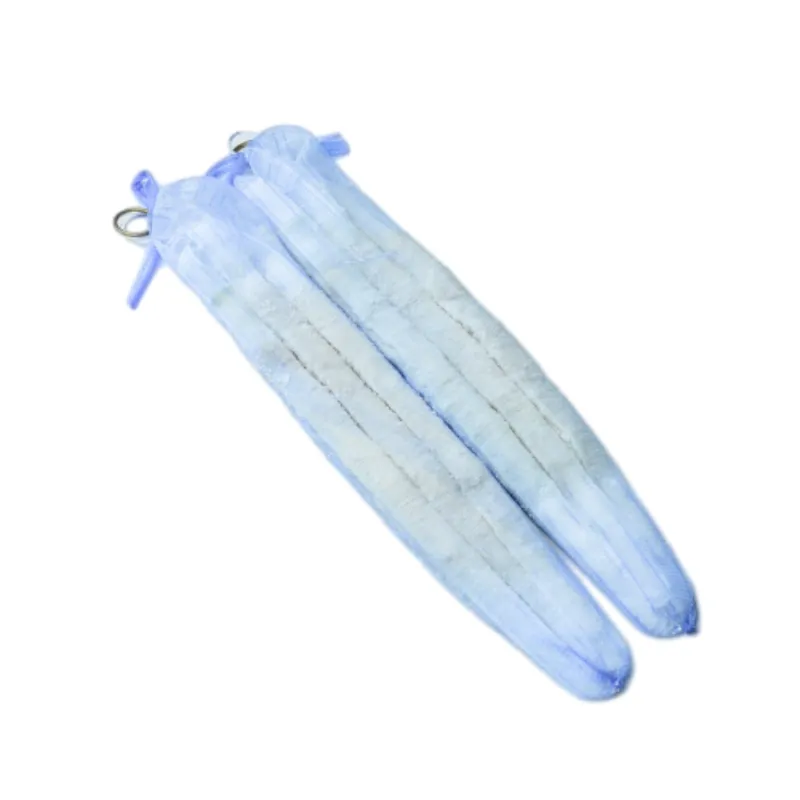
| Packing | Heavy dry salt; hard-tube or net pack |
| Cleanliness | Pinholes ≤1 per 10 m (A-Grade target) |
| Burst strength | ≈1.2–1.8 kgf (lot-sample) |
| Soak guidance | 20–30 min in 30–35°C water; final rinse cool |
| Cert intents | HACCP/ISO 22000; Halal upon request |
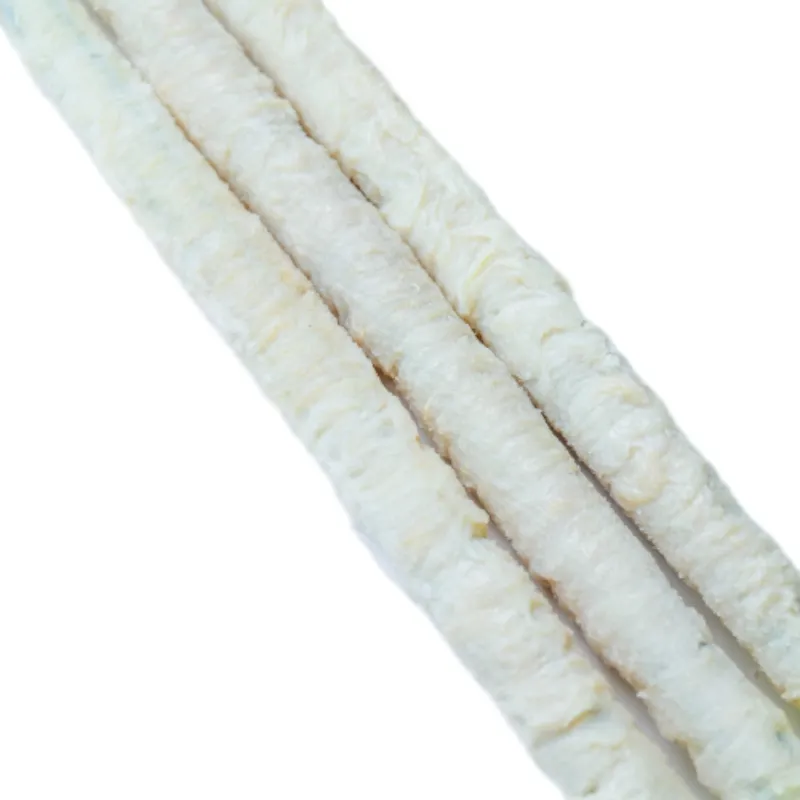
Applications and why pros still prefer natural
- Bratwurst, Italian, chorizo, hot links, kielbasa—grill or smoke.
- R&D pilots needing true smoke permeability and casing “memory.”
- Export/private label where ingredient transparency is a selling point.
Advantages: elastic snap, breathability (better smoke and moisture transfer), and surprisingly forgiving on semi-automatic stuffers. Many buyers tell me rejects drop once they dial in soak temp.
Vendor snapshot (quick compare)
| Vendor | Typical Lead Time | Customization | Cert Footprint |
|---|---|---|---|
| RT Casing (Hebei) | 10–20 days ex‑works | Tight caliber bands, private label | ISO 22000/HACCP; Halal options |
| EU Brand X | 2–4 weeks | Strong EU documentation | EC 853/2004 aligned |
| US Broker Y | Stock‑dependent | Repack, mixed lots | HACCP affidavits |
Quality, testing, and paperwork
Look for CoAs that cite aerobic plate count targets (e.g., ≤10³ CFU/g), Salmonella absent in 25 g, and Enterobacteriaceae within spec. Caliber measurements should be from wet, ready-to-stuff state. Documentation usually references HACCP, ISO 22000, and destination-specific import health certs. To be honest, the best indicator is still a clean soak and consistent fill on line speed.
Customization and buyer tips
- Specify caliber bands tightly if you run automatic linkers.
- Ask for mixed hanks per pail by recipe (e.g., 28/30 for snack sticks, 32/35 for brats).
- Trial a small lot; many plants report 3–5% yield lift after soak-temp tuning.
Mini case notes
- Midwestern brat producer switched to 32/35 mm, reported ≈2% fewer bursts during peak summer runs after adopting a 33°C soak and slower first 5 meters.
- Boutique chorizo shop cut cook loss by ~1.5% moving from collagen to natural hog casings for sale, citing “cleaner smoke” and better snap.
Bottom line: if you want the classic bite and breathable performance, natural hog casings for sale remain the gold standard—provided the vendor’s hygiene, calibration, and paperwork are tight.
Authoritative citations
- ISO 22000:2018 Food safety management systems.
- European Regulation (EC) No 853/2004, specific hygiene rules for food of animal origin.
- Codex Alimentarius: Code of Hygienic Practice for Meat (CAC/RCP 58-2005).
- USDA FSIS: Sanitation Performance Standards, 9 CFR Part 416.
- OIC/SMIIC Halal Food Certification general requirements (where applicable).