Jan . 04, 2026 04:35
Dried Hog Casing: The Unsung Hero of Sausage Making
Having spent a good chunk of my career in the industrial equipment and food processing sector, I've come to appreciate the subtle quality differences in materials that often go unnoticed by the casual observer. One such material is the dried hog casing. At first glance, it might just seem like any other natural sausage casing, but there’s a lot more beneath the surface – quite literally.
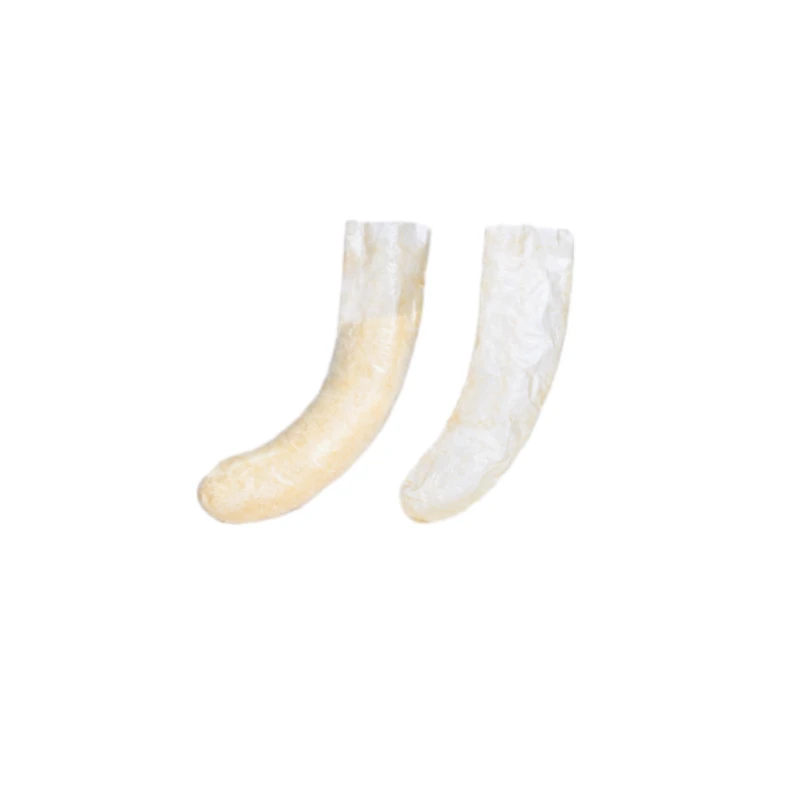
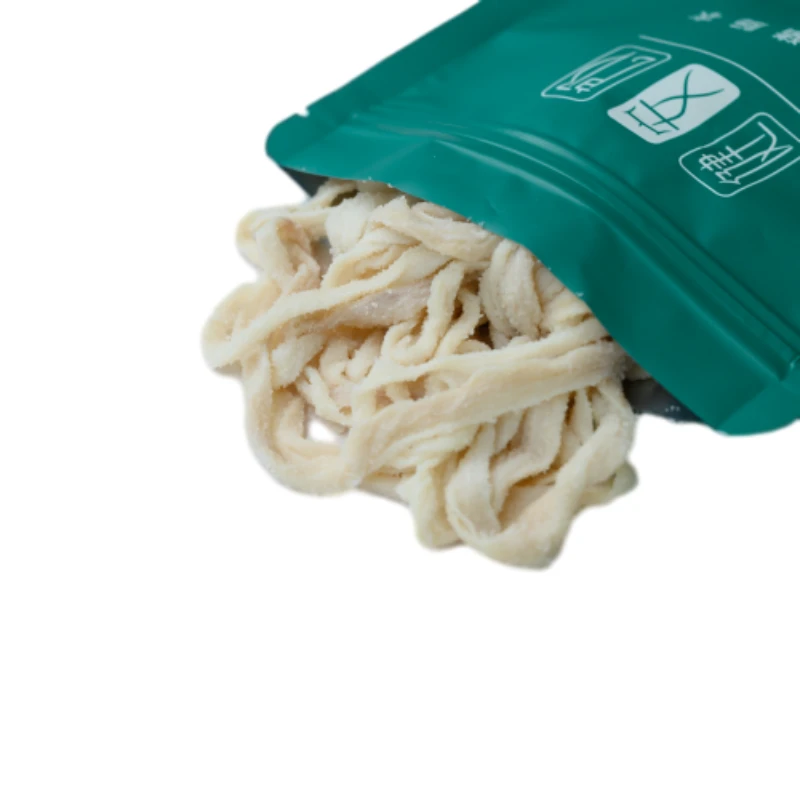
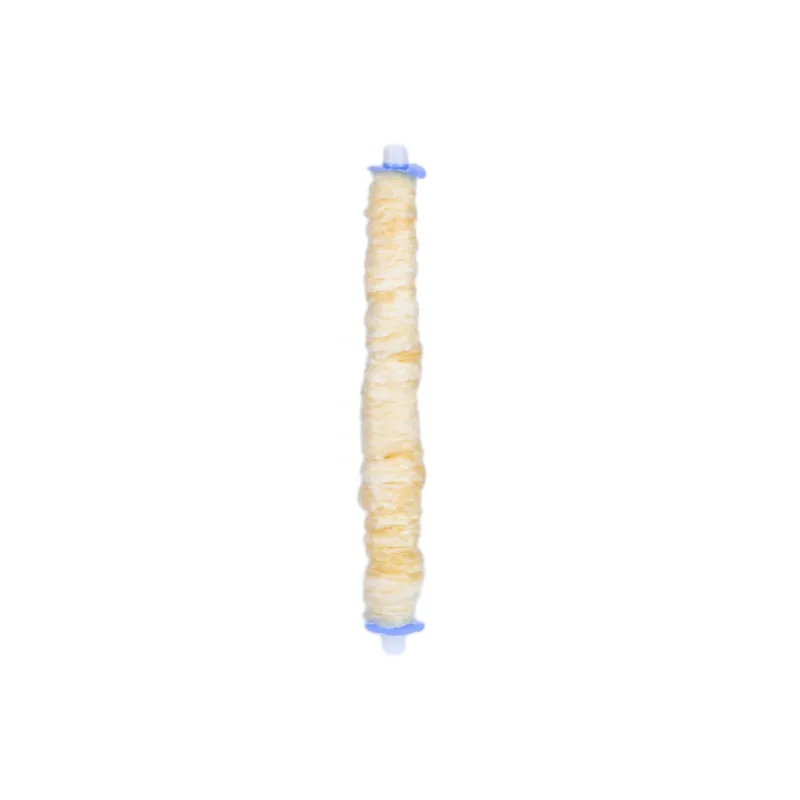
In real terms, dried hog casing is the natural intestine of the pig that has been cleaned, salted, stretched, and then dried for preservation. It plays a crucial role in traditional and industrial sausage production, providing that authentic snap and natural look that synthetic casings can rarely match. Frankly, nothing beats the texture and bite of a sausage hugged by a naturally derived casing.
Oddly enough, these casings’ quality can vary quite a bit depending on factors like the animal’s diet, the cleaning process, and drying techniques. From my experience, well-processed dried hog casing is consistent in strength and flexibility, which is vital when you're running high-speed stuffing machines or hand-crafting specialty products.
Key Product Specifications You Should Know
| Specification | Detail |
|---|---|
| Diameter Range | 18 - 32 mm |
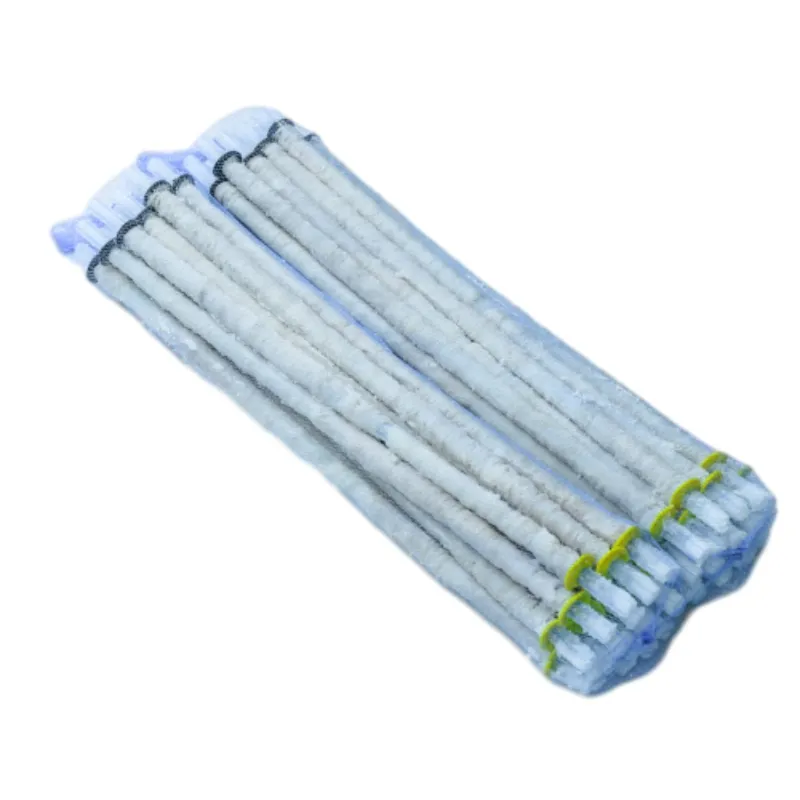
| Length per Bundle | 50 meters (approx.) |
| Moisture Content | 12% - 16% |
| Preservation | Salted and dried |
| Shelf Life | Up to 2 years if stored properly |
You know, many engineers involved in sausage production will swear by dried hog casing’s natural permeability, which allows smoke to penetrate well, creating that classic smoky flavor. It also provides just enough stretch and resilience, so casings don’t burst during the stuffing phase – a frequent headache with artificial alternatives.
From a customization standpoint, whereas some synthetic casings come in rigid sizes or limited diameters, natural dried hog casing offers a range that fits various sausage styles, from bratwurst to the classic Italian sausages. It’s that versatility that keeps it in high demand, even as plant-based trends nibble at the meat industry’s margins.
Vendor Comparison: Choosing the Right Supplier for Dried Hog Casing
| Vendor | Quality Consistency | Price per Bundle | Lead Time | Customer Support |
|---|---|---|---|---|
| RT Casing | High – Rigorous quality control | $70 - $85 | 2-3 weeks | Excellent – Technical advice included |
| Vendor B | Medium – Some variability noted | $60 - $80 | 3-4 weeks | Good – Limited technical support |
| Vendor C | Low – Reports of inconsistency | $55 - $75 | 4-6 weeks | Fair – No dedicated support |
One thing I’ve definitely noticed in the trenches is that sourcing from a trusted vendor like RT Casing can save you lots of headaches down the line. Their attention to quality control makes the difference between casings that perform reliably and those that might cause production delays. I once worked with a plant that switched suppliers mid-season and saw an immediate drop in their casing burst rates. That difference was worth the slightly higher price, in my book.
Overall, dried hog casing remains a staple in the sausage industry for good reasons. Its natural properties, combined with reliable sourcing, help keep production lines humming and consumers coming back for that slightly smoky, satisfyingly snappy bite of a naturally encased sausage.
If you’re exploring casings for your next run — whether industrial or craft — it’s worth considering not only specs and price but also the subtle yet critical aspects like drying methods, storage recommendations, and vendor support.
In the end, it’s these fine details that separate a good sausage product from an unforgettable one. And dried hog casing? It’s right there in the center of that equation.
References:
- “Natural Casings in Sausage Production,” Meat Science Journal, 2021.
- Personal experience working with hog casing suppliers in meat processing plants.
- Industry reports on casing durability and machine compatibility, 2019.