Nov . 10, 2025 17:00
How To Use Dry Sausage Casing is a key solution in the food industry industry, specifically within Meat processing and Edible casing. This article explores how RUNTAI (HEBEI)CASING CO.,LTD. supports professionals with durable, high-performance products, and explains why this product is an ideal choice for businesses in these sectors.
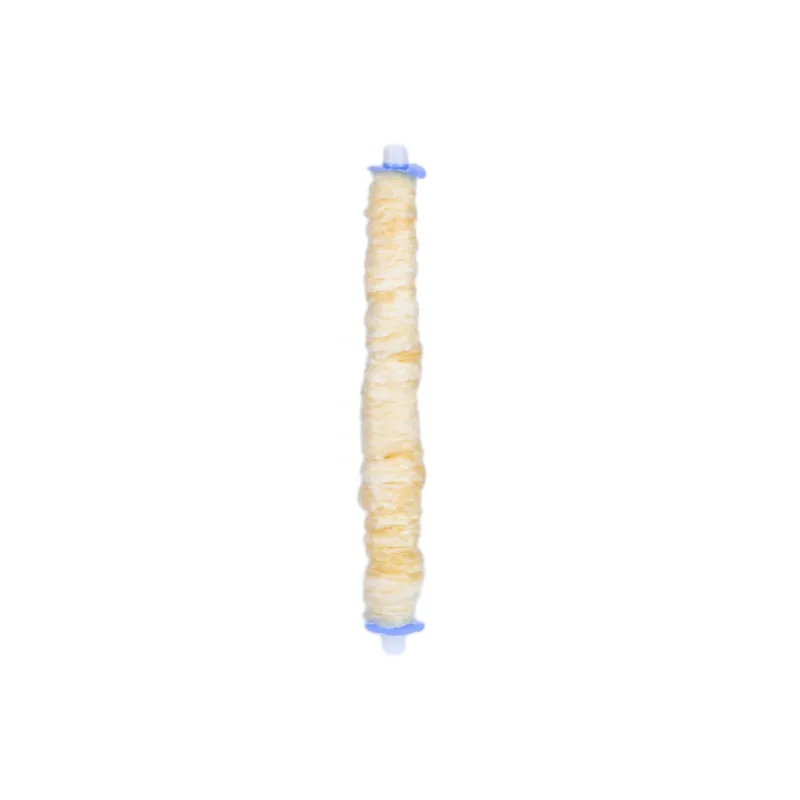
Table of Contents
- How To Use Dry Sausage Casing Overview
- Benefits & Use Cases of How To Use Dry Sausage Casing in Edible casing
- Cost, Maintenance & User Experience
- Sustainability & Market Trends in food industry
- Conclusion on How To Use Dry Sausage Casing from RUNTAI (HEBEI)CASING CO.,LTD.
How To Use Dry Sausage Casing Overview
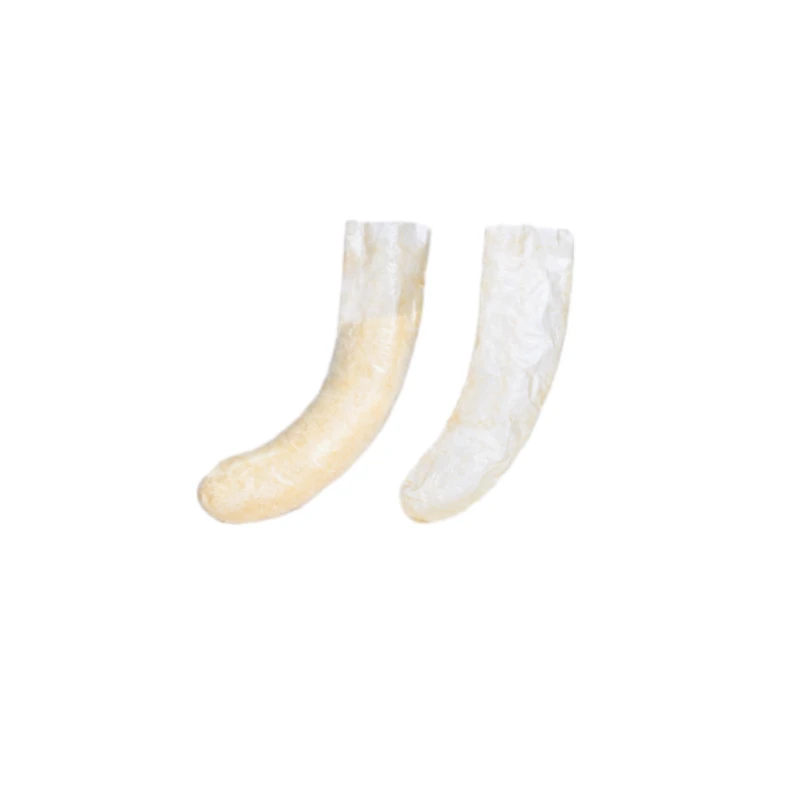
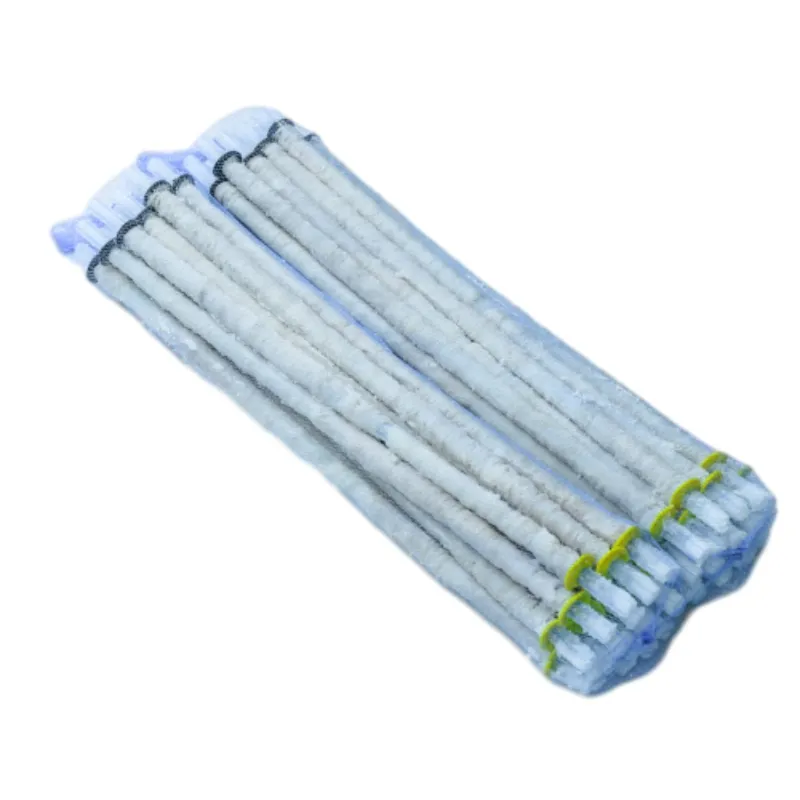
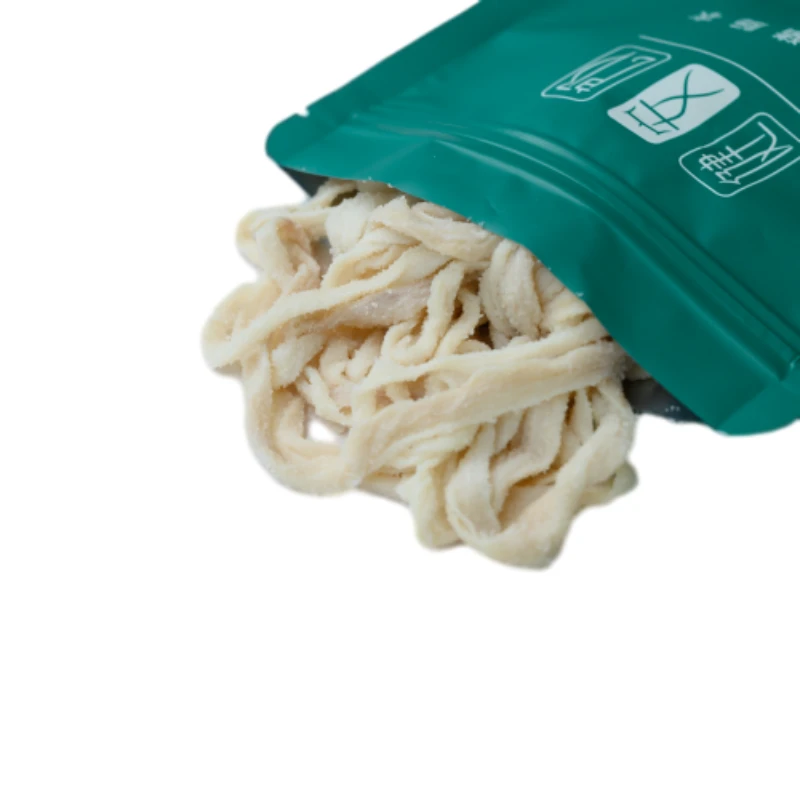
Understanding how to use dry sausage casing starts with knowing what it is and how it differs from brined options. Dried hog casings (also called dried sausage casings) are natural hog intestines that have been carefully cleaned, calibrated, salted, and gently dehydrated for long shelf life and easy international logistics. For processors, they offer the traditional snap and smoke permeability of natural casings with less freight weight and simplified storage. Typical calibers for dried hog casing include 28/30, 30/32, and 32/35 mm, supplied in hanks or pre-bundled lengths suitable for manual or automatic stuffers.
Technically, success hinges on proper rehydration before stuffing: a controlled soak restores elasticity and tensile strength, minimizing burst rates and maximizing throughput. RUNTAI (HEBEI)CASING CO.,LTD. manufactures and grades dried sausage casings with tight caliber tolerances and robust QC, giving B2B buyers predictable performance across batches. With deep expertise in edible casing processing and global export, RUNTAI ensures processors receive consistent, food-safe, and high-yield materials ready for modern sausage lines.
Benefits & Use Cases of How To Use Dry Sausage Casing in Edible casing
In practice, dried hog casings are rehydrated and used for fresh, smoked, and dry-cured sausages—everything from bratwurst and kielbasa to salami, pepperoni, and regional chorizos. For craft and industrial producers alike, they deliver the hallmark natural bite, strong linking integrity, and excellent smoke and flavor uptake that synthetic options struggle to match. Learning how to use dry sausage casing properly means standardizing soak time and temperature, then dialing fill pressure and twist counts to match caliber and recipe water activity.
Competitive advantages include long ambient shelf life, reduced shipping cost versus wet-packed options, fast start-up on the line, and the ability to store more inventory in less space. Processors appreciate the reliable tensile strength, low hole rate, and smooth running on both manual and high-speed stuffers after correct soaking. RUNTAI (HEBEI)CASING CO.,LTD. backs these benefits with strict sorting and calibration standards, ensuring consistent diameter, clean presentation, and fewer stoppages—translating into higher first-pass yield and a better consumer eating experience.
Cost, Maintenance & User Experience
Total cost of ownership for dried sausage casings is shaped by three levers: logistics, yield, and labor. Dried sausage casings reduce freight weight and can ship without brine, lowering transportation and waste disposal costs. On the floor, properly rehydrated casings exhibit strong elasticity and dependable caliber, supporting faster stuffing speeds and reducing rework from bursts or uneven links. This boosts throughput while protecting raw-material yield and margin. Storage is simple: keep sealed, cool, and dry; apply FIFO inventory rotation; and avoid high heat or humidity swings.
Processors report positive user experiences when they standardize a short rehydration SOP—often 20–30 minutes in lukewarm water (about 25–30°C) with a pinch of salt, followed by a light flush. From there, maintain moderate feed pressure, do not overfill, and allow a brief rest before smoking or drying. RUNTAI (HEBEI)CASING CO.,LTD. pairs product consistency with responsive technical support, helping teams fine-tune soaking times by caliber and climate. The result is steady line performance, fewer interruptions, and measurable ROI from reduced waste and smoother operations.
Sustainability & Market Trends in food industry
Natural casings support circularity by valorizing meat-industry by-products into high-value edible casing, minimizing waste and reducing reliance on plastics. Dried hog casings further cut environmental burden by enabling efficient ambient transport and compact storage, which can shrink energy usage in logistics. As regulatory expectations around traceability and food safety continue to rise, buyers seek partners who combine robust quality management with transparent sourcing and documentation across markets.
RUNTAI (HEBEI)CASING CO.,LTD. aligns with these priorities through rigorous process control, careful water and salt management, and continuous improvement initiatives that support both compliance and efficiency. Market trends—premiumization of charcuterie, growth in better-for-you and clean-label SKUs, and expansion of export channels—favor the authenticity and performance of dried hog casings. By choosing a forward-thinking supplier, processors can meet sustainability goals while maintaining the artisanal quality consumers expect from naturally cased sausages.
Conclusion on How To Use Dry Sausage Casing from RUNTAI (HEBEI)CASING CO.,LTD.
Mastering how to use dry sausage casing empowers processors to unlock authentic texture, strong line performance, and leaner logistics. Dried hog casings from RUNTAI (HEBEI)CASING CO.,LTD. combine consistent caliber, robust tensile strength, and excellent smoke permeability with dependable supply and technical guidance—ideal for B2B teams balancing quality and cost. Partner with a manufacturer that understands edible casing from plant floor to export dock.
- Contact us: email: runtaicasings@163.com
- Visit our website: https://www.rtcasing.com
- Explore the product page: Dried Hog Casing