Nov . 10, 2025 17:55
How To Use Dry Sausage Casing is a key solution in the food industry industry, specifically within Meat processing and Edible casing. This article explores how RUNTAI (HEBEI)CASING CO.,LTD. supports professionals with durable, high-performance products, and explains why this product is an ideal choice for businesses in these sectors.
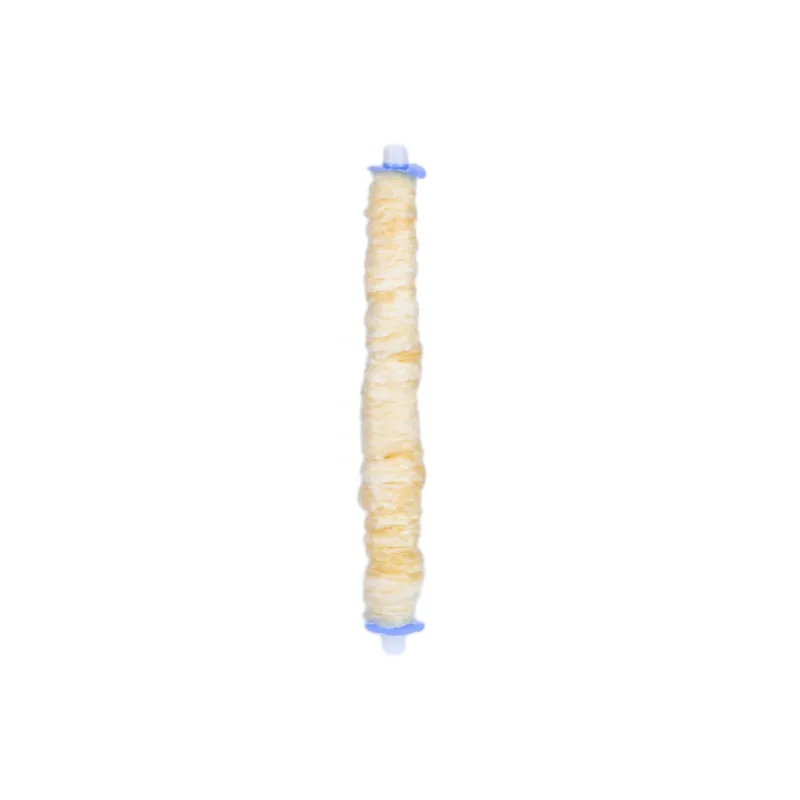
Table of Contents
- How To Use Dry Sausage Casing Overview
- Benefits & Use Cases of How To Use Dry Sausage Casing in Edible casing
- Cost, Maintenance & User Experience
- Sustainability & Market Trends in food industry
- Conclusion on How To Use Dry Sausage Casing from RUNTAI (HEBEI)CASING CO.,LTD.
How To Use Dry Sausage Casing Overview
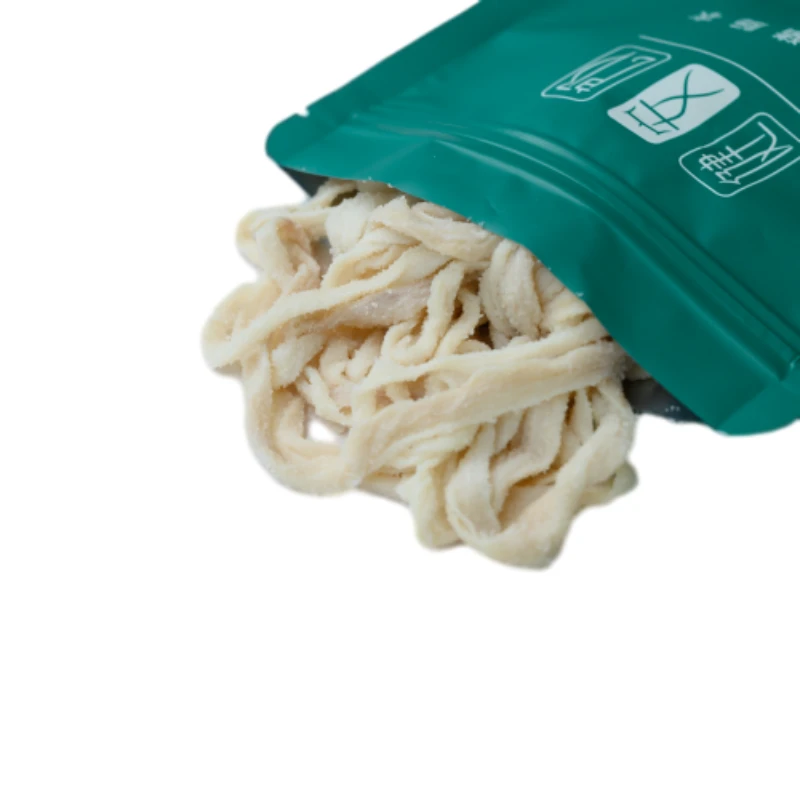
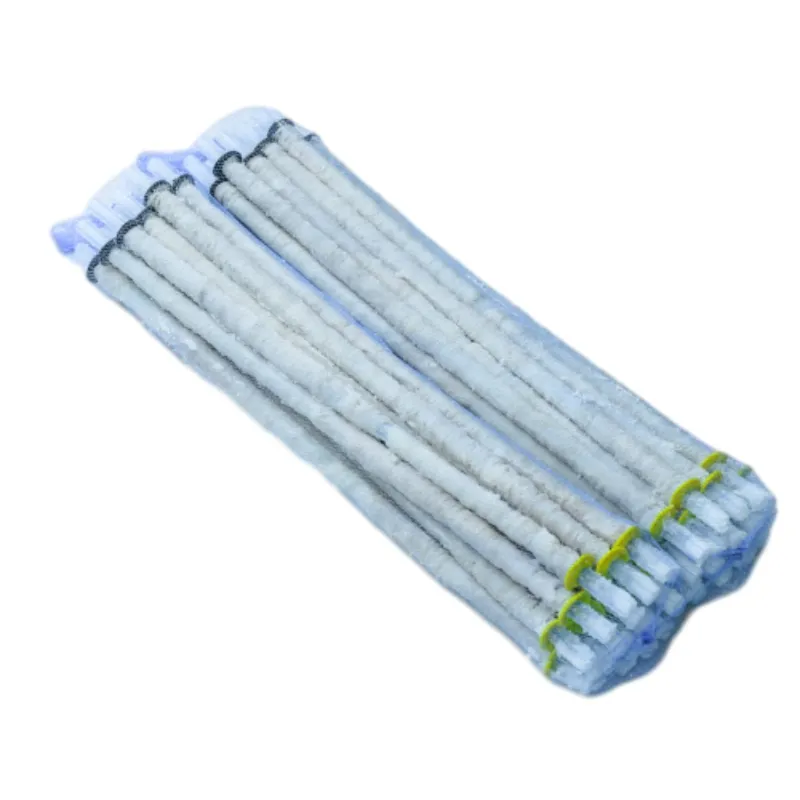
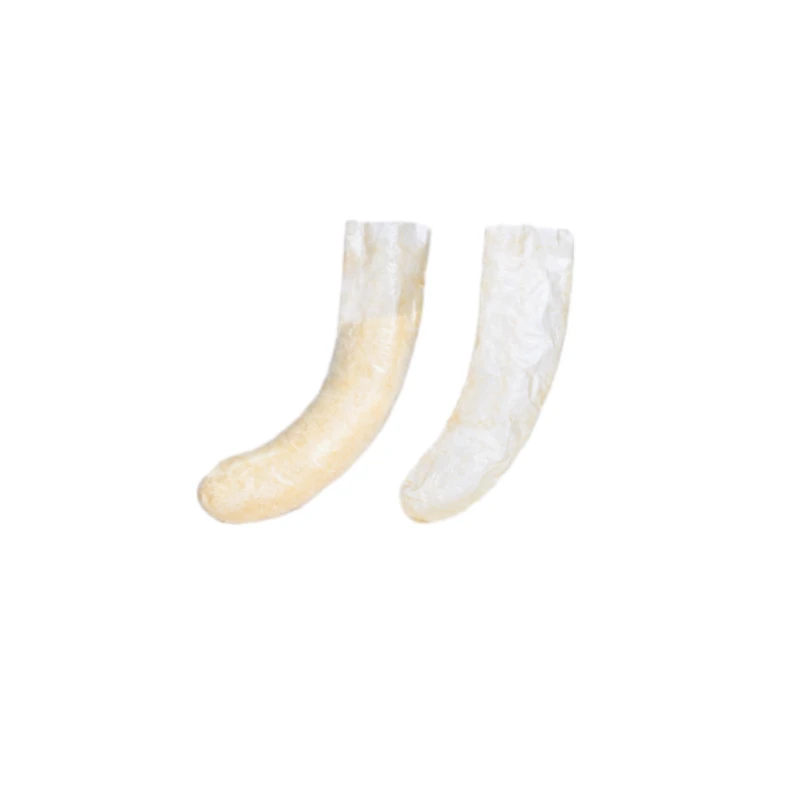
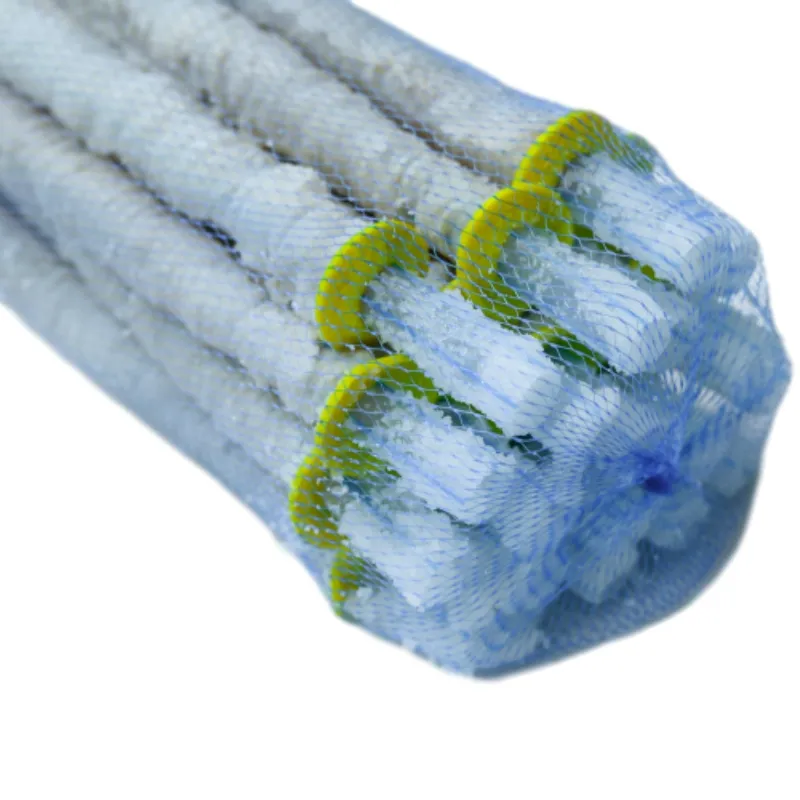
Dry sausage casings—often called dried hog casing or dried sausage casings—are natural hog intestines that have been cleaned, graded, and dehydrated for long, stable storage and efficient rehydration before stuffing. For B2B processors, they combine the artisanal bite of natural casing with industrial throughput. Typical calibers include 28/30, 30/32, 32/34, and 34/36 mm, supplied in hanks or pre-tubed options to fit automated or semi-automatic lines. Drying reduces freight weight, simplifies warehousing, and extends shelf life versus wet salted alternatives.
- Technical setup: Store sealed in a cool, dry place; rehydrate 20–40 minutes in potable lukewarm water (optionally with a splash of vinegar for elasticity), then flush with clean water to remove any salt before loading onto horn.
- Process fit: Optimized for fresh, smoked, and fermented-dried products (e.g., bratwurst, pepperoni, salami, kabanos), offering a traditional snap and uniform drying behavior.
- RUNTAI (HEBEI)CASING CO.,LTD. manufactures consistent, food-grade dried hog casings with tight caliber tolerances and robust cleaning standards, supporting global meat processors with reliable supply and technical guidance. Explore details at the official product page: dried hog casing.
Benefits & Use Cases of How To Use Dry Sausage Casing in Edible casing
Knowing how to use dry sausage casing correctly elevates product quality and line efficiency. After soaking, pre-flush each strand, load onto the stuffing horn, maintain even fill pressure, and link at consistent intervals. For fermented-dried SKUs, respect target pH, humidity, and airflow to ensure controlled moisture loss without casing separation. The result is a clean, traditional appearance and a satisfying bite consumers expect from natural casings.
- Applications: Fresh sausages, smoked links, pepperoni, chorizo, and dry-cured salami. Dried hog casings support uniform fermentation and drying, minimising cupping and wrinkles.
- Advantages: Natural snap and permeability, low burst rates when properly rehydrated, excellent smoke uptake, and appealing hand-made look with industrial consistency. Pre-tubed dried sausage casings further reduce changeover times.
- RUNTAI (HEBEI)CASING CO.,LTD. provides calibrated selections and technical support—covering soak times, water temperature, and stuffing pressure—so B2B plants can standardize outputs across shifts and sites.
Cost, Maintenance & User Experience
Total cost of ownership for dried sausage casing spans purchase price, freight, storage, preparation labor, and line efficiency. Compared with wet salted casings, dried hog casings can lower logistics costs due to reduced weight and easier ambient storage. Proper use—correct soak, flush, and consistent stuffing—reduces blowouts and rework, improving yield and ROI. Many processors report smoother linking, fewer emergency stops, and tighter weight control once SOPs are standardized.
- Durability and shelf life: Sealed dried sausage casings maintain integrity for extended periods, supporting buffer stock strategies and seasonal demand spikes.
- User feedback: Plant teams value consistent caliber, clean strands with minimal defects, and the option of pre-tubed formats to cut changeover times. RUNTAI (HEBEI)CASING CO.,LTD. backs adoption with training tips and QC documentation, enabling faster ramp-up and predictable output KPIs.
Sustainability & Market Trends in food industry
Natural dried hog casings align with circularity in the protein supply chain—upcycling a by-product into a high-value edible casing with minimal synthetic inputs. They are biodegradable and support clean-label positioning, a growing preference in retail and foodservice. Across major markets, regulators emphasize traceability and hygienic processing; documented sourcing and robust sanitation protocols are now baseline expectations for B2B buyers.
- RUNTAI (HEBEI)CASING CO.,LTD. emphasizes responsible procurement, careful water use in cleaning, and optimized packaging to reduce transport footprint. Consistency in grading helps processors hit spec with less waste.
- Market trend: Premiumization and authenticity are driving renewed demand for natural casings. Knowing how to use dry sausage casing efficiently lets brands tell a quality story while keeping costs controlled and sustainability goals in sight.
Conclusion on How To Use Dry Sausage Casing from RUNTAI (HEBEI)CASING CO.,LTD.
Mastering How To Use Dry Sausage Casing delivers tangible benefits—clean presentation, reliable snap, better smoke uptake, and stable yields across fresh, smoked, and fermented-dried categories. As a trusted partner to professional processors, RUNTAI (HEBEI)CASING CO.,LTD. supplies calibrated dried hog casings and practical guidance to streamline operations and safeguard quality. Ready to optimize your edible casing program? Contact us: email: runtaicasings@163.com — Visit our website: https://www.rtcasing.com.