Jan . 07, 2026 04:50
Sausage Tubes for Sale: What You Need to Know from Industry Experience
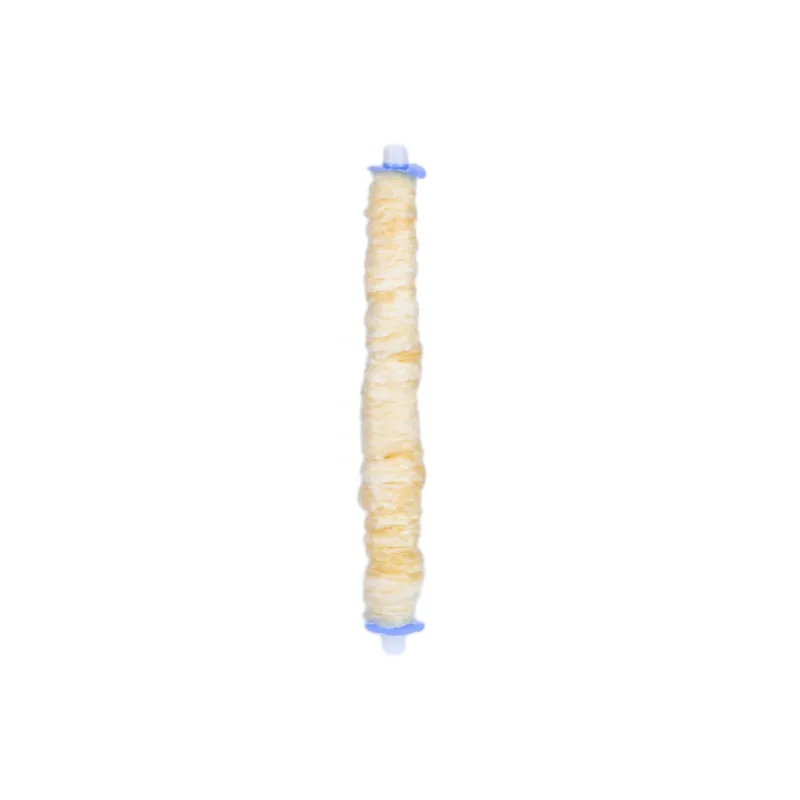
Having worked in the industrial equipment sector for more than a decade, I can tell you there's something oddly satisfying about the humble sausage tube. It’s not just a plastic or collagen casing—it’s the unsung hero behind so many quality cured meats we enjoy, and frankly, finding reliable sausage tubes for sale is a task that benefits from a bit of insider knowledge.
Let me just say, sausage casings seem straightforward, but there's quite a bit of science and craftsmanship involved, especially the synthetic tubes. They have to be strong yet flexible, food-safe, and compatible with various filling equipment. Over the years, I've noticed many meat producers asking the same questions: What material lasts longest? How easy is it to clean? Does it influence the final product taste or texture? More on that in a moment.
Materials and Design
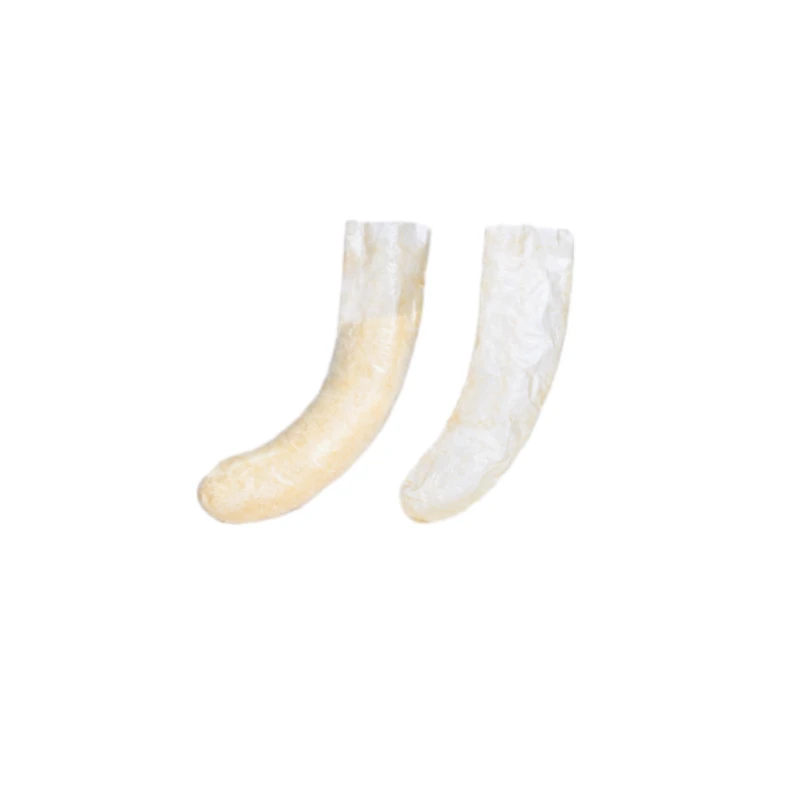
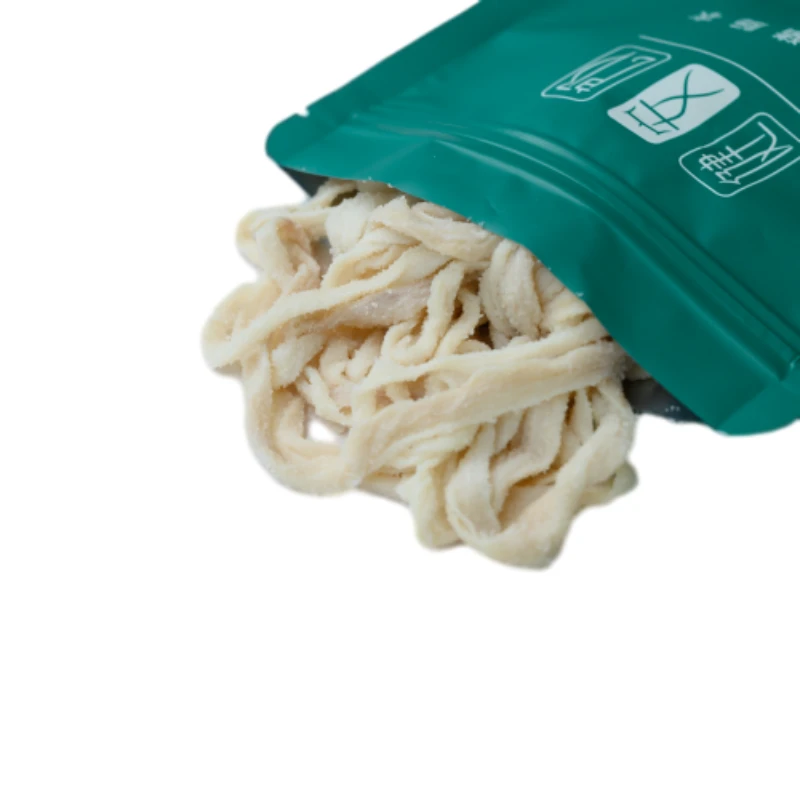
In real terms, sausage tubes come in a few varieties: collagen, cellulose, and plastic (often fibrous or thermoplastic). Collagen is natural and popular for fresh sausages; it shrinks nicely when cooked, giving that coveted snap. Plastic tubes, on the other hand, are more common for cooked or processed sausages and can handle higher temperatures without breaking down.
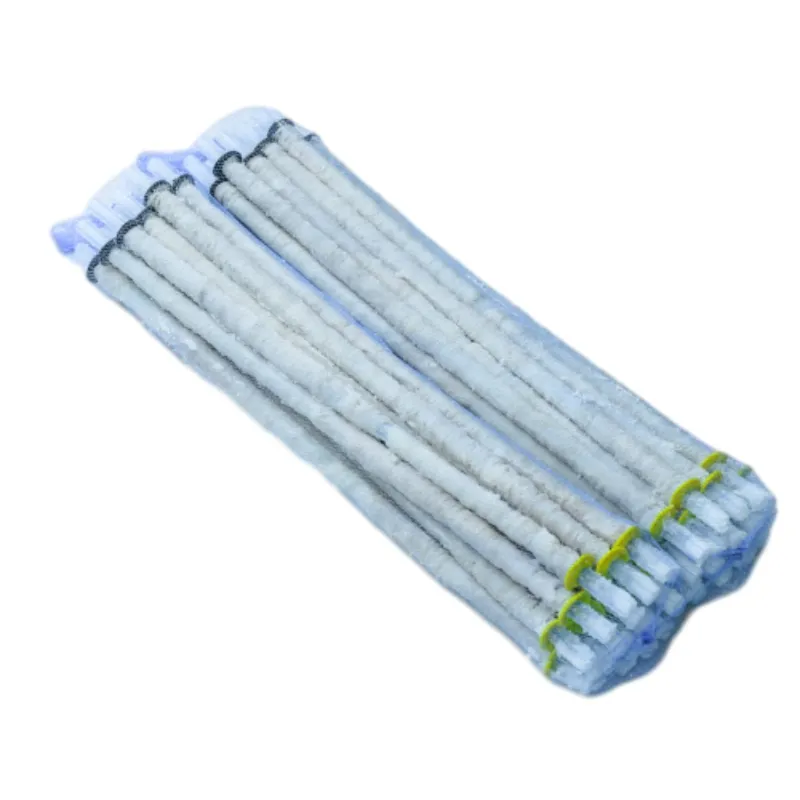
Oddly enough, many manufacturers opt for synthetic sausage tubes when aiming for uniform shapes and extended shelf life. They're particularly prized in large-scale production since they resist bursting and maintain shape during steaming or smoking.
Product Specifications at a Glance
| Specification | Details |
|---|---|
| Material | Collagen, Cellulose, Fibrous Plastic |
| Diameter Range | 15mm to 100mm (varies by product) |
| Length per Roll | 20m to 100m |
| Temperature Resistance | Up to 100°C for collagen, 120°C+ for plastic tubes |
| Food Safety Certification | FDA & EU approved |
One thing I've learned is that testing is key before committing to large orders. Many industries run their tubes through machinery to check for tearing, sticking, or uneven filling. Sometimes, especially during colder seasons, tubes behave differently because materials contract or stiffen slightly. A small thing but it can create headaches.
Comparing Leading Sausage Tube Vendors
| Vendor | Materials Offered | Customization | Typical Lead Time | Price Range |
|---|---|---|---|---|
| RTCasing | Collagen, Fibrous Plastic | Diameter, Length, Branding | 2-3 weeks | Mid-range |
| Natural Casings Co. | Mainly Collagen | Limited | 1-2 weeks | Low to mid |
| ProFood Tubing | Cellulose, Plastic | Wide range | 3-4 weeks | Premium |
Talking about vendors, RTCasing comes up frequently as a reliable supplier. I’ve worked with their team on customization projects, and I appreciated their flexibility with sizes and printing options. We once partnered on a project where the casing had to withstand longer cooking times without compromising integrity. Their fibrous plastic tubes nailed it, honestly.
For smaller-scale producers, it’s often tempting to cut corners, but the casing quality is directly tied to the product success. A leak or rupture means waste, downtime for cleanup, and unhappy customers. Over my years, manufacturers who invested in good casings—ones that fit their specific recipes and machines—ended up saving money in the long run. It’s food for thought.
In the end, sourcing good sausage tubes is part art, part science, and part relationship. You want a vendor who knows the industry’s quirks and can handle your custom needs. It feels like I never stop learning about casings, which makes this job continuously interesting.
So, if you’re scouting for sausage tubes, consider not just the price tag but the specs, certifications, and support. There’s a lot riding on that thin, flexible tube — and sometimes, the little things do make a big difference.
References:
- Industry Meat Science Journal, 2022 – The Role of Sausage Casings
- FDA Food Contact Materials Guidance, 2023
- RTCasing Product Catalog & Technical Data Sheets