Dec . 05, 2025 15:22
Understanding Hog Casings for Sausage: Why They Matter Worldwide
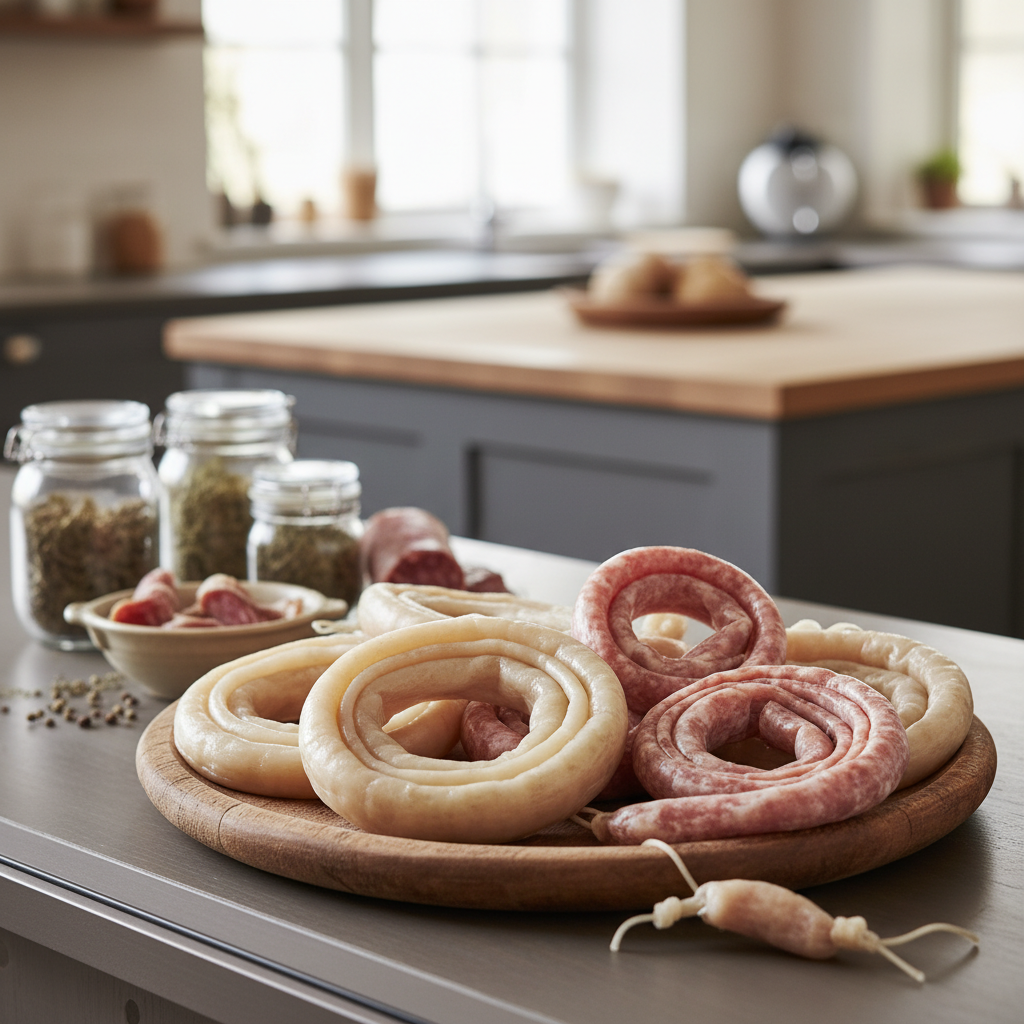
When you think about your favorite sausage, you might not immediately consider the casing holding it all together. But hog casings for sausage are a fascinating, essential ingredient in the world's culinary and food production tapestry. These natural casings, derived from pig intestines, are prized for their unique texture, durability, and edibility, making them a top choice for sausage makers globally.
Globally, the demand for high-quality sausage products is soaring, fueled by both traditional recipes and modern food trends. At the same time, understanding the sourcing and usage of hog casings ties directly into sustainability, food safety, and even humanitarian aid. Yes, those humble casings can impact global food security and cultural heritage preservation in ways many might not expect.
Mini takeaway: Hog casings are not just sausage packaging—they're a globally relevant food art form and an important piece of the food industry's supply chain puzzle.
Why Hog Casings for Sausage Are a Global Staple
According to the Food and Agriculture Organization of the United Nations (FAO), pork production ranks as the third most-produced meat worldwide, making pig-derived products an essential economic and cultural commodity. In that mix, hog casings serve as a natural, biodegradable alternative to synthetic sausage casings that many consumers prefer for their authentic taste and texture.
However, challenges persist. The sourcing of natural hog casings must navigate food safety regulations, supply chain consistency, and quality assurance — not to mention consumer concerns about allergens and animal welfare. In many regions, especially in Europe and Asia, these casings represent both tradition and innovation. For example, in Germany and Italy, artisanal sausages still demand the time-honored use of natural hog casings for quality control.
And frankly, as sausage demand expands in developing markets, ensuring dependable hog casing supplies will remain essential.
What Exactly Are Hog Casings for Sausage?
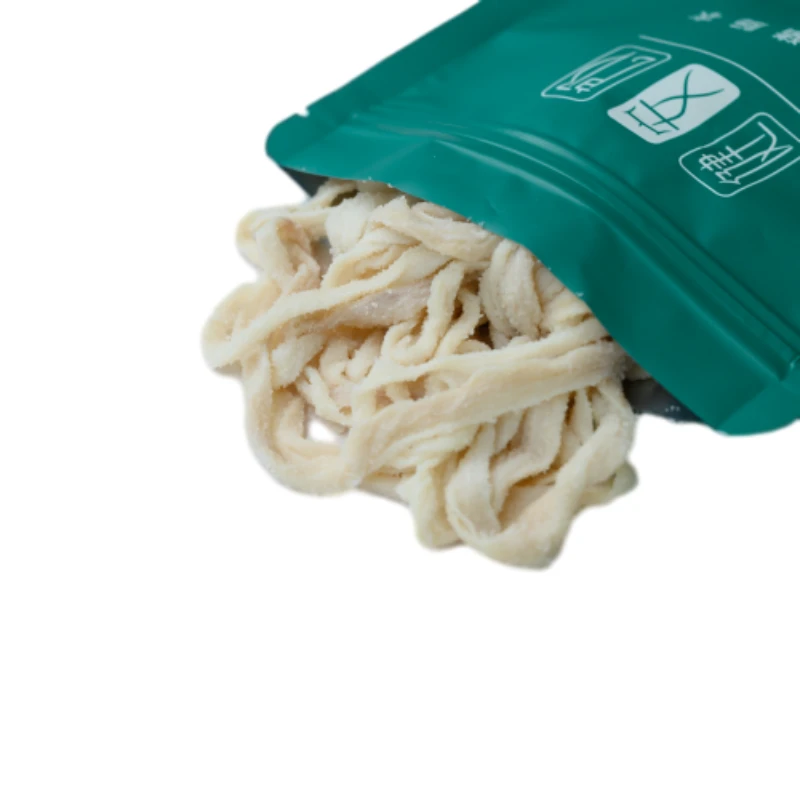
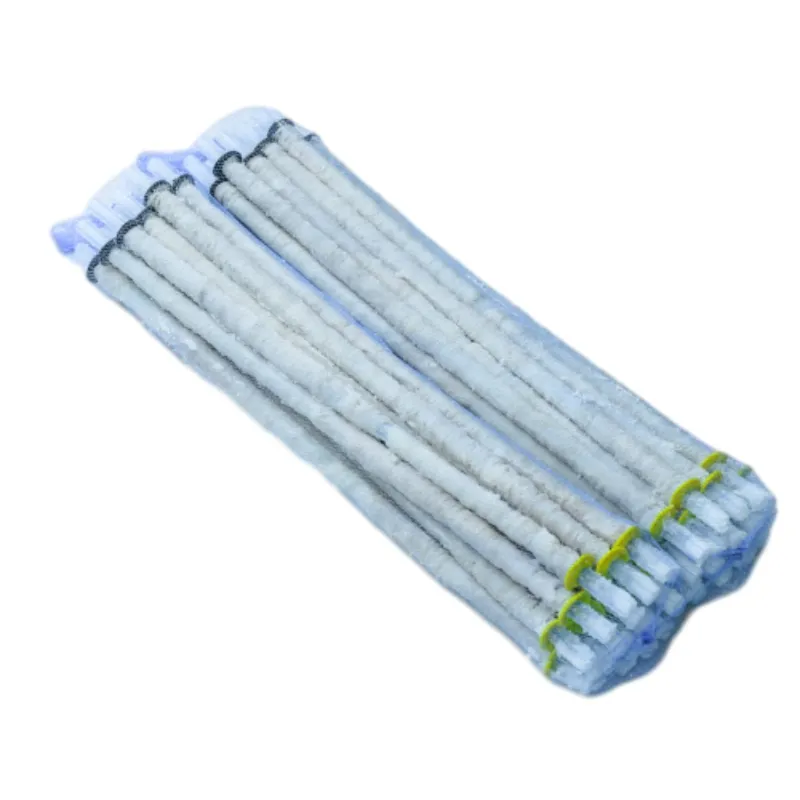
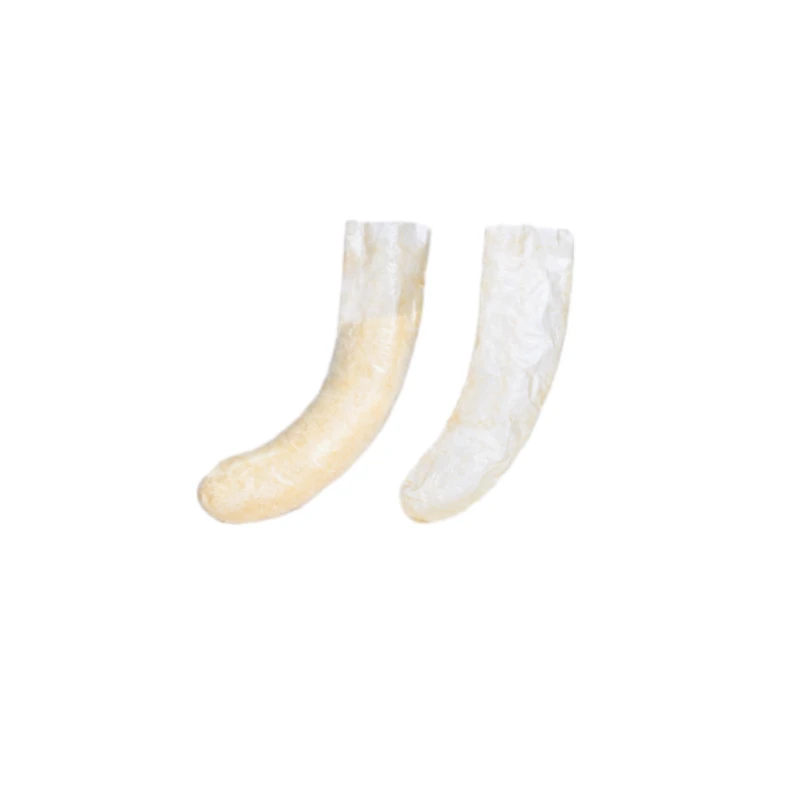
Simply put, hog casings for sausage are the cleaned and processed intestines of pigs used as containers for ground meat mixtures during sausage making. Unlike synthetic alternatives made of collagen or cellulose, these casings are edible and provide the burst and mouthfeel many consumers love.
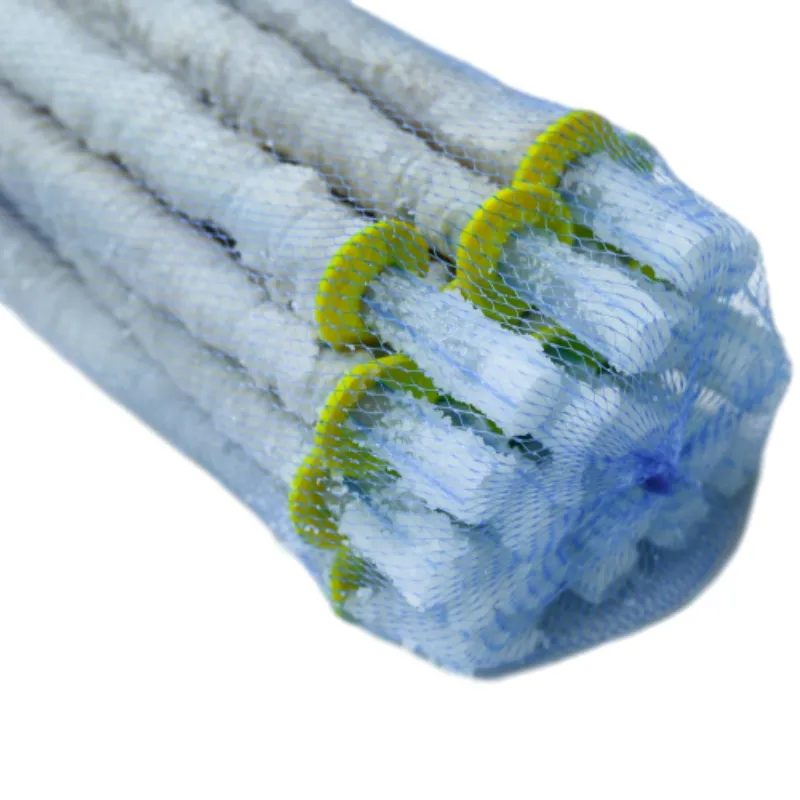
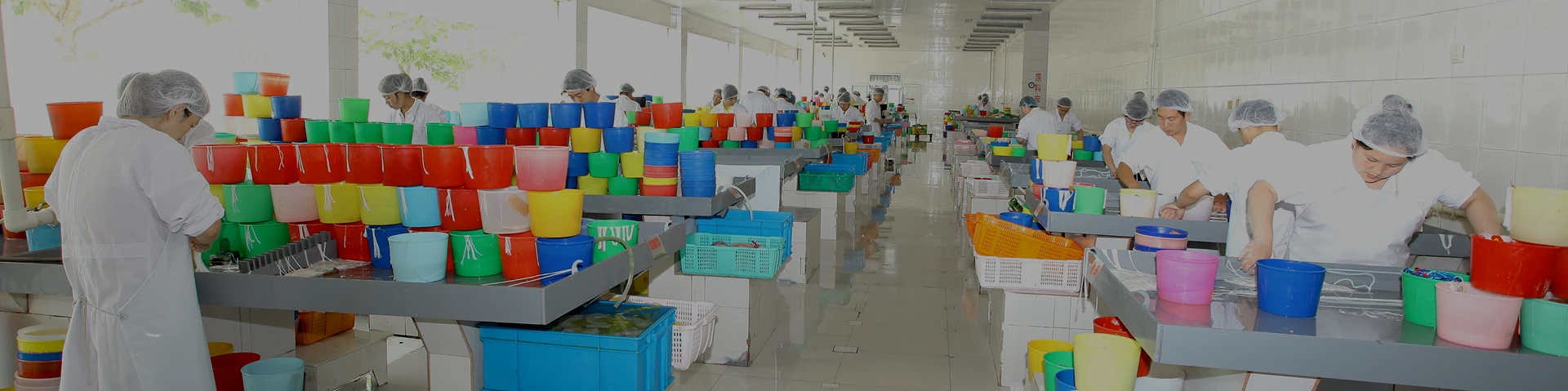
Their production involves careful cleaning, sorting, and preservation — often salt curing or refrigeration — to maintain both safety and integrity. This natural material has a porous texture, which allows smoke and flavor penetration during cooking, contributing to the final product’s taste profile.
Think of it this way:
- Natural casing = tradition + texture + flavor
- Synthetic casing = convenience + uniformity
The choice between them often depends on the sausage’s target market, cost considerations, and production scale.
Key Factors Influencing Hog Casings for Sausage Selection
Durability and Strength
Hog casings must withstand stuffing pressure and mechanical processing without tearing. Many producers note that proper treatment of casings optimizes elasticity to handle automated sausage machines.
Scalability and Availability
Demand spikes during holiday seasons or regional festivals require manufacturers to have stable sources of hog casings. Since these are natural products, supply can be impacted by pig farming cycles and processing capacities.
Cost Efficiency
While hog casings generally cost more than synthetics, their consumer appeal can justify the price premium. Bulk procurement agreements or partnerships with hog processing companies often provide better pricing.
Food Safety and Hygiene
Safety regulations (like ISO 22000) require meticulous cleaning and traceability in natural casing production. Many manufacturers conduct bacterial testing and ensure the casings meet strict quality certifications.
Flavor and Culinary Characteristics
Natural hog casings allow smoke and spices to penetrate effectively during cooking, enhancing the sausage’s overall flavor. This is a major reason artisanal producers insist on natural casings over synthetic ones.
| Property | Value/Range | Notes |
|---|---|---|
| Diameter | 28-32 mm | Suitable for bratwursts, breakfast links |
| Thickness | ~80-120 μm | Affects burst strength and cooking |
| Packing | Salted, refrigerated | Shelf life varies by storage conditions |
| Shelf Life | Up to 1 year (vacuum packed) | Proper storage essential |
| Material Origin | Porcine intestine | Premium grade from healthy livestock |
Mini takeaway: The unique qualities of hog casings blend tradition and tech efficiently. Not always cheap, but often worth the tradeoff.
How Hog Casings for Sausage Serve Global Needs
From Germany’s famed Weißwurst to Korean street food’s spicy sundae, hog casings enable diverse sausage products worldwide. Beyond gastronomy, these casings play vital roles in humanitarian food aid programs. For instance, emergency rations deployed by the World Food Programme often include pre-packaged sausages, where natural casings aid in preservation and ease of transport.
In remote industrial zones or Arctic communities, fresh meat is a luxury. The shelf stability offered by natural casing sausages helps provide balanced nutrition. Interestingly, some NGOs have begun partnering with local farmers to source hog casings, promoting small-scale economies while maintaining food safety standards.
Choosing the Right Supplier: How to Find Quality Hog Casings
Since hog casings vary in quality and processing, choosing the right vendor can feel like an art and a science. Here’s a quick pro’s and con’s chart for typical suppliers in the industry:
| Vendor Type | Pros | Cons |
|---|---|---|
| Local Slaughterhouses | Fresh supply, lower cost, less shipping | Variable quality, limited testing certifications |
| Dedicated Casing Processors | Strict quality controls, consistent grades | Higher cost, longer lead times |
| Importers & Distributors | Variety, bulk purchase options | Shipping delays, less freshness |
Advantages and Lasting Values of Using Hog Casings for Sausage
Logistics aside, the intrinsic benefits of hog casings for sausage are numerous. Beyond their culinary superiority, they support sustainability through biodegradability and often better animal welfare tracking than synthetics.
There’s also something emotionally satisfying about biting into a traditional sausage encased in a natural casing — it connects the eater to food history, artisan craftsmanship, and even trustworthiness in the food source. In a world of processed food, hog casings remind us of honest, tangible, and even comforting textures.
Emerging Trends & Innovations in Hog Casings for Sausage
Innovation hasn’t skipped this age-old product. Digital traceability systems allow producers to provide end consumers with origin and processing data, answering rising “know your food” demands. Automated cleaning and cutting technologies are improving consistency.
Moreover, some startups are exploring sustainability improvements — reducing water usage in casing preparation or developing hybrid casings with plant fibers to reduce environmental footprints without sacrificing taste.
Addressing Common Challenges
There are hurdles, obviously. The variability of natural products means supply chain unpredictability, and the need for strict hygiene is non-negotiable. Some manufacturers are experimenting with advanced bacterial sanitization and modified atmosphere packaging to extend shelf life without sacrificing quality.
Cultivating stronger relationships with pig farmers and investing in training improves casing consistency and can reduce waste dramatically.
FAQ: Your Practical Questions on Hog Casings for Sausage
- Q: Are hog casings for sausage safe to eat?
A: Yes, natural hog casings are edible and safe when properly cleaned and processed under food-grade standards. Always purchase from reputable suppliers meeting safety certifications. - Q: How long do natural hog casings last?
A: When salted and refrigerated, hog casings can last up to a year. For best results, keep them in vacuum-sealed packaging and follow your supplier’s storage recommendations. - Q: Can I use hog casings for different sausage types?
A: Absolutely. Hog casings are versatile and widely used for various fresh and smoked sausages, especially those requiring a thinner, tender bite. - Q: What’s the difference between hog casings and synthetic ones?
A: Natural hog casings provide authentic taste, texture, and smoke absorption. Synthetics are uniform and cheaper but lack the culinary qualities prized in traditional recipes. - Q: How do I order quality hog casings internationally?
A: Use trusted importers or direct partnerships with casing processors. Ensure clear communication about quality specs, certifications, and delivery timelines.
A Final Word: Why Invest in Quality Hog Casings for Sausage?
If you’re in the business or just a passionate food lover, hog casings for sausage represent more than packaging—they’re part of an ancient craft that balances tradition with modern food safety and sustainability practices. Choosing the right casing can mean the difference between a mediocre sausage and a celebrated delicacy that honors global culinary heritage.
Thinking about sourcing excellent casings for your next batch? Check out hog casings for sausage for trusted suppliers and expert guidance.
Mini takeaway: Embracing quality hog casings enriches your product, connects to cultural authenticity, and supports sustainable food systems globally.