Dec . 05, 2025 11:05
Understanding 20mm Sausage Casing Products: What You Need to Know
At first glance, sausage casings might seem like a small detail in the grand scheme of food production. But oddly enough, 20mm sausage casing products play a critical role in meat processing around the world. Beyond their culinary purpose, these casings impact industrial efficiency, food safety, and even global trade flows. Frankly, getting a good grasp on these products helps manufacturers, vendors, and even consumers appreciate the complexities of delivering consistent quality sausages. Whether you're a processing plant manager, a small-scale artisanal producer, or simply curious about meat technology, understanding this segment is well worth your time.
Global Context: Why Sausage Casings Matter
The global sausage market is booming — projected to reach over $30 billion in value by 2027 (Statista). A huge chunk of that hinges on the quality and availability of sausage casings, especially standardized sizes like 20mm — just the right diameter for many traditional and specialty sausage types.
Interestingly, the demand spans continents: from Europe's extensive charcuterie traditions to emerging markets in Asia where processed meats are becoming staples. However, the industry faces challenges such as inconsistent casing quality, supply chain disruptions, and sustainability concerns. This is where dependable 20mm sausage casing products step in, balancing between traditional methods and innovations.
Defining 20mm Sausage Casing Products
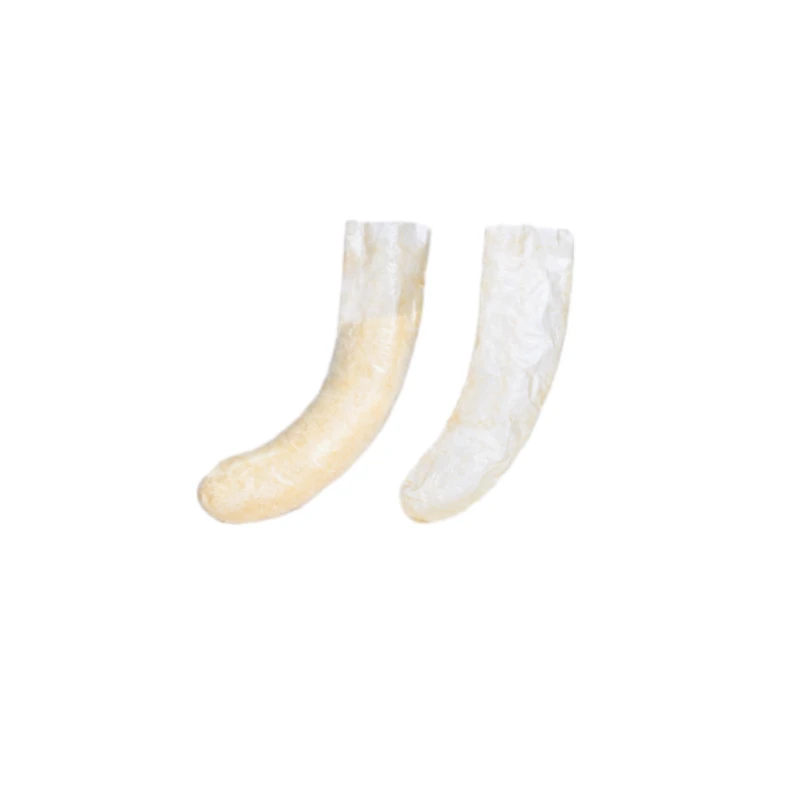
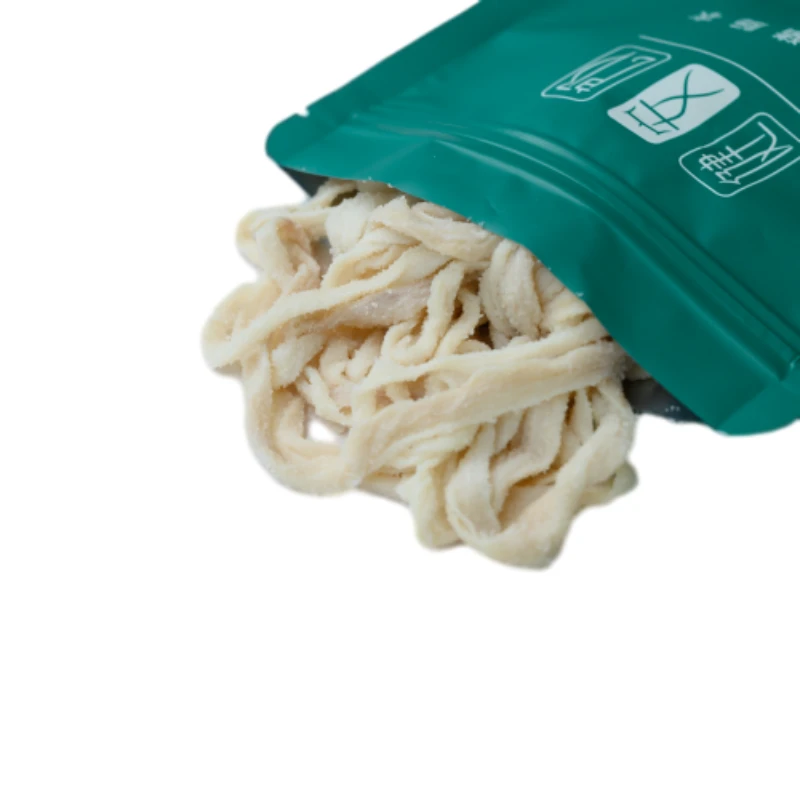
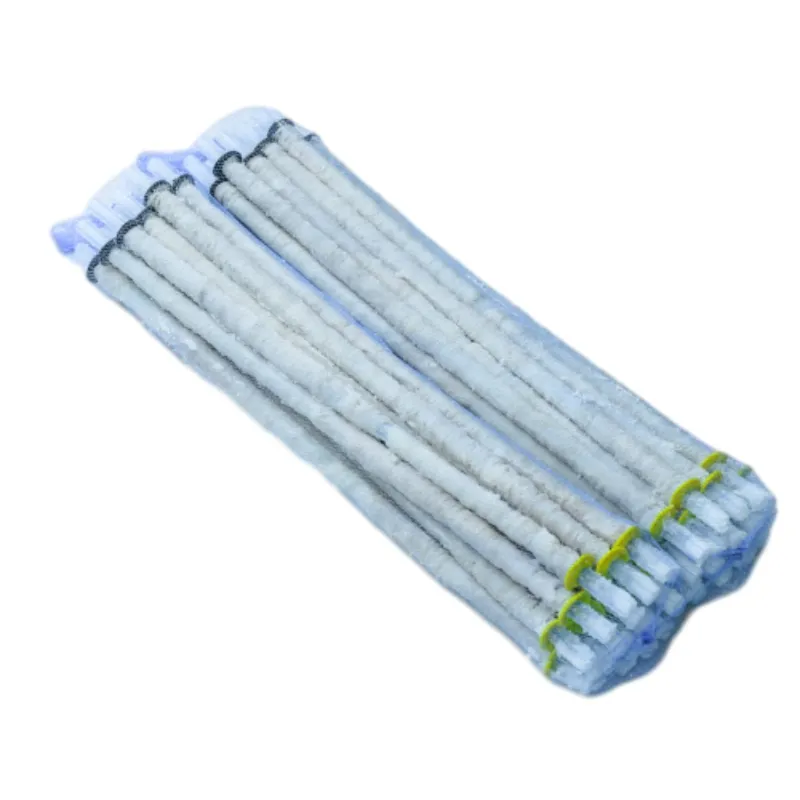
Simply put, 20mm sausage casing products refer to the tubular materials used to encase ground meat mixtures into sausages with an approximate diameter of 20 millimeters. These can be natural casings, made from cleaned and processed animal intestines, or synthetic varieties using collagen, cellulose, or plastic polymers.
The size 20mm is a common standard suited for many sausage styles including frankfurters, hot dogs, and smaller snack sausages. Their precision is important for machinery calibration and consistent cooking results. Additionally, reliable sausage casings uphold structural integrity, influence texture, and affect shelf life—making them essential in production and humanitarian food distribution.
Core Aspects of 20mm Sausage Casing Products
1. Material Type and Quality
Natural casings usually offer superior bite and flavor absorption but vary between batches. Synthetic options—particularly collagen casings—provide uniformity and flexibility for automation. Quality is paramount as poor casings can cause breakage or spoilage.
2. Durability and Elasticity
Casings must stretch to accommodate filling without rupturing. The 20mm size demands a fine balance between strength and pliability, especially during smoking or cooking.
3. Food Safety Compliance
It’s critical that casings meet international hygiene and safety standards (such as ISO 22000 and FDA regulations). This includes being free of contaminants and suitable for varied storage conditions.
4. Cost Efficiency
Producers weigh price against consistency. While natural casings tend to be pricier, they can justify the cost in premium markets. Synthetic casings often offer savings and batch-to-batch reliability.
5. Compatibility with Processing Equipment
Many modern processing lines require casings that can withstand automated stuffing machines without jamming or tearing, particularly at the 20mm diameter mark.
Product Specification Table: Typical 20mm Sausage Casing Products
| Property | Natural Casings | Collagen Casings | Cellulose Casings |
|---|---|---|---|
| Material Source | Sheep or hog intestine | Processed collagen from beef or pig hides | Regenerated cellulose fibers |
| Diameter | 19-21 mm (approx.) | 20 mm exact | 20 mm exact |
| Elasticity | High | Medium | Low (usually peeled before consumption) |
| Suitability for Smoking | Excellent | Good | Not recommended |
| Shelf Life | Shorter (refrigerated/frozen) | Longer (ambient packaged) | Variable |
Global Applications & Use Cases
From the bustling butcheries of Europe to commercial meat factories in the Americas, 20mm sausage casing products are everywhere. In places with deep culinary heritage, like Germany or Italy, natural casings uphold tradition and taste. Meanwhile, large-scale manufacturers in the U.S. or China lean on synthetic casings for high-speed production.
On a humanitarian note, these casings find their way into packaged foods for disaster relief where shelf-stable, uniform sausages are distributed in camps. For example, NGOs rely on collagen casings because they enable long shelf life and ease of transport.
Interestingly, in remote industrial zones, ready-to-eat meat items using 20mm casings support workers’ nutrition with minimal refrigeration needs. This is an understated but vital application.
Vendor Comparison Table: Leading Suppliers of 20mm Sausage Casings
| Supplier | Material Type | Price Range | Quality Certifications | Global Reach |
|---|---|---|---|---|
| RtCasing | Natural & Collagen | Mid-range | ISO 22000, FDA approved | Europe, Asia, Americas |
| FiberLink Casings | Cellulose | Budget | ISO 9001 | Global |
| MeatPro Solutions | Collagen | Premium | ISO 22000, BRC | Primarily Europe, USA |
Advantages & Long-Term Value
The tangible benefits of choosing quality 20mm sausage casing products can't be overstated — they affect everything from yield to consumer trust. Cost savings arise through reduced waste (no broken casings!), smooth production runs, and less downtime.
Socially, reliable casing supplies support food security where sausages are an affordable protein source. Ethically, natural casings offer a biodegradable alternative to plastics, appealing to sustainability-conscious markets.
There's also an emotional side — a well-made sausage simply tastes better, evokes memories, and connects people across cultures. Combining all this, selecting the right casing is as much about innovation as it is about tradition.
Future Trends & Innovations
Looking ahead, sustainability is the buzzword. Manufacturers are exploring bio-based and recyclable casing materials to lower environmental footprints. Digital transformation also beckons: smart tracing, quality sensors, and automated stocking mean fewer errors.
In research labs, novel composites blend collagen with plant fibers to boost strength and eco-friendliness. Automation-friendly casing designs tailored for high-speed lines indicate the industry's commitment to efficiency.
Challenges & Expert Solutions
Despite progress, challenges persist. Natural casings remain variable in size and supply, occasionally leading to inconsistency. Synthetic options sometimes lack the bite or flavor profile customers desire.
Innovative processing techniques—such as enhanced sorting and sizing machinery—and blended casings that combine natural and synthetic elements help bridge gaps. Also, investment in supplier relationships ensures steady access to quality raw materials.
FAQ: Frequently Asked Questions About 20mm Sausage Casing Products
- Q: What are the advantages of collagen casings over natural ones?
A: Collagen casings provide uniform diameter, consistency in production, and are easier to handle on automated lines. They also typically have longer shelf life and lower cost, though some purists prefer the texture of natural casings. - Q: Can 20mm casings be used for both fresh and cooked sausages?
A: Yes, but it depends on the casing type. Natural and collagen casings adapt well to both. Cellulose casings are often peeled off after cooking. The casing choice should match your end product. - Q: How can small producers source reliable 20mm casings internationally?
A: Partnering with suppliers like RtCasing who offer global shipping and certifications ensures quality and regulatory compliance—even for small or remote businesses. - Q: Are synthetic casings eco-friendly?
A: Traditional synthetic casings are less biodegradable than natural ones, but research into bio-based materials is producing greener options. Choosing recyclable or compostable lines is becoming more common.
Conclusion: Why Invest in Quality 20mm Sausage Casing Products?
Ultimately, the story of 20mm sausage casing products reflects the meat industry's blend of art and science, tradition and technology. Investing in the right casings means better product quality, smoother operations, and more sustainable outcomes. Whether you’re crafting a family recipe or scaling a production line, these casings matter.
Ready to explore premium options that fit your needs? Visit https://www.rtcasing.com and discover how tailored 20mm sausage casing products can elevate your offerings.
Mini takeaway: The perfection of the humble sausage often starts with its casing — the 20mm diameter strikes a balance of tradition, practicality, and modern efficiency.