Dec . 02, 2025 18:50
Understanding Custom Natural Sheep Casings: More Than Just a Sausage Skin
If you’ve ever wondered what makes traditional sausages so delightfully authentic, the answer often lies in the casing — particularly, custom natural sheep casings. These skins aren’t just culinary relics but have become vital players globally, showing up beyond delicatessens and into humanitarian and industrial domains. Why does that matter? Because their unique physical properties and adaptability address challenges that synthetic alternatives can’t quite touch. Plus, understanding these casings goes beyond taste buds; it opens a window into sustainable practices and complex global supply chains.
Setting the Scene: A Global Perspective on Custom Natural Sheep Casings
The sausage industry is surprisingly vast - the World Bank reports that meat processing contributes significant economic weight worldwide, with over 350 million metric tons of meat produced annually. Within that, the demand for natural casings, especially sheep casings due to their thinness and texture, remains strong in key markets like Europe, Middle East, and Asia.
But it's not all about food. Custom natural sheep casings have shown up in unexpected contexts: their biocompatibility and durability make them useful in medical device design and even in specialized packaging. Supply chain issues with synthetic products often make these natural casings more attractive, especially as the UN pushes for sustainable, biodegradable materials in various industries.
However, sourcing these casings isn’t straightforward. Ensuring quality while maintaining ethical procurement has challenged producers and buyers alike.
What Exactly Are Custom Natural Sheep Casings?
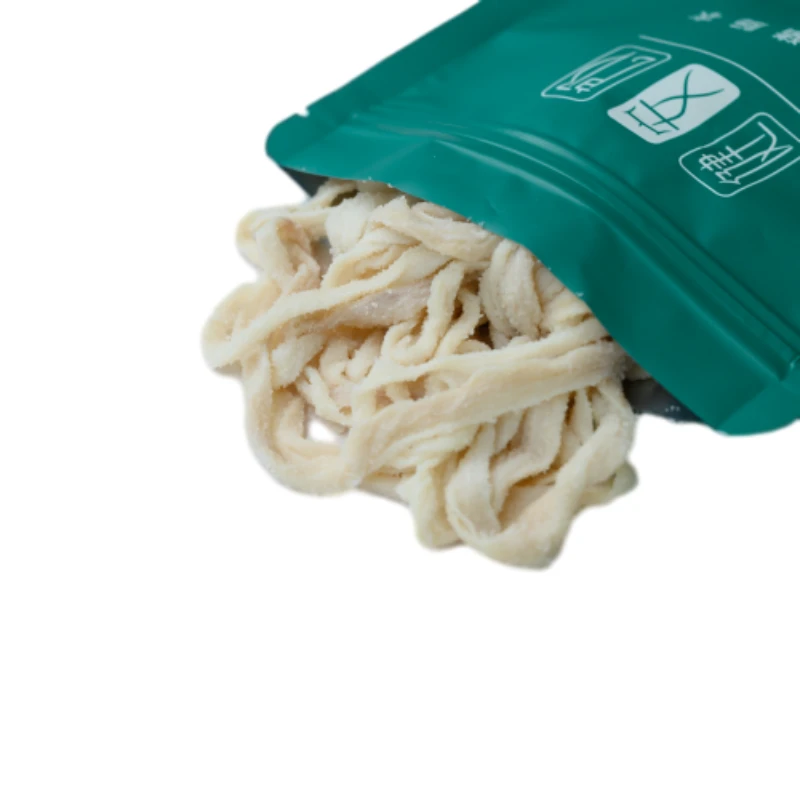
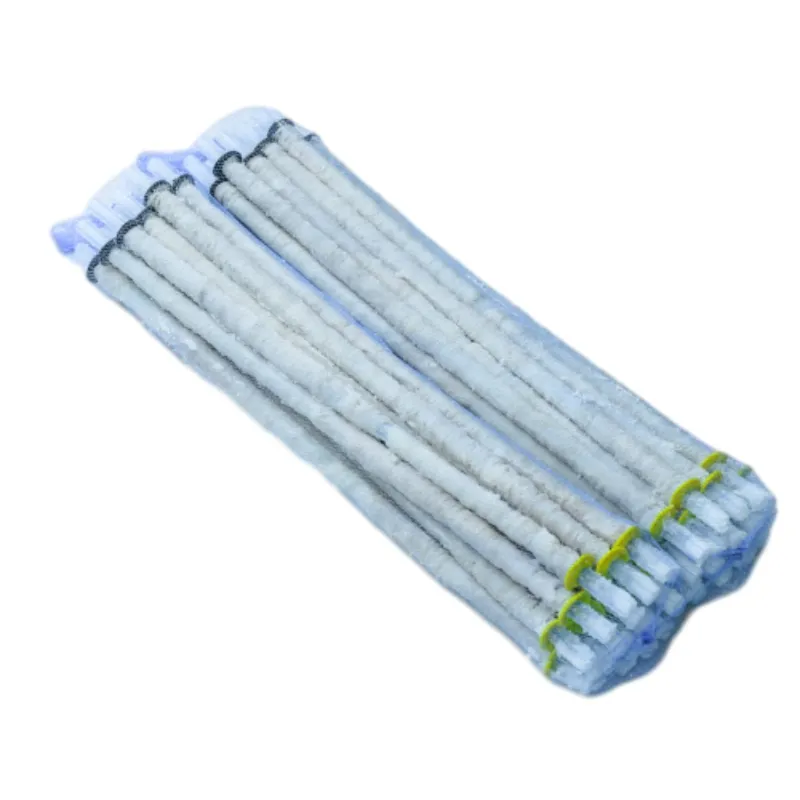
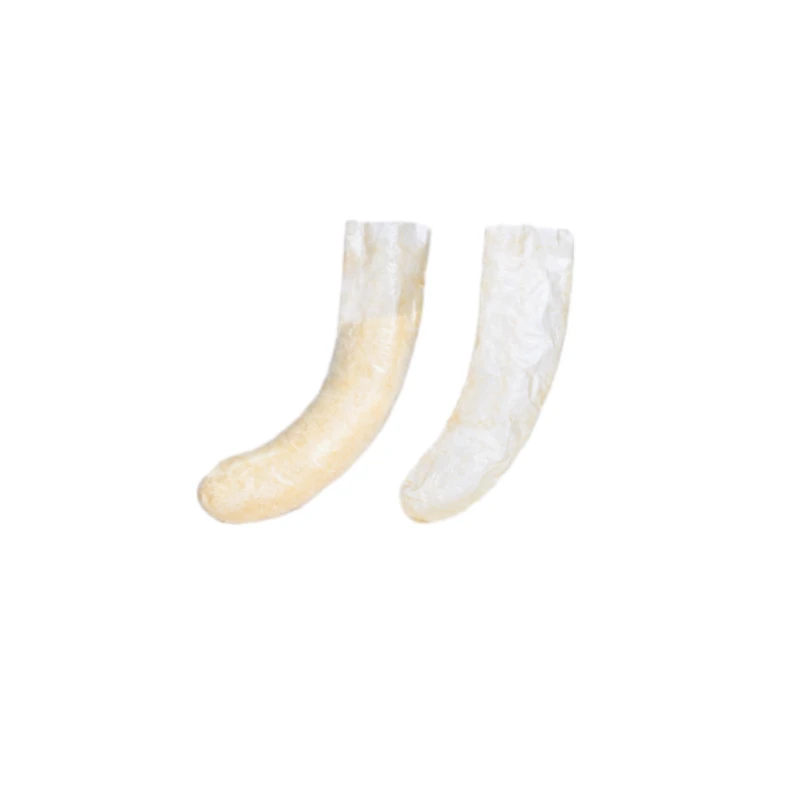
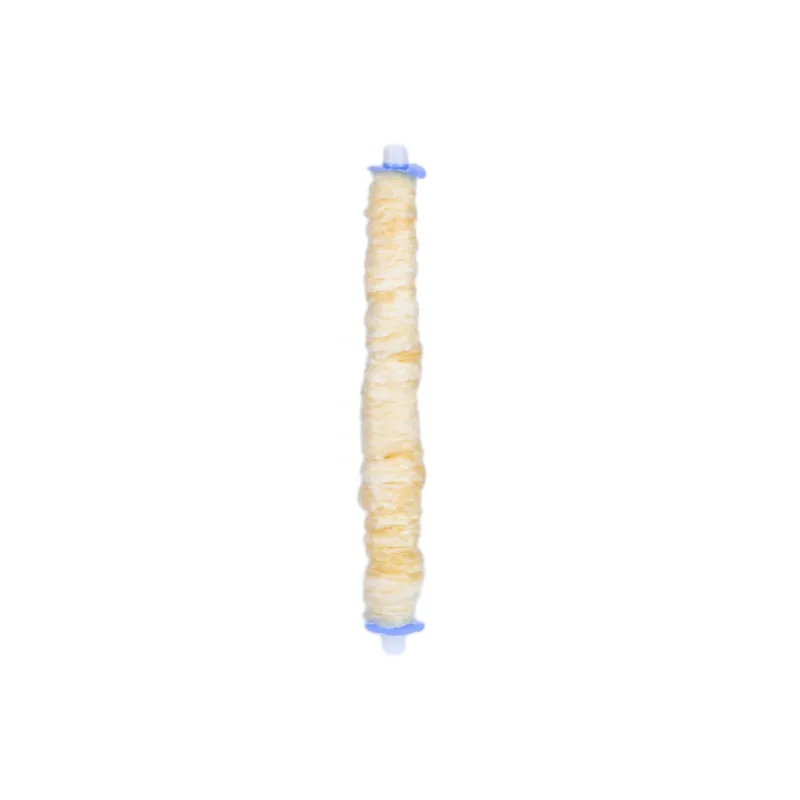
In the simplest terms, natural sheep casings are the cleaned and processed intestines of sheep, carefully prepared to serve as edible sausage skins. When they’re customized, it means they’re selected and treated to meet specific industry requirements—whether that’s diameter, length, cleanliness, or flexibility, tailored to different sausage types or even non-food uses.
Beyond the kitchen, these casings connect deeply with modern industry due to their renewable nature, garnering attention from manufacturers increasingly focused on bio-based materials that minimize environmental impact.
Key Factors: What Makes These Casings So Special?
1. Durability and Strength
Despite their delicate appearance, natural sheep casings are surprisingly strong, capable of holding contents tightly without bursting during cooking or handling. That strength underpins their continued popularity in artisan and industrial sausage production.
2. Flexibility and Texture
The elasticity of these casings allows for various shapes and sizes — from thin snack sticks to traditional breakfast sausages. Their thinness creates that subtle snap many talk about. For foodies, texture is key.
3. Customization Options
Manufacturers can request specific diameters (typically 14-24 mm for sheep casings), lengths, and treatment options. This flexibility means products can be optimized for cooking methods, regional preferences, or shelf life.
4. Sustainability and Biodegradability
Unlike synthetic casings made from plastics, natural sheep casings break down naturally, reducing landfill waste and environmental toll. This increasingly matters both to conscious consumers and regulatory bodies.
5. Food Safety Compliance
Rigorous processing ensures these casings meet global food safety standards. Certifications from ISO and compliance with USDA or EU norms help reassure buyers.
Mini Takeaway
Custom natural sheep casings offer a rare blend of strength, versatility, and sustainability that meet both culinary and industrial needs — a balance that’s increasingly rare in global manufacturing.
How Are These Casings Used Around the World?
From small village butcheries in Eastern Europe to large-scale meat processing plants in Germany, these casings power a large chunk of global sausage production. Middle Eastern countries prize their fine texture for delicacies like merguez. In Asia, they’re used in both traditional and fusion recipes.
Oddly enough, their reach isn’t just food. In humanitarian aid, reliability and biodegradability make them appealing for field surgical wraps or emergency packaging in remote areas. Some biotech startups experiment with their properties for advanced biomaterials.
| Specification | Range | Notes |
|---|---|---|
| Diameter | 14 - 24 mm | Customization available |
| Length | 10 - 30 meters | Variable per batch |
| Treatment | Salted, Dried, Frozen | Affects shelf life |
| pH Range | 5.5 - 7.0 | Food grade compliance |
| Packaging | Plastic-butyl bags & crates | Preserves moisture |
Why Choose Custom Natural Sheep Casings? Advantages That Matter
- Cost Efficiency: While sometimes pricier upfront than synthetics, their long-term value — durability and reduced waste — often trumps the cheaper alternative.
- Environmental Impact: Their biodegradability aligns perfectly with growing eco-conscious trends and regulations.
- Consumer Trust & Tradition: Many sausage lovers insist on natural casings, which enhance product authenticity and market appeal.
- Safety and Hygiene: Modern processing ensures these casings meet stringent health standards.
- Innovation Friendly: Their material properties lend themselves to experimental food products and other niche industrial uses.
Frankly, using natural sheep casings feels like blending heritage with hygiene — a genuine touch for modern production.
Future Trends: What’s Next for Natural Casings?
New techniques aim to improve casing uniformity using automated sizing and gentle mechanical processing, reducing waste and improving scalability. Digital traceability systems are emerging to assure ethical sourcing and compliance with environmental standards. At the same time, green energy-powered treatments shrink the carbon footprint of processing.
Excitingly, some firms explore hybrid casings—combining natural sheep skins with bio-based additives to enhance strength and shelf life while retaining the natural appeal. This reflects the food industry's shift towards innovation grounded in tradition.
Challenges & How Industry Innovates Solutions
Logistics are tricky: temperature control during transport and storage remains paramount to avoid spoilage. Also, fluctuations in sheep populations worldwide affect availability, driving prices up.
Producers tackle these issues via:
- Advanced freezing and packaging to extend shelf life
- Strengthening sourcing partnerships with sustainable farms
- Automated inspection systems to ensure uniformity
Despite challenges, these steps reassure buyers that the casings they get are the best possible.
| Vendor | Price Range (USD/kg) | Customization | Sustainability Initiatives | Delivery Regions |
|---|---|---|---|---|
| RTCasing Co. | 18 - 22 | Full range, tailored packaging | ISO14001 certified, eco-packaging | Global |
| NaturCasings Ltd. | 15 - 20 | Limited customization | Partial recycling program | Europe & Middle East |
| SheepSkin Pro | 20 - 25 | Highly specialized customization | Investing in renewable energy | Asia, USA |
FAQ: Common Questions About Custom Natural Sheep Casings
Q: How long can custom natural sheep casings be stored before use?
A: When properly salted and refrigerated, sheep casings can last up to 12 months. Freezing extends shelf life further but may affect flexibility slightly. Always store in airtight containers with adequate humidity.
Q: Are natural sheep casings suitable for all sausage types?
A: Mostly yes, particularly for thinner sausages such as breakfast links or merguez. For larger-diameter sausages, hog or beef casings are typically preferred. Custom sizing ensures proper fit for specific recipes.
Q: How do I import custom natural sheep casings internationally?
A: Most vendors, like RTCasing Co., provide export documentation and assist with customs. Check import regulations in your country for animal-based products and work with suppliers experienced in international shipping.
Q: Can these casings be used in non-food applications?
A: Yes. Their biodegradable and biocompatible properties make them useful in medical research and packaging industries. Custom orders for these uses are available upon consultation.
Q: What should I look for when choosing a vendor?
A: Focus on certification (ISO, HACCP), ability to customize, sustainable sourcing practices, and reliable delivery options. Reviews from industry peers help too.
In Closing, Why Custom Natural Sheep Casings Still Matter
All said and done, these casings embody a fascinating blend of tradition, technical precision, and sustainability. They play a quietly critical role in feeding millions and supporting industries that value bio-based materials. If you want a reliable, environmentally conscious casing solution, custom natural sheep casings remain the go-to choice — backed by centuries of expertise and innovation.
Why not explore what’s possible by connecting with suppliers who tailor to your needs? It’s a little step but one that carries a lot of flavor, trust, and future-ready thinking.