Dec . 03, 2025 15:26
Understanding the 19mm Sausage Casing Product
Having spent over a decade rubbing shoulders with industrial equipment—and yes, sausage casings too—I’ve come to appreciate the quirks of 19mm sausage casing products. Oddly enough, it’s not just about the diameter; there’s a whole science and a lot of tradition wrapped up in this simple-sounding tubing.
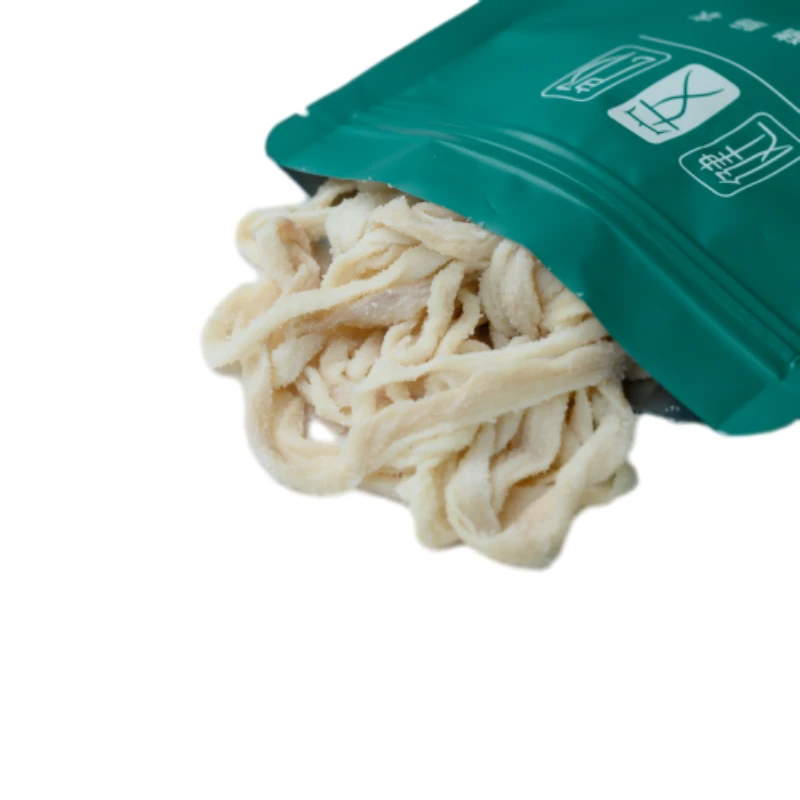
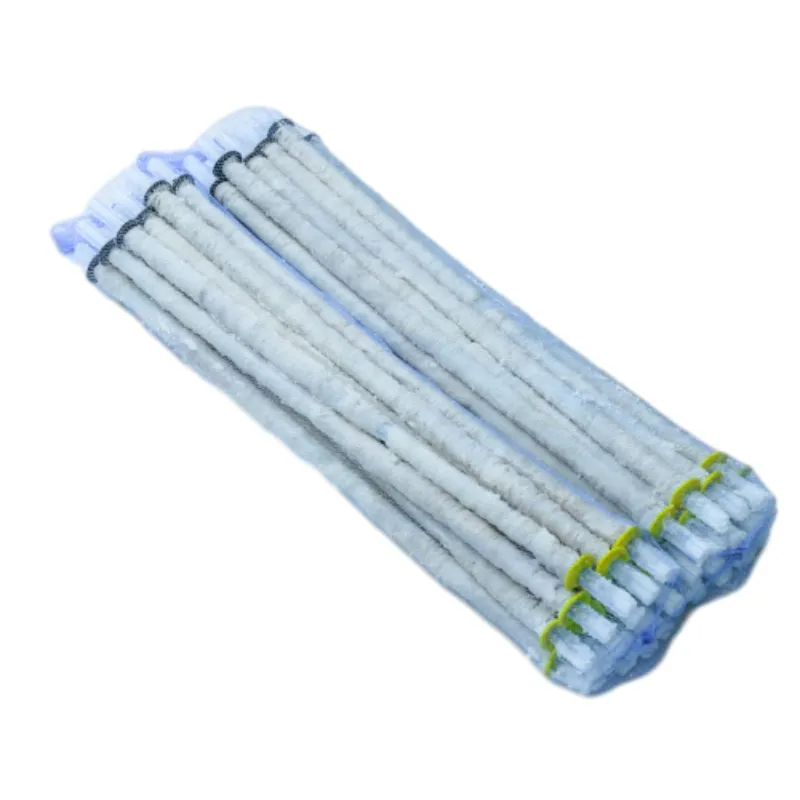
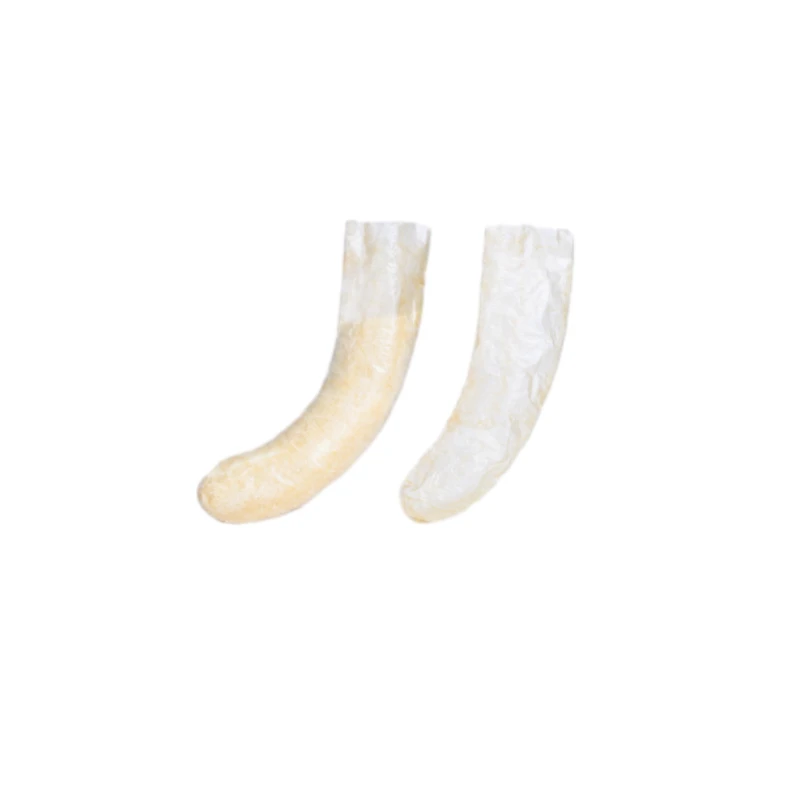
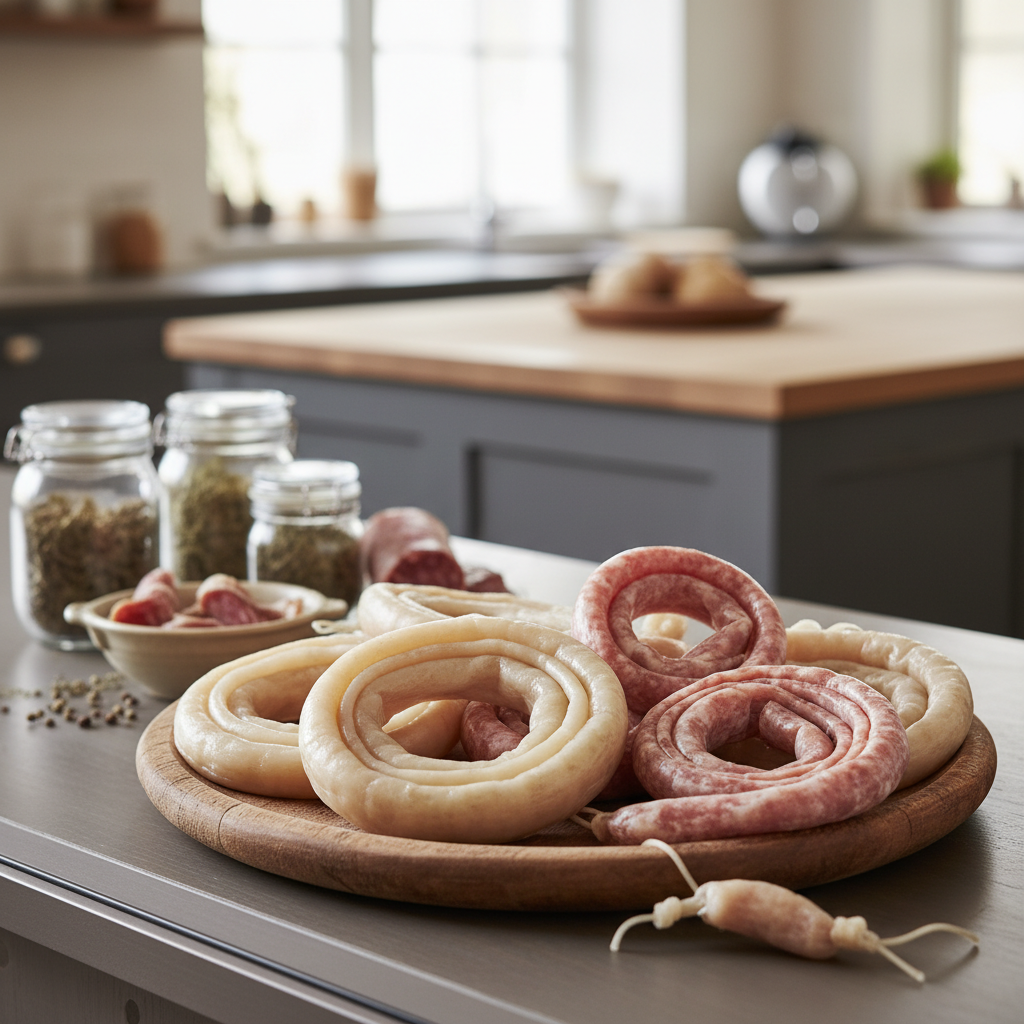
19mm sausage casing product, if you’re new here, refers to those natural or synthetic casings with a 19mm diameter commonly used for medium-sized sausages. They're a favorite among artisan producers and large-scale processors alike. But you know, the real charm lies not just in the size but in the balance between flexibility, strength, and food safety standards.
Over the years, I’ve noticed trends shifting toward better synthetic casings, especially collagen and fibrous variants, which replicate natural casings’ texture but with added durability. This isn’t just marketing talk: these casings withstand the mechanical stress of automated filling lines better and offer improved shelf life without compromising mouthfeel.
It’s kind of fascinating how much testing goes into these products—everything from tensile strength to permeability and compatibility with different meat recipes. I had a client once who switched to a 19mm sausage casing product because their usual supplier’s stuff kept breaking mid-production. That little change saved them hours of downtime each week. Small feature—big impact.
Key Product Specifications of 19mm Sausage Casings
| Feature | Specification | Notes |
|---|---|---|
| Diameter | 19mm (±0.5mm) | Ideal for medium sausages |
| Material | Collagen, Natural, or Fibrous | Depends on application needs |
| Tensile Strength | Min 320 N/cm² (Collagen) | Ensures durability during stuffing |
| Shelf Life | 12 months (refrigerated) | Varies by casing type |
| Compliance | FDA & EU food safety standards | Critical for export markets |
Comparing Leading 19mm Sausage Casing Vendors
| Vendor | Material Options | Custom Diameter Tolerances | Lead Time | Price Range |
|---|---|---|---|---|
| RTCasing | Collagen, Fibrous | ±0.3mm | 2-3 weeks | Medium |
| Premium Casings Inc. | Natural only | ±0.5mm | 4 weeks | High |
| EuroSausage Tech | Collagen, Synthetic | ±0.4mm | 3 weeks | Low-Medium |
In real terms, if you’re sizing up suppliers or casing materials, the devil’s in the details: tensile strength, diameter consistency, and regulatory compliance. And frankly, experience in the field teaches you these specs matter as much as the price tag. I wouldn’t trust just any product without trial runs and talking with other manufacturers who've been through the trenches.
One more thing I’ll say is customization. Whether it’s adjusting the wall thickness or tweaking casing length for specific sausage machines, a vendor willing to collaborate makes a difference. In my experience, 19mm sausage casing product suppliers who listen tend to save clients headaches down the road.
There’s a sort of craftsmanship behind these casings, a subtle but essential part of the sausage-making story that blends tradition with modern manufacturing. So next time you bite into a perfectly textured, medium-sized sausage, you might think about that dependable 19mm casing holding everything together.
Hope this sheds some light on what to look for—it's a small product, but it packs quite the punch in the sausage world.
Cheers to many delicious batches ahead!
References:
- Industry standards on sausage casing materials, Food Safety Journal, 2023.
- RTCasing technical datasheets and vendor feedback, internal clients, 2021–2024.
- “Modern Meat Processing,” G. Monahan, 2022 edition.