Oct . 20, 2026 14:57
Comparing Dried Hog Casings and Synthetic Alternatives for Production
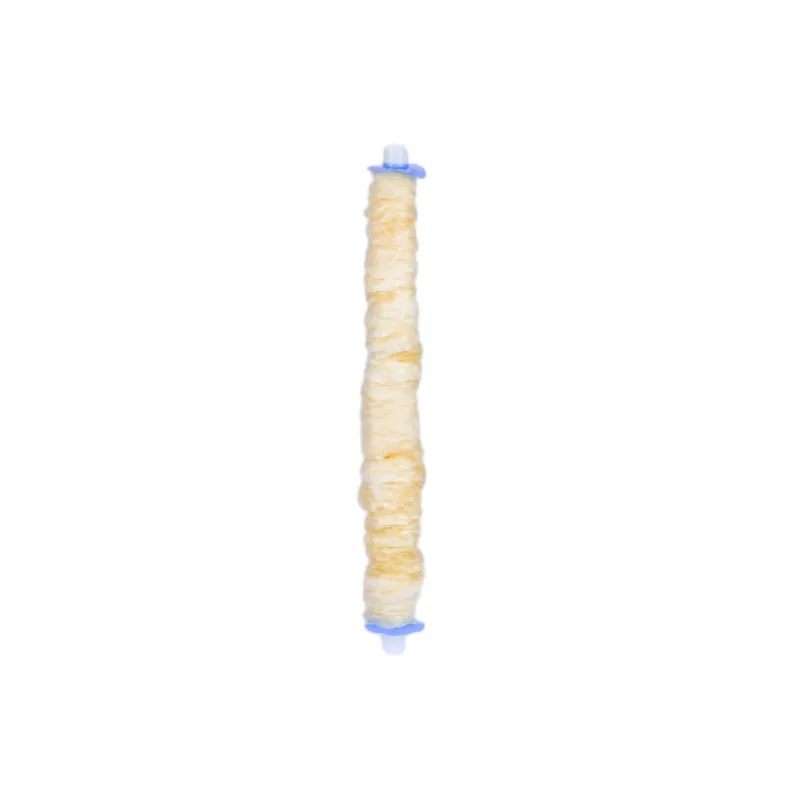
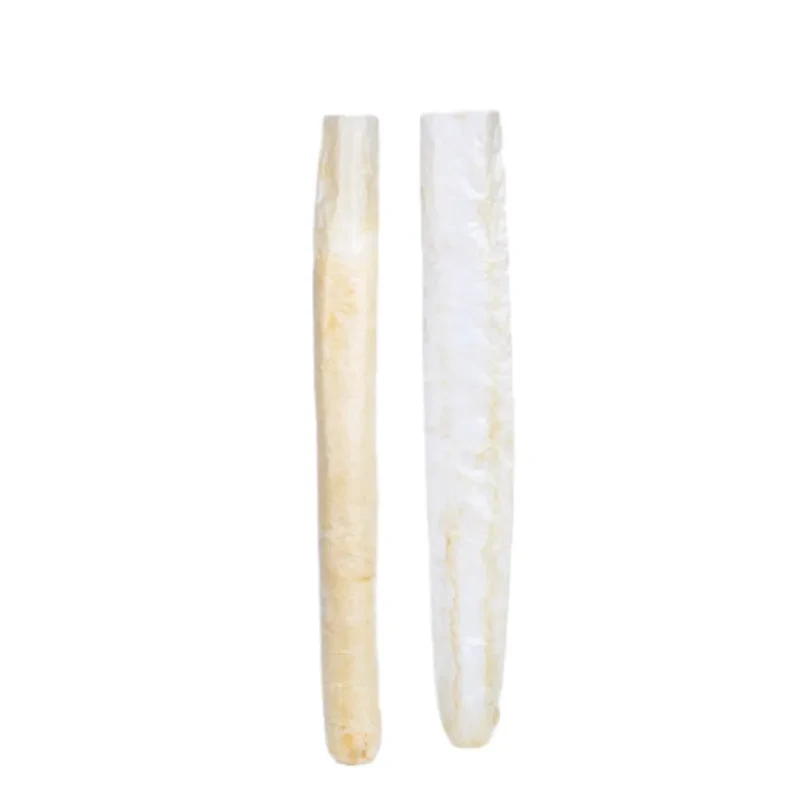
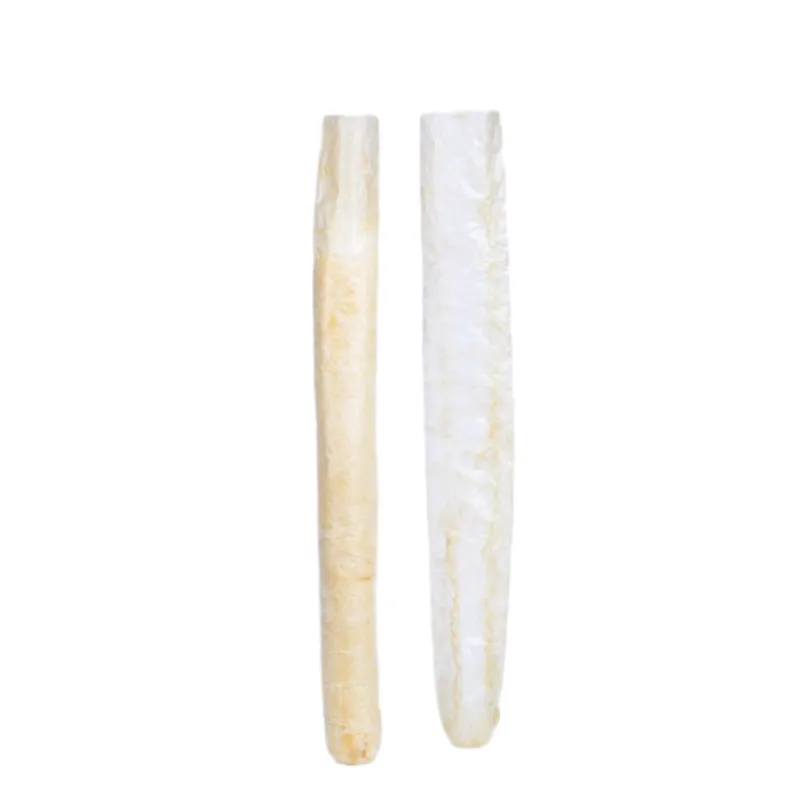
Procuring raw materials for industrial sausage production requires balancing natural product variability against the strict mechanical consistency demanded by automated processing lines. Master butchers and procurement managers evaluating dried hog casings versus synthetic alternatives must weigh operational scale, production speed, and specialized molding capabilities.
This comparative assessment analyzes how natural elasticity and handling properties perform across industrial and small-scale operations. Production parameters depend on application requirements to be confirmed with the supplier.
Core Suitability for Industrial and Small-Scale Sausage Production
Operational Scale and Natural Elasticity in Industrial Processing
Industrial meat processing plants require casing materials that withstand mechanized stuffing pressures without compromising throughput. Natural elasticity allows these casings to absorb mechanical stress during high-speed linking and twisting operations. When production volumes scale up, processing lines depend on these specific handling properties to maintain consistent output across continuous shifts.
Mechanical resilience directly influences line uptime in large-scale operations. Automatic filling machinery operates at high frequencies, testing the tensile strength of the organic material.
Suitability for Small-Scale Butcheries
Small-scale butchers utilize these casings for manual and semi-automated production lines where tactile feedback guides the stuffing process. Operators manually gauge fill density by relying on the flexibility inherent in the material. This adaptability supports flexible batch sizes without requiring specialized retooling for different sausage diameters.
Artisanal processors achieve precise shape control through manual dexterity. The pliability of the product permits exact knotting and linking tailored to specific product lines.
Integration into Traditional and Commercial Production Flows
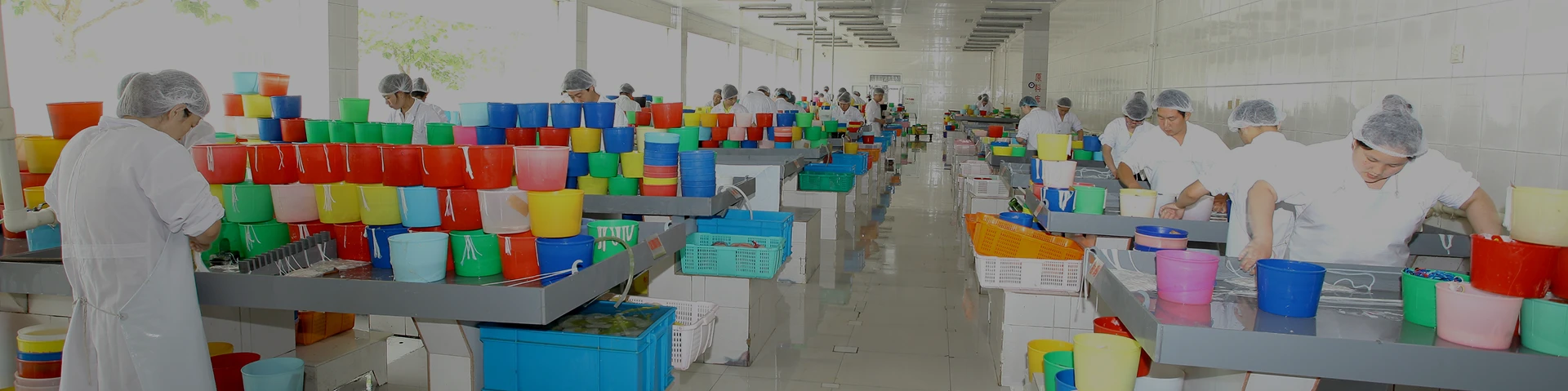
Commercial manufacturing floors benefit from preparation routines that align with established meat processing workflows. Production managers balance labor requirements against the natural variability of the raw material. Consequently, standard operating procedures account for hydration times and sorting steps before casings enter the stuffing machine.
Operational efficiency depends on systematic pre-soaking and calibration protocols. Technicians verify moisture levels prior to loading to ensure optimal performance across diverse sausage types.
Versatility in Processing Applications Across Sausage Varieties
Performance in Smoked Sausage Production Lines
Dried hog casings respond predictably to the thermal dynamics of smokehouses because their biological structure allows smoke compounds to penetrate evenly. Thermal shrinking behavior matches the protein denaturation rate of the meat filling during the drying and smoking stages, which prevents splitting along the perimeter. Smoked sausage manufacturing operations achieve consistent color development and moisture reduction across high-density hanging racks without requiring chemical plasticizers.
Compatibility with Cooked Sausage Manufacturing
Thermal stability during water-bath cooking and steam-house processing depends on the controlled moisture content inherent in these casings. Elastomeric recovery prevents micro-cracking when temperature differentials occur between the heating cycle and subsequent chilling water sprays. Commercial processors utilizing thermal processing tanks maintain uniform product diameter after cooling, as the casing wall expands and contracts synchronously with the interior emulsion.
Application Parameters for Dried Sausage Varieties
Curing shrinkage during long-term drying cycles requires casing flexibility that accommodates continuous mass loss without separating from the meat core. Traditional dry-cured sausage lines rely on this adaptive shrinkage to maintain surface contact as moisture evaporates over several weeks. Batch consistency relies on the specific caliber dimensions chosen during procurement, ensuring that air-drying rooms achieve predictable moisture transfer rates across every rack.
Shaping Capabilities for Standard and Special-Shaped Sausage Products
Molding Performance for Standard Cylindrical Sausage Profiles
Cylindrical molding relies on the uniform wall thickness of the biological membrane to maintain diameter consistency under automated filling pressure. Continuous processing lines depend on this predictable geometry to prevent localized blowouts during high-speed linking operations.
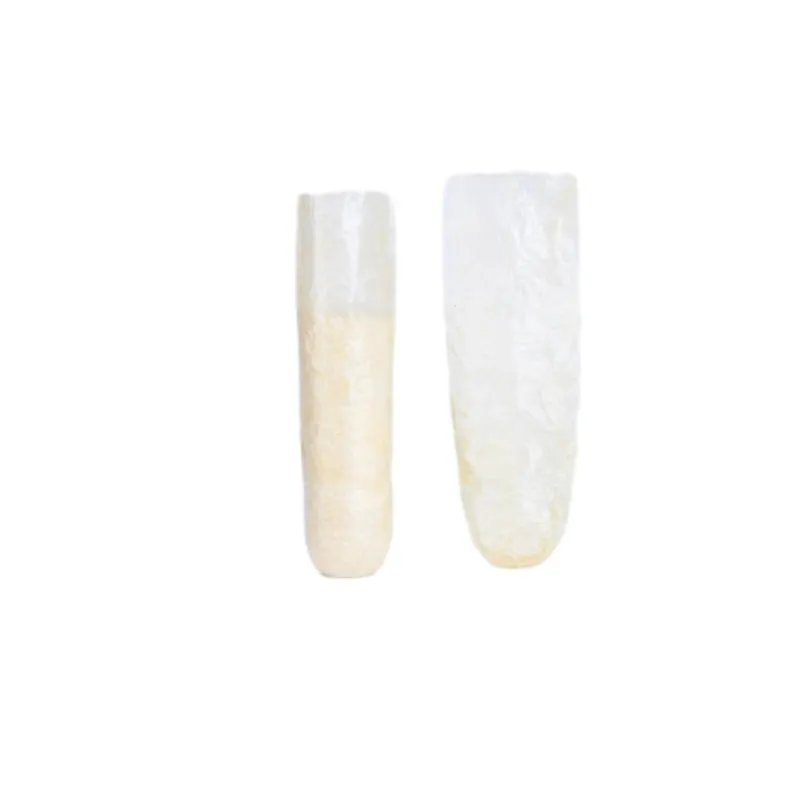
Yield rates and stuffing efficiency are dictated by caliber uniformity across each strand. Operations managers evaluate these structural dimensions against batch size volumes and final packaging requirements to minimize waste during stuffing.
Accommodating Special-Shaped Production Demands
Biological flexibility allows the membrane to adapt smoothly to intricate cavity designs without tearing during the filling phase. Plant operators utilize this inherent stretchability when stuffing complex geometries that synthetic alternatives cannot replicate efficiently.
- Christmas tree-shaped configurations
- Mickey-shaped novelty formats
- Star-shaped profiles
- Duck-shaped configurations
- Rabbit-shaped formats
Specialized tooling parameters and filling pressures depend on the specific geometry selected and the intended batch volume. Production supervisors adjust machine tension settings according to the structural demands of each unique mold.
Side-by-Side Comparison of Natural Hog Casings and Synthetic Alternatives
Alternative synthetic casings deliver uniform mechanical consistency across high-volume automated lines, whereas natural hog casings exhibit inherent dimensional variations that demand active operator oversight. Procurement strategies for industrial sausage production must account for these fundamental structural differences before committing to large-scale processing runs.
Preparation protocols diverge sharply between the two material categories. Natural options require controlled hydration and sorting stages prior to stuffing, while synthetic tubes are typically fed directly into automated equipment without preliminary soaking.
Production efficiency depends on how well plant infrastructure adapts to these contrasting handling requirements. Table 1 outlines the structural trade-offs governing both options.
| Comparison Dimension | Natural Hog Casings | Synthetic Alternatives |
|---|---|---|
| Material Basis | Natural tissue | Collagen, cellulose, or plastic film |
| Mechanical Consistency | Variable elasticity | High uniformity |
| Preparation Requirements | Requires hydration and sorting | Ready-to-use direct loading |
| Primary Application | Smoked, cooked, and dried sausages | Standardized high-speed peeling lines |
Labor allocation shifts depending on which material enters the stuffing machinery. Operations relying on manual or semi-automated stuffing lines absorb the natural variability of biological tissues more effectively than fully automated high-speed rotations.
Plant floor managers balance the tactile feedback and traditional appeal of animal-based structures against the predictable throughput rates of engineered alternatives. Total processing economics fluctuate according to batch size and local labor costs.
Preparation and Handling Protocols for Natural Casing Integration
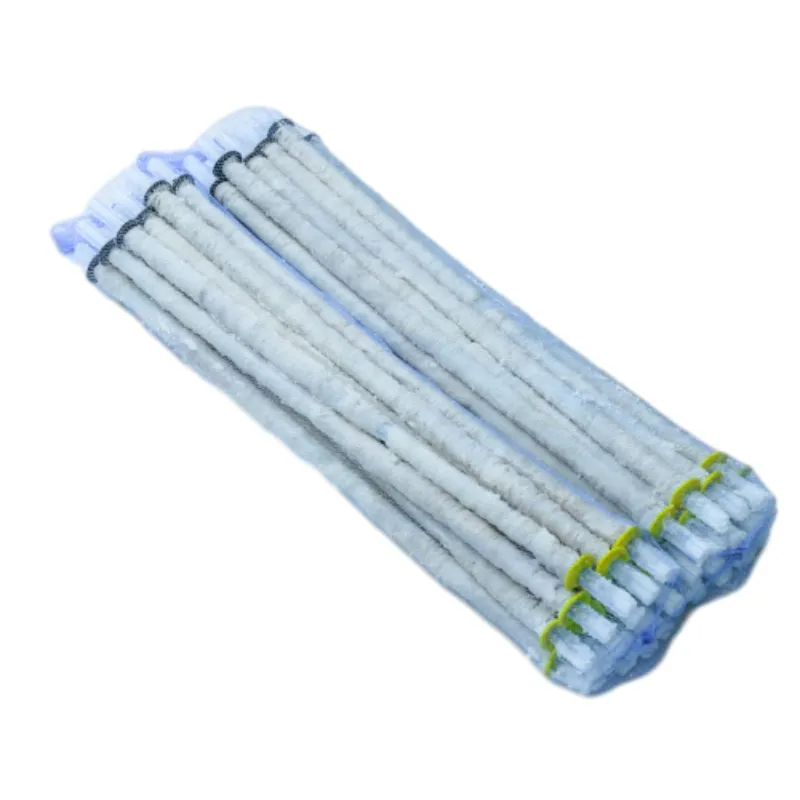
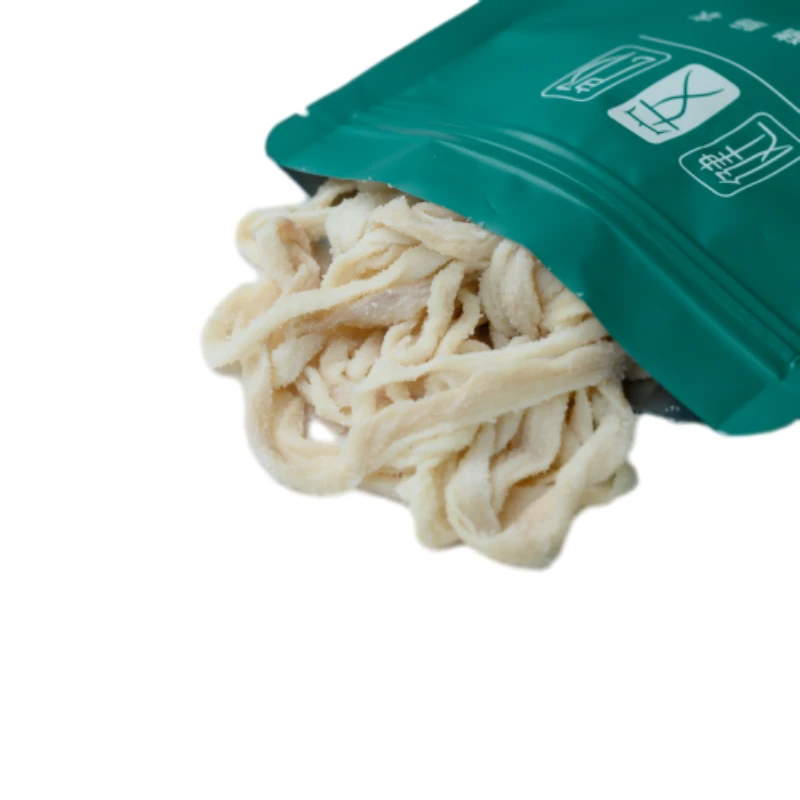
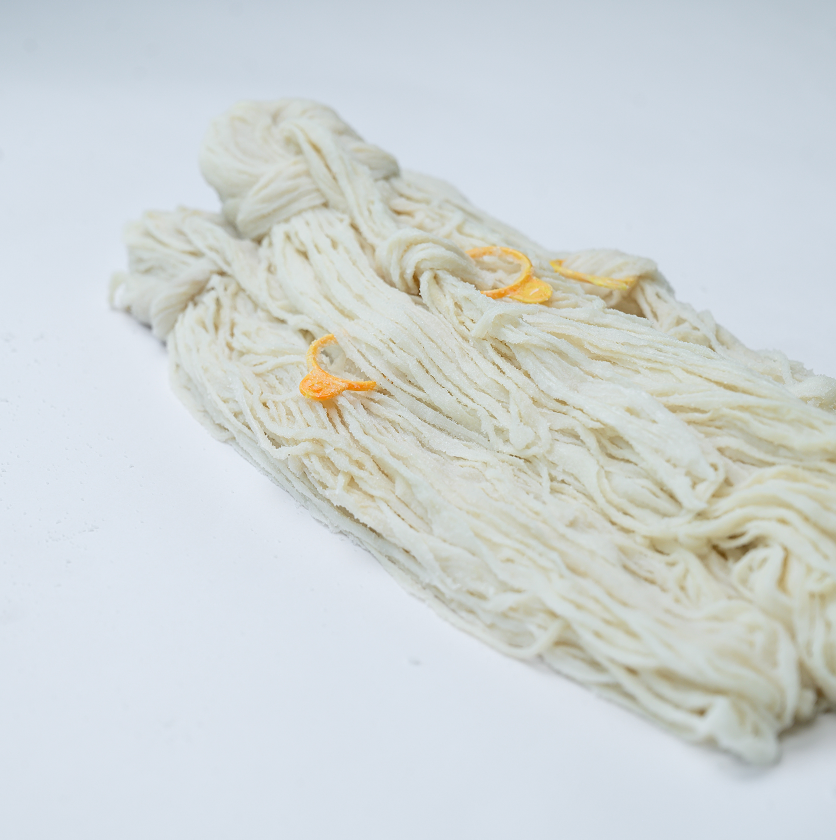
Adherence to industry-standard preparation practices ensures dried hog casings achieve optimal hydration and structural integrity prior to stuffing. Workers must soak these natural tubular products in tepid water according to timeframes defined by environmental temperature and batch size. This rehydration phase restores the material's original elasticity, which prevents tearing when the filled product passes through high-speed twisting machinery.
Operational Adjustments for Processing Lines
Transitioning from synthetic alternatives to natural casings requires specific modifications to equipment tension settings and filling pressures. Operators adjust nozzle diameters and decrease mechanical friction along the stuffing horn to accommodate the biological variability of organic tissue. Such adjustments reduce blowout rates during continuous shift operations, maintaining consistent output across industrial sausage production setups.
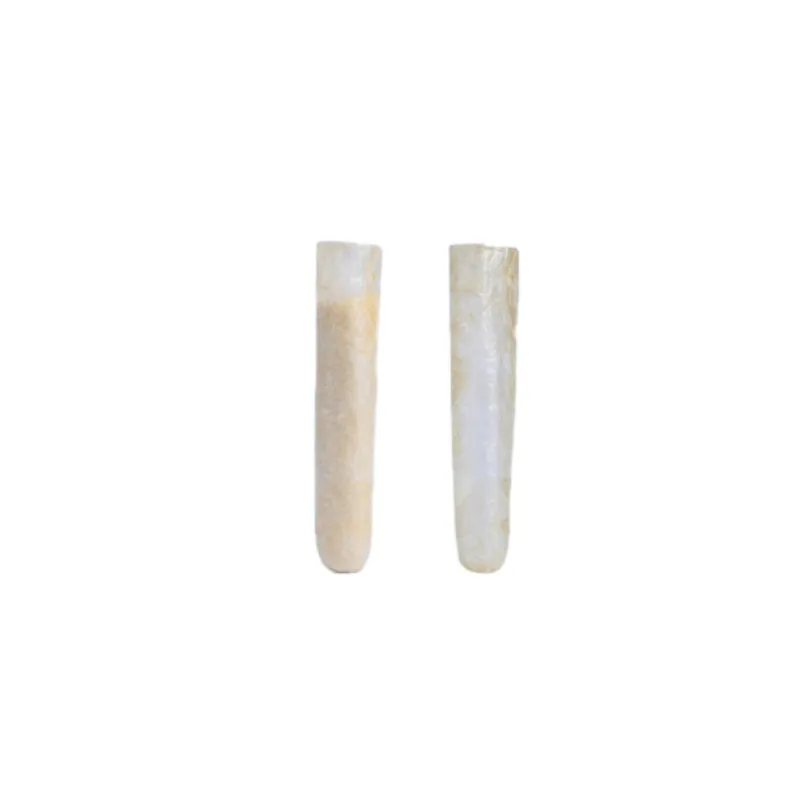
Addressing Handling Concerns and Research Insights
Recent trade evaluations highlight that manual tactile feedback remains critical during the transition from synthetic tubes to organic alternatives. Plant supervisors train personnel to monitor wall thickness variations visually and by touch, compensating for diameter shifts without altering line speed. According to findings published by industrial meat processing researchers, disciplined hydration routines directly correlate with reduced casing breakage on commercial floors. Documentation and testing files associated with these handling protocols are accessible to procurement teams upon request.
Total Cost and Operational Efficiency Evaluations
Plant operations directors must factor natural casing workflows into overall plant economics by evaluating preparation labor against material yield. Preparation costs depend on hydration duration and sorting protocols before the stuffing phase begins. Dedicated staff allocation is necessary for these operational steps, contrasting with synthetic alternatives that arrive ready for immediate placement on commercial nozzles.
Production speed and operational efficiency relative to synthetic alternatives hinge on handling characteristics during continuous shifts. Manual hydration and sizing routines reduce net throughput speeds compared to uniform synthetic tubes. However, processing lines utilizing dried hog casings for smoked, cooked, or dried sausages, as well as special-shaped varieties like Christmas tree, Mickey, star, duck, and rabbit formats, benefit from natural elasticity that absorbs physical deformation forces.
Total cost impacts extend beyond initial procurement figures to include labor allocation for pre-treatment. Facilities processing industrial sausage production or small-scale batches calculate cost-per-unit by balancing preparation man-hours against final product integrity. Operations handling all kinds of special-shaped sausages must weigh the specialized molding advantages of natural casings against the higher labor overhead required for pre-processing hydration and sorting.
Frequently Asked Questions
Industrial meat processing plants evaluate casing performance based on tensile strength under mechanized stuffing pressures. While alternative synthetic casings provide uniform mechanical consistency across automated lines, natural hog casings rely on their inherent elasticity to absorb stress during rapid linking. Operations directors balance this natural variability against line speed requirements to maintain continuous throughput.
Special-shaped sausage production, including star, duck, rabbit, and holiday motifs, requires a material that conforms to non-cylindrical molds. The pliability of natural casings permits exact shaping and linking for specialty retail lines. Plant managers must verify that molding equipment pressures align with the structural limits of the organic material.
Standard operating procedures require specific hydration times and sorting steps before casings enter the filling machinery. Commercial manufacturing floors integrate these preparation routines into existing meat processing workflows. Total cost evaluations must account for the labor required for these pre-treatment steps compared to ready-to-use synthetic alternatives.
Plant operations directors factor pre-treatment labor, hydration time, and sorting protocols into overall plant economics. Although synthetic alternatives may reduce preliminary handling steps, natural casings offer distinct texture and appearance benefits for specific market segments. Cost efficiency depends on balancing preparation labor expenses against consumer demand for traditional sausage presentations.
Processing applications span smoked, cooked, and traditional dried sausage varieties within industrial and artisanal facilities. The permeability of the natural material supports smoke penetration during thermal processing cycles. Selection for specific product lines depends on moisture loss targets and curing requirements established by the processor.
Conclusion
Procurement directors and plant operations managers must evaluate factory line speeds, complex molding needs, and preparation labor capacities to select the optimal casing option for industrial sausage production. Facilities running high-speed stuffing lines alongside specialized geometries will find that matching material behavior to throughput directly dictates bottom-line efficiency.
Reviewing batch schedules and processing floor capabilities allows buyers to align natural or synthetic choices with operational targets. Operations handling meat processing workflows can request sample evaluation lots directly to verify processing compatibility on active lines.