Oct . 20, 2026 14:57
Material Selection Guide for Dried Hog Casings in Meat Processing
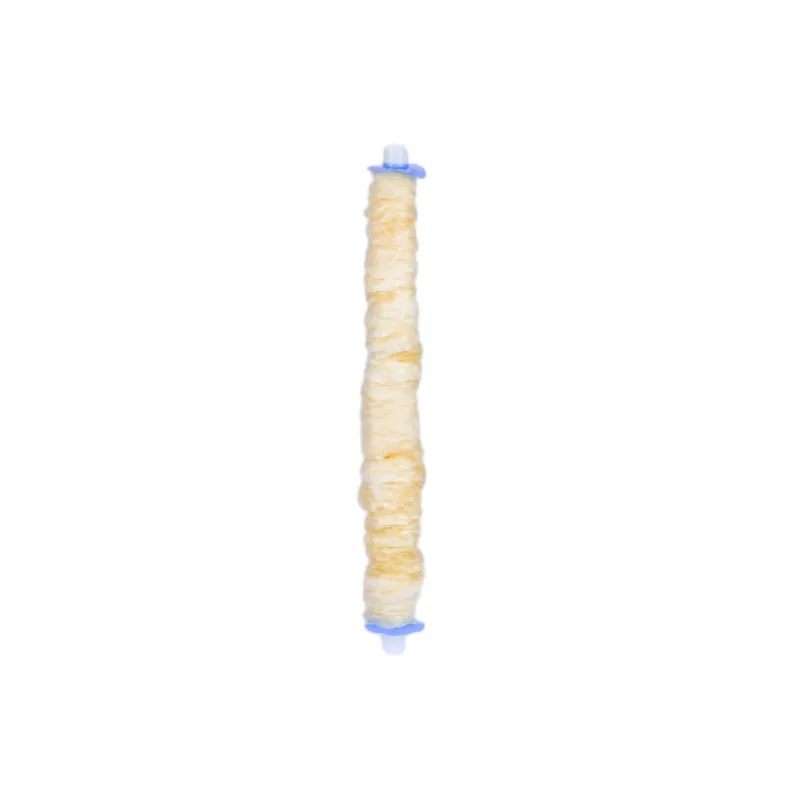
Matching Natural Protein Elasticity to Industrial and Artisanal Production Scales
Mechanical Loading Mechanics in High-Throughput Processing Lines
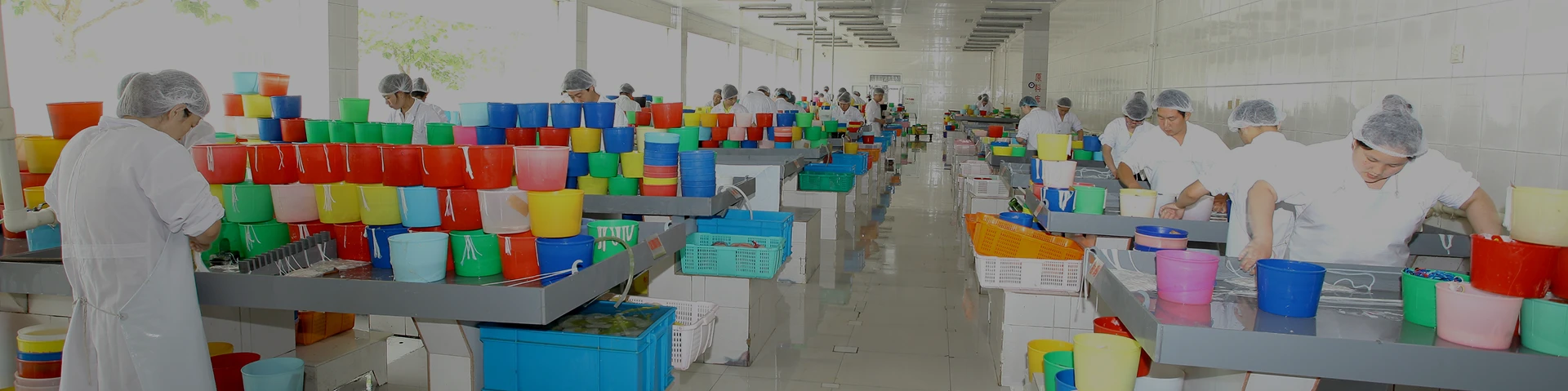
Automated industrial sausage lines subject natural protein structures to rapid shear forces and continuous filling pressures during high-speed packaging runs. Collagen elasticity adapts dynamically to these mechanical demands by stretching uniformly under nozzle injection without requiring synthetic reinforcement. Plant directors monitor these behavioral responses on commercial stuffing floors to verify whether material batches maintain structural integrity under continuous tension.
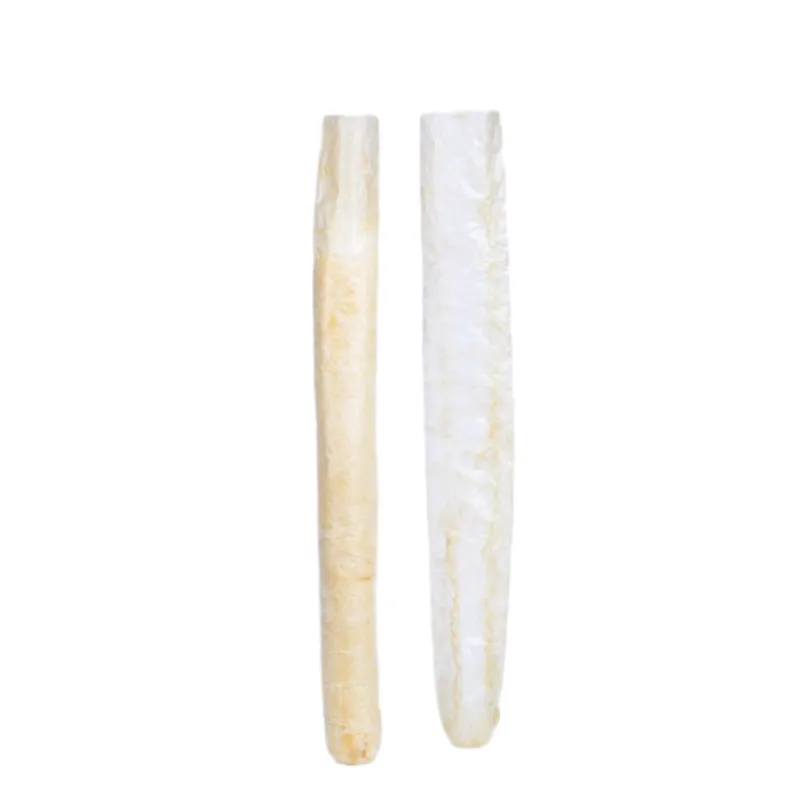
Hydraulic shocks from high-velocity pumps are absorbed by moisture-retained cellular matrices, preventing mid-run bursts during large-scale operations. When commercial equipment pushes meat emulsions through feed horns, compliant biological walls elongate along the longitudinal axis. Facility output rates remain stable as a result of this inherent tissue flexibility.
Operational Scale Variations in Manual Processing
Small-scale butchers and meat processors prioritize tactile flexibility during manual knotting and twisting stages rather than automated throughput speed. The soft drape of rehydrated animal-derived tissue facilitates hand-linking without the need for auxiliary tools. Processing technicians evaluate these artisanal handling properties before committing strand inventories to daily production schedules.
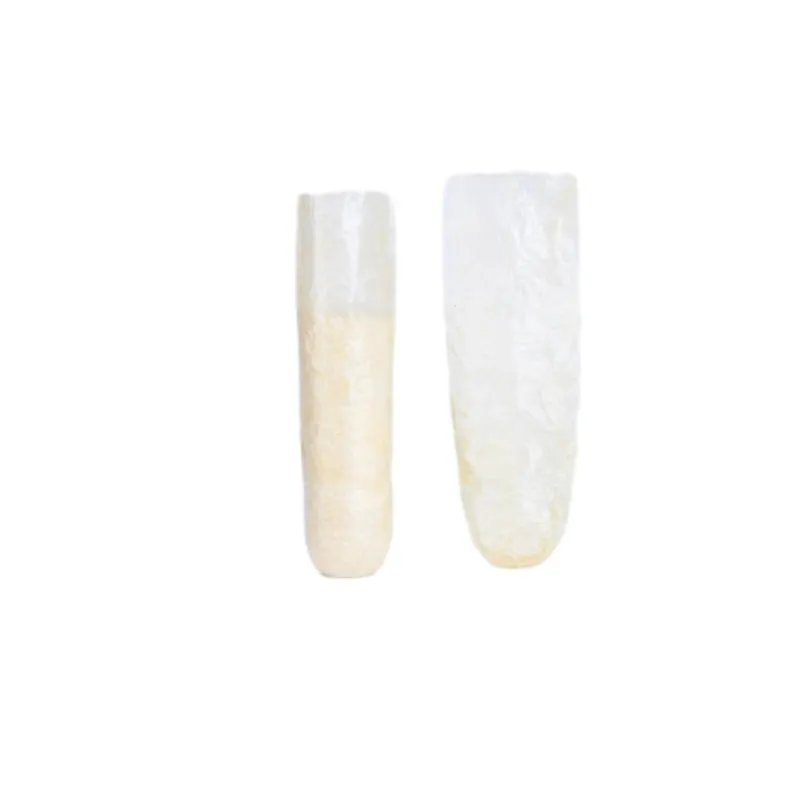
Throughput capabilities across diverse production scales depend directly on matching tissue flexibility to filling velocities. Automated installations demand consistent tensile strength to prevent jamming in multi-head systems, whereas artisanal operations rely on manual dexterity. Operational parameters vary according to facility output volume, requiring precise alignment between rehydration protocols and machinery specifications to be confirmed with the supplier.
Thermal Process Adaptability Across Smoked Cooked and Dried Sausage Lines
Thermal Process Adaptability in High-Temperature Processing
Natural cellular integrity dictates how material behaves during high-temperature smoking and cooking stages. Commercial smokehouses demand materials that resist structural degradation under direct heat and steam exposure.When exposed to thermal stress, the organic substrate contracts around the meat emulsion without relying on synthetic extrusion layers. Moisture vapor escapes at predictable rates, which prevents surface cracking and ensures even heat transfer throughout industrial sausage production operations.
Facility technicians monitor core temperatures closely during these cycles to ensure the biological tissue maintains optimal tension. Thermal stability under sustained heat prevents tearing on commercial stuffing floors, maintaining consistent yields across large-scale runs.
Moisture Exchange and Thermal Stability Benefits
Cellulose films often exhibit rigid shrinkage behaviors when subjected to direct steam cooking. This synthetic inflexibility frequently leads to wrinkling as the internal meat volume expands and contracts during processing cycles.
Dried hog casings maintain structural integrity across fluctuating thermal conditions by utilizing intrinsic moisture retention properties. Processing equipment running industrial sausage production lines or small-scale butcher operations benefits from this stability, as the organic walls resist melting or deformation under sustained heat.
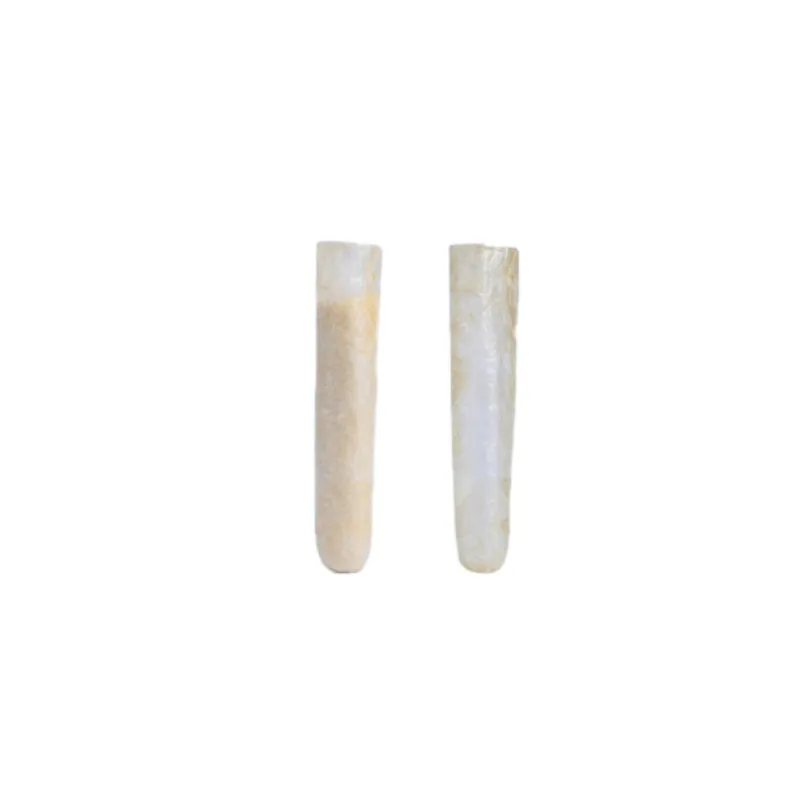
Accommodating Complex SpecialShaped Sausage Formats Without Synthetic Aids
Molding Non-Standard Geometries Without Synthetic Extrusion
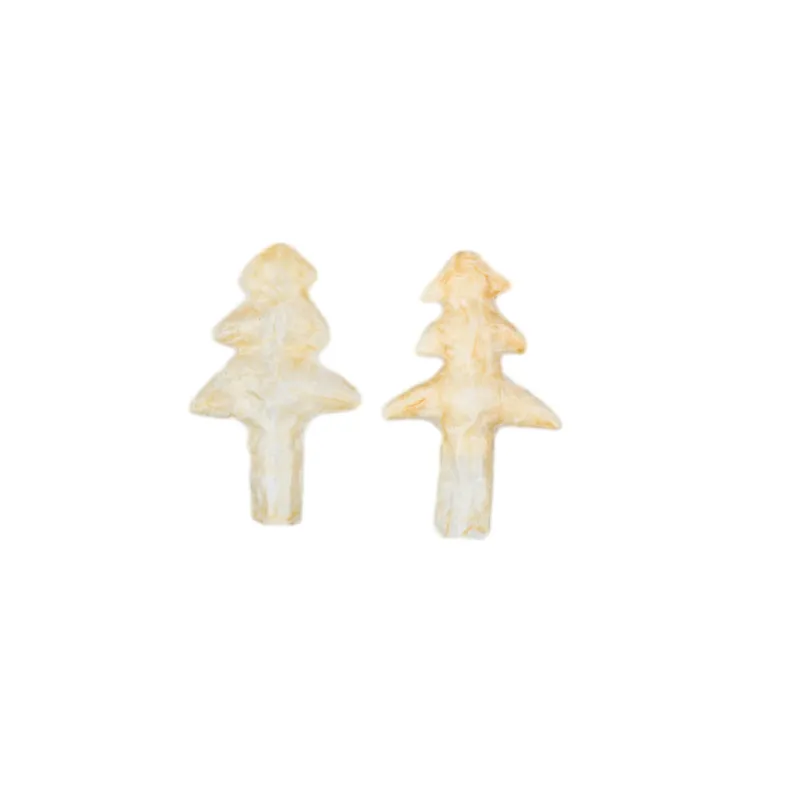
Specialized sausage production relies on the inherent flexibility of biological tissue rather than synthetic additives to achieve intricate outlines. When stuffing Christmas tree-shaped and star-shaped sausage variants, natural protein walls elongate smoothly around sharp internal mold angles without tearing.
Mickey and duck-shaped specialty meat products demand localized expansion zones during stuffing phases. Unprocessed animal tissues stretch across complex contours as collagen fibers accommodate variable filling pressures without requiring artificial reinforcement layers.
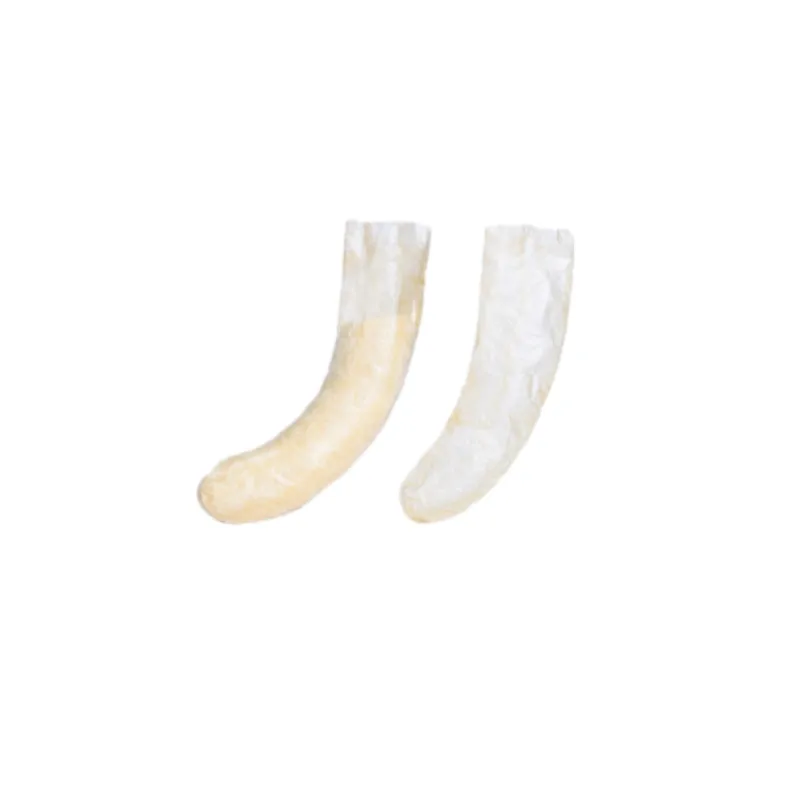
Preserving Uniformity Across Artisanal Formats
Rabbit-shaped and other non-standard artisanal casing geometries maintain consistent wall thickness because natural cellular matrices distribute mechanical stress evenly across irregular curves. Facility operators monitor these shaping processes to confirm that moisture levels remain balanced throughout the stuffing run.
Artisanal processors avoid synthetic films because biological membranes conform precisely to complex metal or silicone dies under controlled hydraulic pressure. Precise hydration protocols established prior to filling ensure that unique contours form cleanly without surface defects or premature bursting.
Comparing Natural Casings Against Processing Parameters Across Applications
Comparative Matrix Mapping for Processing Scales and Thermal Methods
Procurement teams map industrial throughput demands and artisanal filling parameters to the mechanical elasticity of natural collagen membranes without relying on unverified metrics. Industrial automated filling installations require uniform tensile responses under continuous injection pressure to prevent line stoppages, whereas small-scale manual operations depend on tactile flexibility for hand-tying workflows.
Thermal processing methods such as smoking, cooking, and drying introduce distinct structural stresses that animal tissue must accommodate through natural moisture exchange. Plant directors evaluate these parameters by observing how rehydrated strands maintain integrity across traditional curing cycles and high-speed packaging runs alike.
| application | material | size | capacity | moq | warranty | lead_time |
|---|---|---|---|---|---|---|
| Industrial sausage production (large-scale operations) | Dried hog casings | Depends on operational caliber selection and cutting specifications | Depends on facility throughput and batch scheduling | Depends on minimum wholesale order volume | Available through formal contractual documentation | Depends on seasonal harvesting and shipping logistics |
| Small-scale butchers & meat processors | Dried hog casings | Depends on operational caliber selection and cutting specifications | Depends on facility throughput and batch scheduling | Depends on minimum wholesale order volume | Available through formal contractual documentation | Depends on seasonal harvesting and shipping logistics |
| Smoked, cooked, or dried sausages | Dried hog casings | Depends on operational caliber selection and cutting specifications | Depends on facility throughput and batch scheduling | Depends on minimum wholesale order volume | Available through formal contractual documentation | Depends on seasonal harvesting and shipping logistics |
| All kinds of special-shaped sausages, such as Christmas tree-shaped, Mickey, star-shaped, duck-shaped, rabbit-shaped, etc | Dried hog casings | Depends on operational caliber selection and cutting specifications | Depends on facility throughput and batch scheduling | Depends on minimum wholesale order volume | Available through formal contractual documentation | Depends on seasonal harvesting and shipping logistics |
Specialized Geometries and Mechanical Limitations
Molding non-standard novelty geometries such as star-shaped or rabbit-shaped sausage variants demands precise tissue elongation around acute angles without synthetic polymer reinforcement. Biological membranes flex naturally under stuffing pressure to fill intricate mold contours, provided nozzle velocities remain calibrated to specific caliber dimensions.
Operators adjust filling parameters to prevent localized tension spikes at sharp mold radiuses. Inherent tissue flexibility adapts to complex physical demands while maintaining structural uniformity across specialized product lines.
Evaluating Rehydration Behavior and Natural Casing Characteristics in Practice
Biological Substrates Versus Engineered Extrusions
Cellular architecture separates traditional dried hog casings from extruded collagen and polymer alternatives. Native animal tissues retain their native collagen fibril orientation without relying on machine-pressed slurries or artificial reinforcements.
Synthetic cellulose casings and co-extruded films introduce uniform cross-sections that lack the biological porosity found in biological substrates. This structural variance influences moisture permeability during thermal processing stages across large-scale industrial sausage production.
Operational Dynamics of Rehydration and Tissue Relaxation
Rehydration behavior dictates how effectively a casing absorbs processing moisture prior to stuffing. Plant operators manage this phase by soaking dried strands to restore flexibility.
Synthetic alternatives do not require rehydration, but they also cannot match the natural moisture transmission rates required for specific traditional recipes. Procurement managers evaluate these soaking parameters against specific facility conditions and throughput volumes.
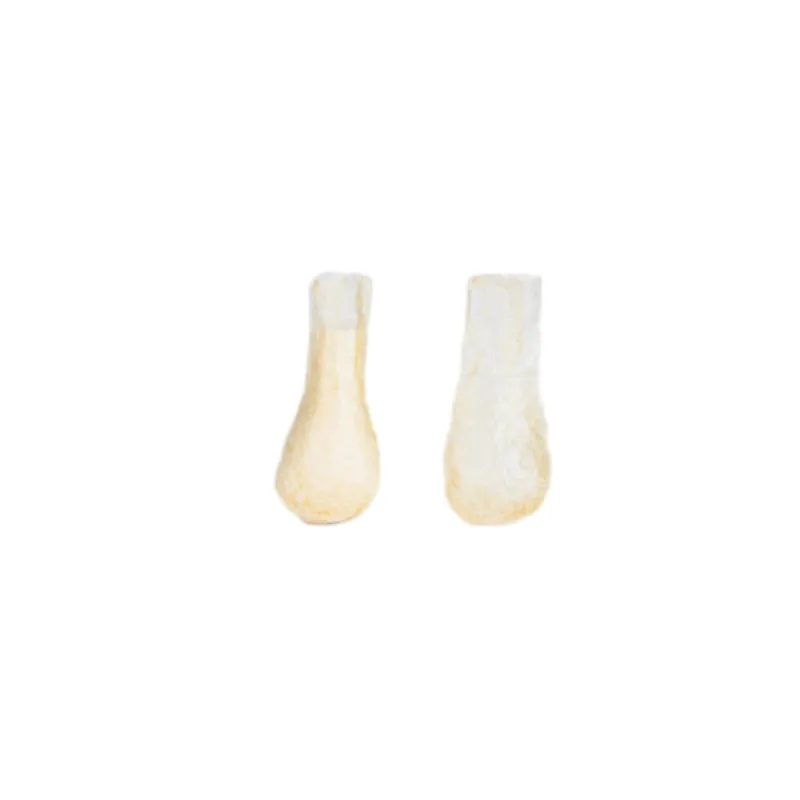
Aligning Material Selection Decisions with Practical Application Requirements
Procurement choices rest upon operational application whitelist parameters rather than unsupported specifications. Factory buyers weigh raw material acquisition against actual processing demands instead of relying on synthetic benchmarks.
Purchasing teams establish internal evaluation protocols that prioritize raw material suitability over unverified warranty claims. Each facility budget reflects historical yield figures rather than arbitrary cost thresholds.
Material expenditures scale directly with facility output volumes and active stuffing speeds. High-volume operations balance batch acquisition costs against potential downtime risks during continuous extrusion runs.
Artisanal processors evaluate unit costs relative to manual labor efficiency during specialized shape formation. Total cost calculations incorporate water absorption rates and strand length consistency across designated delivery schedules.
Frequently Asked Questions
Natural protein structures elongate along the longitudinal axis when commercial equipment pushes meat emulsions through feed horns. This biological tissue flexibility allows cellular matrices to absorb hydraulic shocks from high-velocity pumps without requiring synthetic reinforcement, thereby maintaining stable facility output rates during continuous filling runs.
Small-scale butchers prioritize tactile flexibility during manual linking stages to ensure high throughput without auxiliary tools. The soft drape of animal-derived tissue facilitates hand operations, though processing technicians evaluate these artisanal handling properties against specific batch schedules and hydration levels before committing strands to daily production.
Artisanal casings maintain dimensional consistency across complex forms through inherent cellular elasticity rather than synthetic extrusion. When producing special-shaped items, the natural material adapts to varied mold profiles while preserving wall integrity under internal pressure, depending strictly on proper pre-stuffing rehydration protocols.
Facility managers evaluate tissue flexibility against filling velocities, noting that automated installations require consistent tensile strength to prevent jamming in multi-head systems. Procurement decisions must reflect operational volume and machinery specifications, keeping batch requirements tied directly to wholesale order sizing and delivery schedules.
Procurement teams assess thermal adaptability through natural cellular integrity rather than synthetic performance metrics. Material selection relies on biological tissue behavior during curing and high-temperature smoking stages, with exact purchasing costs depending on minimum wholesale order volume and destination port logistics.
Conclusion
Material procurement depends strictly on aligning operational application whitelist parameters with facility throughput realities rather than unverified benchmarks.
Operational teams must audit rehydration protocols and shape requirements by reviewing technical documentation available from the supplier prior to finalizing commercial orders.