Sep . 19, 2025 11:20
In the world of food manufacturing, dried hog casing has emerged as a game-changer for sausage producers. These pre-processed casings offer a blend of convenience, durability, and cost-effectiveness that traditional natural casings struggle to match. For manufacturers seeking to streamline operations while maintaining product quality, dried hog casing presents an ideal solution. This article explores the product's features, advantages, technical specifications, and applications, supported by insights from authoritative sources like the National Institute of Standards and Technology (NIST).
Key Features of Dried Hog Casing
Dried hog casing is engineered to address the limitations of natural casings, which often require refrigeration, extensive preparation, and are prone to inconsistencies. Here are the standout features that make this product a preferred choice:
- Extended Shelf Life: Unlike natural casings, dried tubed casings can be stored for extended periods under cool, dry conditions. This eliminates the need for refrigeration, significantly reducing storage costs and logistical challenges (learn more).
- Consistent Quality: The pre-processing ensures uniform diameter, thickness, and strength, resulting in sausages with precise sizing and fewer defects (product details).
- Convenience: These casings are ready to use after rehydration, saving time and labor in production workflows (how to use).
- Cost-Effectiveness: Dried hog casings are generally more affordable than natural alternatives, with less waste due to standardized sizing and durability.
- Versatility: Suitable for fresh, smoked, cooked, or fermented sausages, and available in multiple diameters to meet diverse product requirements.
- Hygiene and Safety: Processed under controlled conditions, reducing the risk of bacterial contamination compared to improperly handled natural casings.
- Strength and Durability: Less prone to bursting during stuffing and cooking, ensuring a secure fill and consistent performance (technical specs).
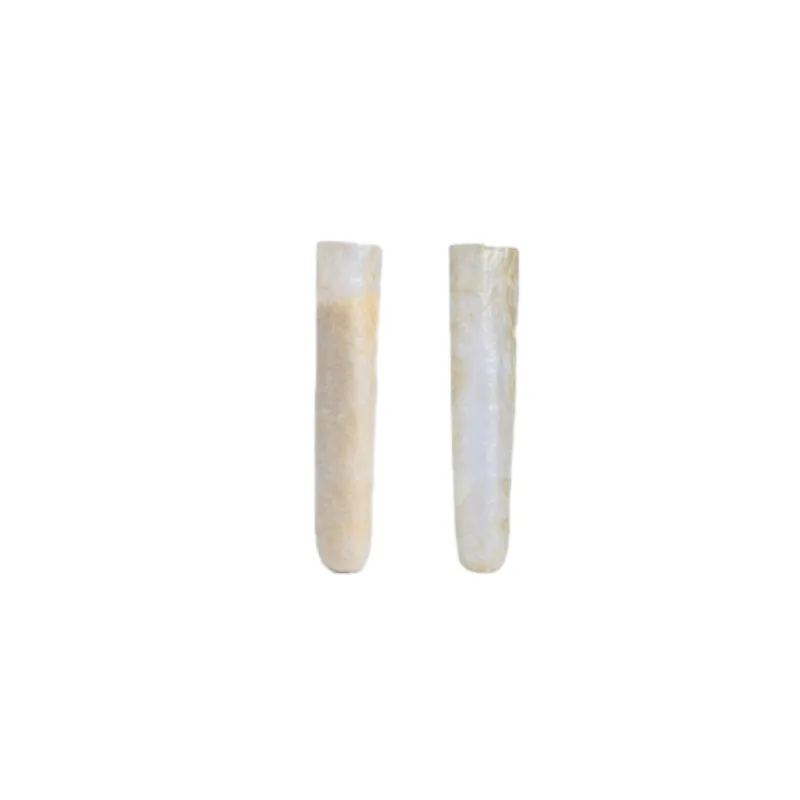
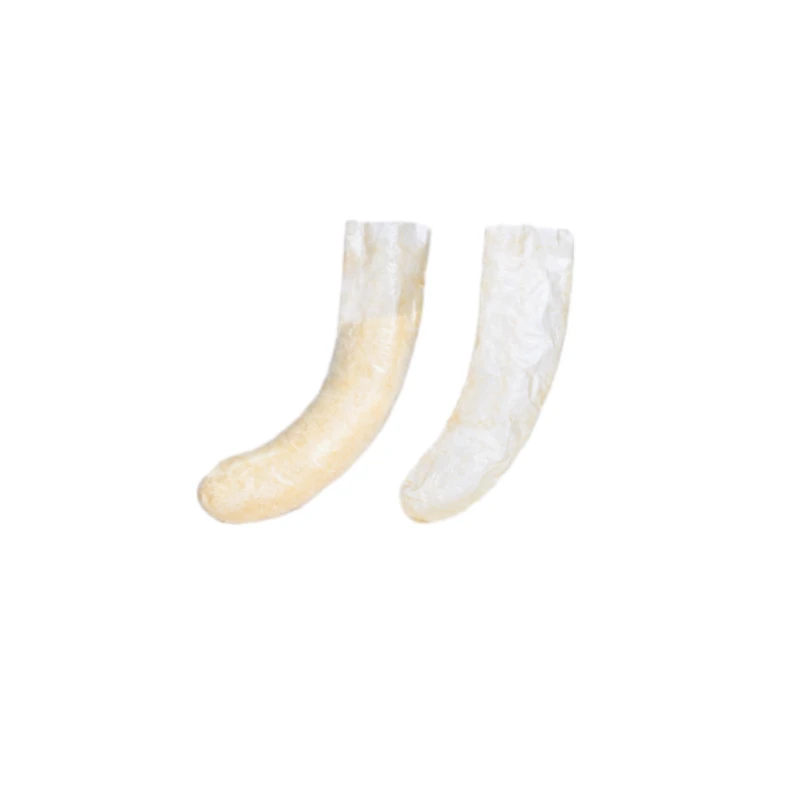
Figure 1: Dried hog casing in its packaged form, showcasing its ready-to-use design.
Technical Specifications
| Parameter | Details |
|---|---|
| Material | Pork-derived dried tubed casing |
| Diameter Range | Varies by product (e.g., DTHC 65-300) |
| Shelf Life | Up to 2 years when stored in cool, dry conditions |
| Processing Method | Controlled drying and pre-sterilization |
| Rehydration Time | 15–30 minutes in water, depending on size |
| Applications | Industrial sausage production, specialty sausages (e.g., Christmas tree, Mickey shapes) |
The product specifications highlight its adaptability to both large-scale and small-scale operations, making it a versatile choice for modern food manufacturers.
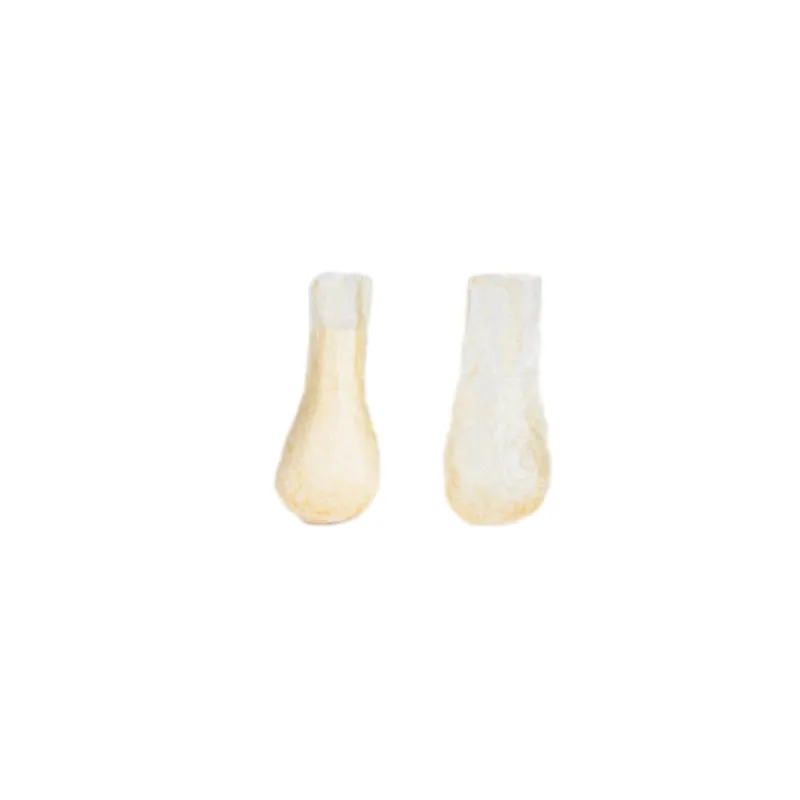
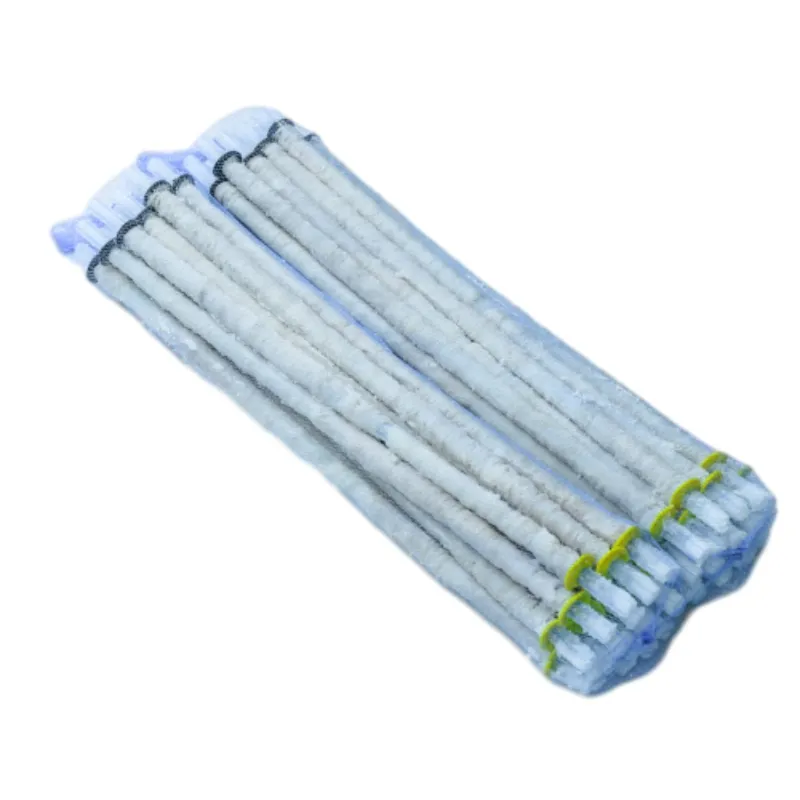
Figure 2: DTHC 65-300 casing, demonstrating its suitability for specialized sausage shapes.
Applications in Sausage Production
Dried hog casing is ideal for a wide range of applications, including:
- Industrial Sausage Production: Large-scale manufacturers benefit from the consistency and efficiency of dried casings, which reduce downtime and waste (case studies).
- Small-Scale Butchers: The ease of use and cost savings make it a practical option for local meat processors.
- Specialty Sausages: From smoked and cooked sausages to unique shapes like Christmas trees and animals, dried casings offer flexibility for creative product development.
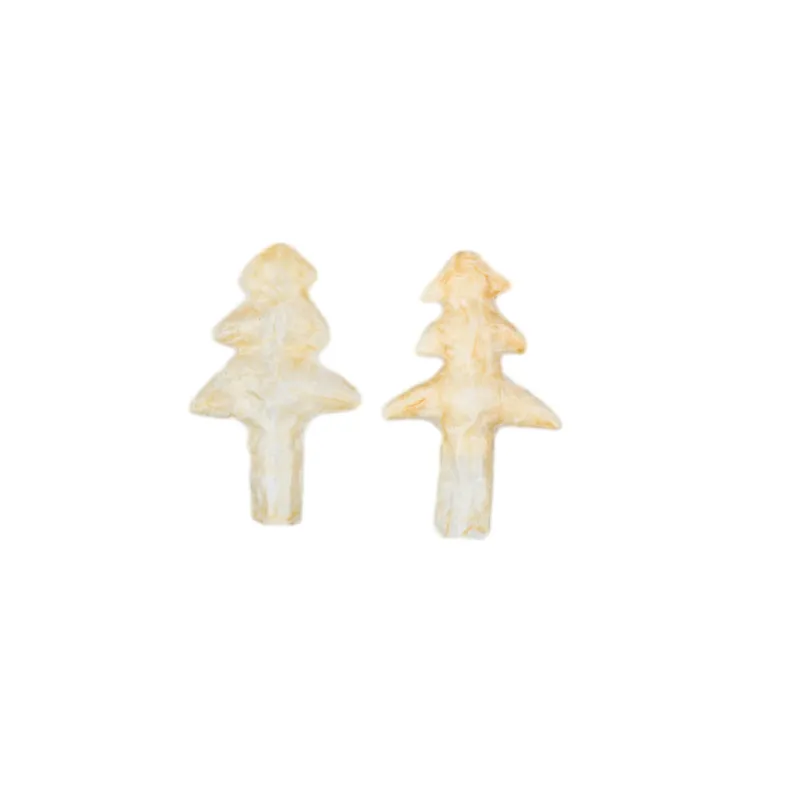
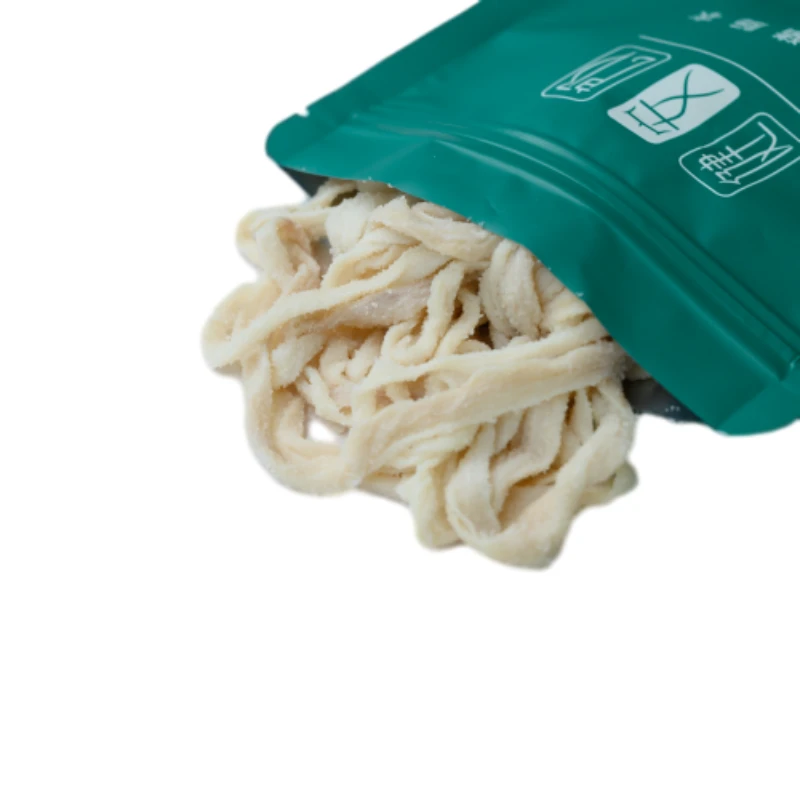
Figure 3: DTHC 65-300 casing in action, demonstrating its adaptability to complex shapes.
Company Background: RUNTAI (HEBEI) CASING CO., LTD.
Founded in 2010, RUNTAI (HEBEI) CASING CO., LTD. is a leading manufacturer of food-grade casings, specializing in dried and natural casings for the global market. With a commitment to innovation and quality, the company has become a trusted partner for sausage producers seeking reliable solutions. Their state-of-the-art facilities and rigorous quality control processes ensure that every product meets international standards (company profile).
Why Choose Dried Hog Casing?
For manufacturers prioritizing efficiency, cost savings, and product uniformity, dried hog casing offers unparalleled advantages. Unlike natural casings, which require refrigeration and extensive preparation, dried casings are easy to store and use. This reduces operational costs and minimizes the risk of contamination, as highlighted by NIST research on food safety standards (NIST reference).
Expert Insights: NIST and Food Safety Standards
According to the National Institute of Standards and Technology (NIST), "Precise measurements and standardized processes are critical to ensuring food safety and quality in manufacturing. Products like dried hog casing, which undergo controlled processing, align with these principles by minimizing variability and risk (NIST, 2025)."
Conclusion
Dried hog casing represents a significant advancement in sausage production, combining convenience, durability, and cost-effectiveness. Whether you're a large-scale manufacturer or a small butcher, this product offers a reliable solution to meet your needs. By leveraging the expertise of companies like RUNTAI (HEBEI) CASING CO., LTD. and adhering to standards set by organizations like NIST, producers can ensure consistent quality and safety in their products.
References
NIST (2025). "Food Safety and Quality Standards." https://www.nist.gov