Sep . 10, 2025 10:26
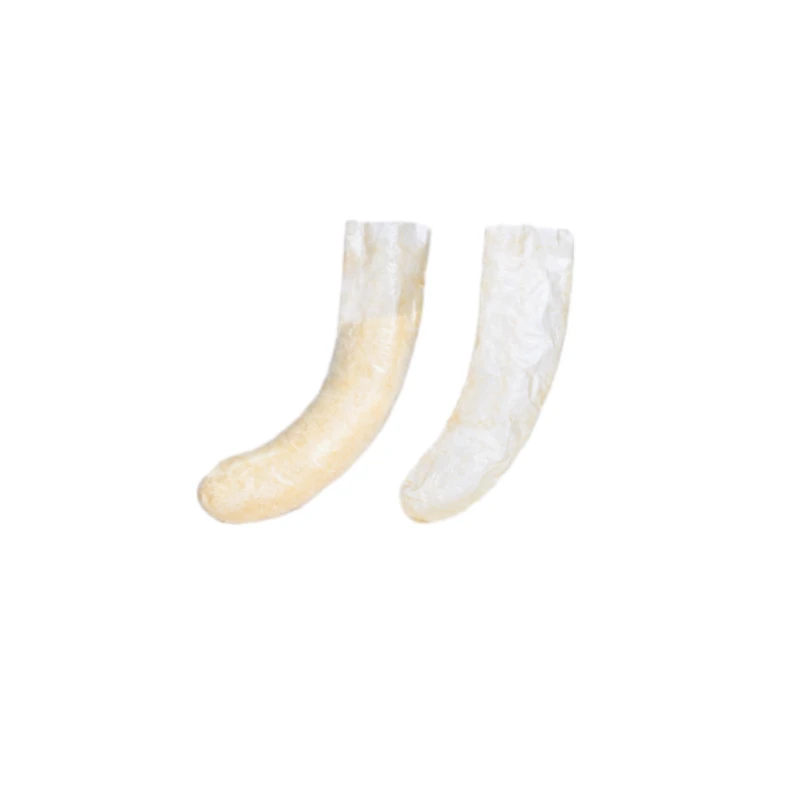
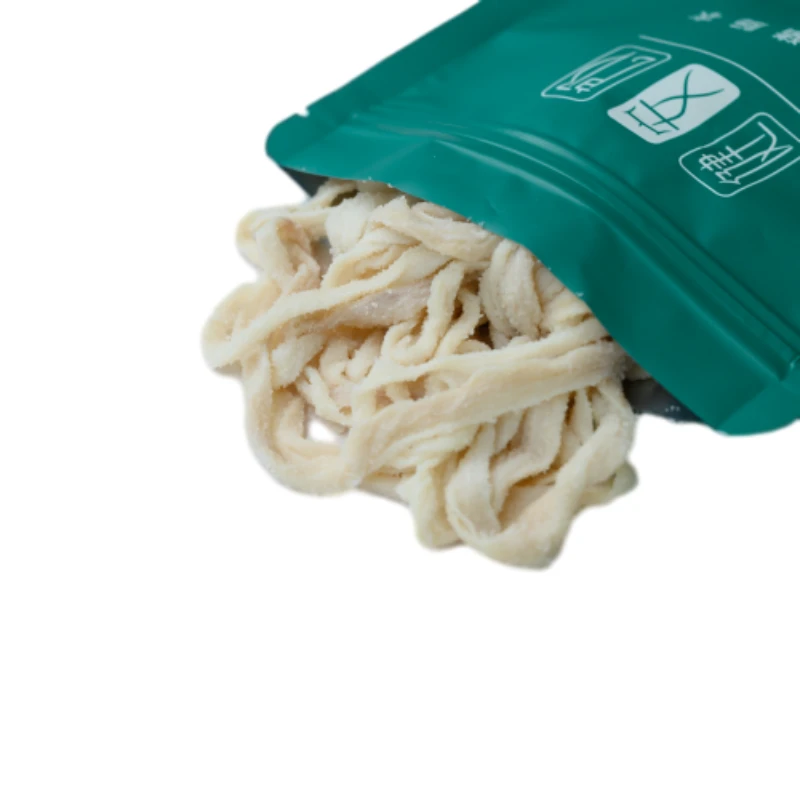
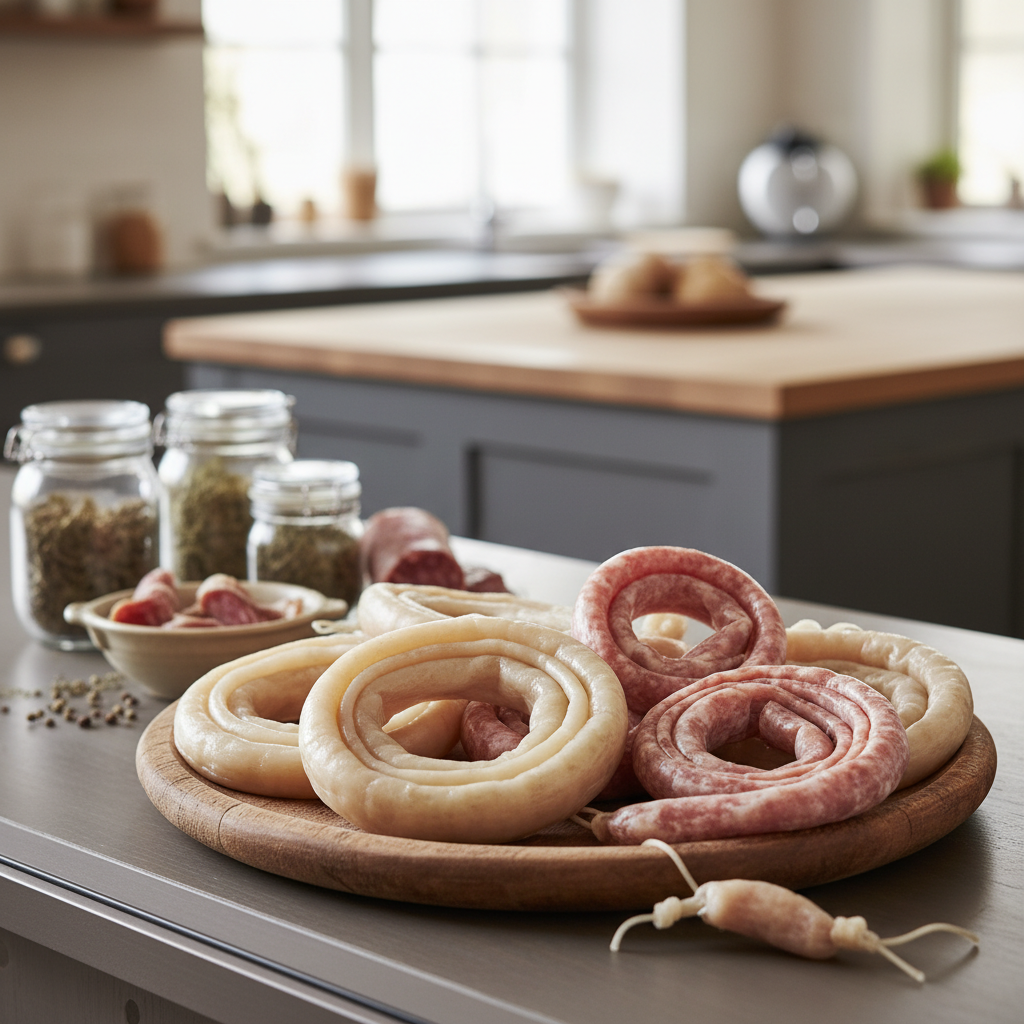
Natural casings have long been cherished in the world of sausage making, and among them, salted hog casings hold a special place. Derived from the cleaned intestines of hogs and preserved with food-grade salt, these casings perfectly blend tradition with practical durability. Whether crafting classic bratwurst, Italian sausage, or spiced chorizo, the use of hog casings for sausage is essential to achieving authentic texture and flavor. These casings offer a natural “snap” that consumers associate with quality and heritage.
The versatility of natural hog casings is evident in their wide range of sizes, typically ranging from 28 mm to over 48 mm in diameter. This sizing variety allows manufacturers to produce an array of sausage types tailored to different markets and culinary preferences. Smaller diameters (28-32 mm) are ideal for breakfast sausages and hot dogs, while medium sizes (32-35 mm) suit bratwurst and Italian-style sausages. Larger casings (38-42 mm and above) accommodate summer sausages and salami, enabling optimal stuffing volume and smoke penetration.
Hog skins sausages benefit immensely from the permeability of these natural casings, which allow smoke and moisture to penetrate during cooking or smoking. This characteristic enhances flavor development and contributes to the overall sensory appeal of the final product. The natural casing’s ability to breathe makes it preferable to synthetic alternatives, especially for artisanal products where traditional smoking and curing methods are employed.
Natural & Traditional Benefits of Salted Hog Casings
The defining trait of salted hog casings lies in their natural origin. Made exclusively from animal intestines, these casings preserve the culinary traditions that have shaped sausage making over centuries. Unlike synthetic options, natural hog casings provide a bite and texture that is both elastic and firm, resulting in a satisfying “snap” when consumed. This sensory experience is highly valued by consumers seeking authentic, high-quality sausages.
In addition to their tactile qualities, hog casings for sausage production are appreciated for their adaptability to various stuffing techniques and equipment. Their natural elasticity ensures minimal tearing or bursting, reducing waste during production. Properly prepared salted casings are also resistant to spoilage, which makes them reliable for long-distance shipping and storage in both small-scale butcheries and large manufacturing plants.
Versatile Sizing for Diverse Sausage Varieties
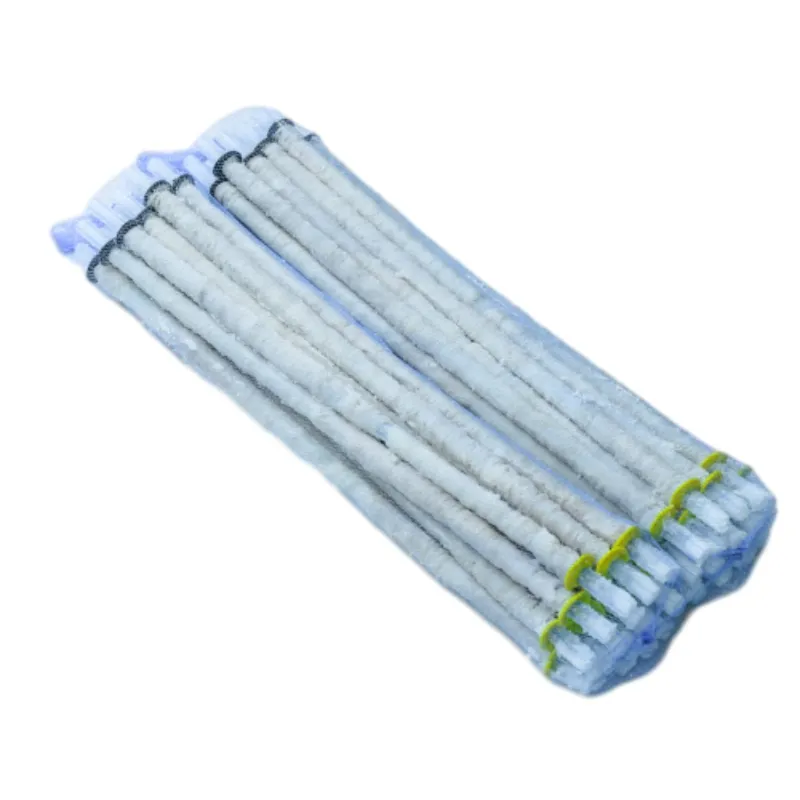
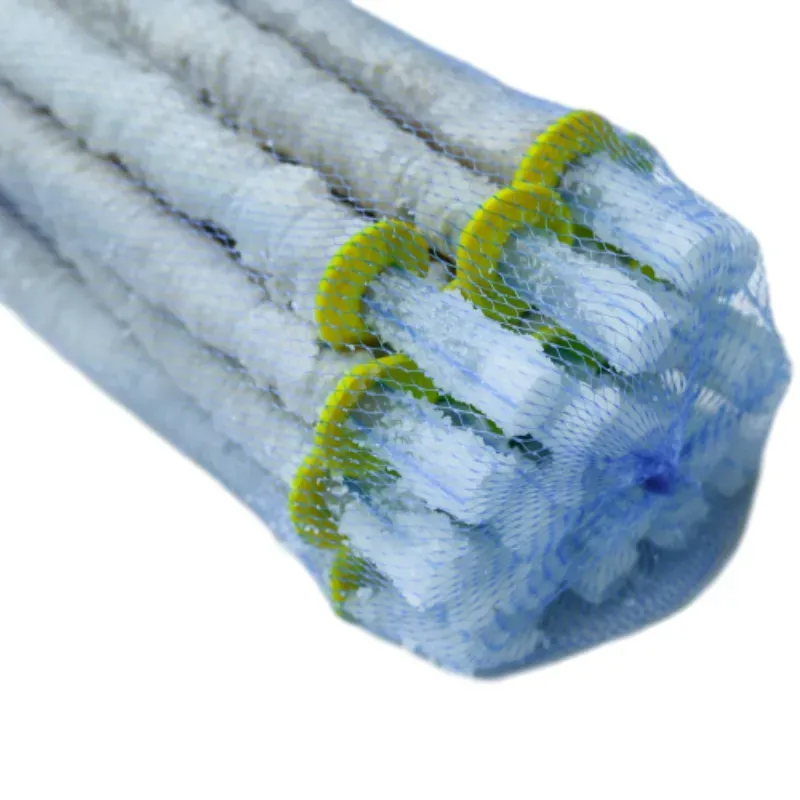
One of the key advantages of natural hog casings is the broad range of available sizes. Typically sold in hanks measuring 90 meters each, with approximately 150 hanks per cask, these casings cater to the specific requirements of different sausage types and regional preferences. The small diameter range (28-32 mm) is perfect for breakfast sausages and hot dogs that demand a delicate casing that cooks quickly and evenly.
Medium-sized casings (32-35 mm) are the classic choice for bratwurst and Italian sausages, providing a balance of firmness and tenderness. Larger sizes, ranging from 38 mm upwards, are suited for summer sausages, salami, and other cured meats, where a robust casing can handle prolonged smoking and drying processes. This size versatility ensures producers can tailor their products precisely to consumer demand and culinary tradition.
Enhanced Permeability for Superior Flavor and Quality
The permeability of salted hog casings is a crucial factor contributing to the depth of flavor in smoked and cured sausages. These natural casings allow smoke, moisture, and seasonings to penetrate the sausage evenly during cooking and aging. This permeability is vital for products like hog skins sausages, where authentic smoke flavor and moisture retention define the quality.
Unlike synthetic casings, which often form impermeable barriers, natural hog casings maintain a breathable environment, essential for fermentation and drying. This feature prevents excessive moisture buildup inside the sausage that could lead to spoilage or off-flavors. Consequently, sausages encased in natural hog casings develop complex aromas, rich textures, and longer shelf life.
Practical Advantages of Salted Hog Casings in Production
Beyond sensory qualities, salted hog casings offer practical benefits that improve efficiency and reduce production costs. Salt preservation extends the shelf life of casings without refrigeration, facilitating easier inventory management and reducing storage expenses. The consistent quality of salted casings means manufacturers experience fewer disruptions due to casing defects or breakage.
Additionally, these casings are compatible with a wide range of stuffing machines, from manual to fully automated systems, allowing seamless integration into existing production lines. The natural elasticity and strength of hog casings reduce the risk of casing failure during high-speed stuffing, enhancing throughput and product consistency. For producers aiming to combine traditional authenticity with modern efficiency, salted hog casings are an ideal solution.
Salted Hog Casings FAQs
What distinguishes salted hog casings from other types of natural casings?
Salted hog casings are specifically preserved using food-grade salt, which extends shelf life and maintains elasticity without refrigeration. Compared to other casings, hog casings are thicker and more robust, making them suitable for larger sausage types such as bratwurst and chorizo. The salting process also enhances hygiene and handling convenience.
How do I select the right size of hog casing for different sausages?
Selection depends on the sausage type and diameter required. Smaller diameters (28-32 mm) suit breakfast sausages and hot dogs; medium sizes (32-35 mm) work well for bratwurst and Italian sausages, while larger sizes (38 mm and above) are ideal for summer sausages and salami. Suppliers usually provide sizing charts to assist producers in choosing the optimal casing diameter.
Can salted hog casings be used for both fresh and cured sausages?
Yes, salted hog casings are versatile enough to be used in fresh, smoked, or cured sausage products. Their permeability allows for proper smoke absorption and moisture exchange, essential in curing and drying processes. This adaptability makes them a popular choice across a wide range of sausage styles.
What is the best way to prepare salted hog casings before use?
Casings should be soaked in clean, cold water for several hours to remove excess salt and rehydrate the material. Some producers recommend a brief soak in lukewarm water afterward to improve pliability. Proper preparation ensures casings remain elastic and easier to stuff without tearing.
Why are natural hog casings preferred over synthetic alternatives?
Natural hog casings provide superior texture, flavor enhancement, and breathability, which are difficult to replicate with synthetic casings. They offer the traditional “snap” that consumers expect and allow smoke and seasoning penetration critical to many sausage varieties. Additionally, natural casings are biodegradable and considered more environmentally friendly.