Apr . 04, 2026 02:45
Understanding Intestinal Casing: A Comprehensive Guide
Intestinal casing, also known as sausage casing, is a vital component in meat processing, playing a crucial role in the creation of sausages and other processed meat products. It’s more than just a wrapper; it influences the texture, flavor, and overall quality of the final product. At RTCasing, we specialize in providing high-quality intestinal casings to meet the diverse needs of our global clientele. This article will explore the types, applications, benefits, and sourcing of intestinal casings, offering a detailed understanding for both industry professionals and those curious about this essential food ingredient.

Types of Intestinal Casing
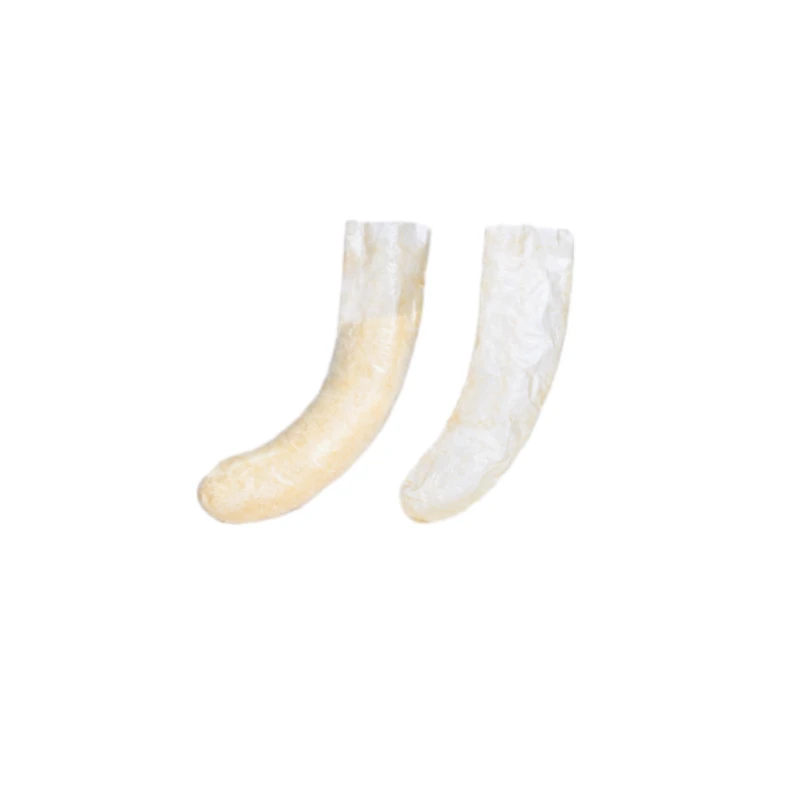
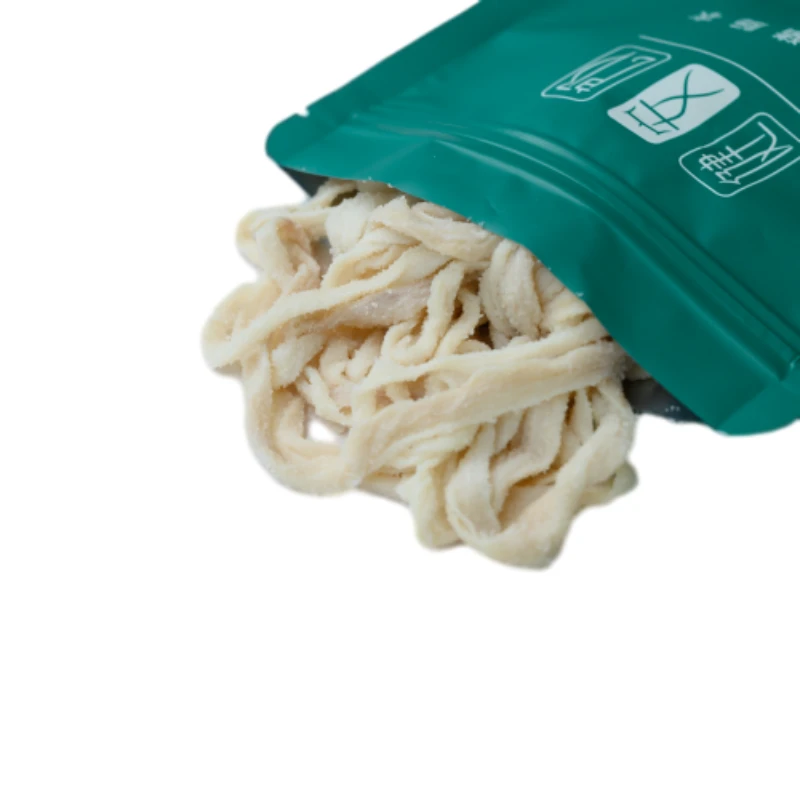
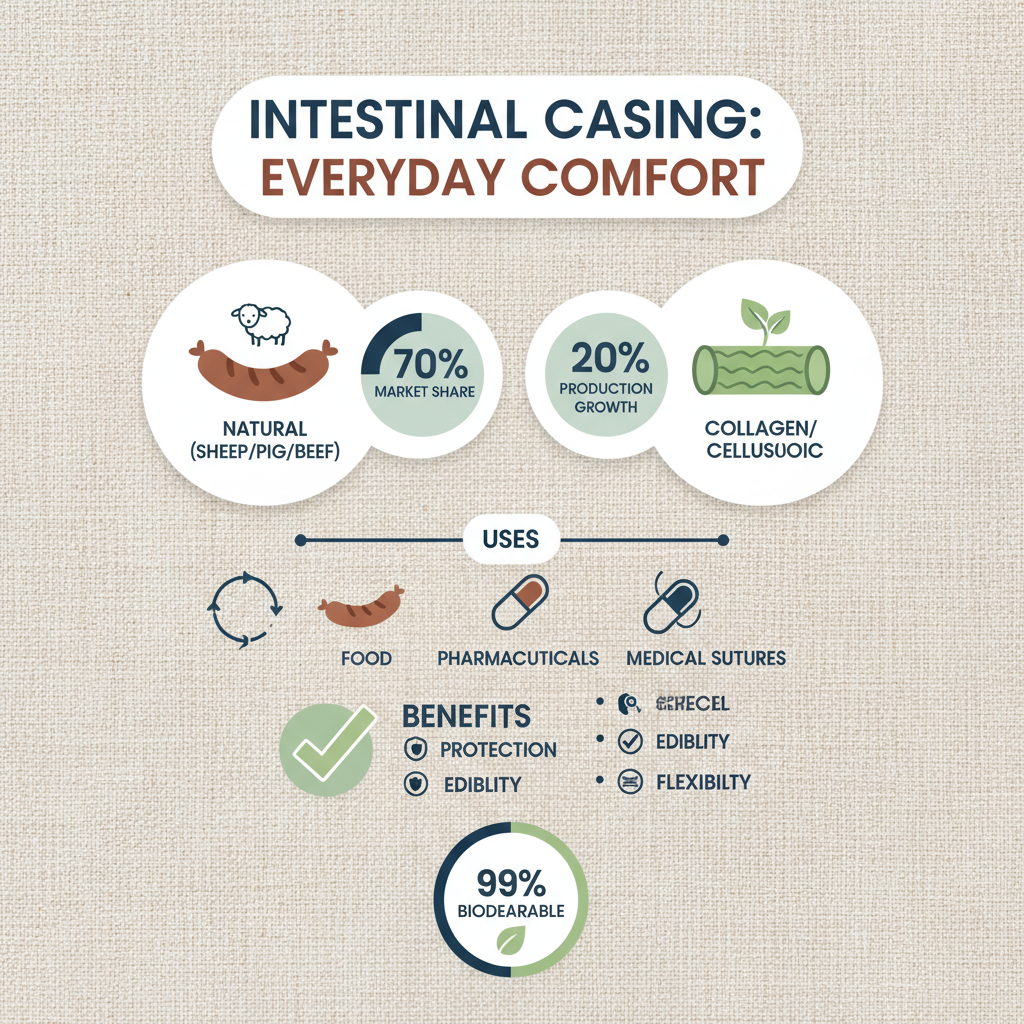
Intestinal casings are broadly categorized into natural and artificial types. Natural casings, sourced from the intestines of animals like hogs, sheep, and cattle, are prized for their breathability and the unique snap and texture they impart to sausages. Artificial casings, created from collagen, cellulose, or plastic, offer consistency and convenience. Each type possesses distinct characteristics suitable for different applications. The choice depends on the desired outcome – a traditional, artisanal product or a high-volume, standardized production. Understanding these differences is key to selecting the right casing for your needs.
Natural Intestinal Casing: A Closer Look
Natural casings are highly valued for their ability to allow smoke to permeate the sausage during cooking, creating a distinctive flavor. They are also permeable to water vapor, preventing the sausage from bursting during the cooking process. Different animal sources yield different casing sizes and textures. Hog casings are the most common, used for a wide variety of sausages. Sheep casings are smaller, ideal for smaller sausages like breakfast links. Beef casings are the largest, typically used for larger diameter sausages like bologna. RTCasing sources natural casings from carefully selected suppliers, ensuring consistent quality and adherence to stringent hygiene standards.
Key Benefits of Natural Casings: Superior texture and ‘snap’, permeability to smoke and water vapor, traditional flavor enhancement, and a natural product origin.
Artificial Intestinal Casing Options
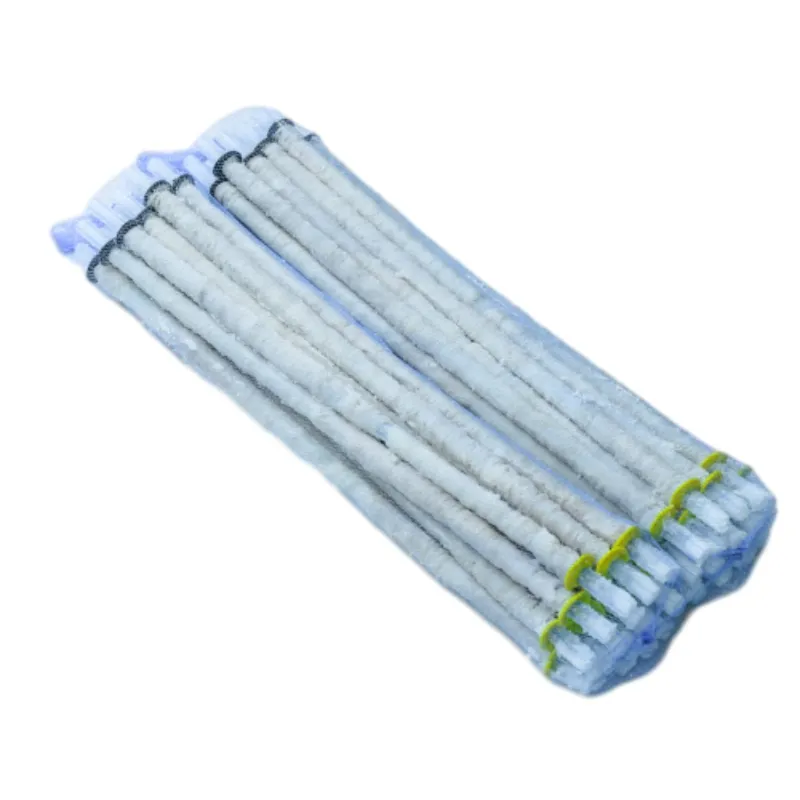
Artificial casings offer several advantages, including consistent diameter, ease of use, and cost-effectiveness. Collagen casings are derived from animal hides and offer excellent texture and are edible. Cellulose casings are plant-based and are generally used for smoked sausages, as they are not edible but peel easily after cooking. Plastic casings provide a tight seal and are often used for cooked sausages and deli meats. The selection of an artificial casing type depends on the specific product requirements and processing parameters.
Artificial Casing Benefits: Consistency in diameter, ease of handling, cost-effectiveness, and suitability for high-volume production.
• Collagen: Edible, good texture.
• Cellulose: Not edible, easy to peel.
• Plastic: Tight seal, ideal for cooked products.
Natural vs. Artificial Casing: A Comparative Overview
Choosing between natural and artificial intestinal casing requires careful consideration of product characteristics and processing capabilities. Here’s a comparison:
Sourcing High-Quality Intestinal Casings with RTCasing
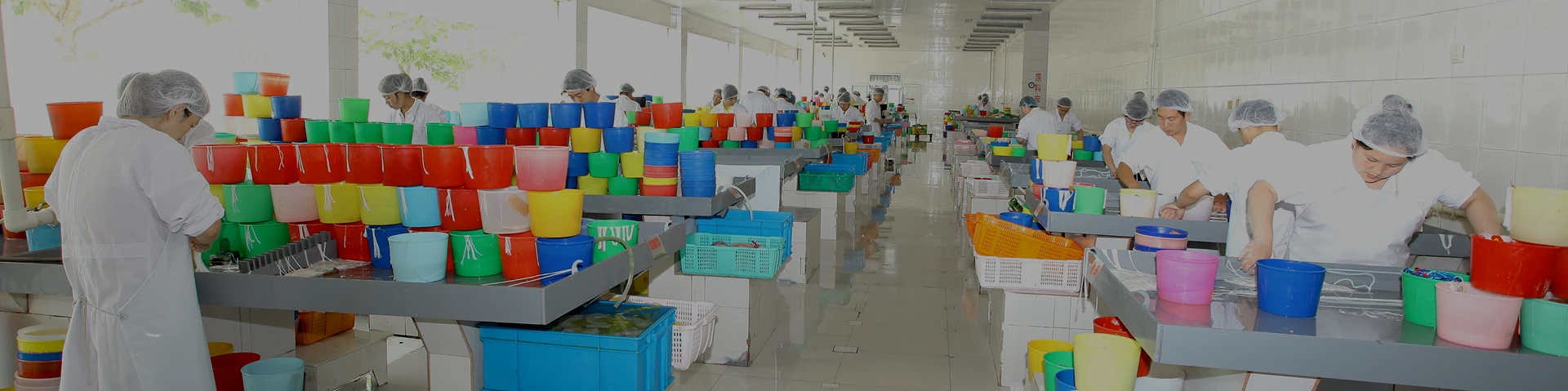
RTCasing is committed to providing superior intestinal casings sourced from trusted and ethical suppliers. We offer a comprehensive range of natural and artificial casings to meet the diverse needs of our clients. Our rigorous quality control processes ensure that all casings meet international standards for food safety and hygiene. We serve a global clientele, offering competitive pricing and reliable delivery. Contact us today to discuss your specific casing requirements and experience the RTCasing difference.
Frequently Asked Questions (FAQs)
How should intestinal casings be stored?
Proper storage is critical to maintain casing quality. Natural casings should be stored in a cool, dry place, preferably refrigerated or frozen. Avoid exposure to direct sunlight or heat. Artificial casings should be stored according to the manufacturer’s instructions, typically in a cool, dry environment. Ensure the casings are protected from pests and contaminants. Optimal storage conditions extend the shelf life and preserve the integrity of the casings.
What is the typical shelf life of intestinal casings?
The shelf life varies depending on the type of casing and storage conditions. Natural casings, when properly refrigerated, can last for several months. Frozen natural casings can be stored for up to a year. Artificial casings generally have a longer shelf life, often exceeding a year, but it's crucial to check the manufacturer’s expiration date. Always inspect casings for any signs of deterioration before use.
Are casings pre-treated with anything?
Many casings, particularly natural casings, are pre-treated with salt to preserve them and inhibit bacterial growth. Some artificial casings may also be treated with solutions to enhance their properties, such as permeability or elasticity. It's essential to understand any pre-treatment and adjust your processing methods accordingly. RTCasing provides detailed specifications for all our casings, including information on any pre-treatment processes.
How do I determine the correct casing size for my sausages?
Casing size is typically indicated by a ring number or diameter in millimeters. The appropriate size depends on the desired diameter of your finished sausage. Refer to a casing size chart to select the correct size based on your specific product. It's often helpful to test different sizes to achieve the ideal result. RTCasing can provide guidance on selecting the appropriate casing size for your application.