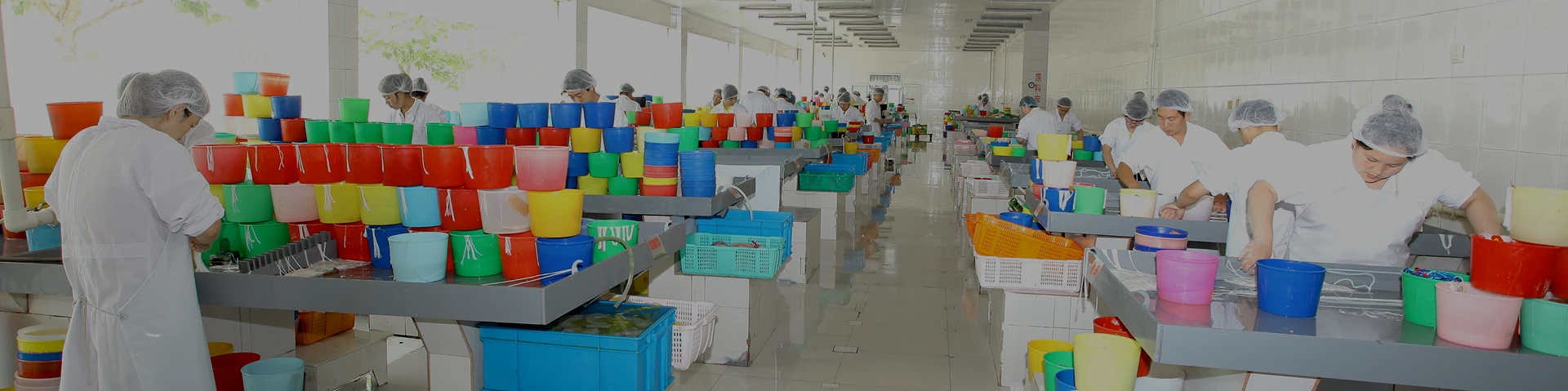
Oct . 10, 2025 18:25
Understanding natural hog casings for sale: A Comprehensive B2B Guide
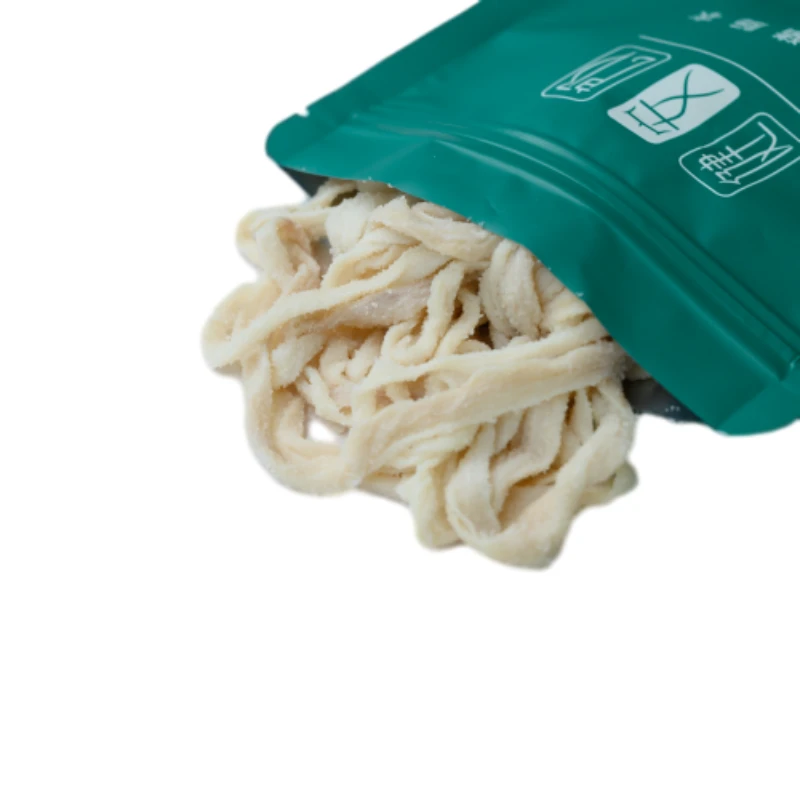
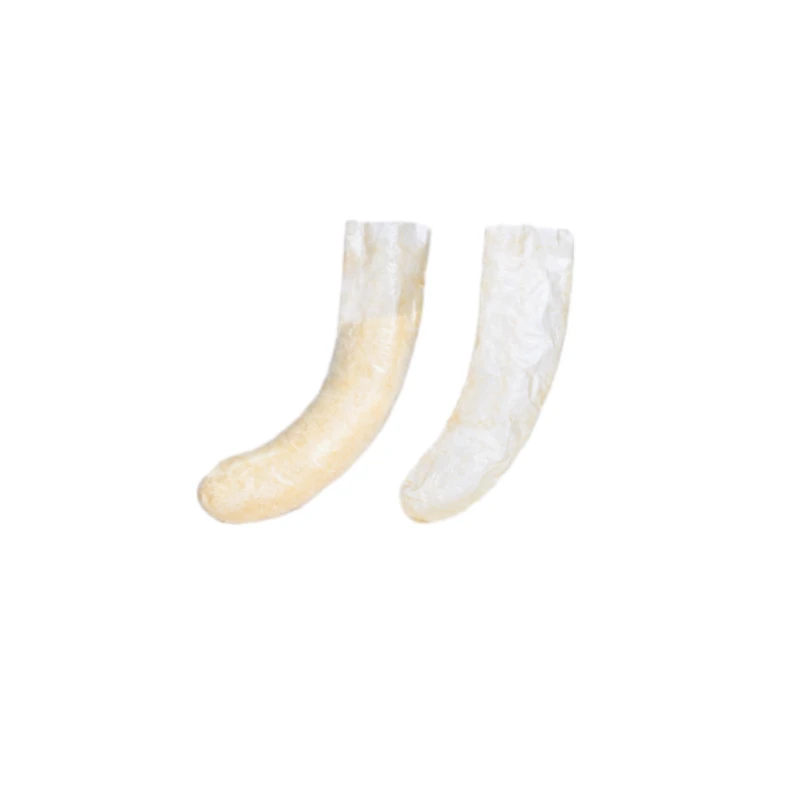
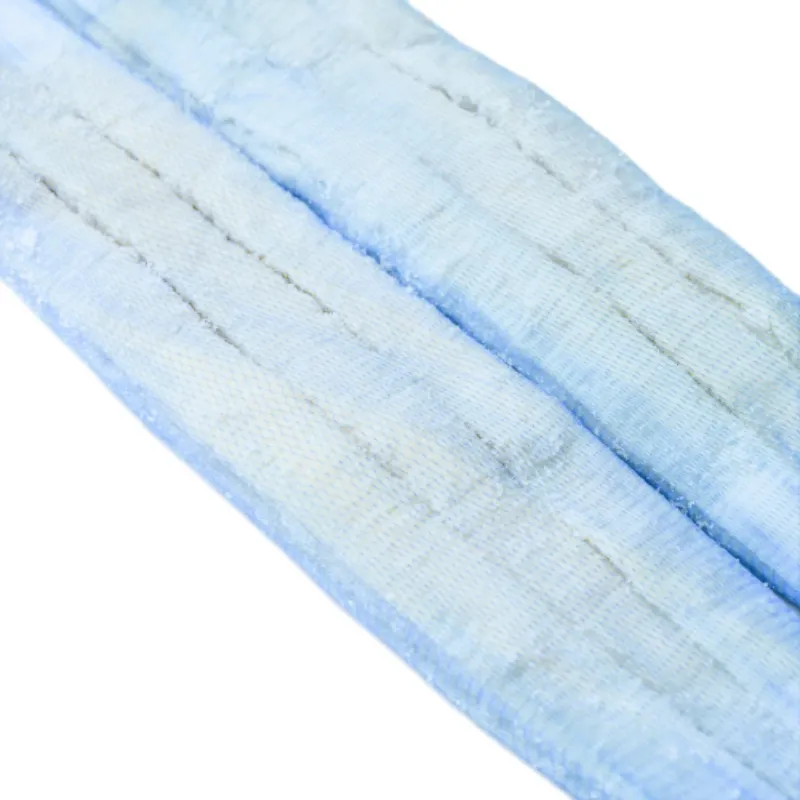
In the highly specialized sector of meat processing and sausage manufacturing, the integrity and quality of casings are paramount. For businesses seeking premium sausage envelopes, the demand for high-grade natural hog casings is consistently strong. These casings, derived from the sub-mucosa layer of hog intestines, are prized for their exceptional permeability, natural snap, and ability to enhance the flavor and texture of sausages. This guide offers a deep dive into the technical aspects, market trends, and strategic considerations for procurement professionals and product development teams evaluating natural hog casings for sale.
Our focus is on providing B2B insights into salted hog casings, detailing their manufacturing, technical specifications, diverse applications, and the competitive advantages they offer in a demanding market. We aim to equip you with the knowledge to make informed decisions, ensuring your sausage products meet the highest standards of quality and consumer appeal.
Industry Trends and Market Dynamics for Pork Casing
The global market for natural casings, particularly pork casing, is driven by several key trends. There's a persistent consumer preference for traditional and natural food products, which directly benefits natural casings over synthetic alternatives. Furthermore, increasing demand for processed meats, especially sausages, in emerging economies, coupled with stricter food safety regulations, is shaping the industry landscape. Manufacturers offering high-quality, traceable, and ethically sourced hog casings are gaining a competitive edge. The market is also seeing innovations in processing and preservation techniques to extend shelf life and maintain product integrity, crucial for global distribution.
According to recent industry analysis, the global natural casings market is projected to grow significantly, with natural hog casings forming a substantial segment due to their versatility and cost-effectiveness. The increasing demand for artisanal and gourmet sausages also fuels the need for premium natural hog casings that impart superior texture and flavor.
The Manufacturing Process: From Raw Material to Salted Hog Casings
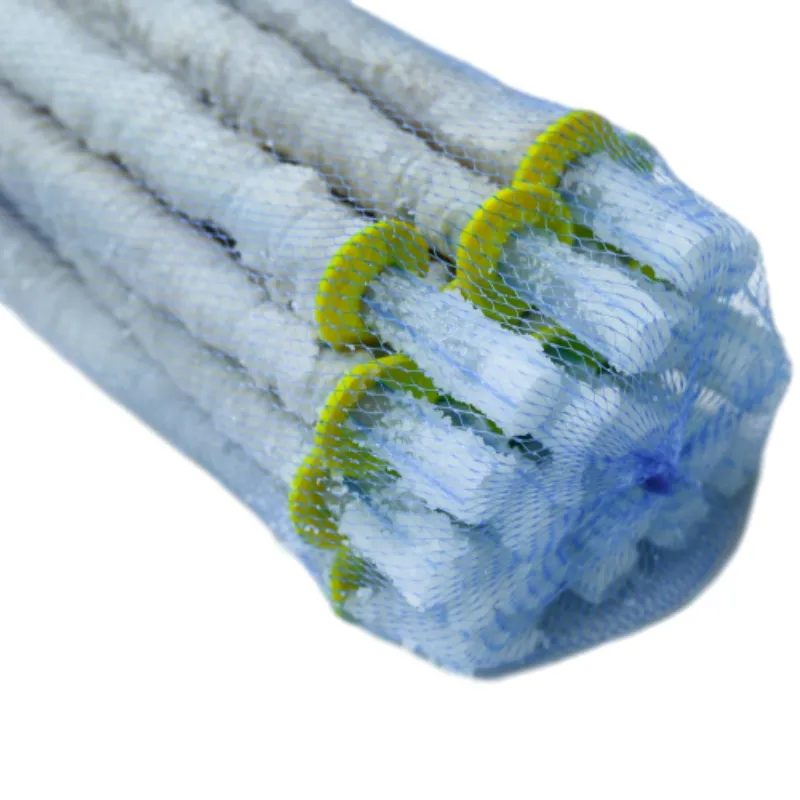
The production of high-quality natural hog casings for sale is a meticulous process that begins immediately after slaughter to ensure freshness and hygiene. The process involves several critical stages, each contributing to the final product's quality and performance.
- Raw Material Acquisition & Initial Cleaning: Fresh hog intestines are collected and immediately subjected to a preliminary cleaning process to remove gross contaminants. The material integrity is paramount, requiring quick handling to prevent bacterial growth.
- Fattening and Flushing: The intestines are carefully 'fattened' to separate the various layers and then thoroughly flushed with water to remove internal contents. This mechanical process is gentle yet effective.
- Slime Removal (Scraping/Degreasing): The outer muscular and serous layers, along with the inner mucosal layer (slime), are carefully removed. This is often achieved through a combination of manual scraping and automated degreasing machines, leaving only the strong, permeable sub-mucosa layer. This stage is crucial for achieving the desired strength and elasticity of the hog casing for sale.
- Washing and Rinsing: Multiple vigorous washing and rinsing cycles using potable water are performed to eliminate any residual impurities and ensure a clean product.
- Calibration and Selection: Casings are then meticulously sorted by diameter (calibrated) and length. Skilled technicians inspect each casing for defects, ensuring only intact, high-quality pieces proceed. This selection process is vital for consistent sausage production.
- Salting and Curing: The selected casings are heavily salted (typically with food-grade sodium chloride) to cure and preserve them. This process draws out moisture, inhibits microbial growth, and allows for long-term storage and transportation without refrigeration, maintaining the integrity of the pork casing for sausage.
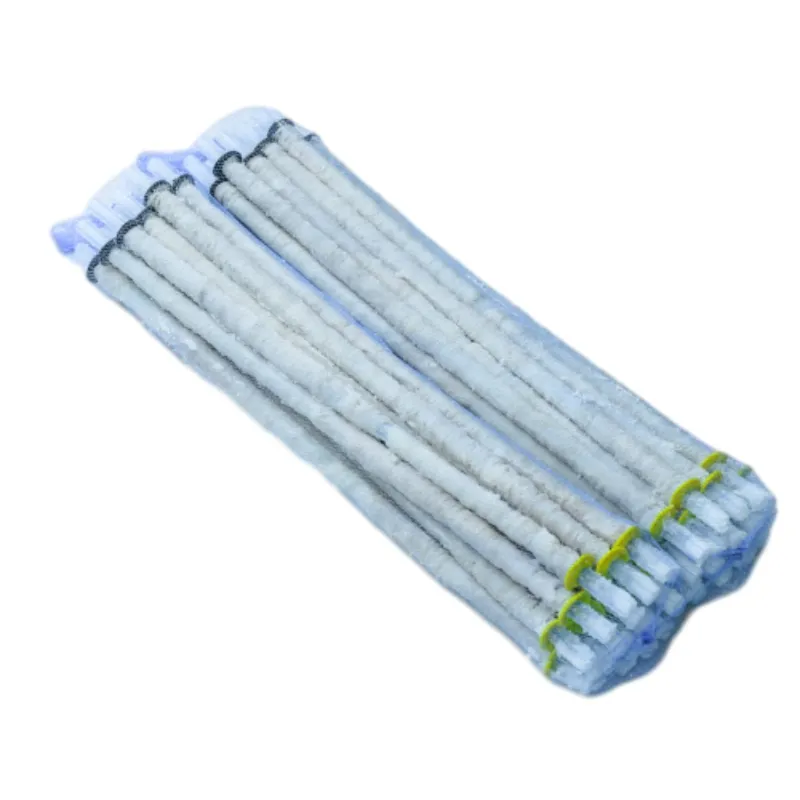
- Packaging: The salted casings are then packed in barrels or pails, often in brine, ready for shipment. Proper packaging ensures the casings remain moist and flexible until use.
Throughout this process, stringent quality control measures are implemented. Testing standards adhere to international food safety regulations such as HACCP, ISO 22000, and often specific local food authority guidelines (e.g., FDA for the US market). The service life of properly salted and stored hog casings can extend up to two years, provided they are kept in a cool, dark place away from direct sunlight.
Technical Specifications and Product Parameters
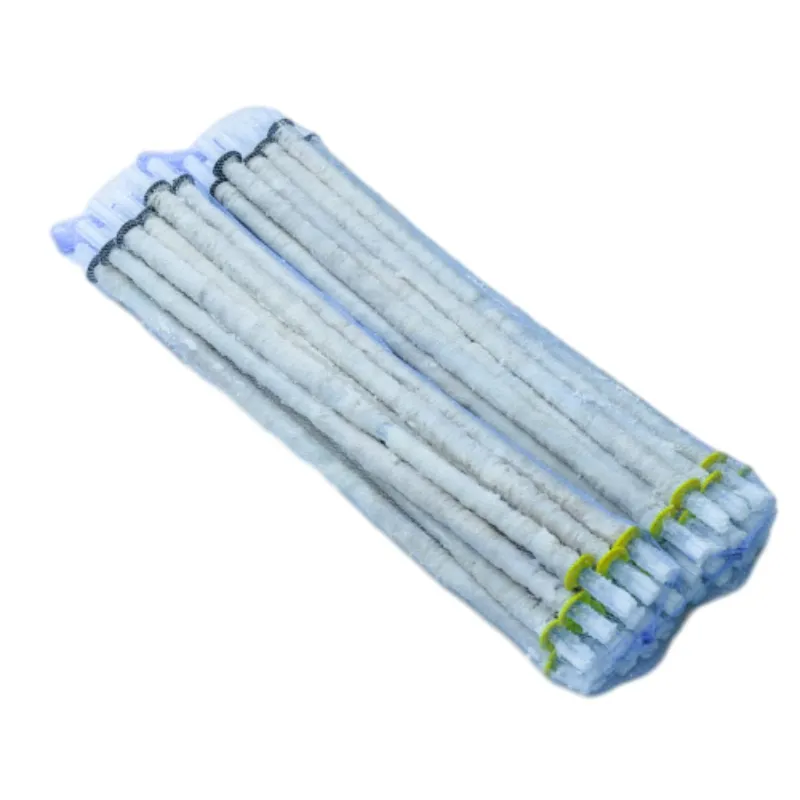
Understanding the technical specifications of natural hog casings is crucial for consistent product formulation and production efficiency. Key parameters include caliber (diameter), length, strength, and salt content.
Application Scenarios and Target Industries
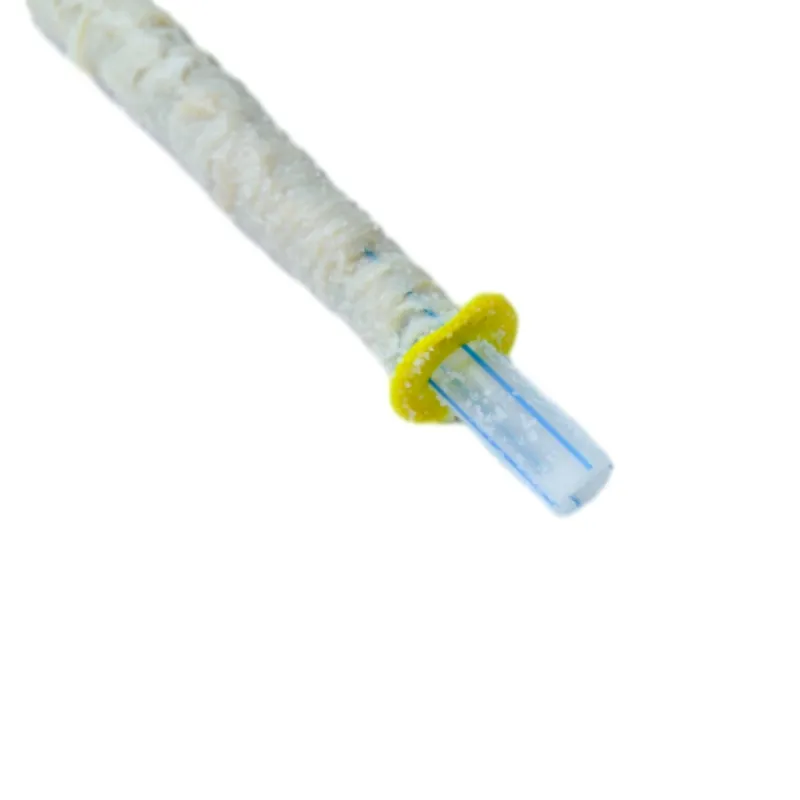
The versatility of hog casing for sale makes it indispensable across a broad spectrum of meat processing operations. Its natural characteristics are particularly suited for products where traditional texture and flavor development are priorities.
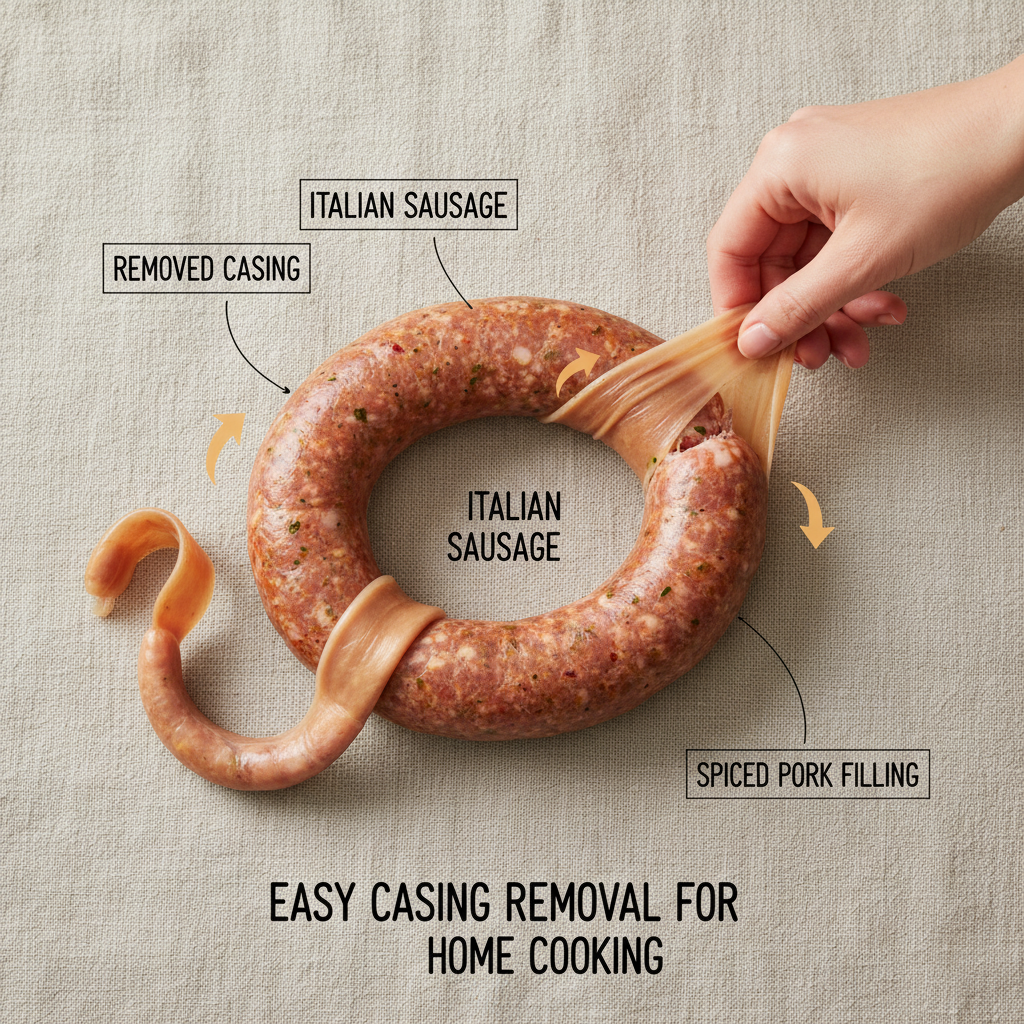
- Fresh Sausages: Ideal for products like Italian sausage, breakfast links, and various country sausages, where a tender bite and excellent flavor retention are desired. The casing contributes to the appealing sizzle and juiciness when cooked.
- Smoked & Cooked Sausages: Popular for bratwurst, frankfurters, kielbasa, and hot dogs. The permeability of natural hog casings allows smoke to penetrate effectively, imparting authentic flavor and color. They also withstand the cooking process well, providing a characteristic "snap."
- Dry & Semi-Dry Sausages: Used for products like salami and chorizo. The casing's natural properties facilitate the controlled drying and fermentation processes, allowing moisture to escape gradually while protecting the product.
- Specialty & Ethnic Sausages: Essential for a wide array of regional and ethnic sausage varieties that rely on traditional preparation methods and textures.
Target industries include large-scale commercial sausage manufacturers, artisanal butchers, food service providers, and specialty meat processors. The demand spans from those requiring high-volume standardized casings to those needing specific calibers and qualities for premium, handcrafted products.
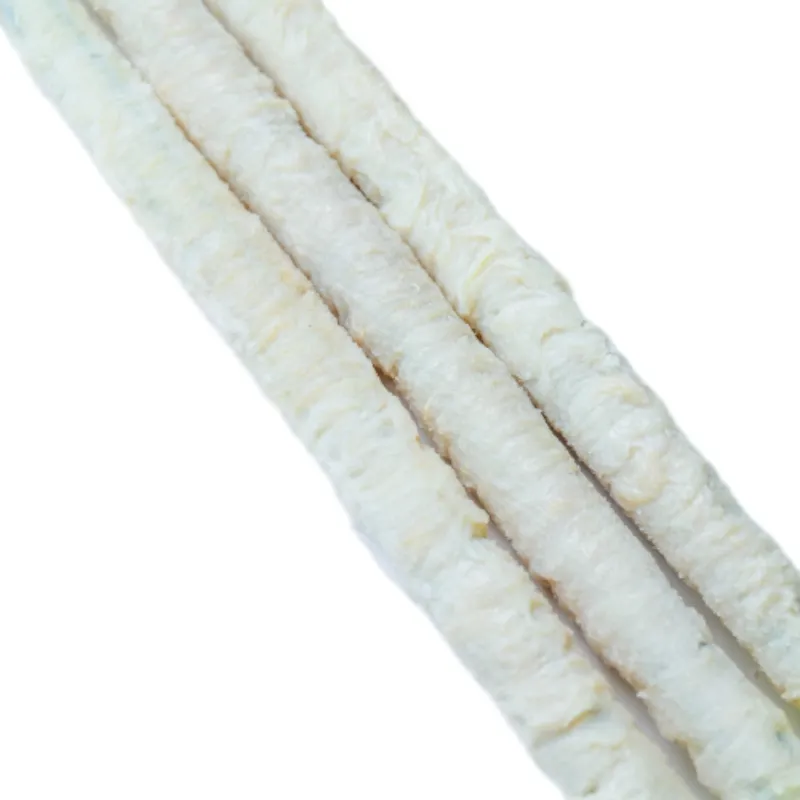
Technical Advantages of Natural Hog Casings
Choosing pork casing for sausage over synthetic alternatives offers distinct technical and sensory advantages critical for product differentiation and consumer satisfaction.
- Superior Permeability: Natural casings allow for excellent smoke penetration during processing and moisture transfer during drying or cooking. This facilitates the development of complex flavors and aromas, which is often difficult to achieve with impermeable synthetic casings.
- Authentic "Snap": The unique collagen structure of natural hog casings provides an unparalleled, tender "snap" or "bite" that is highly desired by consumers and is a hallmark of premium sausages.
- Flavor Enhancement: Unlike synthetic options, natural casings contribute positively to the overall eating experience by allowing the sausage meat's flavors to fully develop and integrate, without imparting any artificial taste.
- Excellent Adhesion: Natural casings adhere well to the sausage emulsion, minimizing fat and moisture loss, and preventing undesirable voids within the product. This contributes to a plump, appealing final product.
- Visual Appeal: The translucent quality of natural casings allows the internal color and texture of the sausage to show through, enhancing appetite appeal. They also shrivel naturally during drying, a characteristic valued in traditional cured products.
- Biodegradable: As a natural product, hog casings are fully biodegradable, aligning with growing environmental sustainability concerns.
These advantages are particularly critical for brands that prioritize quality, tradition, and a superior consumer experience.
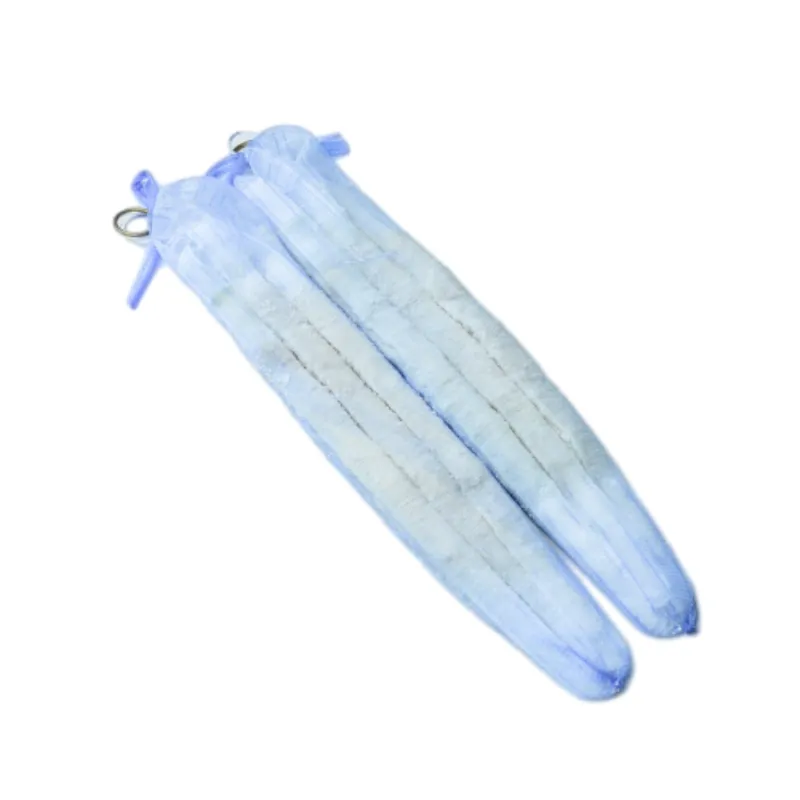
Vendor Comparison and Selection Criteria for Natural Hog Casings
Selecting the right supplier for natural hog casings is paramount for maintaining product quality and operational efficiency. When evaluating vendors, B2B buyers should consider several critical factors beyond just price.
Partnering with a reputable vendor like RTCasing, which has years of specialized experience in natural casings, ensures not only product excellence but also supply chain reliability and adherence to global food safety standards. Their commitment to quality and consistency is backed by stringent internal protocols and external certifications, providing peace of mind for B2B clients.
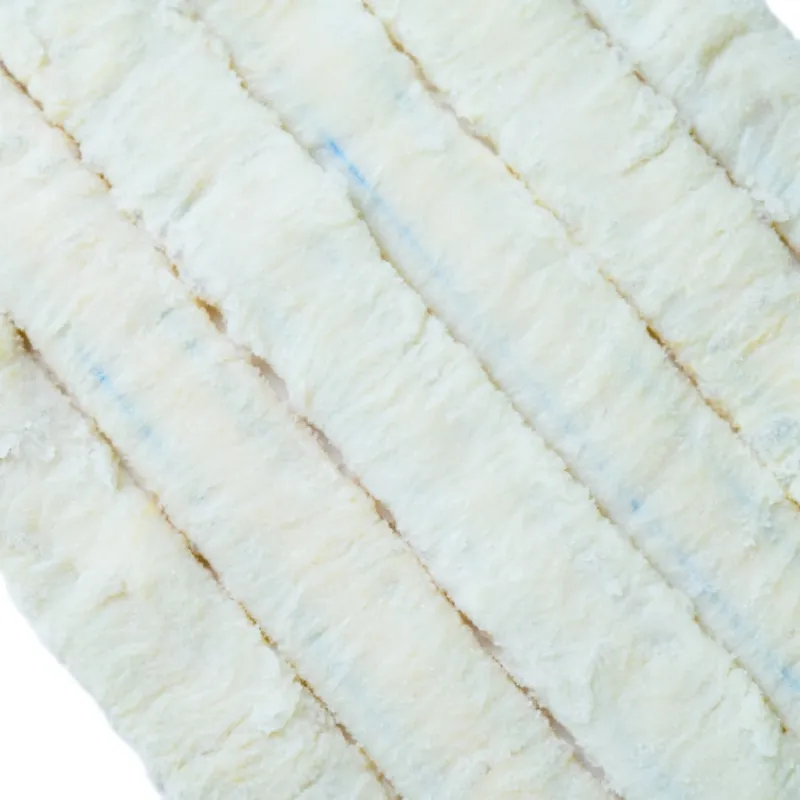
Customized Solutions for Specific Production Needs
Recognizing that every sausage manufacturer has unique requirements, leading suppliers offer customized solutions for their pork casing needs. This goes beyond standard product offerings and includes:
- Specific Caliber Ranges: Precision sorting to provide very specific diameter ranges (e.g., 30/31mm instead of 30/32mm) for highly specialized products.
- Customized Hank Lengths: Supplying hanks in non-standard lengths to optimize stuffing machine performance and minimize waste for particular production lines.
- Packaging Variations: Offering different packaging formats, such as vacuum-sealed bags within barrels, or alternative container111 sizes to fit specific storage or operational logistics.
- Pre-Flushing/Pre-Soaking: Some suppliers can offer pre-flushed or pre-soaked casings to reduce preparation time at the client's facility, especially beneficial for high-volume operations.
- Technical Consultation: Providing expert advice on casing selection, preparation, and stuffing techniques to optimize product quality and yield.
These tailored services highlight a vendor's capability to act as a strategic partner, deeply understanding and adapting to the client's manufacturing processes.
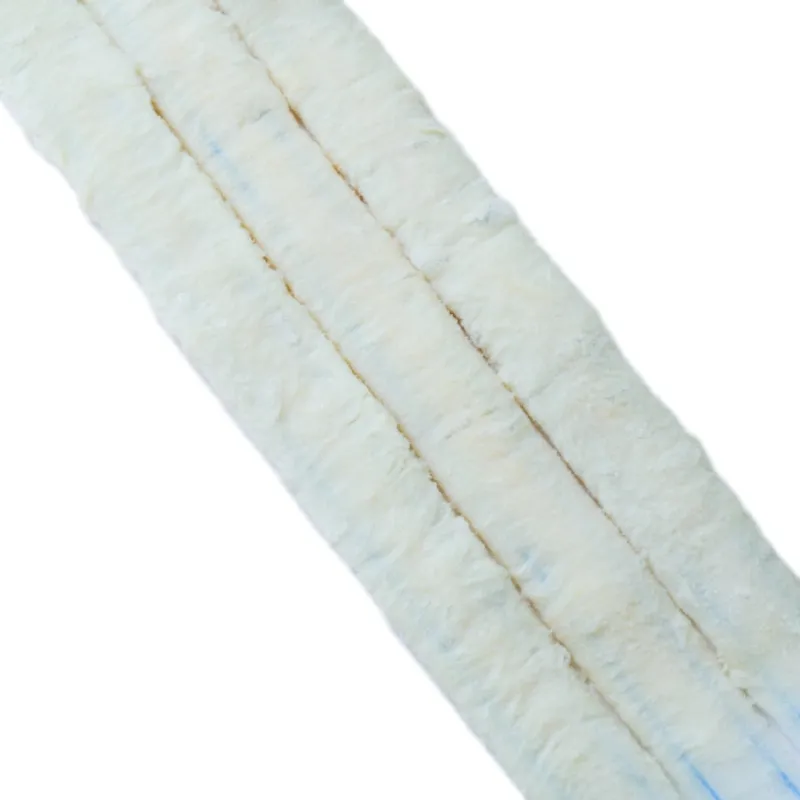
Application Case Studies: Success with Natural Hog Casings
Across the globe, numerous sausage manufacturers have leveraged the superior characteristics of natural hog casings to elevate their product lines.
Case Study 1: Premium German Bratwurst Manufacturer
A leading German bratwurst producer faced challenges with inconsistent snap and aesthetic appeal using a mixed casing supply. By consolidating their sourcing to a supplier of high-grade natural hog casings for sale, they achieved remarkable consistency in product diameter and burst strength. This resulted in a 15% reduction in production line breakages and improved consumer feedback on the "classic snap" of their bratwurst, reinforcing their brand's premium positioning.
Case Study 2: Artisanal Italian Sausage Brand
An artisanal Italian sausage brand, known for its traditional recipes, needed casings that allowed for slow, even drying and maximum flavor development. Switching to a supplier known for carefully selected natural hog casings with excellent permeability facilitated precise moisture loss during the curing process. This enhanced the depth of flavor and texture of their salami products, leading to a 20% increase in market share within the gourmet segment within two years.
Case Study 3: Global Hot Dog Producer
A large-scale hot dog manufacturer sought to differentiate its premium line with an authentic natural casing bite. By collaborating with a vendor capable of providing high-volume, consistent 32/35mm caliber natural hog casings, they launched a successful new product that captured a significant segment of the market seeking higher-quality, natural-casing hot dogs. The efficiency of the casings on automated stuffing lines also contributed to maintaining competitive production costs despite the premium ingredient.
Frequently Asked Questions (FAQ) about Natural Hog Casings
- Q: How do I prepare salted natural hog casings for stuffing?
- Q: What is the shelf life of salted hog casing for sale?
- Q: Are your pork casing products certified for food safety?
- Q: Can I request specific caliber sizes or custom lengths?
Logistics and Support: Lead Time, Warranty, and After-Sales
For B2B clients, operational continuity and reliability are crucial. We prioritize efficient logistics and comprehensive customer support.
- Lead Time & Fulfillment: Standard orders for readily available calibers typically have a lead time of 7-14 business days, depending on destination and volume. Custom orders or large volumes may require a longer lead time, which will be communicated clearly at the time of quotation. We leverage a robust global distribution network to ensure timely delivery.
- Quality Guarantee & Warranty: All our natural hog casings are backed by a quality guarantee, ensuring they meet the specified technical parameters and food safety standards at the time of shipment. In the rare event of a quality concern, we commit to prompt investigation and resolution in accordance with our terms and conditions.
- Customer Support: Our dedicated B2B support team is available to assist with product selection, technical queries, order tracking, and any post-delivery assistance. We offer multilingual support and strive for quick response times to minimize any disruption to your operations. Contact details for sales and technical support are readily available on our website.
Conclusion: The Enduring Value of Natural Hog Casings
The market for natural hog casings for sale continues to thrive, driven by a global appreciation for authentic taste, traditional texture, and the superior culinary experience they provide. For B2B stakeholders in the meat processing industry, investing in high-quality natural hog casings translates directly into enhanced product appeal, consistent operational performance, and compliance with stringent food safety regulations. Partnering with a trusted and experienced supplier ensures access to a reliable supply of premium casings, backed by expert support and customizable solutions, ultimately reinforcing brand reputation and consumer trust in a competitive landscape.
References
- Food and Agriculture Organization of the United Nations (FAO) - Meat and meat products statistics.
- International Organization for Standardization (ISO) - ISO 22000: Food safety management systems.
- Hazard Analysis and Critical Control Points (HACCP) - Principles and application guidelines.
- Journal of Food Science and Technology - Research on natural casings properties and applications.
- United States Food and Drug Administration (FDA) - Regulations for food processing and ingredients.