Jan . 03, 2026 04:45
How to Use dried hog casing in Sausage Making
Having spent more than a decade dabbling in industrial equipment — often in meat processing and packaging environments — I’ve gotten pretty familiar with dried hog casings. Oddly enough, working hands-on with these natural casings taught me there’s a lot more to them than just being a shell for sausage. They’re a bit of tradition, a bit of craft, and frankly, a bit of science all rolled into one.
If you’re new to using dried hog casing or just want a refresher, here’s the lowdown from someone who’s seen the whole process in action. The quality, preparation, and handling of these casings can make or break your sausage product — literally. So, let’s dive in.
What Are Dried Hog Casings and Why Choose Them?
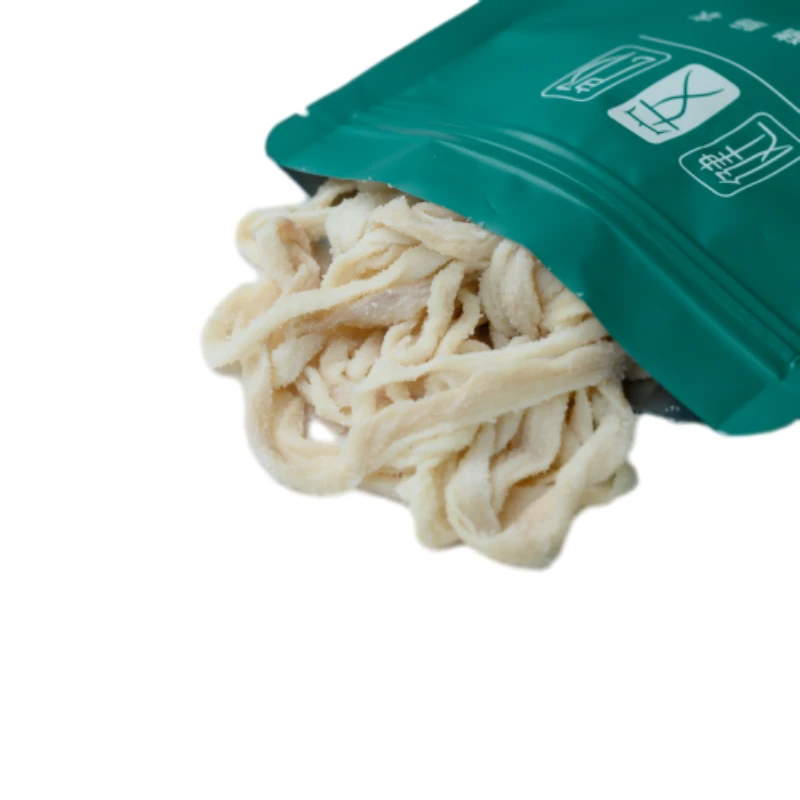
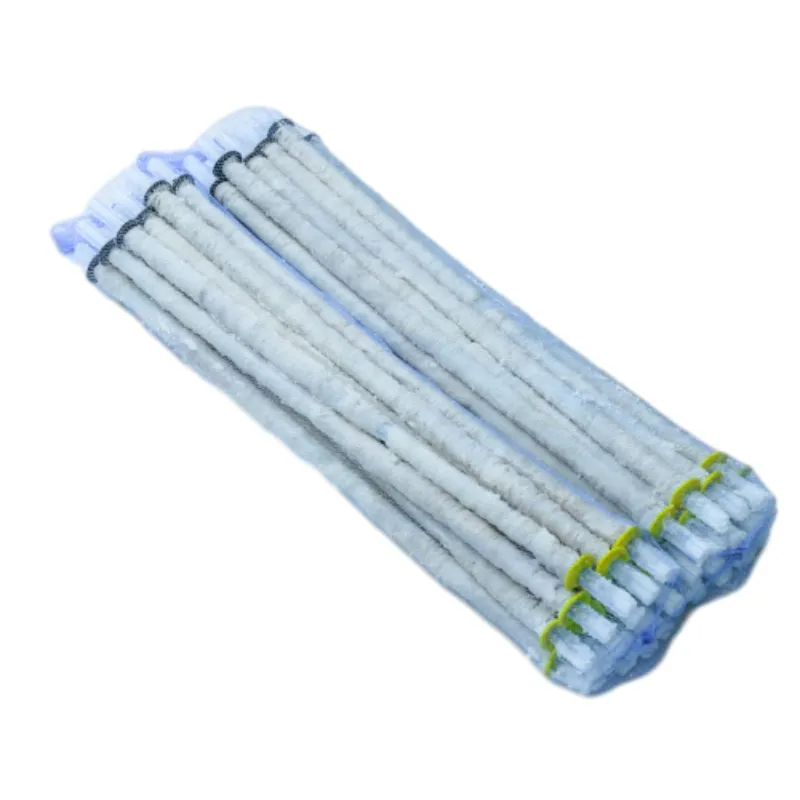
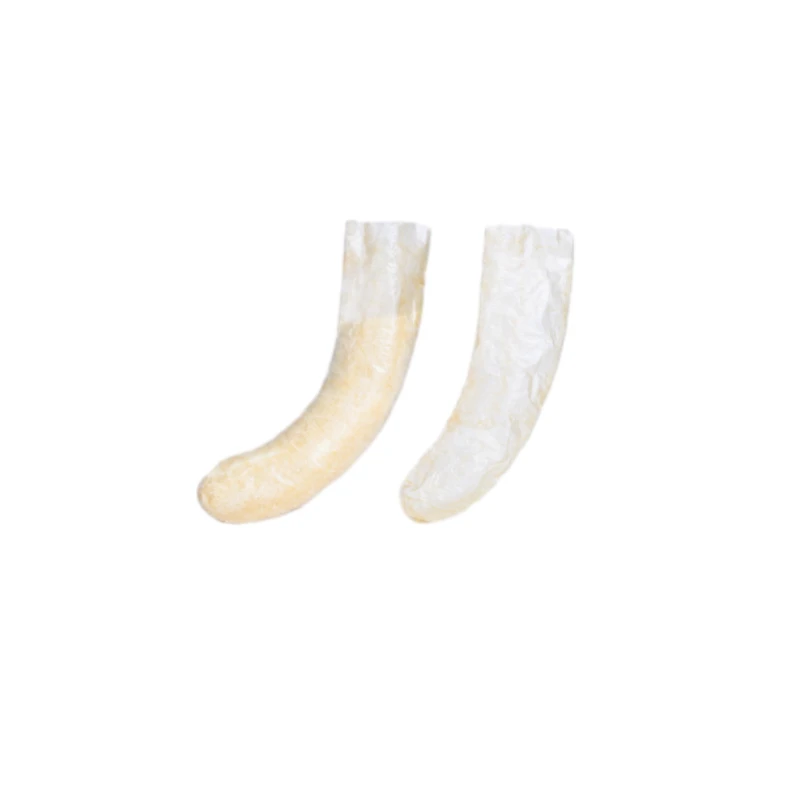
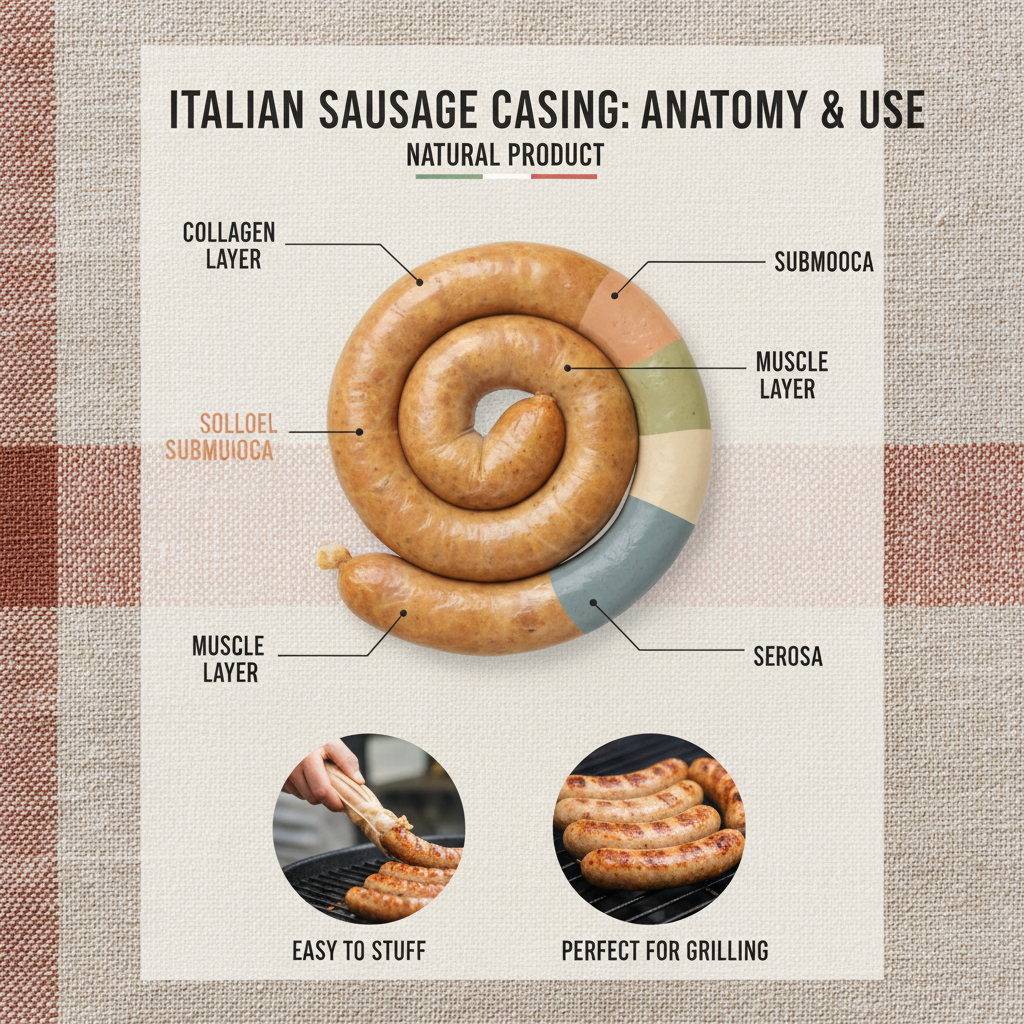
Dried hog casings come from the small intestines of pigs, cleaned and carefully dried for longevity and storage ease. Unlike fresh casings, which require immediate use, dried versions have a longer shelf life and you can keep them on hand, which is a huge plus if you’re operating a small or medium facility with fluctuating production runs.
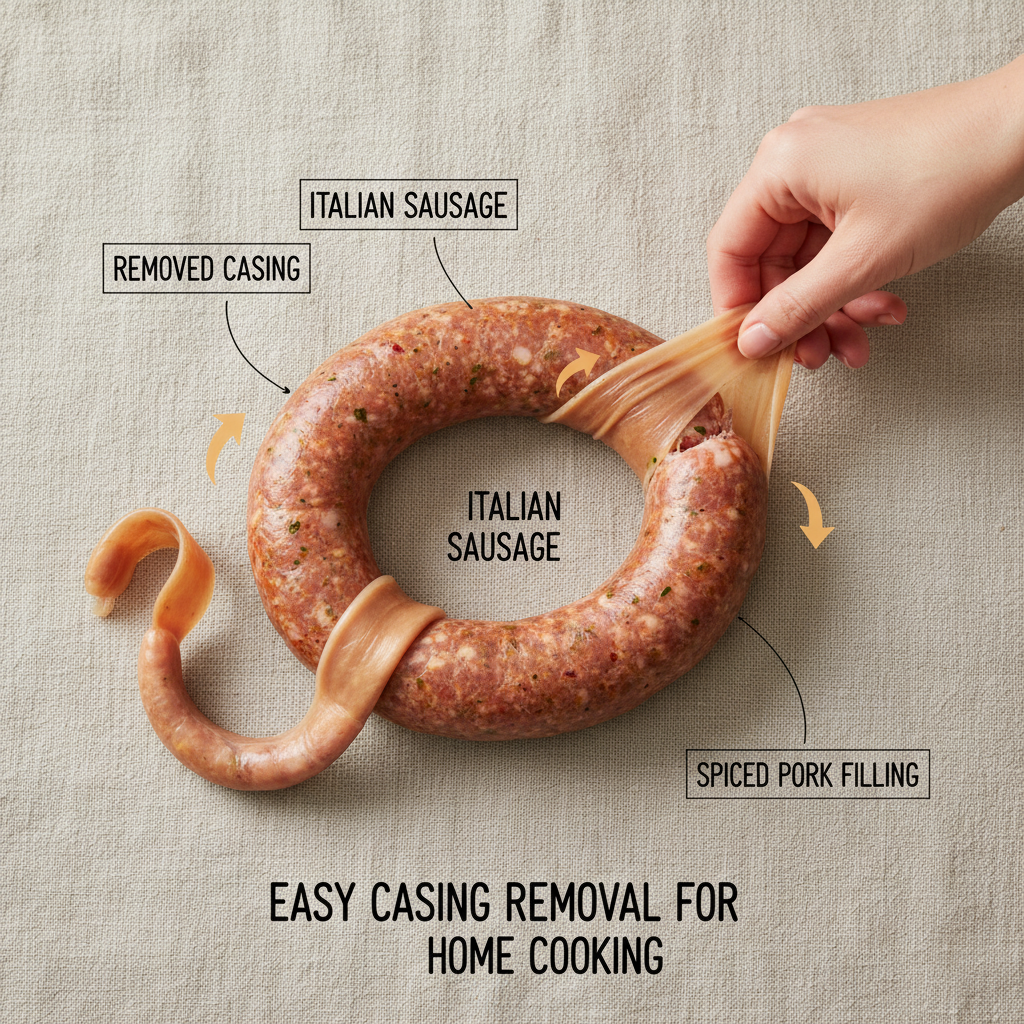
This format is a favorite in niche and artisanal sausage making because you get that traditional natural snap—the kind that synthetic casings can’t quite mimic. Plus, they’re edible and, I suppose, just feel “right” in higher-end products that prioritize quality.
Preparing Your Dried Hog Casings: A Practical Guide
Preparation is kind of the make-or-break step. You can’t just toss these into your stuffing machine. First, soak them in lukewarm water for at least 30 minutes to soften. Many folks, myself included, use filtered water—oddly enough, a bit of chlorine or hard minerals can mess with the casing texture.
Once softened, rinse inside and out to remove salt and prevent any funky flavors. Some remediation steps, like soaking in a mild citric acid solution, help bring the pH to an optimal range. This can make the casing less prone to breakage during stuffing and cooking. I remember an older colleague swearing by that step every time.
After soaking and rinsing, gently run water through the casing lengthwise using a hose or faucet to clear out any residue. Then keep them moist and cool until use, because dried casings, when left to dry unintentionally after soaking, quickly become brittle again.
Using Dried Hog Casings in Your Production Line
Stuffing with dried hog casing feels different from synthetics or collagen types. They’re a bit more delicate but offer an authentic casing experience. You’ll want to adjust your stuffing pressure accordingly to avoid tears. Also, many seasoned processors recommend pre-slipping casings on the filling horn with water or oil to ease assembly and reduce friction.
And hey, if you’re running a custom setup, you might want to explore casing sizes carefully. Dried hog casings come in a variety of diameters, which impact your final product size. That’s why having options tailored to your sausage type is crucial.
Product Specification Table for Dried Hog Casings
| Specification | Details |
|---|---|
| Material | Natural hog intestine |
| Diameter Range | 16 – 32 mm (varies by grade) |
| Length per Hank | 50 meters (approx.) |
| Packaging | Salted and dried in hanks |
| Shelf Life | Up to 2 years if stored cool/dry |
| Storage Conditions | Cool, dry, away from direct sunlight |
Vendor Comparison: Sourcing Dried Hog Casings
| Vendor | Quality | Price | Availability | Special Features |
|---|---|---|---|---|
| RT Casing | Premium, highly trimmed | Moderate | Global distribution | Custom sizing options |
| Generic Supplier A | Standard quality | Lower | Limited regional | No customization |
| High-End Casing Co. | Exceptional, hand-selected | High | Worldwide | Organic & GMO-free sources |
Some Tips From the Floor
I once watched a small artisan butcher struggle with dried casings that arrived brittle. Turns out, the storage had been too warm, and the casings dried out prematurely. Lesson learned: humidity and temperature play big roles in maintaining casing quality — more than most people realize. Always inspect your batch before starting production.
Also, consider ordering from reputable vendors. dried hog casing from well-established sources often means you’re getting consistently stripped membranes, fewer defects, and better customer support, which is critical when you rely on tight production schedules.
Finally, some sausage makers swear by “aging” soaked casings in cold water for a few hours before stuffing — allegedly easier on the teeth during cooking. Frankly, I haven’t tested it thoroughly, but it’s an interesting tidbit worth a try.
In real terms, using dried hog casing is about balancing tradition and technology — a nod to centuries-old methods, yet tuned for modern efficiency. It’s that mix that keeps me interested and guessing even after all these years.
So, whether you’re just starting or fine-tuning your production line, keep this guide handy. A little attention to detail goes a long way with natural casings, and the payoff is in that perfect sausage snap, beautiful bite, and consistent quality.
Bottom line? Good casing is where tradition meets precision, and getting it right pays delicious dividends.
- “Natural Casings for Sausage", Meat Science Review, 2021.
- RT Casing official product resources (rtcasing.com).
- Personal field notes and discussions with industry pros (2008-2023).