Jan . 03, 2026 01:45
Understanding Sheep Casing Price: What You Need to Know
If you’ve ever dabbled in the sausage-making world—or even just glanced over the industrial equipment corridors that support it—you’ve probably bumped into the term sheep casing price. It’s one of those variables that can make or break a budget, especially for manufacturers managing multiple SKUs. Now, having spent quite a few years around meat processing plants and chatting with product managers, I can tell you that pricing sheep casings isn’t as straightforward as it might seem.
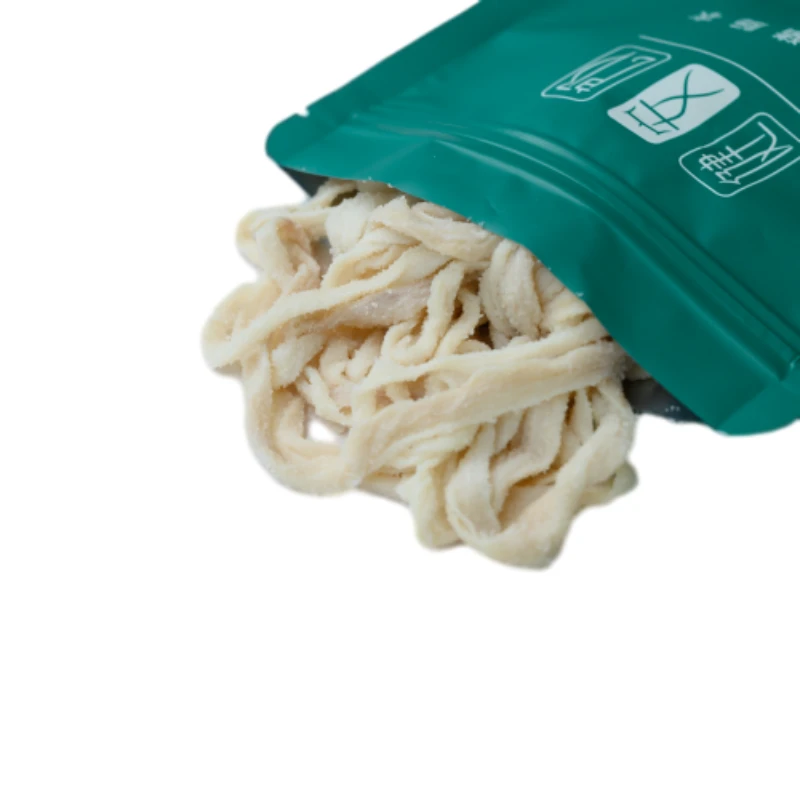
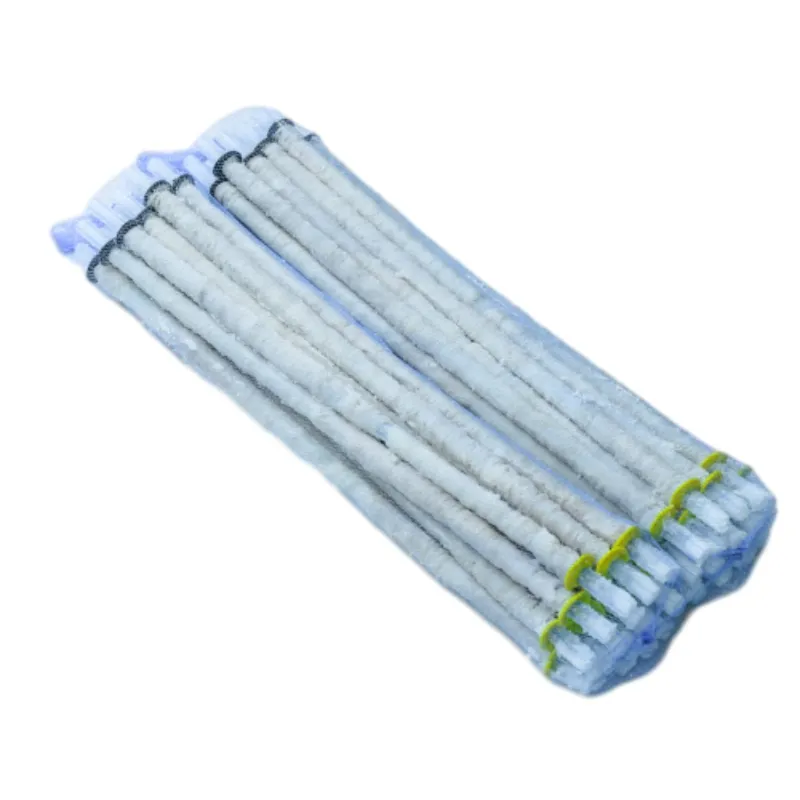
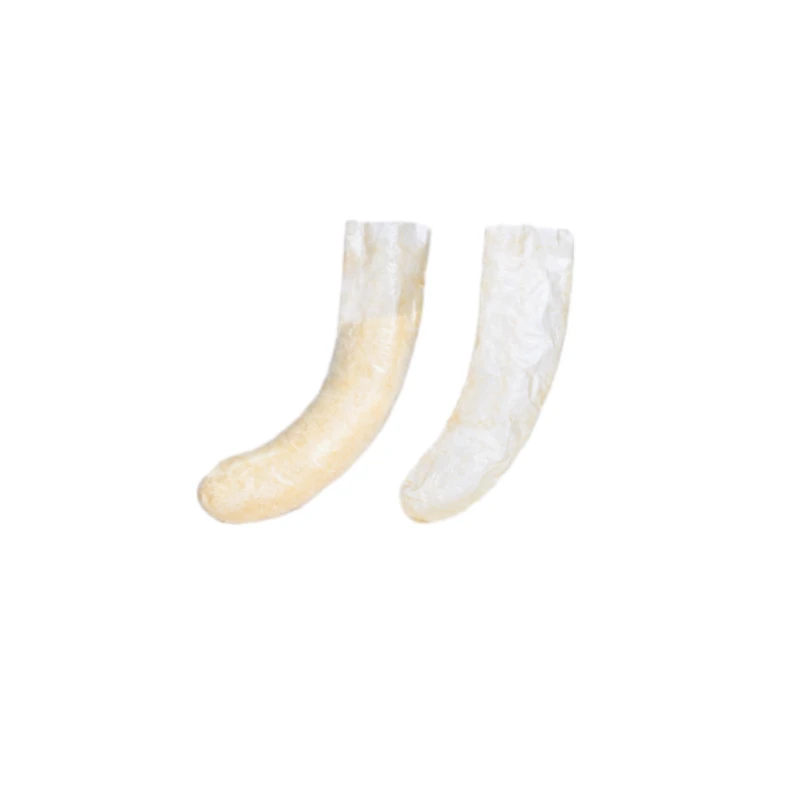
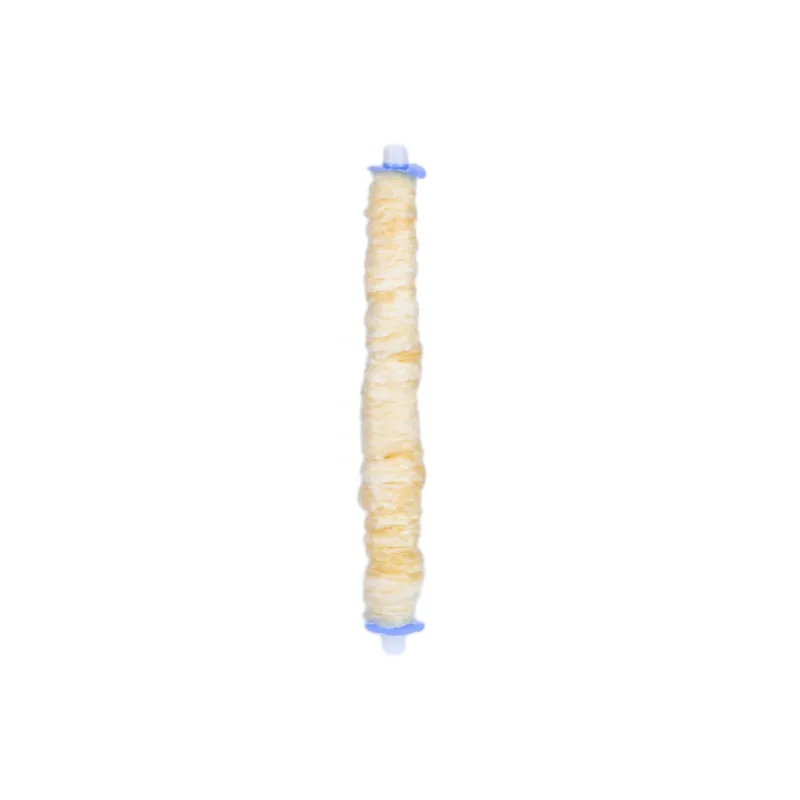
First off, sheep casings are the natural intestines of sheep, meticulously cleaned and prepared to serve as sausage casings. They’re prized for their thinness and delicate texture, which translates to a certain “bite” that synthetic casings can hardly mimic. But naturally, with natural products come natural variances—something I noticed early on when sourcing casings from different regions or suppliers.
In real terms, the price of sheep casings depends on multiple factors: the origin, how they've been processed, and the intended application. For instance, casings destined for artisanal sausages undergo more careful checking and grading. That extra care usually nudges the price up a notch.
Why the Cost Varies So Much
One thing you quickly learn is that natural casings are, by definition, variable. Weather patterns, sheep diets, and regional agricultural practices all affect the quality and supply of intestines. This variability sometimes leads to price fluctuations. Plus, global demand has been climbing steadily, with more people appreciating authentic tastes and textures in their sausages. Oddly enough, this surge in demand means suppliers have had to upscale their quality control, which can make pricing somewhat premium.
Then there’s processing—how thoroughly the casing is cleaned and prepared influences whether it’s sold as fresh, frozen, or salted. Each stage adds cost. For example, salted sheep casings last longer for storage and shipping but require extra steps and packaging. So, your budget often has to accommodate these nuances.
| Specification | Detail |
|---|---|
| Diameter | 16-22 mm (typical for snack-sized sausages) |
| Length per bundle | 50 meters (approximate average) |
| Processing Type | Salted, Frozen, or Fresh |
| Material | Natural sheep intestine |
| Typical Wholesale Price (varies by order volume and quality) |
$60 - $120 USD per 45-50m bundle |
In my own time working with several suppliers, I noticed that some could offer a visibly more consistent caliber, which—again—affects pricing. Many engineers tell me it’s the consistency that really makes a difference when it comes to large-scale automated production lines.
Comparing Vendors: What Should You Keep in Mind?
Choosing a vendor isn’t just about the cheapest cost per bundle, honestly. I’ve had clients who went for rock-bottom prices and ended up paying more down the line due to inconsistent quality, spoilage, and line stoppages. So, here’s a quick comparison I’ve gathered from my years in this trade. It’s not exhaustive but gives you a feel for what to look for:
| Vendor | Price Range (per bundle) | Quality Consistency | Delivery Time | Customization Options |
|---|---|---|---|---|
| RTCasing | $65 - $110 | High | 7-14 days | Diameter & processing customization |
| Vendor B | $55 - $95 | Medium | 10-20 days | Limited |
| Vendor C | $70 - $130 | Very High | 5-10 days | Extensive |
Frankly, a vendor like RTCasing tends to strike a nice balance: reliable quality with reasonable rates and customization, especially for small to mid-sized production runs.
Just to give you a glimpse behind the curtain: I once worked with a small family butcher who switched from synthetic to natural sheep casings. The price was noticeably higher, sure, but customer feedback was overwhelmingly positive. Their “bite” was authentic, the cooking behavior more forgiving—something you don’t put a price on, right?
Of course, natural casings require a bit more care: soaking, rinsing, making sure they’re used relatively fresh. But once you’re used to that rhythm, they quickly become an integral part of your product’s identity.
So, if you’re thinking about cost, remember that sheep casing price should always be weighed against quality, supplier reliability, and the final consumer experience. After all, sausage-making is as much an art as a science, and those subtle factors often mean the difference between “meh” and memorable.
To sum up: keep your eyes on product specs, trust vendors with proven track records, and don’t be shy to ask about customization—it’s more common than you might think! I suppose, after all these years, the one thing I’ve learned is that price tags don’t tell the whole story.
References:
- “Natural Casings: Properties & Industrial Uses,” Meat Science Journal, 2021.
- Supplier data and specification sheets from RTCasing and competitors (2023).
- Personal interviews with food technology engineers (2019-2023).