Mar . 09, 2026 02:35
Understanding Fresh Sausage Casings: A Comprehensive Guide
Fresh sausage making is a culinary art, and a crucial component to achieving a perfect product is the casing. These aren’t merely containers; they contribute to texture, “snap,” and overall flavor. At RTCasing, we specialize in providing high-quality fresh sausage casings for a variety of applications. This article will explore the types of casings, their benefits, and how to choose the right one for your sausage-making needs. We will focus on natural casings and their advantages in maintaining the traditional quality of sausage products.
What are Fresh Sausage Casings?
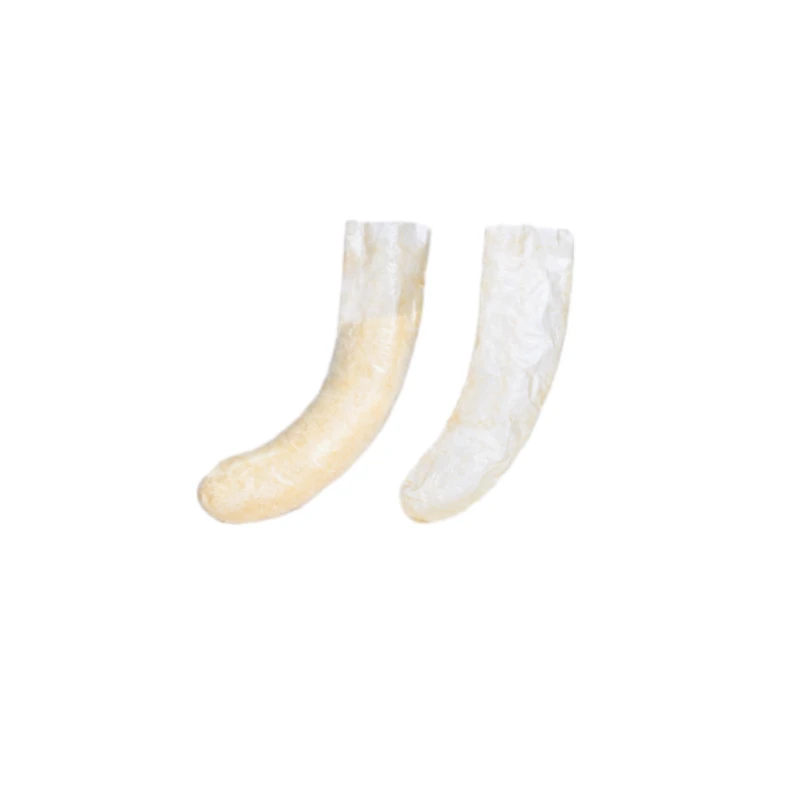
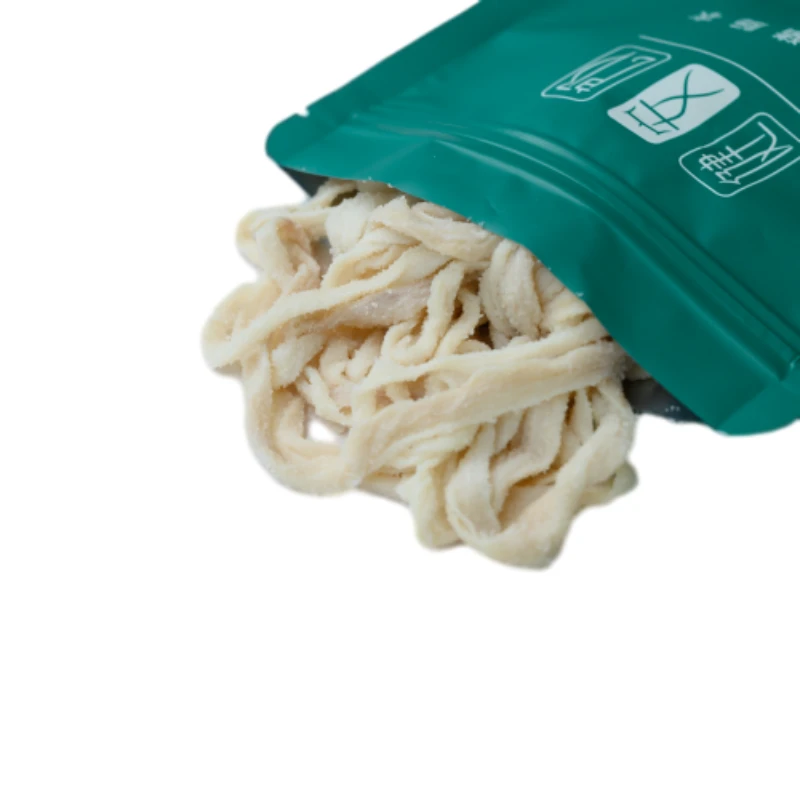
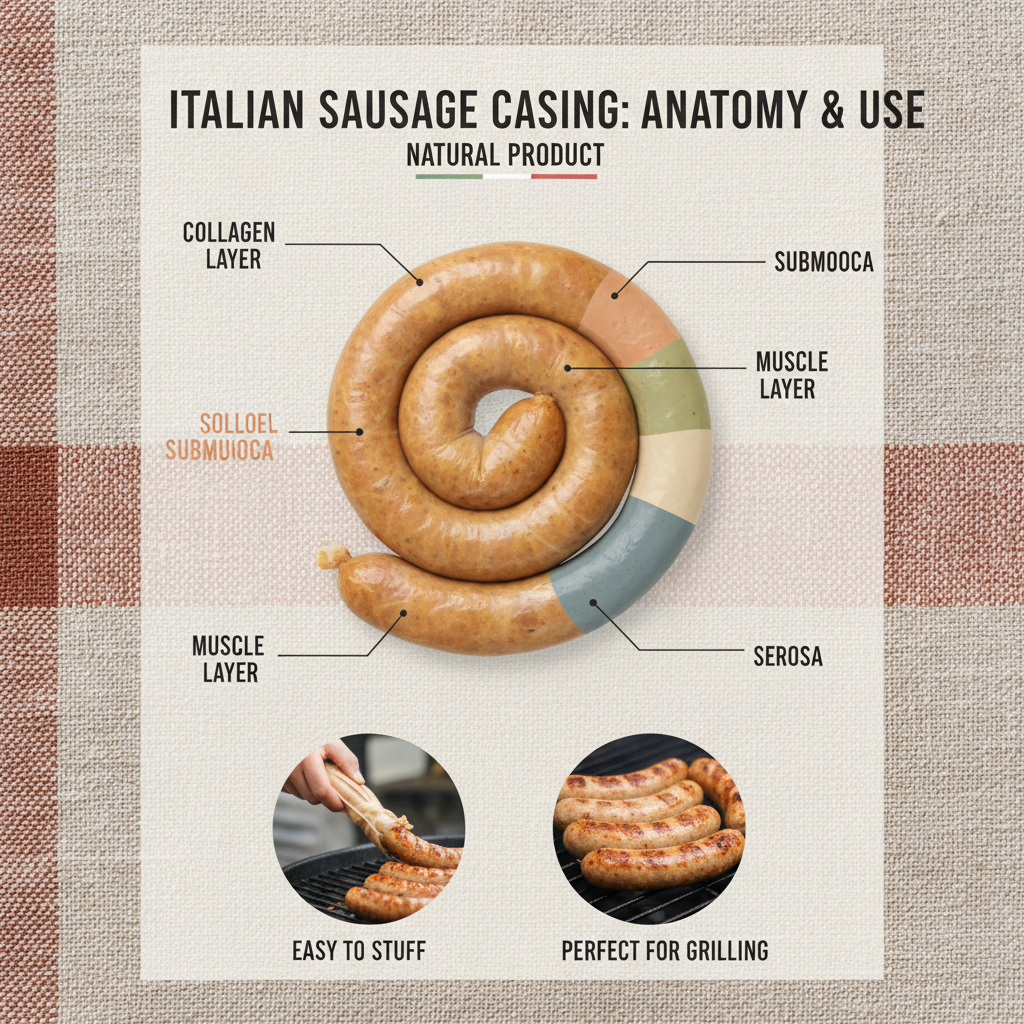
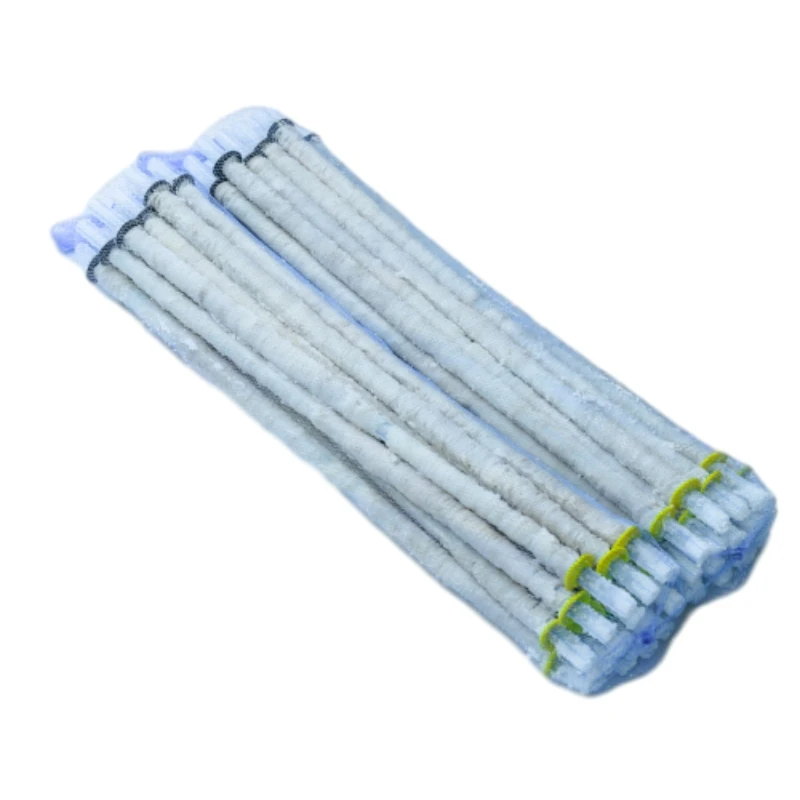
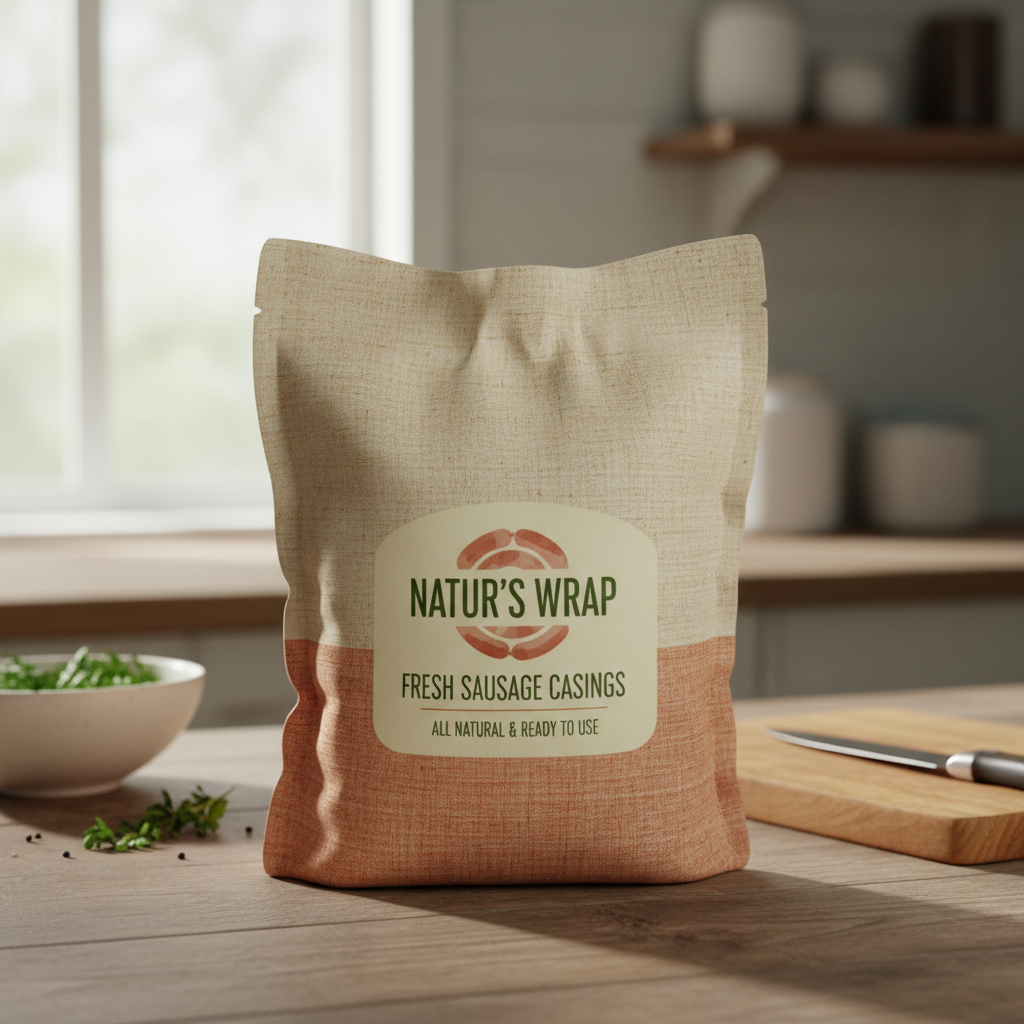
Fresh sausage casings are the outer layer that encases the meat mixture during production. Traditionally, these were almost exclusively natural, derived from animal intestines. While synthetic casings exist, natural casings offer a superior eating experience and are preferred by many sausage connoisseurs. Fresh sausage casings come primarily from pork, beef, and sheep, each offering unique characteristics. They are cleaned, processed, and prepared for use by sausage manufacturers and home enthusiasts alike. They offer a unique texture and "snap" that synthetic casings can’t replicate.
Key Benefit: Natural casings allow for a breathable membrane, enhancing flavor development and giving the sausage a characteristic texture. They also contribute to a more authentic, artisan product.
Types of Fresh Sausage Casings
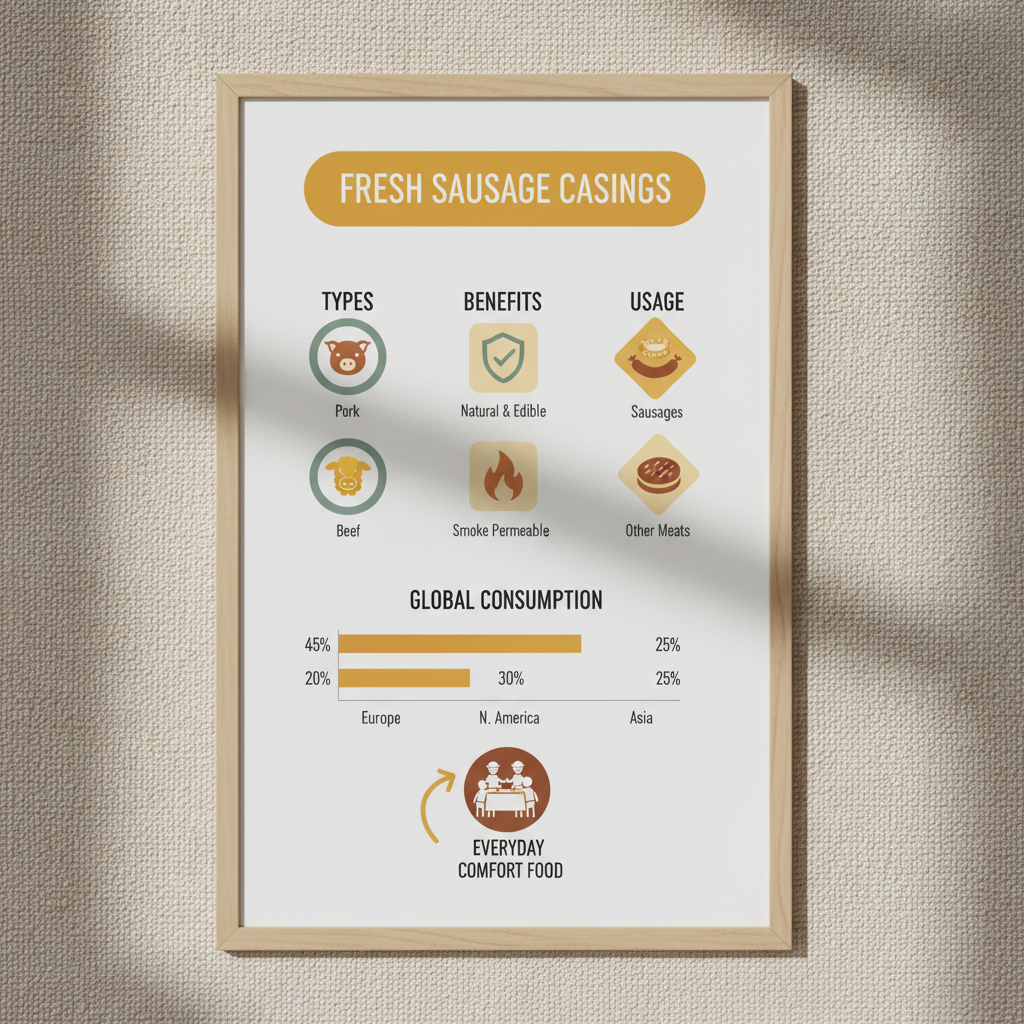
The most common types of fresh sausage casings are derived from different animals. Pork casings are the most widely used due to their availability and versatility. Beef casings are thicker and ideal for larger-diameter sausages, such as bologna. Sheep casings are the smallest and are typically used for smaller sausages like breakfast links or cocktail sausages. Each type offers a unique texture and snap, influencing the final product. Choosing the right casing depends on the type of sausage you intend to make and your desired outcome.
Casing Type Comparison:
• Pork Casings: Versatile, medium diameter, excellent for most sausages.
• Beef Casings: Thicker, larger diameter, ideal for bologna and large sausages.
• Sheep Casings: Smallest diameter, perfect for breakfast links and cocktail sausages.
The Advantages of Natural Fresh Sausage Casings
While synthetic casings offer convenience and consistency, natural casings possess several advantages. They provide a superior “snap” when bitten into, contributing to a more satisfying eating experience. Natural casings are also permeable, allowing smoke and flavors to penetrate the sausage during cooking, enhancing its overall taste. Furthermore, they are biodegradable, making them a more environmentally friendly option. These characteristics make them highly valued in traditional sausage making.
Choosing the Right Casing from RTCasing
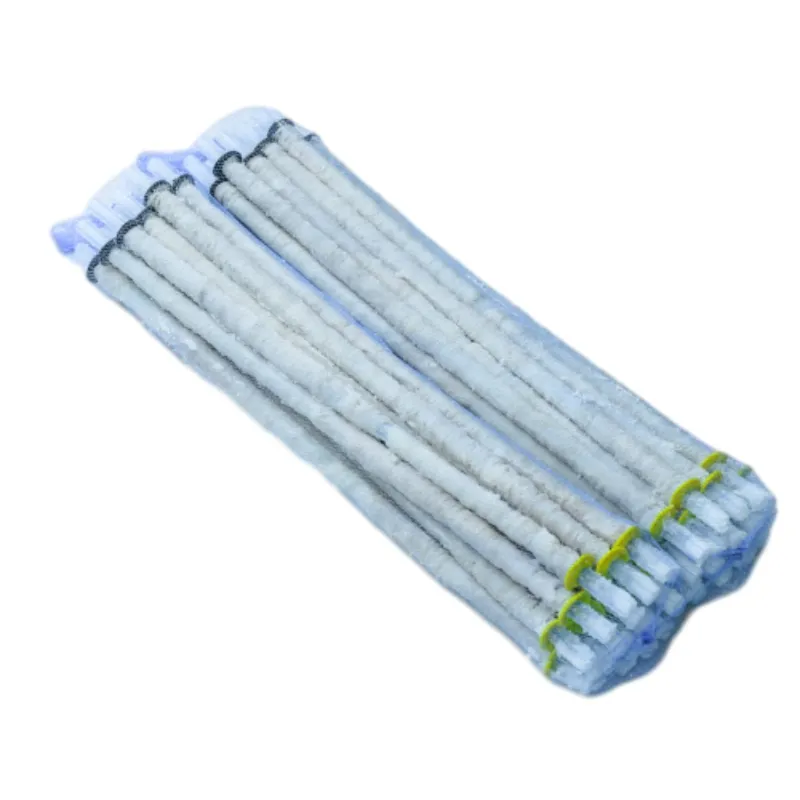
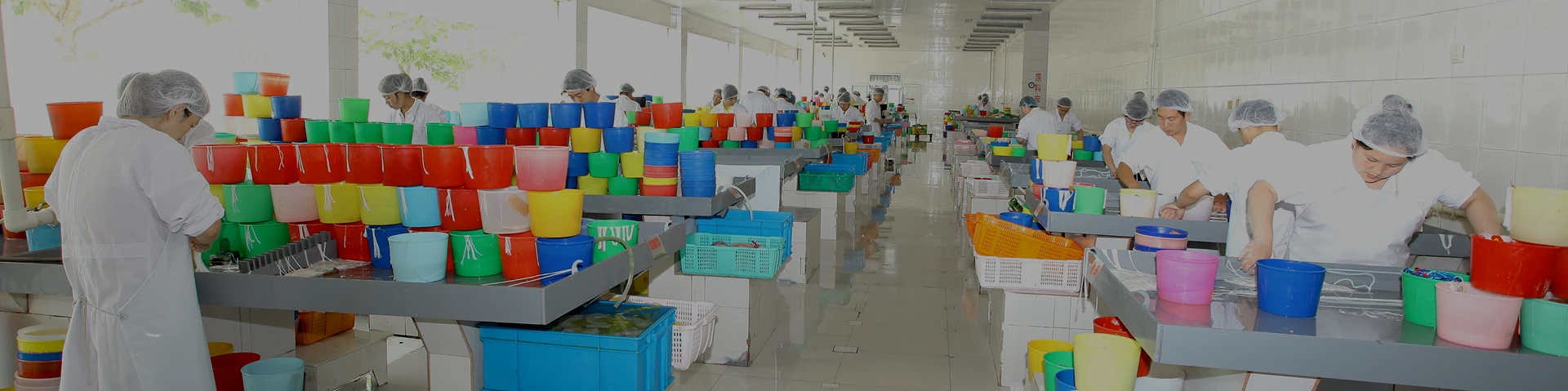
At RTCasing, we offer a wide selection of high-quality fresh sausage casings to meet your specific needs. We carefully select and process our casings to ensure consistency and optimal performance. Consider the diameter, type of sausage, and desired texture when making your selection. Our team is dedicated to providing expert advice and support to help you achieve the perfect results. We pride ourselves on delivering products that meet the highest standards of quality and hygiene.
Casing Storage and Preparation
Proper storage and preparation are crucial for maintaining the quality of fresh sausage casings. They should be stored in a cool, dry place, ideally refrigerated or frozen. Before use, casings should be thoroughly rinsed in cold water to remove any salt or impurities. Some casings may require soaking to rehydrate and increase flexibility. Follow the specific instructions provided with your purchase from RTCasing for optimal results.
Conclusion: Elevating Sausage Quality with the Right Casing
Choosing the right fresh sausage casings is paramount to creating a superior product. Natural casings offer a unique combination of texture, flavor enhancement, and environmental responsibility. RTCasing is your trusted partner for sourcing high-quality casings and expert guidance. Don't compromise on quality – choose RTCasing for exceptional sausage making.
Frequently Asked Questions (FAQs)
How should I store fresh sausage casings?
Fresh sausage casings should be stored in a cool, dry, and well-ventilated place. Ideally, they should be refrigerated or frozen to maintain their quality and prevent spoilage. If refrigerated, use within a few days. For longer storage, freezing is recommended. Ensure casings are properly sealed to prevent them from drying out. Do not store casings in direct sunlight or near sources of heat or moisture. Following these guidelines will ensure your casings remain fresh and usable when you’re ready to make sausage.
How do I prepare natural casings for use?
Preparation typically involves rinsing the casings thoroughly under cold running water to remove any excess salt or impurities. Following the rinse, many casings benefit from soaking in cold water for 30-60 minutes to rehydrate and increase flexibility. This makes them easier to handle during the stuffing process. Gently turn the casings inside out during the soaking process to ensure they are fully saturated. Avoid using hot water, as it can damage the casing. Detailed instructions specific to the type of casing you purchase from RTCasing will be provided.
What is the difference between pork, beef and sheep casings?
The primary difference lies in their diameter and texture. Pork casings are the most common and offer a medium diameter, suitable for a wide range of sausages. Beef casings are thicker and larger, often used for larger sausages like bologna. Sheep casings are the smallest in diameter, perfect for breakfast links or cocktail sausages. Pork casings have a mild flavor, while beef casings have a slightly more robust flavor. Sheep casings offer a delicate texture. The choice depends on the desired size, texture and flavor profile of your sausage.
Are natural casings more difficult to work with than synthetic casings?
Natural casings can require a bit more practice and care compared to synthetic casings. They are more delicate and prone to tearing if not handled properly. Proper rinsing, soaking, and careful stuffing are essential. However, the superior texture and flavor benefits they provide often outweigh the slightly increased difficulty. With experience and the right techniques, working with natural casings becomes easier. RTCasing provides resources and support to help you master the art of sausage making with natural casings.