Mar . 19, 2026 02:45
Understanding Italian Sausage Skin: A Comprehensive Guide
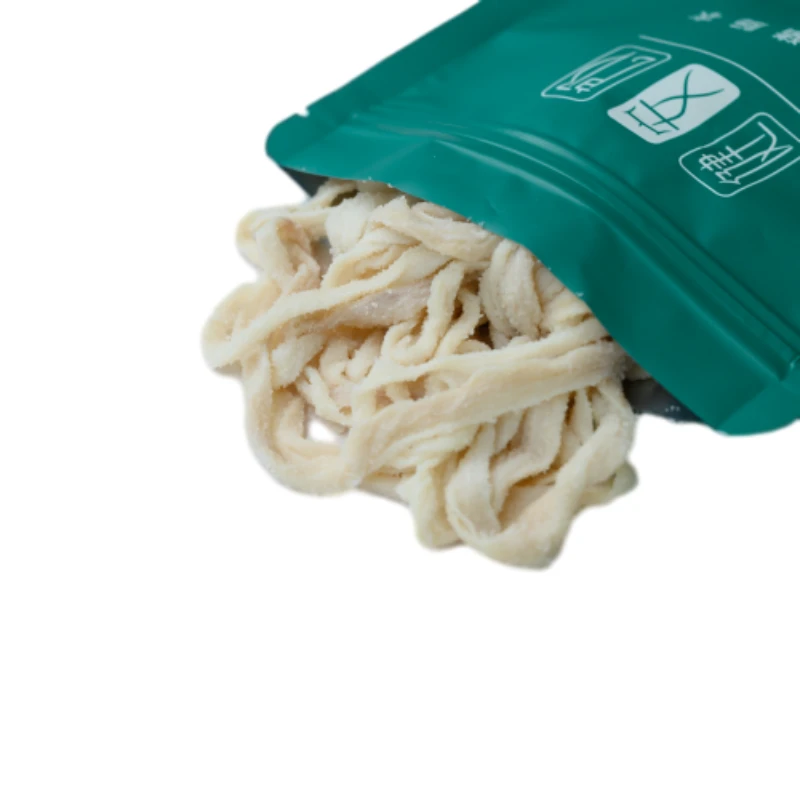
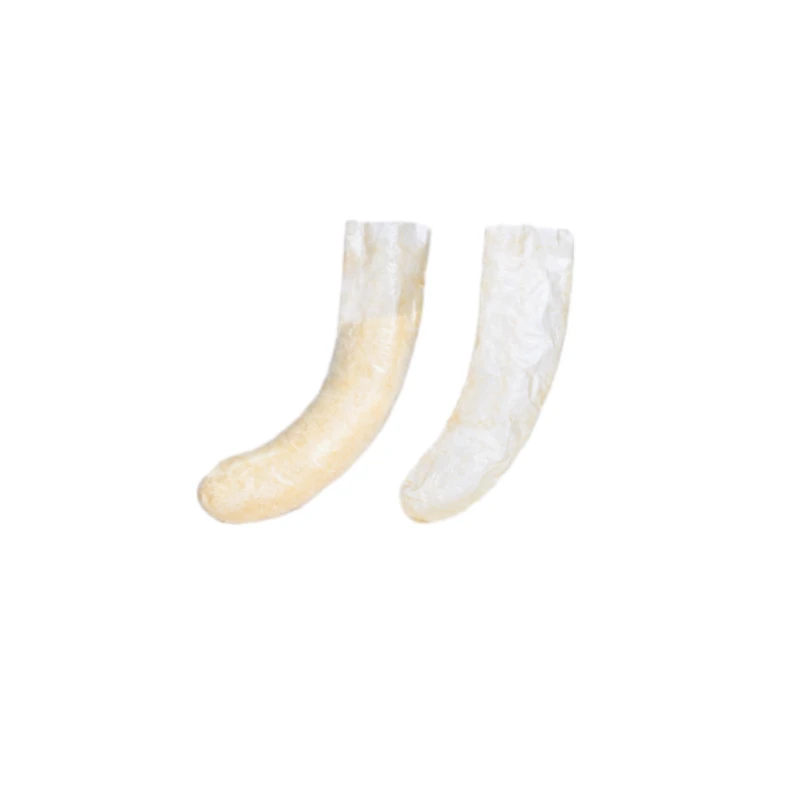
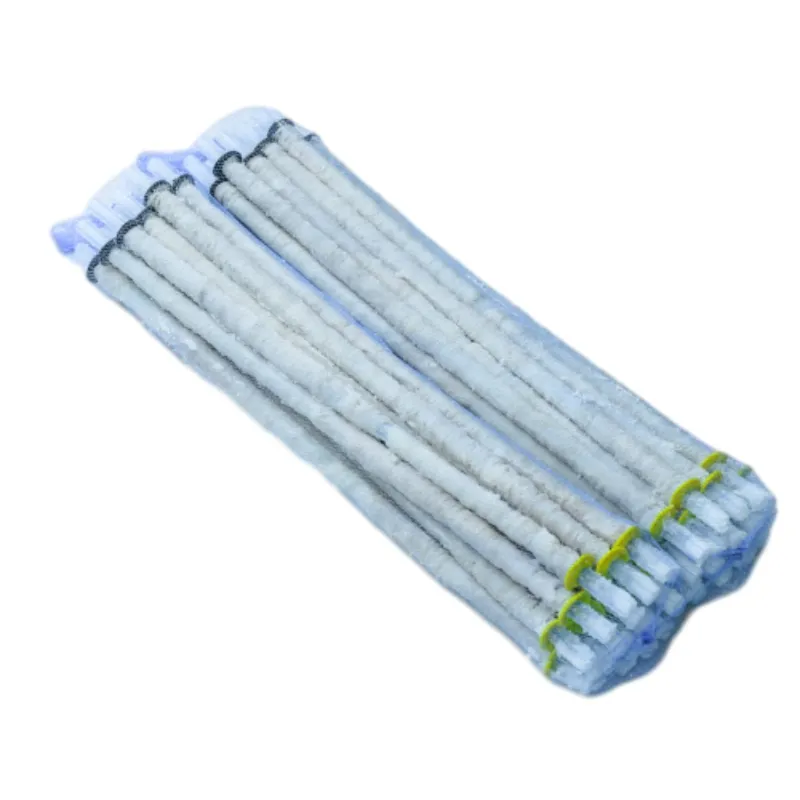
Italian sausage skin, also known as hog casings or natural sausage casings, plays a crucial role in the texture, flavor, and overall quality of Italian sausage. Selecting the right type of casing is essential for both commercial sausage production and home enthusiasts. At RTCasing, we specialize in providing high-quality sausage casings to meet diverse needs. This article will explore the different types of Italian sausage skin, their benefits, preparation, and how to choose the best option for your sausage-making endeavors. Understanding these factors can significantly enhance the final product and ensure a delightful culinary experience.
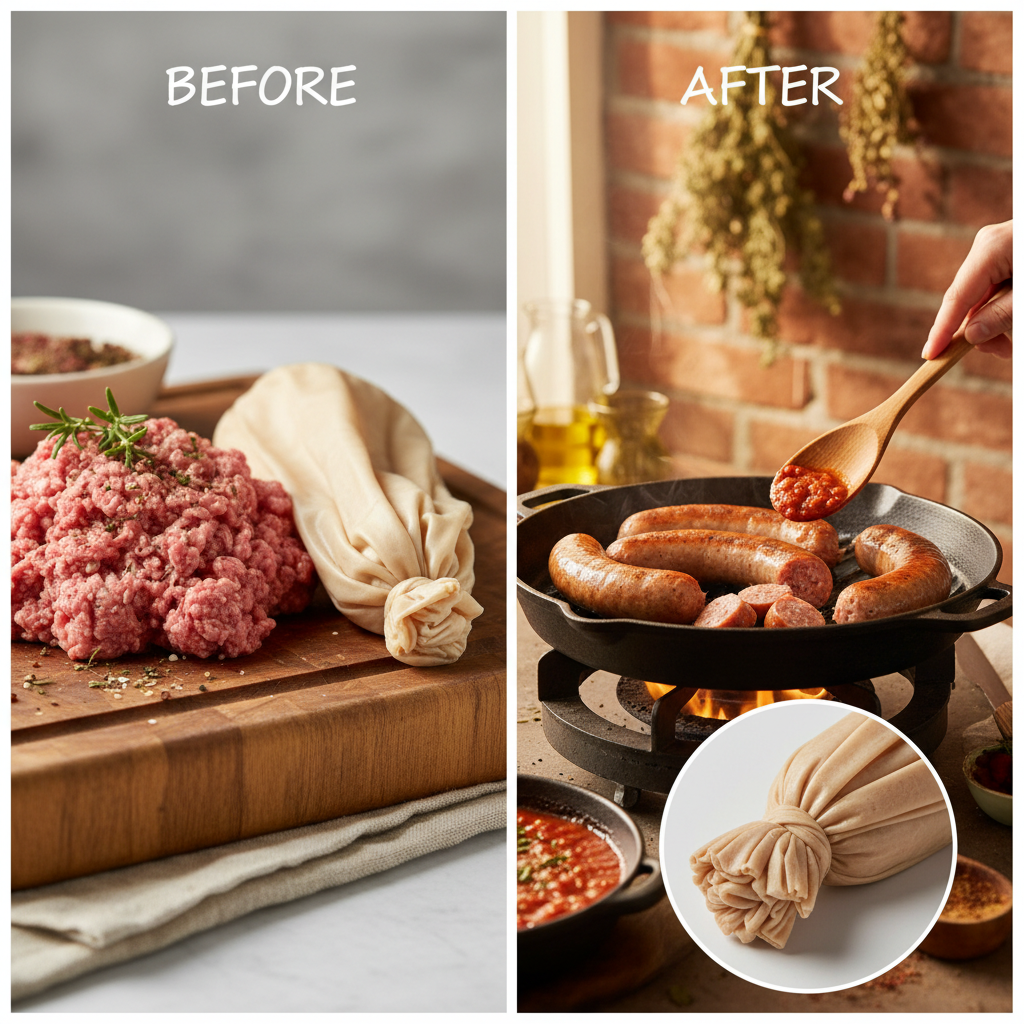
Types of Italian Sausage Skin
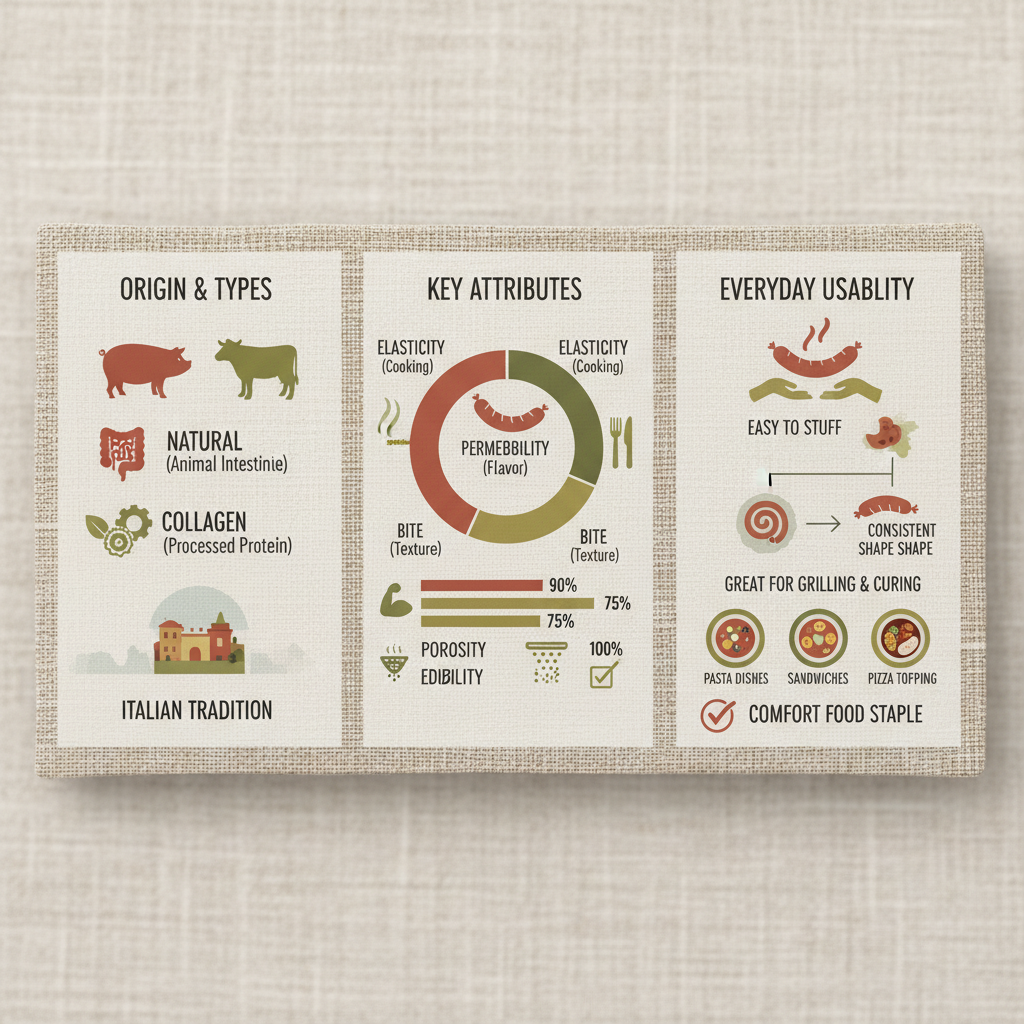
There are primarily two types of Italian sausage skin: natural casings and collagen casings. Natural casings, traditionally derived from the intestines of pigs (hog casings), are prized for their unique texture and "snap" when bitten into. Collagen casings are a manufactured alternative, offering consistency and ease of use. While synthetic casings exist, they are less common for authentic Italian sausage production. Each type offers distinct advantages, and the best choice depends on your desired sausage characteristics and production scale. The traditional choice remains the natural hog casing due to its superior qualities in achieving the authentic Italian sausage experience.
Key Takeaway: Natural hog casings deliver a superior ‘snap’ and flavor, while collagen casings offer consistency and ease of use.
Natural Hog Casings: The Traditional Choice
Natural hog casings are the gold standard for Italian sausage, imparting a distinctive texture and a subtle flavor that complements the meat. These casings are breathable, allowing smoke to penetrate during smoking processes, enhancing flavor. They also contract during cooking, creating a tight skin around the sausage. However, they require more preparation, including rinsing, soaking, and sometimes salting, to ensure cleanliness and pliability. Proper handling is essential to prevent breakage and ensure a consistent product. RTCasing provides meticulously prepared hog casings to streamline this process.
Benefits of Natural Hog Casings:
• Superior ‘snap’ and texture
• Breathable for optimal smoking
• Adds subtle flavor
• Creates a tight, natural-looking skin
Italian Sausage Skin Comparison: Natural vs. Collagen
Choosing between natural and collagen casings requires careful consideration. Collagen casings offer uniformity in size and ease of use, reducing preparation time. They are also less prone to breakage compared to natural casings. However, they lack the distinctive texture and flavor imparted by natural hog casings. Furthermore, collagen casings don't breathe as effectively, potentially impacting smoking results. Here’s a detailed comparison:
Preparing Italian Sausage Skin for Use
Proper preparation is vital for achieving optimal results with natural hog casings. Begin by rinsing the casings thoroughly under cold water to remove any salt. Soak them in cold water for at least 30 minutes, changing the water several times. This rehydrates the casings and makes them pliable. Some processors prefer to salt the casings lightly after soaking to further improve their texture. RTCasing provides detailed preparation guides with every order to ensure a smooth process.
Choosing the Right Supplier for Italian Sausage Skin
Selecting a reputable supplier is crucial for ensuring the quality and consistency of your Italian sausage. Look for suppliers that prioritize hygiene, proper storage, and timely delivery. RTCasing is dedicated to providing premium sausage casings sourced from trusted producers. We offer a wide range of sizes and grades to meet your specific requirements, along with expert support and guidance.
Conclusion: Elevate Your Italian Sausage with Quality Casings
The right Italian sausage skin can make all the difference in the final product. Whether you prefer the traditional snap and flavor of natural hog casings or the convenience of collagen casings, choosing a reliable supplier like RTCasing ensures quality and consistency. Invest in superior casings and elevate your Italian sausage to new heights.
Frequently Asked Questions (FAQs)
How should I store unused Italian sausage skin?
Unused natural hog casings should be stored in a cool, dry place, preferably refrigerated or frozen. If refrigerated, they should be used within a few days. For longer storage, freezing is recommended. Collagen casings have a longer shelf life and can typically be stored at room temperature in their original packaging. Always follow the supplier's storage instructions to maintain optimal quality. Proper storage prevents spoilage and ensures the casings remain usable for future sausage-making projects.
What size casings should I use for Italian sausage?
The size of the casing depends on the desired diameter of your sausage. Casings are measured in 'rings,' with a higher ring count indicating a smaller diameter. Common sizes for Italian sausage range from 32-36mm. RTCasing offers a variety of sizes and can provide guidance to help you choose the right fit for your recipe.
Can I reuse natural hog casings?
While technically possible, reusing natural hog casings is not recommended. The casings become weakened and more prone to breakage after the initial use. Furthermore, maintaining proper hygiene and sanitation is challenging. For optimal safety and quality, it is best to use fresh casings for each batch of sausage.
What are the benefits of using casings over making casingless sausage?
Casings provide several benefits over casingless sausage. They create a distinct texture and 'snap' when bitten into, enhance flavor through smoking, and provide a convenient shape for handling and cooking. Casings also help retain moisture during cooking, resulting in a juicier sausage. While casingless sausage is easier to make, it lacks the traditional qualities that make Italian sausage truly special.