Dec . 02, 2025 17:46
Where to Buy Pork Intestine for Sausage: An Essential Ingredient Explored
If you’ve ever savored a perfectly crafted sausage, chances are pork intestines played a starring role. They’re not just traditional casing materials but a pivotal component in artisan meat processing worldwide. Understanding where to buy pork intestine for sausage is more than a niche culinary question — it ties into food safety, cultural heritage, and supply chain logistics that impact food industries from small butchers to large manufacturers.
Globally, sausage consumption remains robust, with pork varieties leading many markets—thanks partly to the natural casings that impart texture and flavor. For anyone curious about sourcing these casings, knowing where and how to buy them can make the difference between a hit product and wasted effort.
Global Context: Why Pork Intestines for Sausage Matter Today
According to the Food and Agriculture Organization (FAO), pork represents about 36% of global meat production. A sizable slice of this finds its way into processed products like sausages. The natural pork casing industry, valued at roughly $400 million worldwide, is a delicate niche balancing tradition with modern food safety standards.
However, as demand rises — especially from regions like Europe, Southeast Asia, and Latin America — sourcing consistent, quality casings becomes a challenge. Supply chain disruptions, COVID-19 impacts on slaughterhouses, and increasing protein consumption in emerging markets all play a role.
This is where clarity on where to buy pork intestine for sausage becomes critical. For both artisans and industrial producers, finding reliable vendors is a puzzle requiring insight into processing standards, certification, and logistics.
Mini takeaway: Pork intestines for sausage are more than an ingredient — they’re a part of a global food system facing modern pressures and changing consumer tastes.
What Exactly Does Buying Pork Intestine for Sausage Entail?
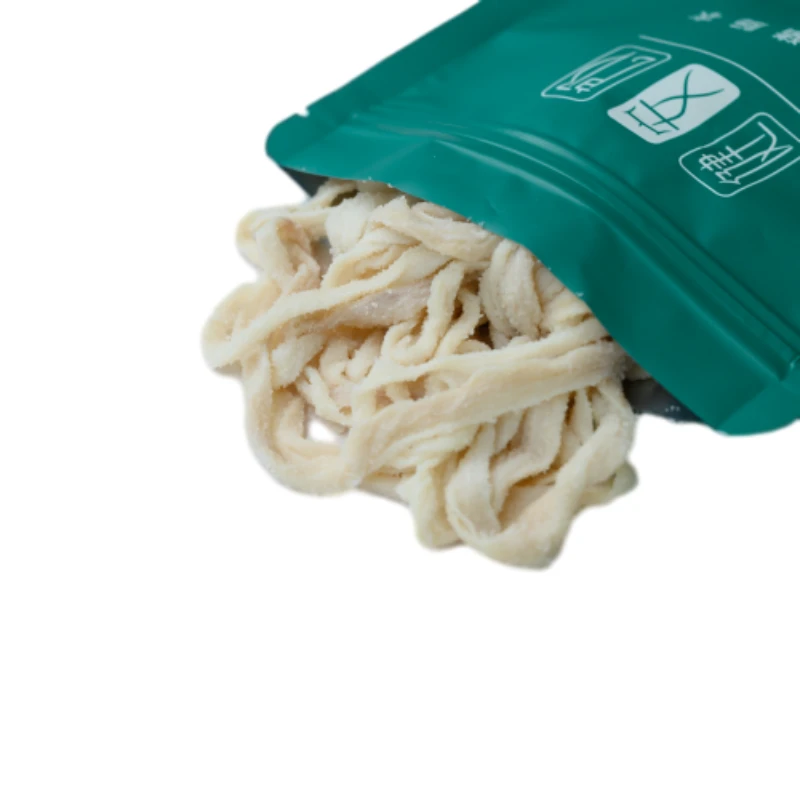
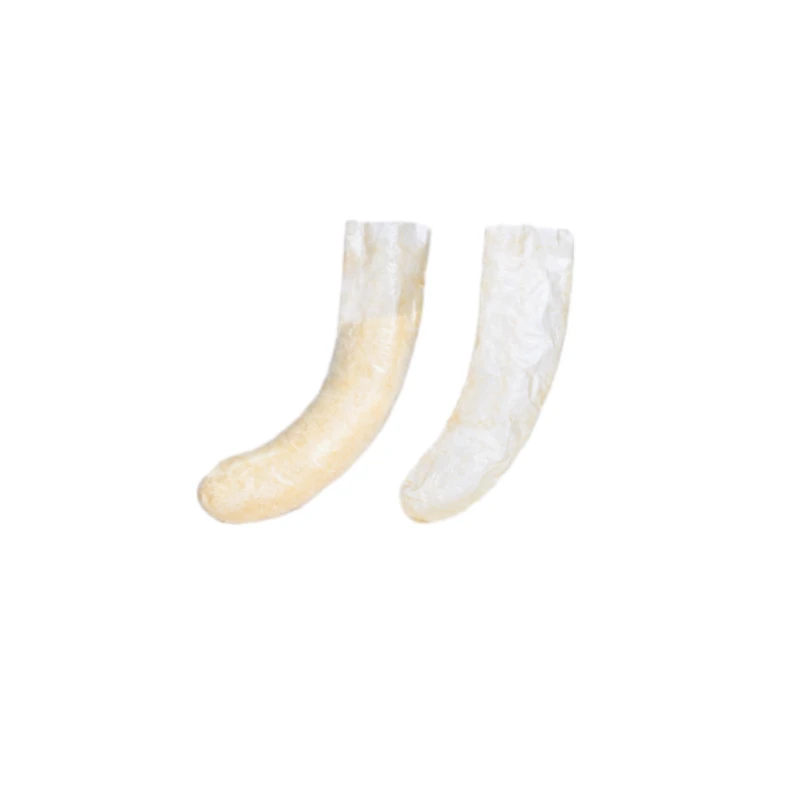
Simply put, buying pork intestine for sausage means sourcing cleaned, prepared natural casings derived from pig intestines. These casings are the tubular membranes that encase sausage meat, prized for their edibility, elasticity, and the bite they lend to final products.
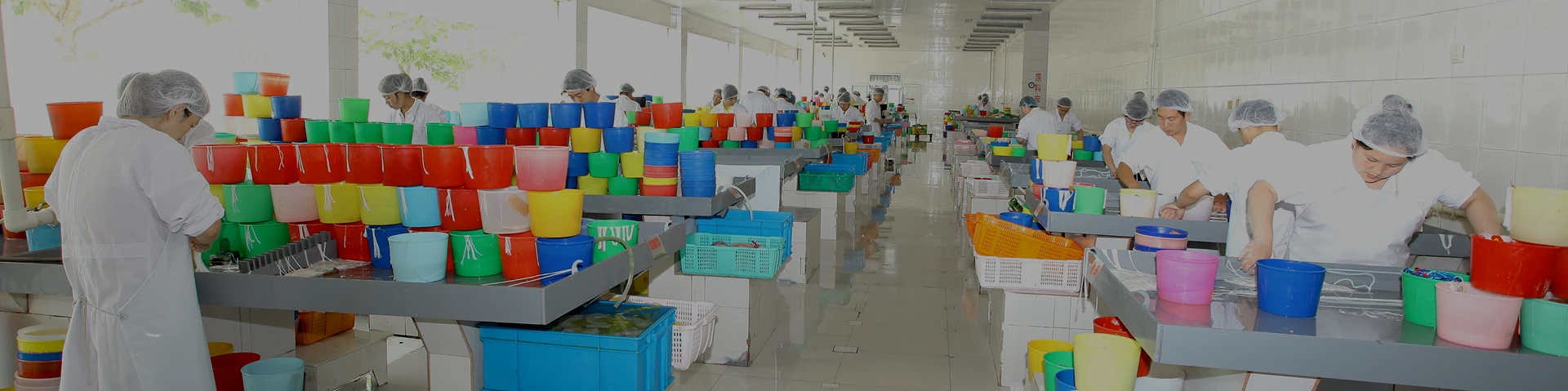
From a technical perspective, the intestines must be carefully processed to remove residues, often salted or packed fresh, then inspected for hygiene. Modern producers follow ISO standards for food-grade casings to ensure safety and consistency.
In humanitarian contexts, natural casings can support small-scale food production where refrigeration and artificial casings are less accessible — helping local economies sustain traditions and incomes.
Mini takeaway: Buying pork intestines isn’t just pick-and-ship — it’s about sourcing compliant, fresh, and workable casings keyed to your production needs.
Key Factors When Considering Where to Buy Pork Intestine for Sausage
1. Quality and Food Safety
Quality varies significantly depending on animal diet, processing techniques, and cleaning protocols. Many producers boast audits by agencies like ISO 22000 or HACCP compliance, which provide peace of mind.
2. Size and Diameter
Sausage types differ widely — from small breakfast links to large bratwursts — so having access to casings in various diameters (usually measured in mm) is important. Vendors typically offer ranges from 18-32 mm for pork intestines.
3. Preservation Method
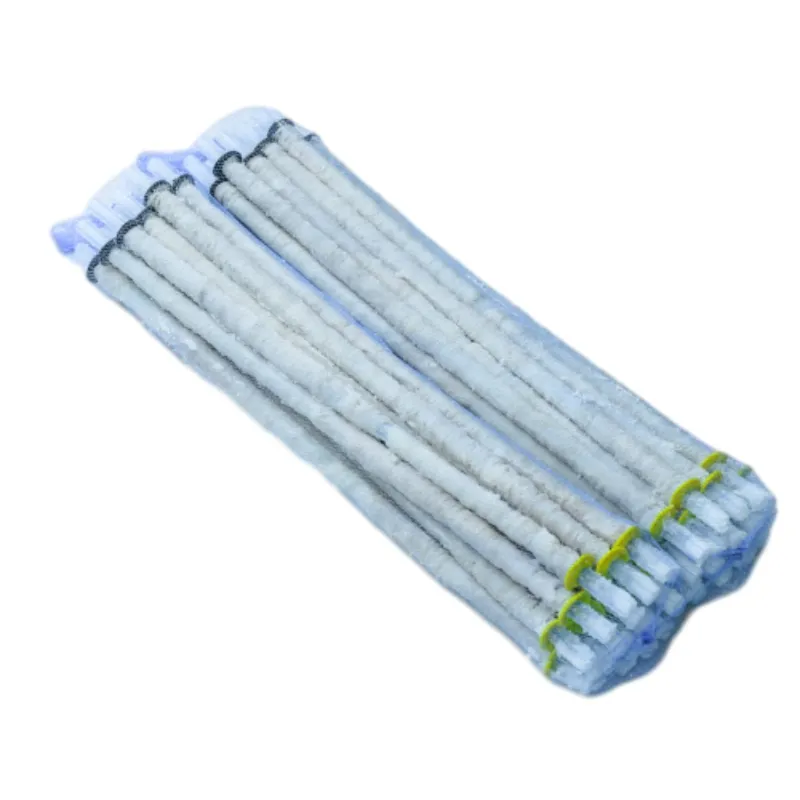
Casings come fresh (packed in water), salted, or dry-salted. Each preservation affects shelf life and preparation requirements. Salted casings last longer, but fresh ones offer superior elasticity to some artisans.
4. Vendor Reliability and Supply Chains
Most suppliers are located near slaughterhouses or processing hubs. Understanding lead times, packaging standards, and shipping options reduces surprises. Many suppliers specialize, so vetting and references matter.
5. Price and Volume
Cost fluctuates with supply and seasonality. Bulk buyers enjoy discounts, but small shops must find minimum order quantities that don’t break budgets or promote waste.
6. Sustainability and Ethical Practices
Increasingly, buyers ask about waste reduction, animal welfare, and traceability — especially with growing consumer interest in “clean” foods and ethical sourcing.
Mini takeaway: When scouting where to buy pork intestine for sausage, inventory these factors carefully — quality, size, availability, price, and ethics all influence outcomes.
Global Applications and Industries Benefiting from Natural Pork Casings
Pork intestine casings are a staple in countless culinary traditions: German bratwurst, Spanish chorizo, Chinese lap cheong, and American hot dogs, to name just a few.
Industrially, companies producing large volumes rely on steady imports from countries like China, Poland, and Brazil. Small artisans often buy locally or through specialized brokers.
In regions recovering from crises or with limited refrigeration infrastructure, natural casings support small-scale meat processing — providing livelihoods and nutrition security.
Example: In Eastern Europe, suppliers export salted pork casings for the burgeoning artisanal sausage market, responding to both local tradition and export demands.
Mini takeaway: Pork intestines for sausage aren’t just culinary tools; they are cultural artifacts and economic bridges in diverse global communities.
Advantages & Long-Term Value of Choosing Natural Pork Casings
- Authenticity & Taste: Nothing quite matches the snap and texture of a natural casing.
- Biodegradability: Unlike synthetic casings, pork intestines decompose naturally, lowering environmental impact.
- Economic Value: Utilizing a byproduct reduces waste and supports circular food economies.
- Consumer Trust: Many customers associate natural casings with traditional craftsmanship and quality.
On an emotional level, offering sausages in natural casings connects consumers to a lineage of artisanal food — that’s trust and comfort wrapped in every bite.
Future Trends & Innovations in Sourcing Pork Intestine Casings
Manufacturers are adopting traceability tech — blockchain for example — to authenticate casings and reassure consumers. Sustainability drives innovation in cleaner slaughterhouse processes and packaging.
Automation in cleaning and grading is becoming more common, improving standardization and reducing contamination risks. Some companies explore hybrid casing solutions combining natural and synthetic materials to balance tradition with shelf life.
Green logistics also plays a role as exporters seek to minimize carbon footprints transporting casings globally.
Challenges & Expert Solutions When Buying Pork Intestines for Sausage
Some of the biggest hurdles: inconsistent sizing, spoilage risk, and supply scarcity during peak demand. There are also legislative roadblocks in cross-border shipment of animal products, sometimes requiring detailed veterinary certifications.
Experts suggest forming long-term supplier relationships, investing in proper storage infrastructure, and leveraging regional hubs to mitigate delays.
Additionally, blending natural with collagen casings is a practical compromise in certain markets where natural casing supply is unstable or costly.
Where to Buy Pork Intestine for Sausage: Frequently Asked Questions
- Q: What should I look for when buying pork intestine casings online?
- A: Focus on vendor certifications, casing preservation type (fresh or salted), size options, and clear return policies. Checking customer reviews can also help gauge reliability.
- Q: How do I prepare salted pork intestines for sausage making?
- Usually, you rinse the salted casings thoroughly to remove excess salt, soak them in lukewarm water for at least 30 minutes, then flush the inside before stuffing.
- Q: Are natural pork casings suitable for all sausage types?
- They’re best for traditional sausages that benefit from a snap and chew. For very fine emulsified sausages, synthetic or collagen casings might be preferred.
- Q: Can I buy pork intestines in small quantities for home sausage making?
- Yes, many specialized shops and online providers cater to hobbyists with smaller packs, though minimum orders and shipping fees vary.
- Q: What regions are top suppliers of pork intestine casings?
- Major suppliers include China, Poland, Spain, Brazil, and the US, offering differing grades and sizes depending on local processing traditions.
Product Specification Table
| Spec | Description | Typical Range |
|---|---|---|
| Source | Natural pork intestines from slaughterhouses | EU, China, Brazil |
| Casing Diameter | Measured in mm, affects sausage size | 18-32 mm |
| Preservation | Salted, fresh (wet packed), or dry salted | Varies by supplier |
| Shelf Life | Depends on preservation & storage | 1 week (fresh) to 1 year (salted) |
| Certification | Food safety standards compliance | ISO, HACCP |
Vendor Comparison Table
| Supplier | Location | Preservation Types | MOQ | Certifications | Price/Unit (Approx.) |
|---|---|---|---|---|---|
| Pork Casings Co. | Poland | Salted, fresh | 50 kg | ISO 22000, HACCP | $5.50/kg |
| East Asia Meat Supplies | China | Salted, dry salted | 100 kg | HACCP Certified | $4.90/kg |
| Brazil Natural Casings Ltd. | Brazil | Fresh, salted | 30 kg | ISO 22000 | $6.10/kg |
Final Thoughts: Why Knowing Where to Buy Pork Intestine for Sausage Matters
So, why does it matter where to buy pork intestine for sausage in 2024? Because this humble casing sits at the crossroads of tradition, innovation, supply reliability, and food quality. Whether you’re a home sausage maker or an industrial processor, having dependable knowledge about sourcing not only saves costs but ensures your product’s integrity and appeal.
With evolving regulations, emerging technologies, and shifting consumer expectations, the market for pork intestines is more dynamic than I would have guessed. Honestly, I find the intricate balance between sourcing quality natural casings and meeting modern demands pretty fascinating.
For the curious or committed sausage enthusiast ready to take the next step, I recommend visiting trusted suppliers like this website for updated listings and tips on purchasing.
In real terms? Keeping an eye on where and how you buy these natural casings will make all the difference in your sausage’s final snap.
References
- Food and Agriculture Organization of the United Nations (FAO) - Meat Market Review, 2023.
- International Organization for Standardization (ISO) - ISO 22000 Food Safety Management standards.
- World Health Organization - Food safety and hygiene guidelines, 2022.