Dec . 02, 2025 17:44
Where to Buy Casings for Homemade Sausage: A Quick Guide
If you've ever tried your hand at making homemade sausages, you know that the casing is what holds everything together—and not just literally, but it defines the texture and the very eating experience. But the real question is: where to buy casings for homemade sausage? It may sound straightforward, but this little detail matters globally, touching on trade, tradition, and even sustainability. Understanding your options here can save you time, money, and headaches—and frankly, it's just satisfying to get it right.
Global Context: Why Casings Matter More than You Think
Across the globe, sausage-making is both a culinary art and a significant industry. According to the UN Food and Agriculture Organization, the value of meat processing products like sausages reached several billion dollars in global trade last year. While large-scale production leans on synthetic or collagen casings, a considerable number of small producers and hobbyists still rely on natural casings sourced directly from animal intestines. The problem is that not all markets have easy access to quality casings, especially natural ones. This scarcity can limit artisanal producers or simply frustrate home cooks.
So when you search for where to buy casings for homemade sausage, you’re stepping into a broader issue: availability, quality, and sourcing ethics on a global scale.
What Exactly Are Sausage Casings?
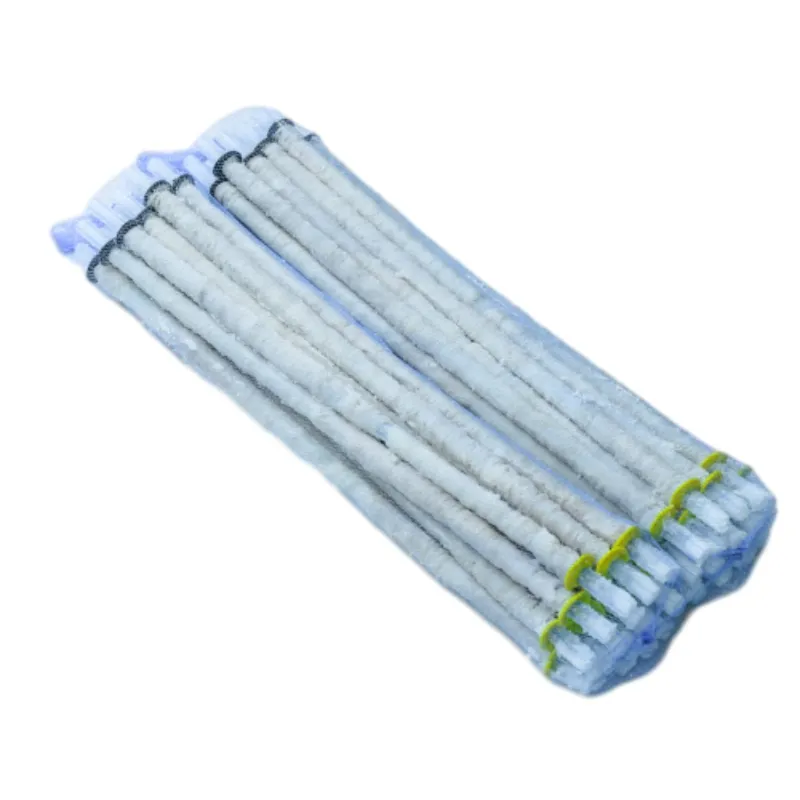
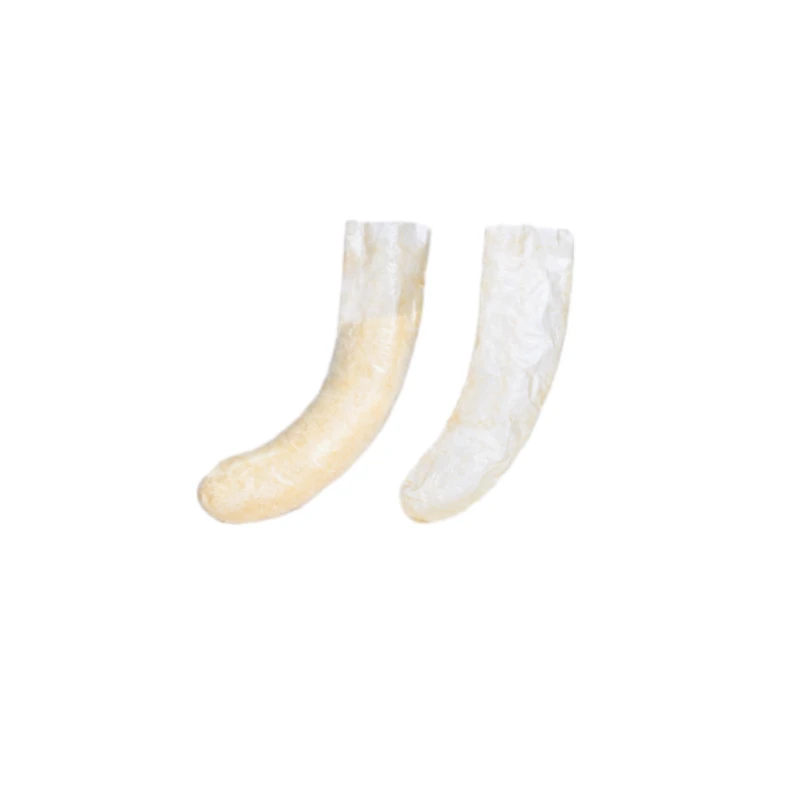
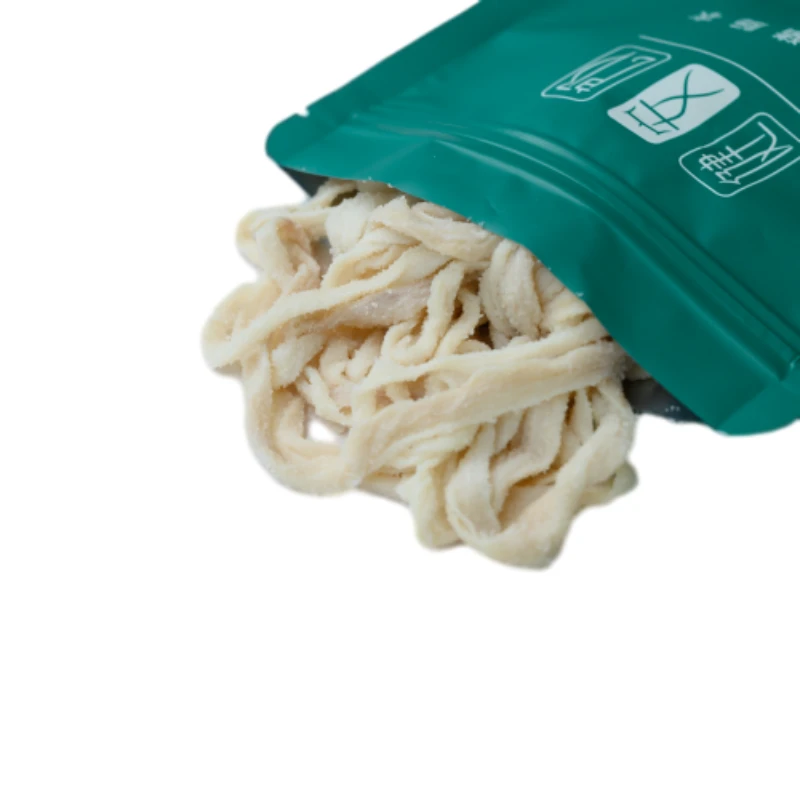
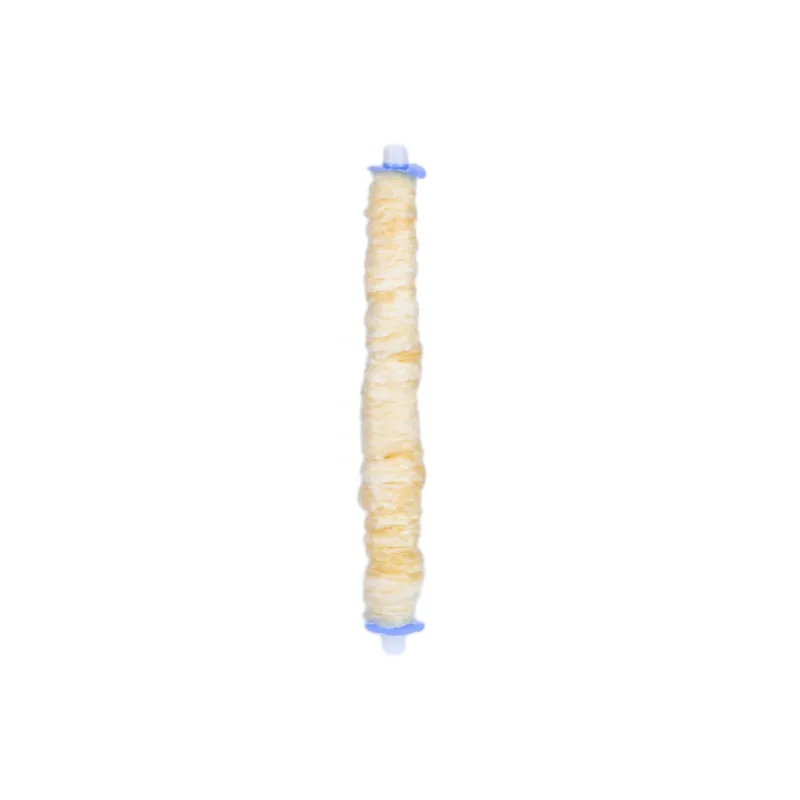
Put simply, sausage casings are tubes or skins used to stuff ground meat mixtures. Traditionally, these come from the cleaned intestines of pigs, sheep, or cows. Today, you can also find collagen (derived from beef or pork hides), cellulose, and even synthetic plastic casings designed for industrial use.
For homemade sausage enthusiasts, natural casings are often preferred for their texture, breathability, and authentic ‘snap’ when you bite in. Plus, they’re biodegradable and typically safe to eat. In a way, buying these casings is connecting you to centuries of food preparation—whether at a family backyard barbecue or in a specialized deli.
Key Factors When Choosing Casings for Sausage Making
1. Quality and Durability
Natural casings can vary widely depending on how they’re prepared and stored. Crisp yet pliable is what you want. They should withstand filling without tearing and hold up during cooking. Many experienced sausage makers say that the best natural casings are those preserved with salt but rinsed thoroughly before use.
2. Length & Diameter
Casings come in different lengths and diameters to suit various sausage styles—from tiny breakfast links to large salamis. If you know what sausage you want to make, you’ll want casings that fit those specs.
3. Source and Processing
Ethical sourcing is not just a buzzword here. Knowing the origin of your casings matters, especially for home use. For instance, some casings are kosher or halal certified, which opens possibilities for different consumer needs.
4. Ease of Use
Some casings require soaking or rinsing. Others might come ready to use. Understanding this can save you time and help with sausage consistency.
5. Cost Efficiency
Depending on bulk purchase options or specialized suppliers, pricing can fluctuate. Sourcing locally might cut shipping costs but limit variety.
| Specification | Natural Casings | Collagen Casings | Cellulose Casings |
|---|---|---|---|
| Material | Animal Intestines | Beef/Pork Hide Protein | Plant-based Fiber |
| Appearance | Translucent, natural texture | Uniform, smooth finish | Opaque, thin |
| Use | Traditional homemade sausages | Industrial & semi-artisanal | Cooked sausages; often removed after cooking |
| Preparation | Requires rinsing & soaking | Usually ready to use | Ready to stuff |
Where are Casings Used Globally?
It’s fascinating—many regions keep their sausage traditions alive through local casing sources. In Europe, countries like Germany and Italy demand natural casings for their artisanal sausages; in the U.S., small-scale butchers often buy through specialty vendors. Meanwhile, Asia and parts of Africa are seeing growing interest in casings for ready-to-eat meat products, which ties in with rising urban demand.
In practical terms, casings show up everywhere: emergency food aid packs sometimes contain pre-cooked sausages using synthetic casings for better shelf life. Remote industrial zones, like mining camps, rely on frozen sausages encased in collagen for easy transport and quick meals.
Why Investing Time in Finding Quality Casings Pays Off
- Cost-Efficient: Quality casings mean fewer tears and product loss.
- More Sustainable: Natural casings are biodegradable and demand less processing.
- Better Taste & Texture: The classic snap or chewiness often comes only from natural protein casings.
- Trust & Safety: Ethical sourcing and transparency boost confidence for home cooks and professionals alike.
Beyond the logical, it’s rewarding to know your sausage was made with care, and part of that is the casing.
Future Trends in Sausage Casings
Oddly enough, as the food industry embraces green innovation, casing suppliers are not far behind. New biodegradable collagen blends, even laboratory-grown casing alternatives, are emerging. Digital platforms are simplifying how small producers source casings worldwide, and we expect more direct-to-consumer offerings soon.
Common Challenges and How to Handle Them
Natural casings can spoil or become brittle if not stored properly. Supply chains might also be disrupted due to regulatory restrictions on animal products. My advice? It often pays to buy from reputable vendors who provide clear storage instructions. Also, many horn-savvy makers keep a small stock buffered in salt for emergencies.
| Vendor | Product Range | Price (per meter) | Shipping Options | Certifications |
|---|---|---|---|---|
| RTCasing Co. | Natural, Collagen | $0.90 - $1.20 | Worldwide | Kosher, Halal |
| SausageCasings Ltd. | Natural only | $1.10 - $1.50 | Europe/USA | ISO 22000 |
| EcoCasing Suppliers | Collagen, Synthetic | $0.75 - $1.10 | North America | Organic Certification |
FAQ: Frequently Asked Questions About Where to Buy Casings for Homemade Sausage
- Q1: Can I reuse natural sausage casings?
- Generally, no. Natural casings are delicate and soak up moisture, making them prone to damage and contamination. For safety and quality, most experts recommend using fresh casings each time.
- Q2: Are collagen casings suitable for home sausage making?
- Absolutely! Collagen casings are easier to handle than natural ones and often come pre-treated. They provide consistent diameter and are great if you want less prep work.
- Q3: Where can I find kosher or halal sausage casings?
- Many vendors, including RTCasing, offer certified kosher and halal casings. Always check certifications to be sure they meet your dietary requirements.
- Q4: How should I store sausage casings?
- Natural casings should be kept refrigerated or frozen if buying in bulk. They often come salted – soak and rinse before use. Synthetic or collagen casings usually have longer shelf lives if stored dry and cool.
Wrapping It Up: Making Your Sausage Experience Better
Knowing where to buy casings for homemade sausage is more than just a shopping step—it’s about preserving tradition, ensuring safety, and crafting something delicious. Whether you choose natural or collagen, doing a bit of homework, checking supplier credentials, and understanding your needs can make all the difference in your final product.
For quality, variety, and worldwide shipping, don’t hesitate to explore vendors like RTCasing. Your homemade sausages deserve the best casing they can get.