Dec . 02, 2025 17:32
Where Can You Buy Sausage Skins? A Global Look at a Niche but Important Product
When you first hear the phrase “where can you buy sausage skins”, you might imagine a simple question about a quirky cooking supply. But there’s actually a fascinating, global story behind this humble product — one that touches food safety, traditional foodcraft, and modern industrial processes. Sausage skins or casings are more than just edible tubes; they represent the intersection of agriculture, food technology, and even sustainability trends worldwide.
Understanding where can you buy sausage skins — whether natural, collagen, or synthetic — matters beyond the butcher’s shop. It’s about access to quality food products, supporting local economies in rural areas, and even standards compliance across borders. Let’s unpack why this topic quietly resonates across continents, from artisanal producers in Europe to large meat processing plants in Asia.
Global Context: Why the Search for Sausage Skins Matters
Globally, the sausage casing market is valued in the hundreds of millions USD annually, with projected growth linked to rising meat consumption (FAO reports, 2023). For instance, Europe and North America remain large consumers, but emerging markets in Asia and Latin America are driving demand for affordable, safe casings.
Yet, sourcing reliable sausage skins isn’t always straightforward. Natural casings require stringent hygiene controls and sustainable harvesting; synthetic casings need to meet food safety standards, and collagen options balance both worlds but can be costlier. This complexity creates challenges for butchers, food manufacturers, and even humanitarian food programs that rely on mass production.
So, the question, “where can you buy sausage skins?” evolves from a simple search into a logistical puzzle bridging tradition, innovation, and supply chain management.
What Exactly Are Sausage Skins?
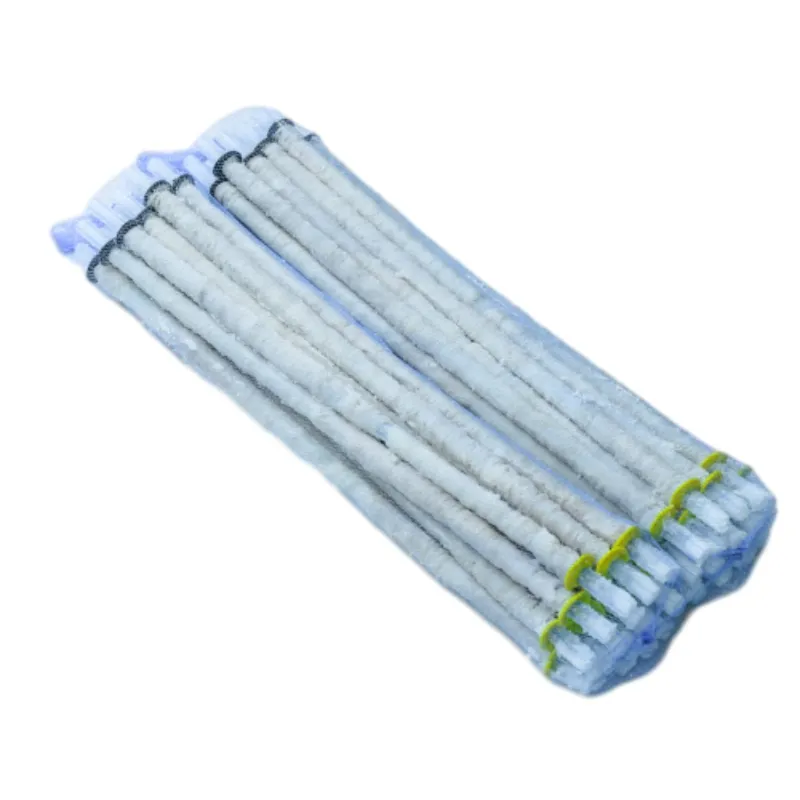
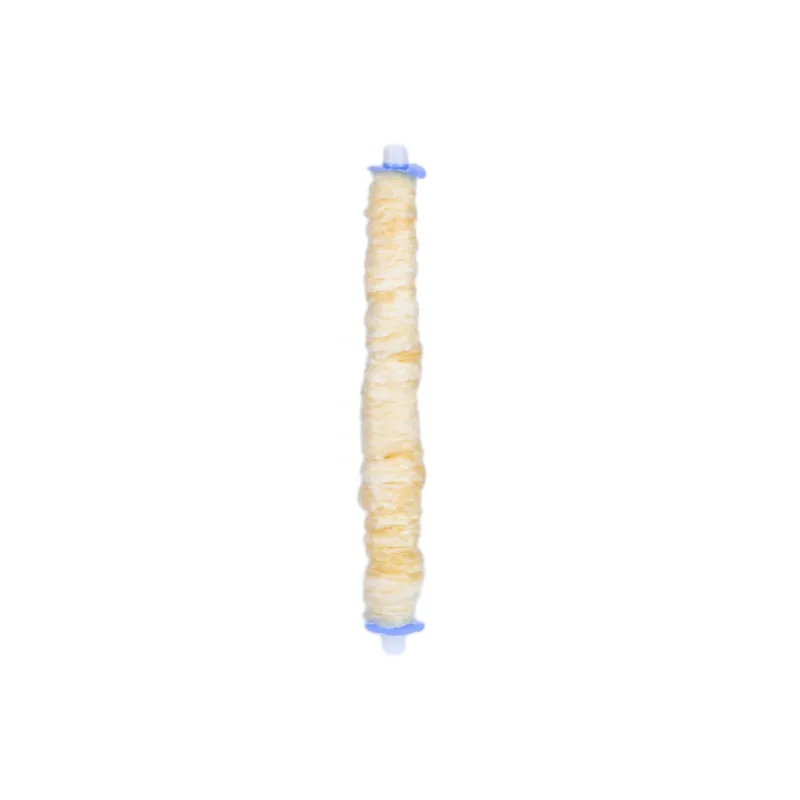
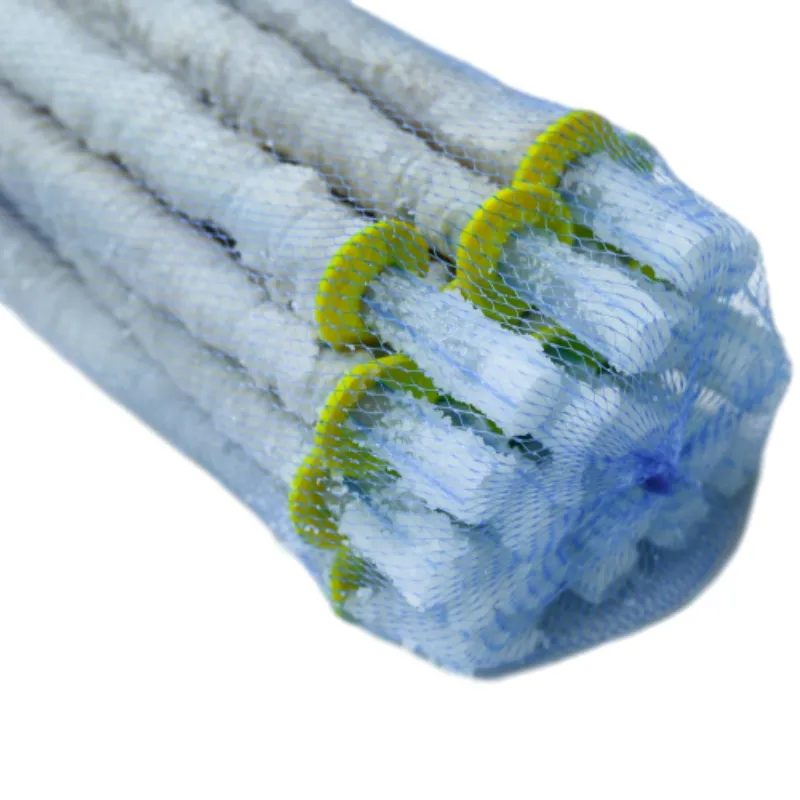
In plain terms, sausage skins, also known as casings, are tubes that hold the ground meat mixture inside a sausage. Historically, they were made from natural animal intestines — mostly hog, sheep, or beef — cleaned, dried, and prepared for stuffing.
Today, you’ll find three main types:
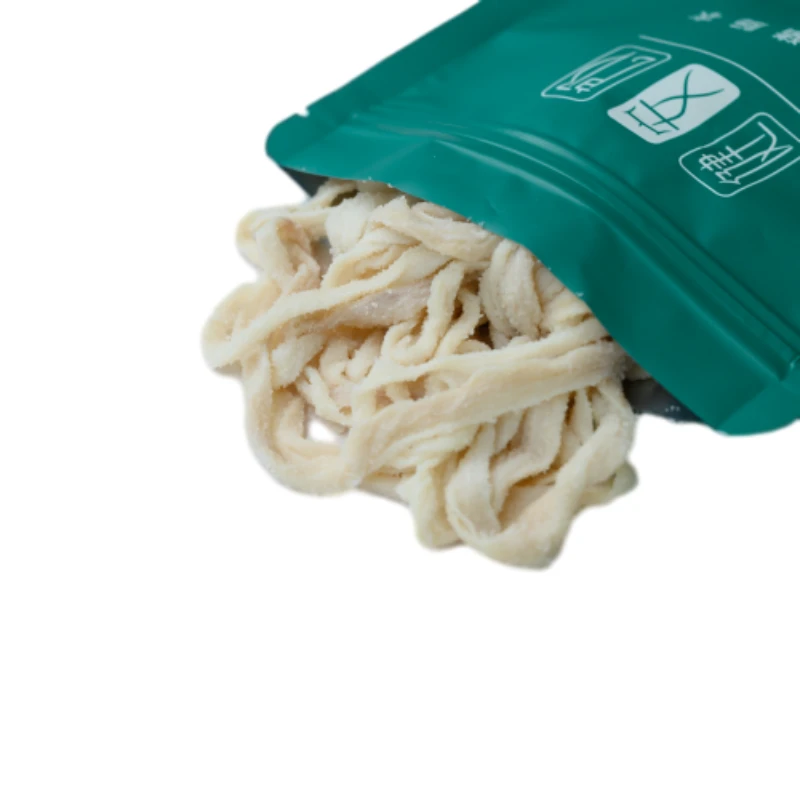
- Natural casings: Derived from animal intestines, prized for their texture and taste.
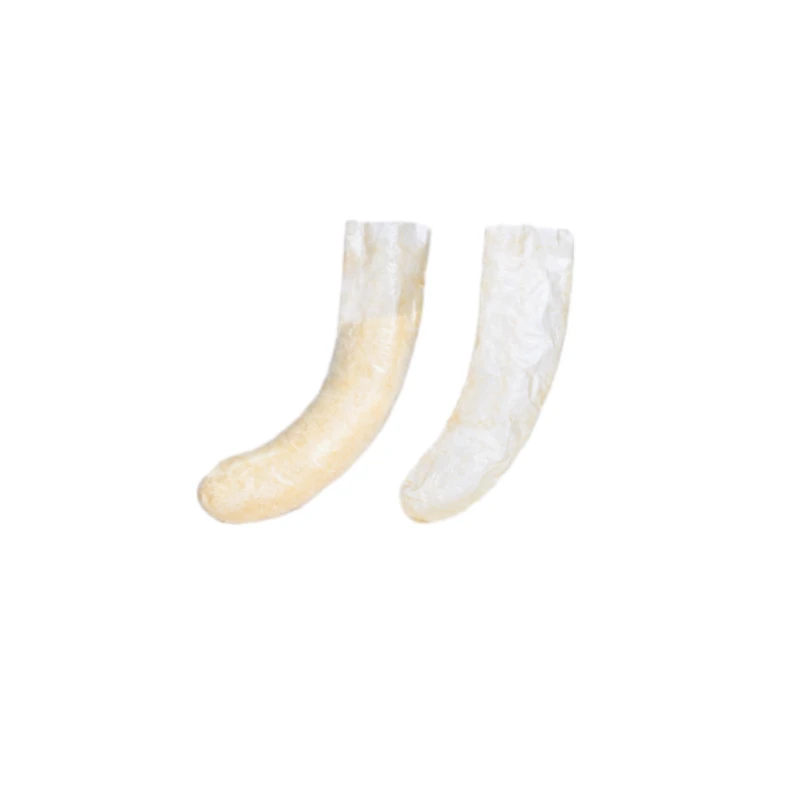
- Collagen casings: Made by processing collagen proteins, these offer uniformity and easier handling.
- Synthetic casings: Usually plastic or cellulose-based, often used for skinless sausages or where casing is removed post-processing.
Their importance is evident not just in the culinary world, but also in food security and industrial meat processing, where safe and consistent casing supply is crucial.
Key Factors Influencing Your Choice of Sausage Skins
1. Durability and Handling
Natural casings are delicate and require careful processing. Collagen casings, however, strike a balance between strength and flexibility, making them favorites in industrial setups. Synthetic skins offer durability for automated lines but no edible appeal.
2. Cost Efficiency
Oddly enough, natural casings can be the most expensive due to labor-intensive preparation. Collagen casings, produced at scale, reduce costs while maintaining eating quality, and synthetics often minimize waste but sacrifice natural texture.
3. Sustainability and Source
Increasingly, consumers care where sausage skins come from. Natural casings are byproducts, making use of animal waste an eco-friendly practice, while synthetic options rely on plastics that raise waste concerns. Certification and traceability thus become key.
4. Food Safety and Compliance
Sausage skins must meet stringent regulatory standards globally. The ISO 22000 food safety guidelines govern much of this, along with country-specific laws, so sourcing compliant casings safeguards brands against recalls.
5. Scalability
For small butchers, natural casings might suffice, but larger manufacturers seek collagen or synthetic options optimized for fast, automated filling and packaging.
Typical Specifications of Sausage Skins
| Type | Material | Diameter Range (mm) | Shelf Life | Use Case |
|---|---|---|---|---|
| Natural | Animal intestines | 16–35 | 6–12 months (frozen) | Artisanal & traditional sausages |
| Collagen | Bovine or porcine collagen | 18–45 | 12–24 months (dry) | Mass production & convenience foods |
| Synthetic | Cellulose, plastic polymers | 19–50 | 18–36 months | Industrial & skinless sausages |
Leading Vendors Compared: Where to Buy Sausage Skins
| Vendor | Casings Offered | Global Reach | Custom Orders | Pricing |
|---|---|---|---|---|
| Viskase Companies | Collagen, Cellulose, Fibrous | North/South America, Europe | Yes | Mid to High |
| Devro Group | Collagen, Natural | Global | Yes | Mid |
| Nippon Meat Packers | Natural, Collagen | Asia-Pacific | Limited | Low to Mid |
How Are Sausage Skins Used Around the World?
It’s quite remarkable how sausage skins play roles in various industries and cultures:
- Europe & North America: The heartland of traditional sausage making, where natural casings are prized for artisanal quality and flavor — think bratwurst or kielbasa.
- Asia: Growing demand for collagen casings, especially in mass-produced hot dogs and convenience meat snacks, highlights a shift toward efficiency without compromising texture.
- Humanitarian Efforts: Emergency food kits often contain sausages using long-shelf-life synthetic casings for easy transport and durability — a small but vital part of disaster relief logistics.
- Developing Markets: Local producers use locally sourced natural casings to maintain tradition, while simultaneously adapting to new materials for export-quality goods.
What Benefits Do Reliable Sausage Skins Bring?
This might surprise you, but good-quality sausage skins touch on safety, brand trust, and even emotional connection to food. Consider these:
- Food safety: Proper casings reduce contamination risks, ensuring consumers get healthy products.
- Sustainability: Using natural casings from animal byproducts minimizes food waste and supports circular agriculture.
- Economic Impact: Vendors and suppliers create jobs locally and globally, supporting economies from farm to factory.
- User experience: Sausage skins affect taste, “snap,” and even presentation, shaping cultural food appreciation.
Emerging Trends: What The Future Holds for Sausage Skins
Sustainability dominates future innovation, with:
- Bioengineered casings set to reduce reliance on animal products.
- Automation-friendly designs that ease processing in large plants.
- Eco-conscious packaging and biodegradable synthesis for synthetics.
- Smart tracking for food safety compliance, aligned with global ISO 22000 standards.
These developments aim to balance tradition with the green demands of tomorrow’s consumers.
Common Headaches and How to Solve Them
It’s not all rosy — from inconsistent natural casing supply to challenges in handling delicate skins and high costs, producers face hurdles. Solutions involve:
- Vendor diversification to secure constant supply.
- Investing in training and equipment for proper casing preparation and storage.
- Partnering with certified suppliers who meet international guidelines.
Frankly, it’s about balancing tradition’s quirks with industrial efficiency.
Frequently Asked Questions About Where Can You Buy Sausage Skins
- Q: Where can small-scale butchers buy natural sausage skins?
- A: Many local meat suppliers offer natural casings, but online specialty vendors are a great resource too. For reliable quality, look for suppliers who provide certification verifying processing hygiene. See also where can you buy sausage skins for more options.
- Q: Are collagen casings suitable for home use?
- A: Absolutely. Collagen casings are easier to store and use compared to natural, coming pre-cleaned and ready for stuffing. They’re also excellent for beginners looking to produce consistent sausages.
- Q: How do synthetic casings compare in taste?
- Synthetic casings generally don’t add flavor and are often removed after cooking (skinless). They’re best when texture and presentation are less important than mass production speed and shelf life.
- Q: Can sausage skins be purchased internationally?
- Yes. Many major vendors ship globally, but import/export rules around animal products can complicate customs. Working with established suppliers who understand these regulations helps smooth the process.
- Q: Are there sustainable options available?
- Look for natural casings from sustainable livestock operations and emerging bioengineered collagen. These options reduce environmental impact and cater to eco-conscious markets.
Final Thoughts — Navigating Your Sausage Skins Buying Journey
So, where can you buy sausage skins? The answer depends on your scale, quality needs, and sustainability preferences. Whether stocking a family-run butcher shop or managing a sprawling food processing line, knowing the material options and reliable vendors sets you up for success.
It’s a small question with surprisingly large consequences — from protecting tradition and taste to ensuring consistent supply chains worldwide. For trusted sources and more info, consider visiting https://www.rtcasing.com where you'll find a wealth of options catering to diverse needs.