Dec . 02, 2025 17:18
What’s the Casing of Sausage Made Of and Why It Matters Globally
At first glance, sausage casings might seem like a tiny detail in the vast world of food production. Yet understanding what's the casing of sausage made of reveals surprisingly broad implications—ranging from traditional food preservation techniques to industrial food safety standards, and even global trade. The variety of materials used for sausage casings touches on everything from consumer health to sustainability, making it a small but significant piece in the worldwide food supply puzzle.
Why care? Because knowing the materials inside your sausage casing isn’t just a culinary curiosity—it’s essential for food safety, cultural preference, allergen control, and even environmental impact. Plus, it supports innovations in packaging and meets complex regulatory demands around the world. It’s one of those things where the details matter, and they ripple out far beyond the kitchen.
Introduction: The Global Context of Sausage Casings
Sausages are a huge part of diets worldwide, with the global processed meat market projected to reach over $650 billion by 2027, according to data from Statista. A key factor in sausage production is the casing, which influences shelf life, texture, and flavor. But the choice of material goes deeper—different countries favor certain types depending on cultural preferences, manufacturing capabilities, and food safety regulations.
Despite the variety, challenges remain. For instance, natural casings (from animal intestines) are preferred for their taste and texture but face supply constraints and hygiene concerns. Synthetic casings offer scalability but vary in environmental impact. So, understanding what's the casing of sausage made of becomes crucial for producers, distributors, and even consumers aiming to make informed choices.
Defining Sausage Casings: What Are They Made Of?
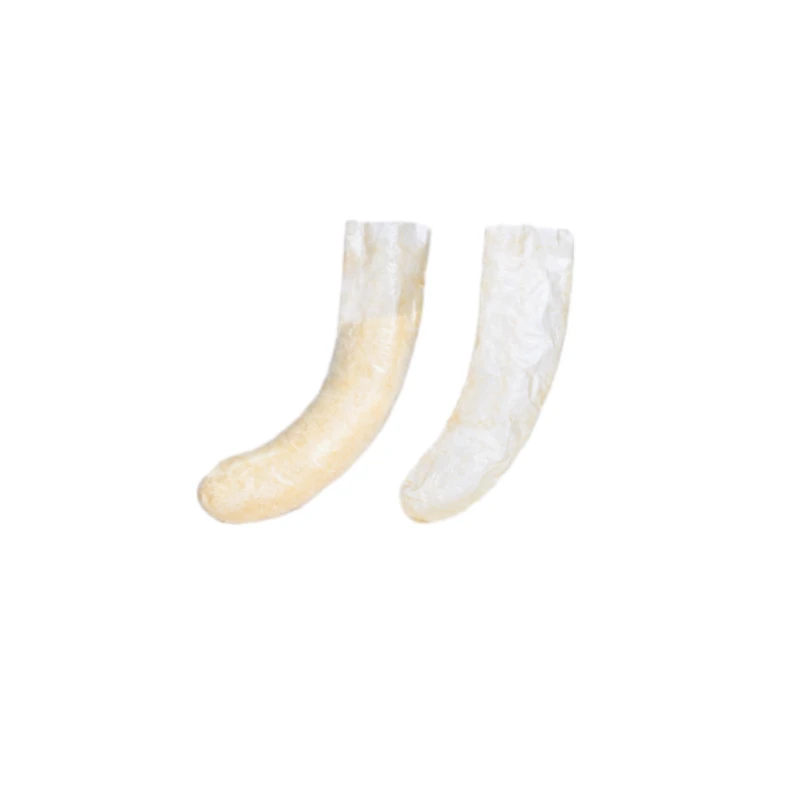
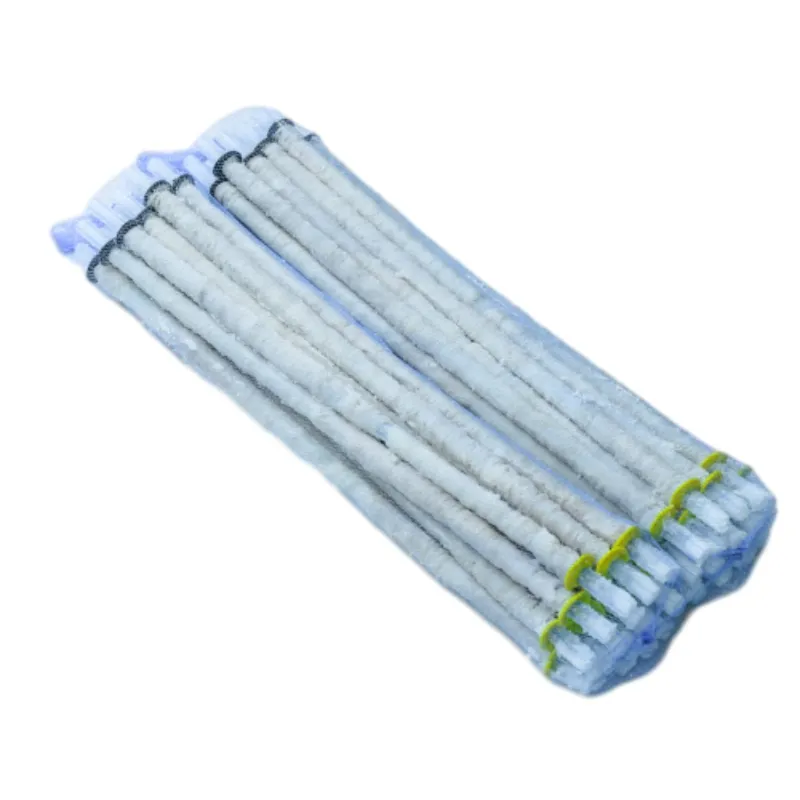
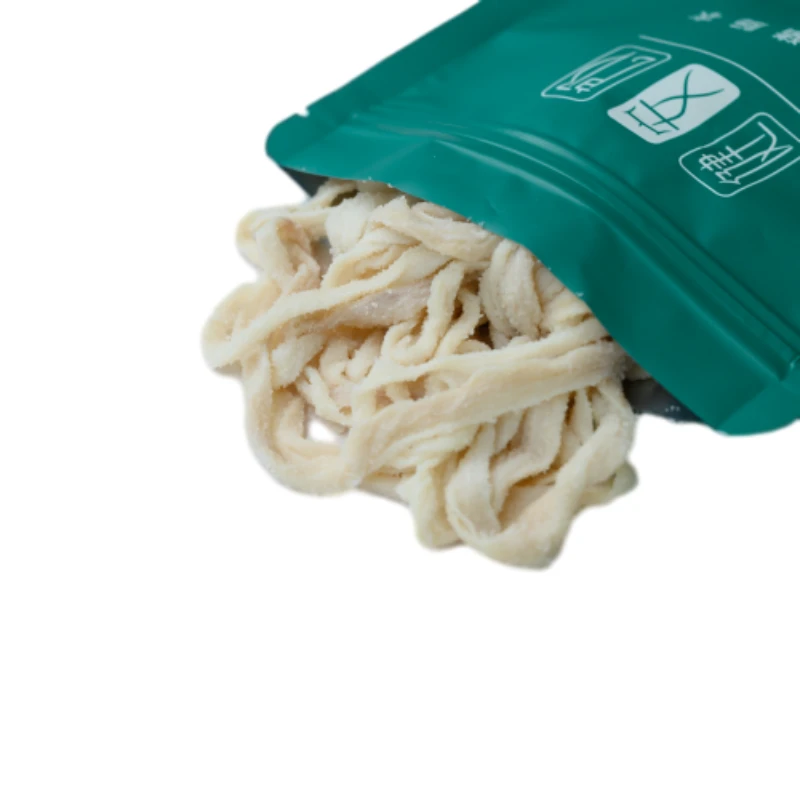
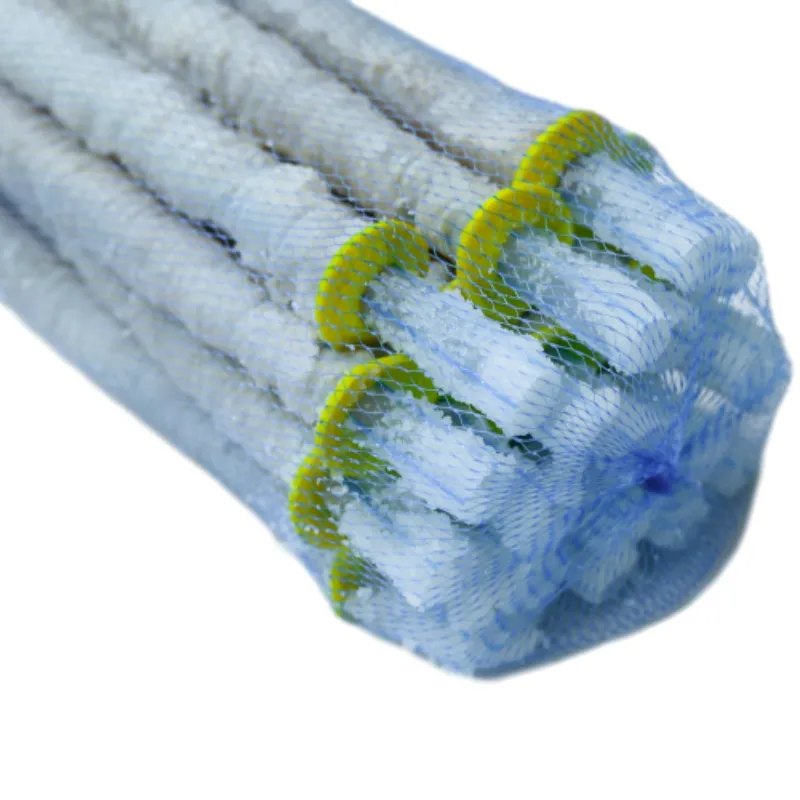
Simply put, sausage casings are the edible or inedible shells that encase sausage meat. Traditionally, casings have been made from cleaned and processed animal intestines (like hog or sheep), commonly known as natural casings. These provide an authentic bite and are highly breathable, enabling desirable drying or smoking processes.
On the modern industrial front, synthetic casings are widely used. These fall mainly into two categories:
- Collagen Casings: Derived from beef or pig collagen, they resemble natural casings in texture but can be produced in uniform sizes and lengths.
- Plastic Casings: Made from cellulose or plastic films; mostly used for non-edible casings like canned or skinless sausages, offering durability and barrier protection.
These distinctions affect not just taste and texture, but also production efficiency, hygiene, and compliance with food safety standards such as those from ISO and the USDA.
Core Components and Key Factors in Sausage Casing Selection
1. Durability & Strength
Imagine cranking out thousands of sausages per day—your casing has to hold up. Natural casings bring strength but can be fragile and inconsistent. Synthetic collagen casings offer better uniformity, stretching slightly with the filling, and plastic casings provide the highest durability, although at the cost of edibility.
2. Edibility & Consumer Preference
For most artisanal or traditional sausages, natural casings are prized because they’re edible and add that classic snap. Conversely, plastic casings are removed or cooked off, common in hot dogs or canned meats, favoring convenience over bite.
3. Cost Efficiency
Collagen and plastic casings are generally cheaper to mass-produce and easier to store than natural ones, which require refrigeration and careful handling. This makes synthetic varieties a favorite among large-scale manufacturers looking to optimize expenses.
4. Food Safety & Hygiene
Natural casings demand meticulous cleaning processes to avoid contamination, while synthetic options offer sterility and ease of use. This plays a huge role in regions with less-developed food safety infrastructures.
5. Environmental Impact
Natural casings are biodegradable but rely on the livestock supply chain. Plastic casings, though durable, raise sustainability concerns unless recyclable options are used.
Mini Takeaway:
So, the choice of casing material boils down to a mix of performance, tradition, cost, hygiene, and evolving sustainability standards. It’s a balancing act that manufacturers navigate daily.
Global Applications & Real-World Use Cases
In Europe’s gourmet markets—think Italy and Germany—natural casings reign supreme, providing those rich textures and that iconic “snap.” By contrast, North American mass producers rely heavily on collagen casings to churn out consistent products like hot dogs and summer sausages.
Interestingly, in disaster relief scenarios or military rations—which need both durability and shelf stability—plastic casings dominate. Their impermeability to microbes and ease of packaging can be lifesavers in remote or austere environments.
A closer peek at developing nations shows a growing shift toward synthetic options to meet safety regulations without the supply chain complexities of natural casings. NGOs supporting food security programs must often consider these factors when sponsoring local production.
Advantages and the Long-Term Value of Knowing Sausage Casing Materials
- Sustainability: Aligning casing choice with environmental goals helps reduce food waste and plastic pollution.
- Consumer Safety: Understanding the casing materials reduces risk of allergen exposure and contamination.
- Economic Efficiency: Optimized casing use means better pricing for producers and consumers.
- Cultural Respect: Adhering to local preferences can improve market acceptance.
- Innovation Catalyst: With new bio-based films and collagen processing methods, manufacturers can blend tradition with modern efficiency.
Emotionally speaking, consumers sense when a sausage just “feels right”—and casings play directly into that impression. Trust in quality casing is trust in the whole product.
Product Specification Table: Sausage Casings Comparison
| Type | Material Source | Edibility | Typical Diameter | Shelf Life (Unopened) | Common Applications |
|---|---|---|---|---|---|
| Natural Casing | Animal intestines (hog, sheep, beef) | Edible | 15 - 45 mm | Several months (refrigerated) | Artisanal sausages, smoked varieties |
| Collagen Casing | Processed beef/pig collagen | Edible | 16 - 32 mm | Up to 1 year (dry storage) | Mass-produced fresh & smoked sausages |
| Plastic/Cellulose Casing | Cellulose or synthetic plastics | Mostly inedible | Varies widely | Up to 2 years (sealed packaging) | Hot dogs, canned meats, skinless sausages |
Vendor Comparison Table: Leading Suppliers of Sausage Casings
| Vendor | Casing Types Offered | Global Reach | Sustainability Initiatives | Price Range (USD/kg) |
|---|---|---|---|---|
| Viskase | Collagen, plastic, cellulose | Global (100+ countries) | Recycling programs, bio-based casings R&D | 5-15 |
| Devro | Collagen specialty casings | Europe, Americas, Asia | Carbon footprint assessment, waste reduction | 7-18 |
| Natural Casings Inc. | Natural casings (hog, sheep, beef) | North America, Europe | Sustainable harvesting, animal welfare certified | 10-25 |
Emerging Trends & Future Innovations in Sausage Casings
With growing demands for sustainability, innovative materials are arriving — from plant-based biodegradable films to enhanced collagen casings made through clean-tech methods. Digital tracing technologies are also emerging, enabling precise tracking of casing origin and quality, which will boost consumer confidence and regulatory compliance.
Automation will continue to streamline casing stuffing and linking, while research into edible coatings might even blur the line between casing and filling. Oddly enough, what was once a simple natural product has grown into a topic of advanced material science and global eco-strategy.
Challenges & How Industry Is Overcoming Them
The old “natural vs synthetic” debate remains, with natural casings facing supply volatility and hygiene challenges, while plastics raise environmental alarms. Supply chain disruptions, especially in the pandemic era, also threw cold water on casing availability worldwide.
To solve these, many producers are diversifying casing sources, investing in local collagen extraction facilities, and partnering with biotech firms developing new materials. Plus, strong food safety protocols and certification programs (see ISO 22000) help ease contamination risks.
FAQ: What's the Casing of Sausage Made Of?
- Q: What are the benefits of natural sausage casings over synthetic?
A: Natural casings offer superior texture and are edible, adding authenticity to many traditional sausages. However, they require careful handling and have variable sizes, which might not suit mass production efficiency. - Q: Are collagen casings safe for people with allergies?
A: Since collagen comes from animal sources, people with specific meat allergies or dietary restrictions should check labels carefully. Most collagen casings are free from common allergens, but transparency from manufacturers is key. - Q: Can plastic casings be recycled or composted?
A: Traditional plastic casings generally aren’t biodegradable, posing disposal challenges. However, newer bio-based plastic films and company recycling initiatives are making progress in reducing environmental impact. - Q: Why do some sausages come without casings?
A: Skinless sausages use plastic casings temporarily for shaping, then remove them before packaging. This convenience appeals to some markets and improves cooking uniformity.
Conclusion: Why Understanding Sausage Casings Pays Off
So, what's the casing of sausage made of? It’s a question that touches on tradition, science, economics, and even sustainability. Whether you’re a sausage lover, a producer, or just curious, the materials inside those thin skins tell a bigger story than most realize. In a world where food safety and environmental concerns are growing, a transparent, thoughtful approach to sausage casing selection is more important than ever.
If you want to explore more on this topic or find reliable sausage casing suppliers, visit our site: https://www.rtcasing.com. Dive deeper and make your sausage decisions smarter, safer, and greener.