Dec . 02, 2025 17:12
What Is the Skin of Sausage Made Of? A Closer Look at This Essential Food Component
When you bite into your favorite sausage, the skin might not be the first thing you notice — but it’s actually a fascinating component that’s been around for centuries. Understanding what the skin of sausage is made of is more than a food trivia matter; it influences everything from taste and texture to cultural identity and global food safety standards. Plus, with the rise of plant-based diets and innovative food tech, the sausage casing’s material deserves a second glance.
Mini takeaway: The skin of sausage isn’t just packaging; it’s a culinary and technological feature that bridges tradition and innovation worldwide.
Introduction: Why Knowing Sausage Skins Matters Globally
The global sausage market surpassed $37 billion in 2022, and it's growing steadily especially in regions like Europe, Asia, and North America where processed meats are a dietary staple (source: Statista). Behind this growth is an often-overlooked element: the sausage skin or casing. It matters not just for flavor and texture but also food safety and sustainability concerns. According to ISO standards on foodstuff packaging, the integrity of sausage skins directly impacts shelf life and public health.
However, the increasing scrutiny on artificial food additives and environmental footprint means producers face a challenge: how to balance durability, naturalness, and eco-friendliness in the choice of skins. That’s where understanding what the skin of sausage is made of becomes a game-changer both for manufacturers and consumers.
Mini takeaway: Sausage skins sit at the crossroads of global consumer trends, industrial standards, and cultural taste preferences, making their composition vital.
Defining Sausage Skin: What Exactly Is It?
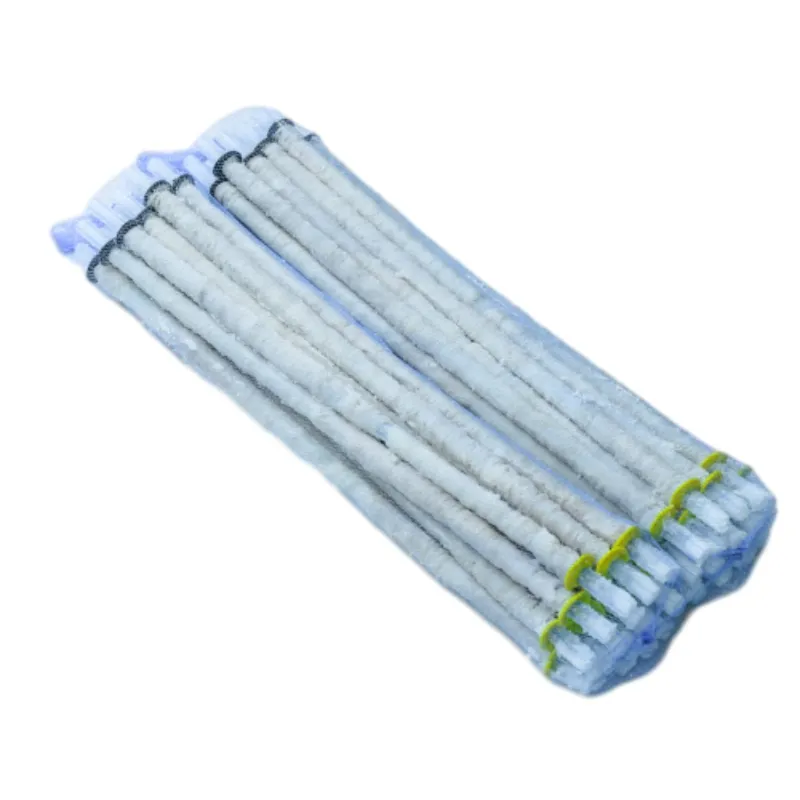
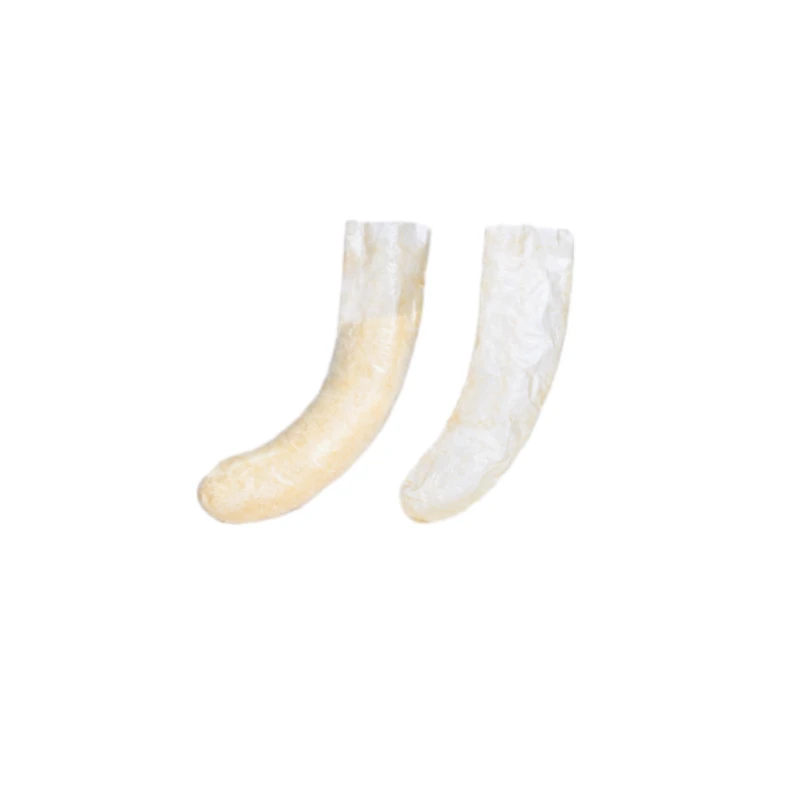
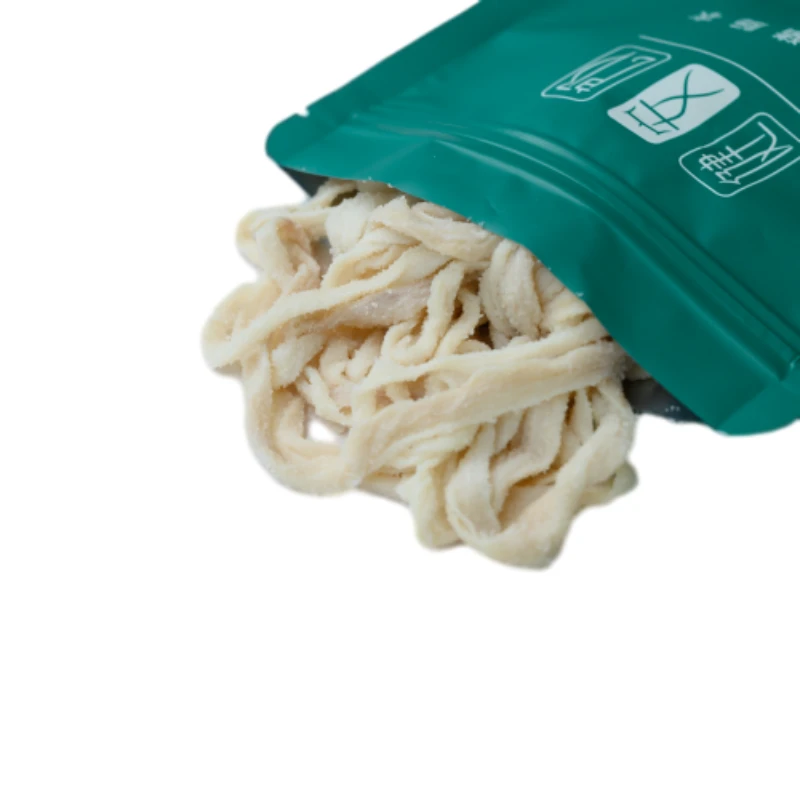
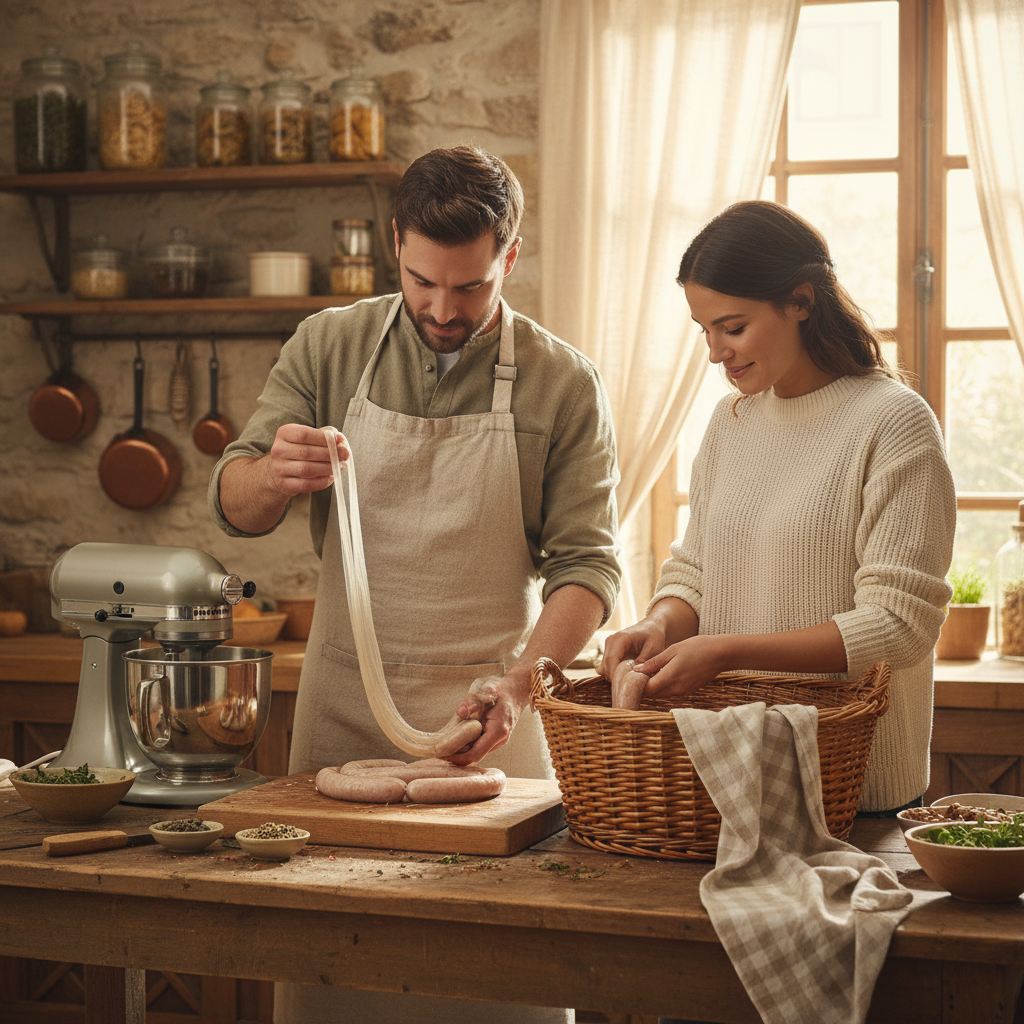
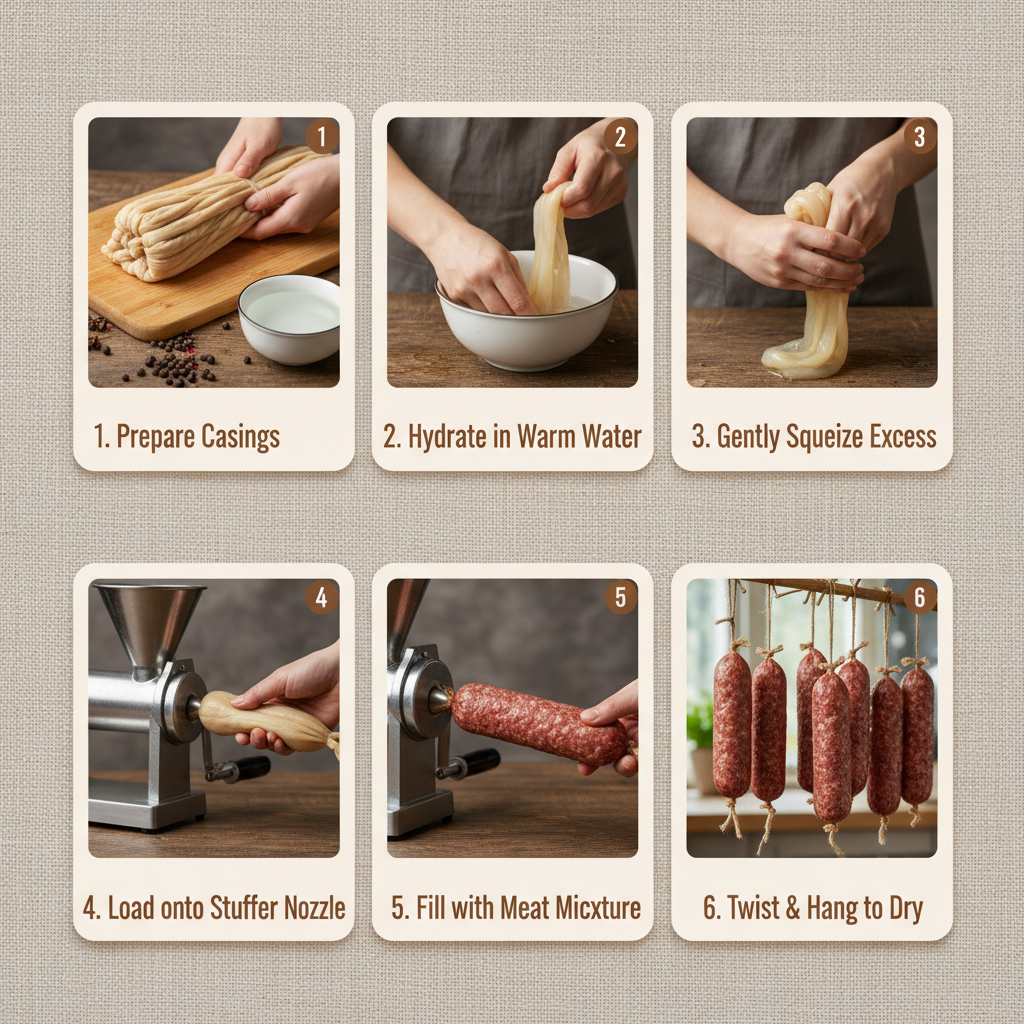
Simply put, the skin of a sausage—often called the casing—is the thin layer that holds the meat filling together. Traditionally, these skins were made from the cleaned intestines of animals like pigs, sheep, or cows. Natural casings offer a unique bite, permeability to smoke, and cooking qualities that synthetic ones generally can’t match.
But modern industry has introduced artificial casings made from collagen, cellulose, or even edible plastics. These cater to demands for uniform size, longer preservation, and specific dietary needs (think kosher, halal, or vegetarian sausages). Interestingly, humanitarian and emergency food agencies also use specialized casings to ensure nutrition and safe packaging during disaster relief.
what is the skin of sausage made of is more than a culinary question — it’s a convergence of tradition, technology, and necessity.
Key Factors in Sausage Skin Composition
1. Natural vs. Artificial Origin
Natural casings (animal intestines) provide excellent permeability and texture, prized in artisanal sausages. Artificial casings (collagen, cellulose) offer uniformity and mass production compatibility. This split balances tradition with scale.
2. Durability and Permeability
Casings must withstand cooking and handling but also allow smoke and moisture to penetrate, which affects flavor and preservation. Natural skins excel here, while synthetics often need additives to mimic this.
3. Food Safety and Hygiene
Due to their organic origin, natural casings undergo rigorous cleaning and testing to prevent contamination. Synthetic casings score higher on consistent hygiene but may lack breathability.
4. Sustainability and Environmental Impact
Natural casings are biodegradable but their sourcing depends on the livestock industry. Collagen casings sometimes use byproducts, making them a form of recycling. Cellulose casings are less eco-friendly but useful in certain applications.
5. Cost and Availability
Natural casings require careful processing and vary regionally, affecting price. Artificial casings are often cheaper and readily available for large-scale producers.
| Material | Origin | Durability | Permeability | Sustainability | Typical Uses |
|---|---|---|---|---|---|
| Natural Intestine | Animal (pig, sheep, cow) | High (careful handling required) | Excellent (smoke and moisture) | Biodegradable, variable | Artisanal, specialty sausages |
| Collagen | Animal by-product (skin, bones) | Good | Moderate | Partly biodegradable | Mass-market sausages |
| Cellulose | Vegetable (wood pulp) | Moderate (often peeled off) | Low (often not edible) | Less sustainable | Hot dogs, skinless sausages |
Mini takeaway: Sausage casings come in diverse forms — each with unique qualities balancing tradition, production needs, and environmental concerns.
Global Applications: Where the Sausage Skin Meets The World
Across Europe, natural casings remain the gold standard, especially in Germany, Spain, and Italy, where historic recipes rely heavily on that "snap" only real intestine can provide. Meanwhile, North American and Asian manufacturers often prefer collagen or cellulose casings to scale efficiently.
In humanitarian contexts, emergency food producers use innovative edible and durable casings for long-term storage and easy transport—vital in post-disaster zones like Southeast Asia and Africa. These foods not only deliver sustenance under harsh conditions but maintain dignity by offering familiar food formats.
Interestingly, the rise of vegetarian and vegan sausages has led to plant-based casings made from seaweed or pea proteins, slowly gaining traction in Western markets with environmentally conscious consumers.
Mini takeaway: Sausage skins are a global story — from artisanal European markets to high-tech, sustainable food innovations in emerging economies.
Advantages & Long-Term Value of Understanding Sausage Skin Materials
- Cost savings: Choosing the right casing cuts waste and improves shelf life.
- Sustainability: Biodegradable casings reduce environmental impact.
- Food safety: Proper casings prevent contamination and spoilage.
- Customer satisfaction: Texture and appearance influence buying decisions.
- Innovation: New materials respond to changing diets and regulatory pressures.
All of these factors create trust in producers and enhance brand loyalty. It’s astonishing how something as simple as sausage skin can touch emotional and economic chords globally.
Looking Ahead: Trends and Innovations in Sausage Casings
In the next decade, expect more synthetic casings made from fully renewable resources and advanced bioengineering. Think lab-grown collagen or cellulose that decomposes more rapidly without losing performance. Digital food safety monitoring and blockchain traceability may even track casing origins for consumers craving transparency.
Plus, as plant-based diets expand, we’re likely to see innovative edible casings mimicking the bite and flavor of natural skins, but cruelty-free. Some startups are experimenting with kombucha-derived films and other fermentation-based materials. So the humble sausage skin might become a high-tech marvel you’d never guess.
Challenges and How the Industry Is Tackling Them
Despite advances, challenges persist. Natural casings’ quality varies with sourcing and processing — uneven textures and supply disruptions can frustrate manufacturers. Artificial skins sometimes fail to replicate the sensory experience of traditional ones.
To overcome these, many producers combine materials or add smoke and flavor infusions post-production. Industry groups and institutes like the ISO also regularly update certification standards to ensure consistency and safety.
Innovations in processing technology, such as enzymatic cleaning or 3D casing printing, are promising future solutions. The industry is cautiously optimistic but aware that consumer education remains key — telling buyers what is the skin of sausage made of makes the difference in acceptance.
FAQ: Frequently Asked Questions About What Is the Skin of Sausage Made Of
- What types of materials are used to make sausage skins?
- Commonly, natural casings come from cleaned animal intestines, while artificial ones include collagen (animal by-products), cellulose (plant-based), and increasingly plant-based edible films. Each type suits different sausage varieties and production scales.
- Why do some sausages have that satisfying “snap” when bitten?
- That snap is usually due to natural casings, which have a unique elasticity and permeability compared to synthetic casings. This texture is often a sign of traditional sausage-making methods.
- Are vegetarian sausage skins really plant-based?
- Yes, many vegetarian or vegan sausages use casings derived from seaweed, pea proteins, or cellulose. These are designed to be edible and mimic natural casing qualities but come without animal products.
- How do sausage skins affect food safety?
- Casings protect the filling from contamination and aid in preservation by controlling moisture and oxygen exchange. Proper cleaning and certification are vital, especially for natural casings, to reduce health risks.
- Is it possible to recycle or compost sausage casings?
- Natural casings are biodegradable and compostable. Collagen casings degrade partially, while cellulose casings vary. However, contamination with meat residue tends to complicate recycling efforts.
Conclusion: Why Understanding Sausage Casings Counts
Peeling back the layers on what the skin of sausage is made of exposes a rich interplay of culture, technology, and sustainability. It touches everything from the smokehouse traditions passed down for generations to modern challenges of large-scale food production and environmental stewardship. Whether you’re a foodie, an industry professional, or simply curious, recognizing the sausage skin’s role deepens appreciation — and maybe even curiosity for your next grill.
Curious to learn more about sausage skins or sourcing the best casings for your products? Visit https://www.rtcasing.com for in-depth resources and expert insights.
Vendor Comparison: Popular Sausage Skin Suppliers
| Supplier | Material Focus | Price Range | Sustainability Practices | Distribution Areas |
|---|---|---|---|---|
| Natural Casing Co. | Natural Intestines | $$$ | Ethical sourcing, biodegradable packaging | Europe, N. America |
| Collagen Plus | Collagen Casings | $$ | By-product recycling, clean production | Global |
| GreenWrap Sausage | Plant-based Films | $$$ | 100% renewable materials, compostable | Europe, Asia |
Final reflection: The humble sausage skin carries more history, science, and future promise than we might assume—worth a little appreciation next time you're about to dig in.