Dec . 02, 2025 17:10
What Is the Sausage Skin Made Of? A Closer Look at This Essential But Overlooked Component
If you’ve ever wondered exactly what is the sausage skin made of, you’re not alone. Sausage casings—that thin film that wraps around our favorite cured meats—play a surprisingly big role in food production, preservation, and sensory enjoyment worldwide. Understanding these skins isn't just about foodies and chefs; it touches sustainability, health standards, and even global trade.
Why care about something so 'skin-deep'? Well, sausage skins reflect centuries of tradition, innovation in food tech, and modern regulatory demands. They influence everything from flavor and texture to storage and shelf life. So, let’s unwrap this topic—pun fully intended—and explore the ins and outs of sausage casings, their ingredients, challenges, and exciting innovations happening in the world of sausage skin manufacturing.
Global Context: Why Sausage Casings Matter Across Continents
Today, the global sausage market is booming, with estimates suggesting it was worth around $45 billion in 2023 and growing year on year (source: Statista). Sausage casings, or skins, are critical in this supply chain—from small butcher shops in Europe to large industrial plants in the U.S. and Asia.
But here’s a twist: the choice of casing isn’t just about tradition. It impacts sustainable packaging goals and influences food security in developing regions. Meat consumption is rising globally, and with it, demand for reliable, safe, and affordable sausage skins. According to the Food and Agriculture Organization (FAO), over 60% of meat product casing currently comes from natural sources, but there’s growing interest in alternatives to reduce environmental footprint.
One challenge that sausage producers face globally is balancing cost, quality, and supply chain reliability—all while meeting increasingly strict food safety regulations (think ISO 22000 and global HACCP standards). This makes the answer to the question “what is the sausage skin made of?” more than just trivia—it underpins an entire industry’s future.
Defining Sausage Skins: What Are They Really Made Of?
Simply put, sausage skins—or casings—are the edible (or sometimes inedible) linings that hold sausage meat together. Traditionally, these casings come in two primary forms:
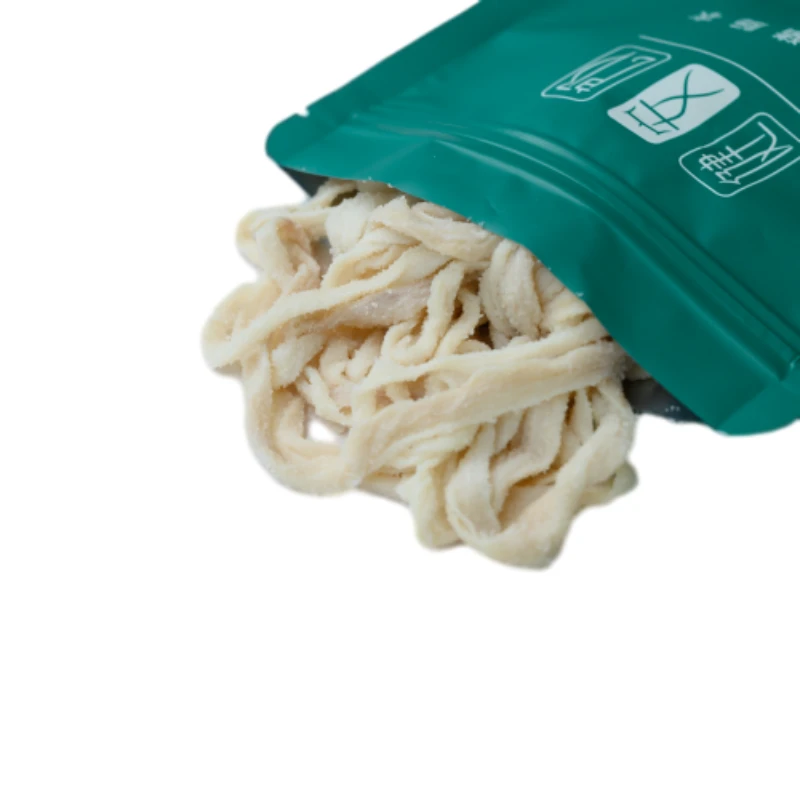
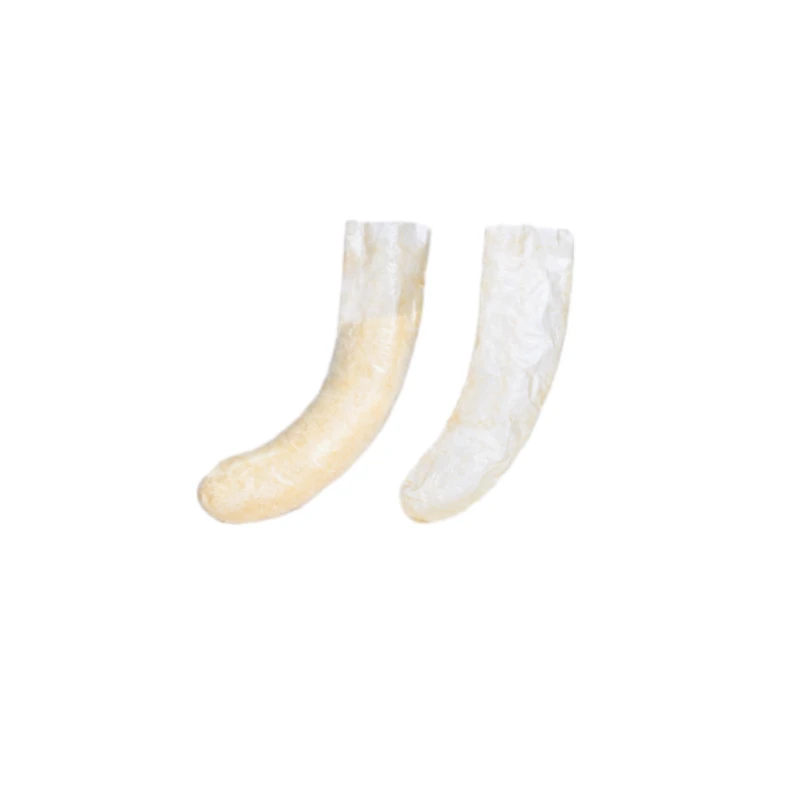
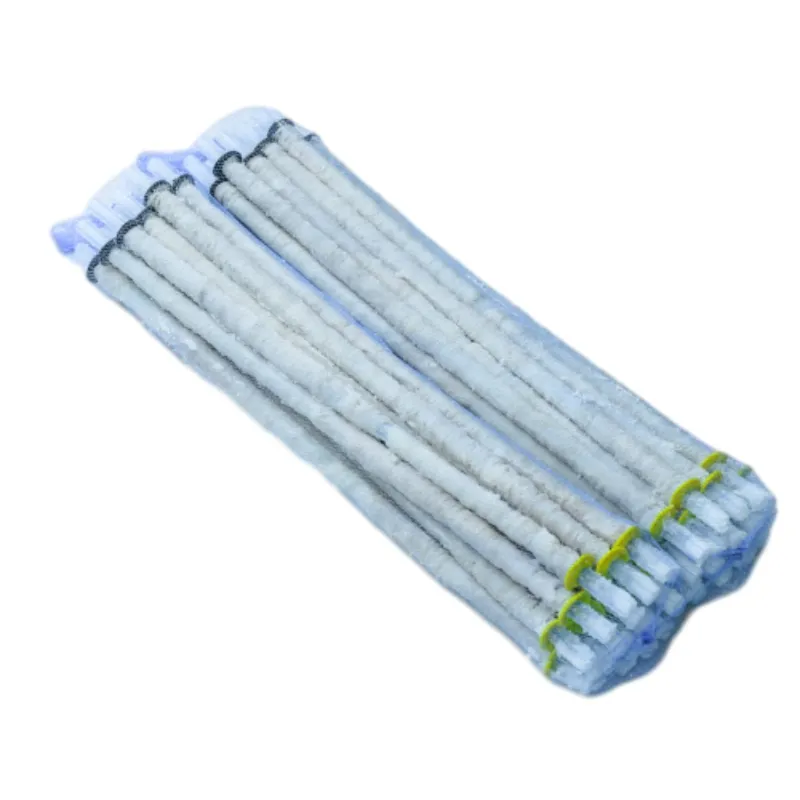
- Natural casings: Made from cleaned intestines of animals like pigs, sheep, or cows.
- Artificial casings: Manufactured from collagen, cellulose, or synthetic materials like plastic.
Natural sausage skins date back thousands of years, prized for their texture and “bite.” Collagen-based casings, on the other hand, are a modern innovation designed to offer flexibility, uniformity, and easier handling.
Interestingly, some casings are even designed to be removed before consumption (like cellulose), while others are meant to be eaten along with the sausage. This choice affects everything from durability to flavor absorption.
How Sausage Skins Connect to Modern Needs
Increasingly, sausage casing manufacturers must address nutritional safety, allergen control, and even cultural preferences (kosher, halal). Beyond that, environmental concerns pressure companies to use more sustainable, biodegradable materials. So, the humble sausage skin sits at a crossroads between tradition, technology, and global commerce.
Key Aspects of What the Sausage Skin Is Made Of
1. Durability and Strength
Natural casings are surprisingly strong but can vary slightly in size and thickness due to their biological origin. Collagen casings, created through controlled processes, offer more consistency. This impacts how sausages cook, peel, or even age over time.
2. Food Safety and Hygiene
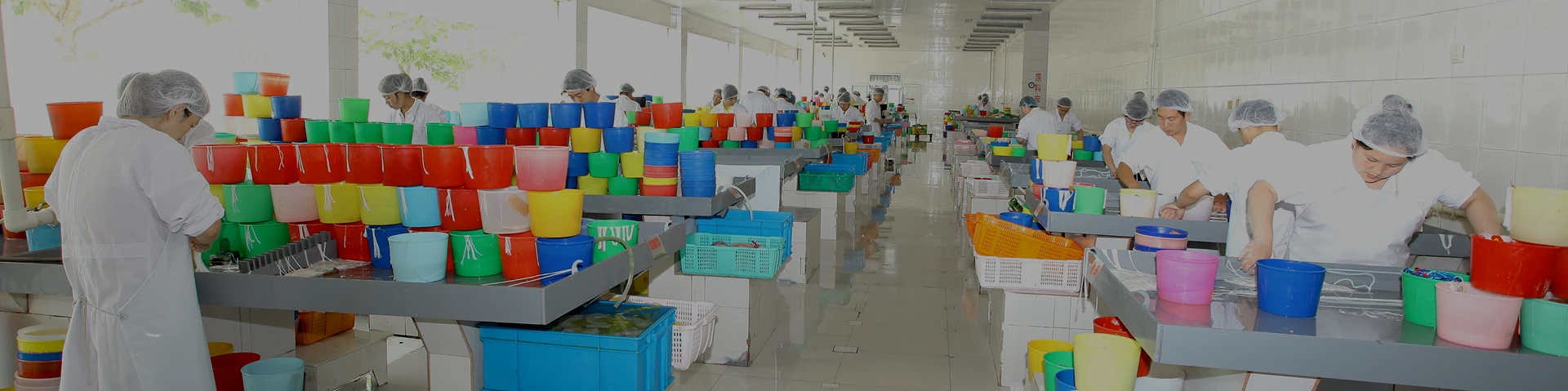
In real terms, sausage skins must meet rigorous food safety standards — they’re in direct contact with meat. Proper cleaning, sterilization, and sometimes preservatives are needed to ensure safety during curing and storage. It's part of why answering the question of “what is the sausage skin made of” isn’t as simple as just “animal intestine.”
3. Cost-Effectiveness
Natural casings often cost more due to sourcing and processing. Industrial collagen casings may offer a cheaper alternative for mass production. Some manufacturers opt for synthetic casings, like cellulose, where budget and specific product needs dictate.
4. Environmental Impact
Oddly enough, natural casings can be more eco-friendly since they are biodegradable and come from animal byproducts that might otherwise go to waste. Conversely, synthetic casings can persist in landfills if not recycled or managed properly.
5. Culinary Qualities
The exterior texture and “snap” you experience popping a sausage is largely influenced by the casing material. Chefs and butchers alike highly value this sensory aspect. For a lively charcuterie board or grill session, the casing isn’t just an accessory, it's part of the flavor expression.
Specifications Snapshot: Typical Sausage Casing Types at a Glance
| Type | Material | Edibility | Typical Diameter | Common Uses |
|---|---|---|---|---|
| Natural | Animal intestine (hog, sheep, beef) | Edible | 16–40 mm | Gourmet sausages, fresh and smoked varieties |
| Collagen | Processed collagen from cattle or pigs | Mostly edible (some peel off) | 12–50 mm | Industrial sausages, fast-casings |
| Cellulose | Regenerated plant fibers | Inedible (peeled off before eating) | 16–50 mm | Cooked and smoked sausages, hot dogs |
| Plastic | Food-grade synthetic polymers | Inedible | 18–100 mm | Specialty, large calibers, industrial use |
Who Makes Sausage Casings? A Vendor Comparison
| Vendor | Casing Type Focus | Global Reach | Sustainability Features | Typical Customers |
|---|---|---|---|---|
| Viskase | Collagen, Cellulose | Worldwide | Recycling programs, renewable energy use | Large industrial meat processors |
| Devro | Collagen primarily | Europe, Asia, Americas | Sustainable sourcing, water conservation | Mid to large meat producers |
| Northeast Natural Casings Co. | Natural casings | North America focused | Utilizes byproducts, minimal waste | Artisan butchers, specialty producers |
| Kalle Group | Natural & Collagen | Europe, Asia | Focus on carbon neutrality targets | Global food brands, premium producers |
Global Applications & Use Cases
In real-world terms, sausage skins are everywhere, shaping not just how meat is prepared, but how it’s transported and enjoyed. For example:
- In Europe, artisanal butchers swear by natural hog casings for their authentic texture and flavor.
- Industrial sausage production in the U.S. and China favors collagen casings, prized for consistency and speed on high-volume lines.
- Some emerging markets rely heavily on cellulose casings in hot dogs and mass-market smoked sausages, prioritizing low-cost solutions.
- NGOs working in food security find biodegradable natural casings essential for delivering nutritious, ready-to-eat meat products in remote areas.
It’s a quietly global network of producers and consumers reliant on understanding exactly what is the sausage skin made of, and the trade-offs between type, cost, and culinary quality.
Advantages & Long-Term Value
Thinking beyond the immediate, sausage casings offer a mix of benefits:
- Sustainability: Many natural casings come from byproducts, reducing waste in meat production.
- Consumer satisfaction: The texture and 'snap' of natural casings elevate eating experiences.
- Economic efficiency: Industrial collagen casings streamline production, reducing waste and time.
- Food safety assurance: Quality casings protect meat from contamination, especially during curing/storage.
- Innovation catalyst: The quest for better sausage skins pushes advances in food tech and bio-materials research.
On a softer note, good sausage skins embody a feeling of trust and tradition—whether you’re grilling in a backyard or crafting gourmet sausages for sale.
Future Trends & Innovations in Sausage Skins
Looking ahead, sustainable innovations are reshaping the casing world. Research into plant-based collagen alternatives, bioengineered synthetic skins, and fully edible, environmentally friendly casings is accelerating. Some companies integrate blockchain to ensure ethical sourcing and traceability of natural casings. Automation in casing production and filling lines improves efficiency and reduces costs.
Additionally, consumer demand for allergen-free and vegan-friendly products nudges the industry towards novel materials and hybrid casings—things are evolving fast.
Challenges & Solutions
Despite advancements, challenges remain. Natural casings vary in size and supply can be inconsistent due to reliance on animal sources. Synthetic casings bring disposal issues, and regulatory hurdles can trip up newer materials. Some answers involve better processing technologies, recycling programs, and collaboration between producers and regulatory bodies.
For example, thorough sanitation and sterilization protocols help maintain safety standards. Industry leaders say a combined approach—melding tradition and technology—offers the best path forward.
FAQ: Your Quick Guide to Sausage Casings
| What are the main differences between natural and collagen casings? | Natural casings come from animal intestines and offer a traditional snap and flavor, but vary in size. Collagen casings are lab-made from processed proteins, providing uniform size, easier handling, and often lower cost. |
| Are sausage skins always edible? | No. Natural and collagen casings are mostly edible, but cellulose and plastic casings are inedible and must be peeled off before eating. |
| How do sausage skins affect shelf life? | Casings act as protective barriers, helping prevent contamination and moisture loss, thereby extending shelf life. The material type and quality greatly influence durability and safety. |
| Can vegan sausage casings match traditional ones? | Emerging plant-based and synthetic casings aim to replicate the texture and safety of traditional skins, but development is ongoing. Expect gradual improvements as demand grows. |
Conclusion: Why Knowing What Sausage Skins Are Made Of Matters
So, next time you enjoy a juicy sausage, spare a thought for the casing. What is the sausage skin made of? The answer is a careful blend of history, science, and industry expertise that affects taste, safety, and sustainability. Understanding these casings bridges cultural traditions with modern food tech challenges—and offers avenues for environmentally friendly innovation.
For those curious to dive deeper or source quality casings, explore more on what is the sausage skin made of at our trusted resource. It’s a fascinating world, wrapped in a thin skin.
Mini Takeaways
- Sausage skins vary from natural intestines to synthetic materials, each with unique pros and cons.
- The choice of casing impacts food safety, shelf life, and culinary quality.
- Sustainability and innovation are driving new materials and better processing techniques.
- Understanding sausage casings is key for producers, consumers, and sustainability advocates alike.