Jan . 06, 2026 00:50
Natural Casings for Sale: What You Need to Know
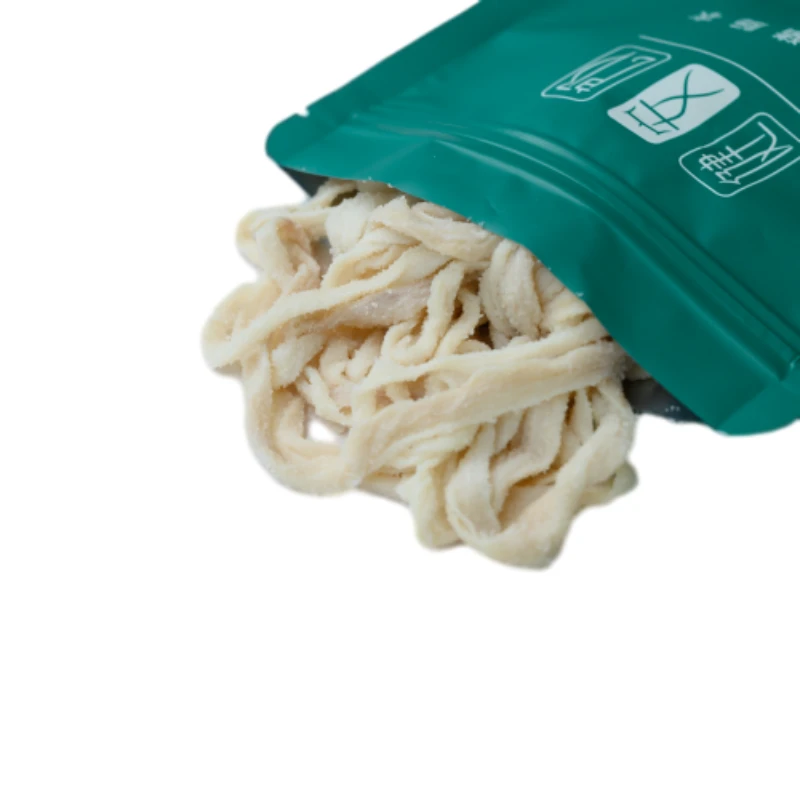
Having worked in the industrial equipment and food processing sector for well over a decade, I’ve seen trends come and go. But one thing that’s remained surprisingly consistent is the demand for high-quality natural casings for sale. Frankly, these aren’t just some run-of-the-mill products. Natural casings have this almost artisanal edge — they’re organic, variable, and deeply tied to tradition, yet still hold tremendous relevance in today’s sausage and meat production markets.
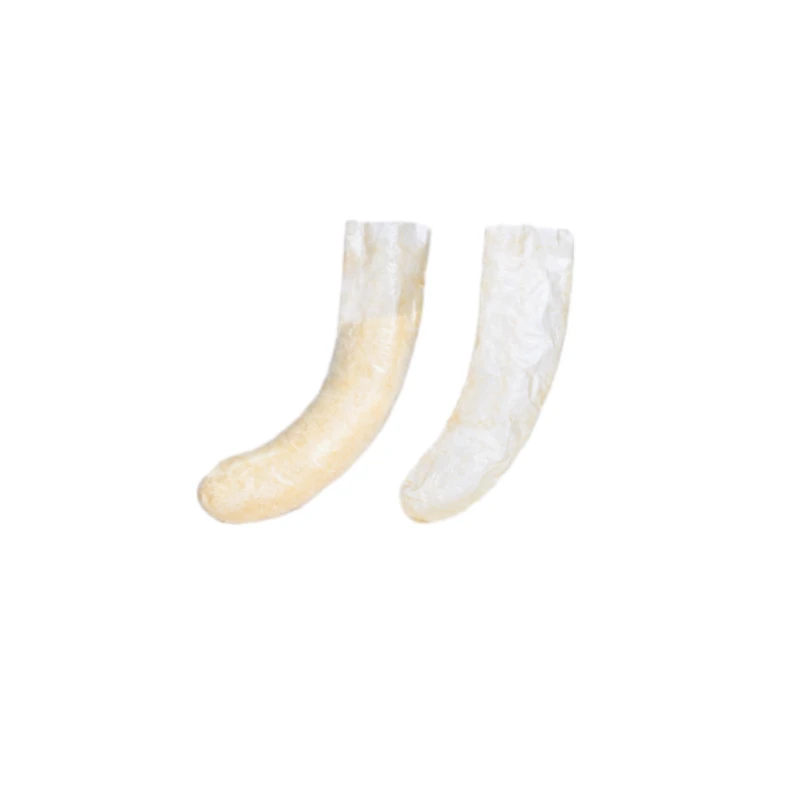
The materials used, mostly from sheep, hog, or beef intestines, are fascinating from both a biological and manufacturing standpoint. It feels like they strike a rare balance between food safety regulations and preserving traditional meat craftsmanship. Oddly enough, even with synthetic alternatives gaining popularity, many producers swear by natural casings for flavor, texture, and ring integrity. I suppose there’s something authentic about them you can’t replicate with plastic.
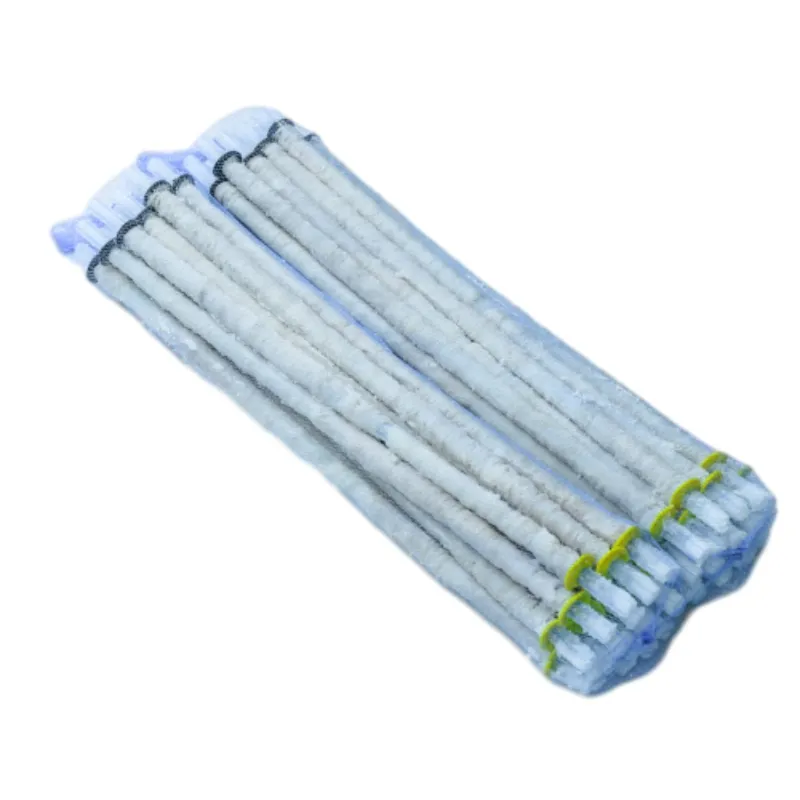
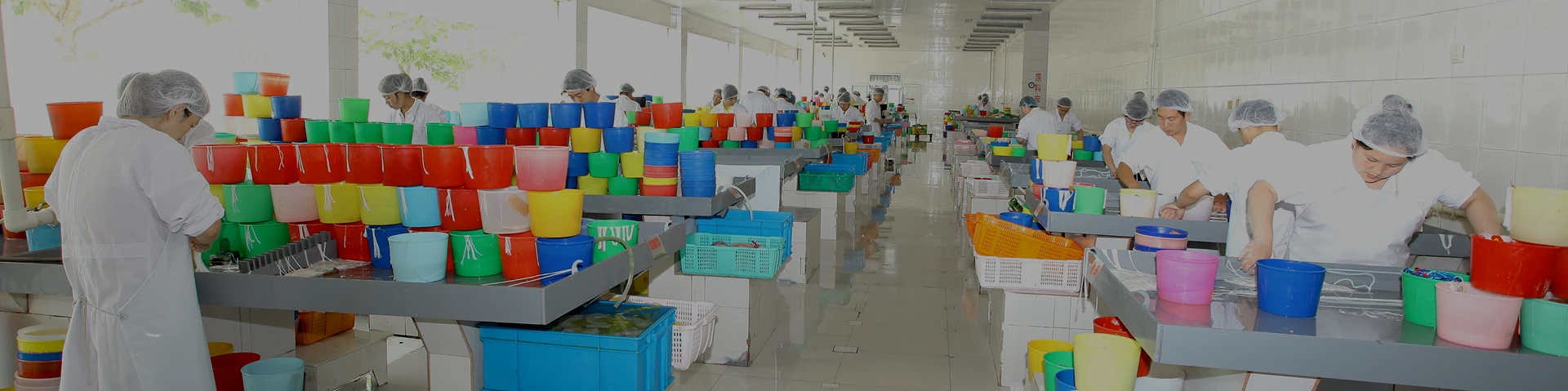
In real terms, the quality of natural casings hinges on careful cleaning, grading, and storage. Each batch can differ — thickness, diameter, and elasticity fluctuate slightly, which can keep quality control teams on their toes. But when properly handled, natural casings deliver that unmistakable bite and snap that sausage lovers crave. Now, not all suppliers are created equal, so choosing the right vendor is paramount. I remember one customer who switched suppliers and immediately noticed a thicker, tougher casing that was harder to stuff, hurting production speed — a classic example of why specs matter and experience pays.
| Casing Type | Diameter (mm) | Length per bundle (m) | Typical Use |
|---|---|---|---|
| Sheep | 16–22 | 36–42 | Breakfast sausages, small calibers |
| Hog | 28–40 | 24–30 | Bratwurst, smoked sausages |
| Beef | 32–50 | 20–25 | Salami, large sausages |
Speaking of vendors, if you’re considering a purchase, here’s a quick comparison to keep in mind. It’s based on my personal observations and feedback from trusted colleagues who've tested these suppliers extensively.
| Vendor | Quality Consistency | Price Level | Customer Support | Special Customization |
|---|---|---|---|---|
| RTCasing | Excellent | Mid-range | Responsive, knowledgeable | Custom diameters and treatments |
| Generic Supplier A | Variable | Low | Limited | None |
| Supplier B | Good | High | Good | Limited |
From my perspective, it pays to invest not just in the product, but the relationship and expertise the vendor brings to the table. Natural casings for sale from RTCasing, for example, combine consistency with customization options, which is quite valuable if you run a diverse product line or need specialty sizes.
Lastly, I can’t help but recall a small, family-owned meat shop I visited some years ago. They switched to natural casings after trying synthetics and noted how customers commented on the difference immediately—juicier bites, natural snap, and just that authentic feel. Sometimes, the old-school way really is the best route, even in this automated age.
If you’re in the sausage or specialty meat business, give natural casings a fair shot. It might just be the piece you’re missing in your production puzzle.
References
- Industry standards on natural casing grading – USDA, 2022
- “Meat Processing Trends and Technologies,” FoodTech Journal, 2023
- Vendor feedback survey, internal, 2023