Dec . 02, 2025 14:38
Understanding What Are Vegan Sausage Skins Made Of: A Growing Industry Shift
When we talk about vegan sausage skins, most folks first think about plant-based meats inside, but the casing itself is just as crucial — if not more — in making these products "vegan" and acceptable to wider audiences. After all, sausage skins traditionally come from animal intestines, which doesn’t quite jive with vegan ethics, right? Understanding what are vegan sausage skins made of dives into a fascinating intersection between food technology, sustainability, and culinary innovation. This matters globally because as more people adopt plant-based diets, demand for authentic and ethical meat alternatives surges. Knowing the materials behind these skins unlocks insights into environmental benefit, texture, and food safety.
In a world aiming to reduce meat consumption by ~20% by 2030 according to the UN’s Sustainable Development Goals, the rise of vegan sausage casings is not just trend-driven — it’s pivotal.
Global Relevance: Why Vegan Sausage Casings Matter More Than Ever
Worldwide, the plant-based meat market has exploded — growing at a CAGR of nearly 15% globally through 2027 [(Statista)]. The traditional sausage industry, estimated at over $20 billion, is adapting fast. Vegan casings serve two roles: a functional membrane holding the sausage together, and a signal of ethical production to consumers.
With increasing scrutiny on animal welfare and carbon footprints, questions arise like: how do we replace a natural product like animal intestines without compromising texture, cooking performance, or the consumer experience? That’s the challenge being tackled by food scientists and manufacturers worldwide — from Europe to Asia, and North America.
Plus, governments and international food agencies push for improved food safety and allergen control. Vegan casings tend to meet ISO and FDA standards more easily, reducing risks linked to animal-derived materials. It’s not just a fancy product feature; it’s a step toward food security and inclusivity.
Mini takeaway:
- The global push for sustainability and ethical foods spreads interest in vegan sausage skins.
- Meeting food safety with vegan casings helps reduce allergens and improve standardization globally.
Defining Vegan Sausage Skins: What Exactly Are They?
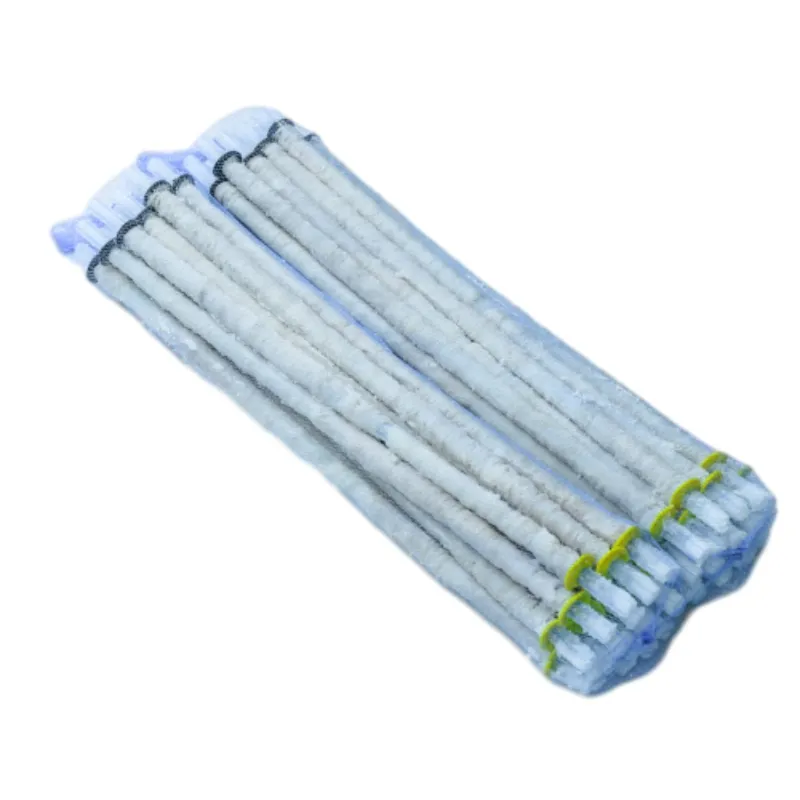
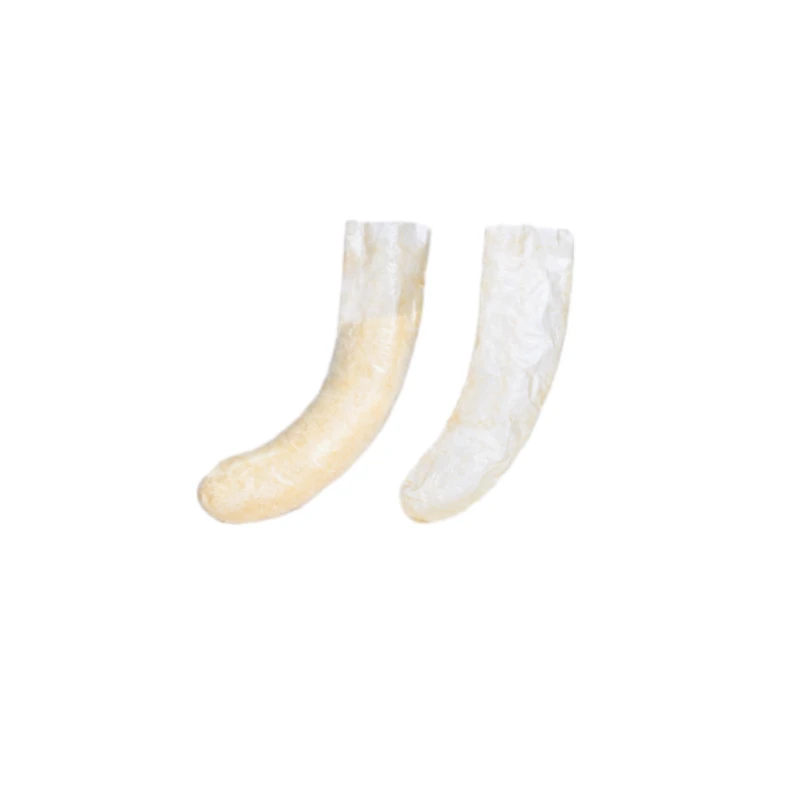
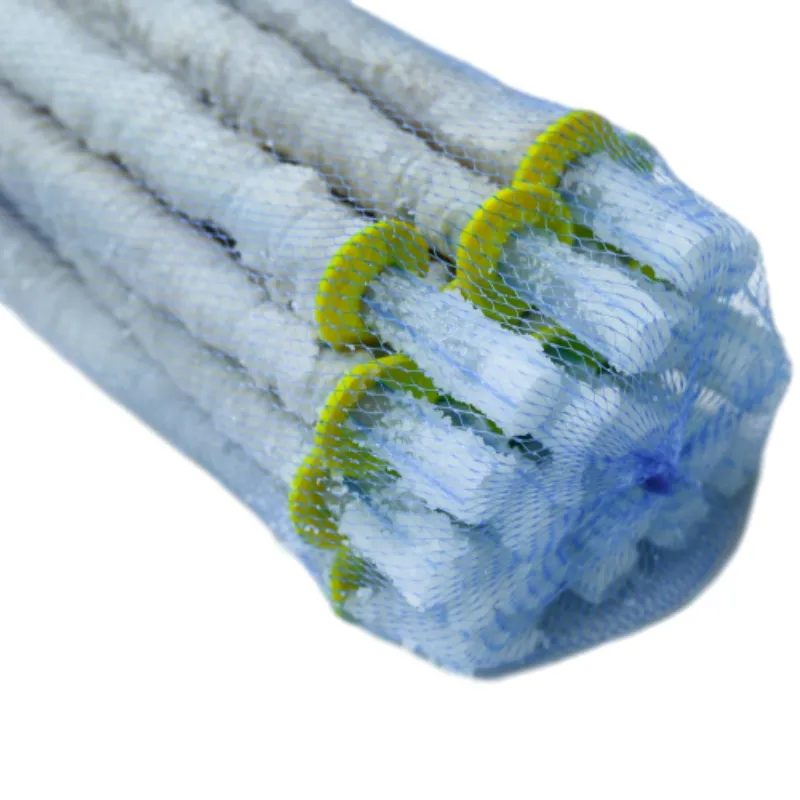
Put simply, vegan sausage skins are casings made without any animal-derived ingredients. Instead of natural animal intestines, they often rely on materials such as:
- Plant proteins (e.g., pea, soy, wheat gluten)
- Cellulose (from wood pulp or cotton fibers)
- Collagen alternatives from synthetic or microbial fermentation
- Biodegradable biopolymers like alginate (from brown seaweed)
These components recreate the visual and tactile characteristics of traditional sausage casings while aligning with vegan dietary restrictions.
In real terms, they’re thin membranes that encase the sausage filling, withstand the cooking process, and sometimes give that satisfying snap when you bite into the sausage. The “skin” impacts not just the texture but also the appearance, shelf life, and cooking integrity of the sausage.
Mini takeaway:
- Vegan sausage skins replace animal membranes using plant, microbial, or polysaccharide materials.
- They mimic traditional casing texture and improve inclusivity for vegan consumers.
Core Aspects of Vegan Sausage Skins
1. Durability and Cooking Performance
One major factor is how well the casing resists heat and moisture during frying, grilling, or boiling. Unlike natural skins, some plant-based casings can be prone to bursting or becoming mushy unless formulated carefully.
2. Edibility and Digestibility
Edible vegan casings improve user experience, but some are still removed like natural collagen casings. Balancing edibility with texture matters — many users favor casings they can eat without compromise.
3. Scalability & Industrial Compatibility
Production lines are often calibrated for natural intestine casings, so vegan alternatives must fit these parameters — diameter ranges, flexibility, and stuffing compatibility — to avoid costly downtime or adjustments.
4. Cost Efficiency
Plant-based casings cost more than traditional gut casings but less than some synthetic plastics. Efforts to cut costs involve sourcing local raw materials and improving manufacturing techniques.
5. Sustainability and Waste Reduction
Reducing animal agriculture impacts, vegan casings also often derive from renewable sources, biodegrade faster, and provide better life cycle performance than conventional casings.
6. Allergen and Dietary Compliance
Some vegan casings use soy or wheat gluten, triggering allergen concerns. Ongoing R&D seeks gluten-free, hypoallergenic materials to widen consumer safety.
Mini takeaway:
- Practical sausage skins balance mechanical properties with cooking behavior and safety.
- Sustainability, scalability, and allergen safety are key priorities.
Global Applications & Real-World Use Cases
These skins find their way into many sectors:
- Retail Vegan Meat Production: Brands such as Beyond Meat and Impossible Foods increasingly partner with casing makers to craft “whole product” vegan sausages.
- Foodservice & Catering: Hospitals and university cafeterias use vegan sperms to accommodate dietary restrictions and ethics.
- Disaster Relief & Humanitarian Aid: Quick, plant-based protein sausages packed in vegan casings ship better and appeal to diverse consumers in emergency food supplies.
- Export-Oriented Markets: Countries with strict halal and kosher laws benefit from casings made without animal products or cross-contamination.
Oddly enough, Asian markets have seen strong growth because of historic vegetarian practices married with innovation, creating demand for vegan skin sausages that cook similarly to their meat counterparts.
Mini takeaway:
- Vegan casings serve multiple industries from retail and foodservice to humanitarian aid.
- They enable culturally sensitive and ethical food distribution.
Advantages and Long-Term Value of Vegan Sausage Skins
Beyond the obvious ethical win, here’s why vegan skins have staying power:
- Environmental Sustainability: Reduced reliance on livestock decreases methane emissions and water use dramatically.
- Food Safety Enhancement: Standardized, plant-based casings lower risks of zoonotic disease transmission associated with animal products.
- Consumer Trust and Transparency: Clear vegan labeling built on truly vegan skins fuels brand loyalty.
- Innovation That Inspires: The tech behind vegan casings opens doors to customizing texture, flavors, and even edible coatings.
On an emotional level, it feels right to have foods that respect animal welfare while still satisfying the palate and cultural needs. That’s no small feat.
Future Trends & Innovations in Vegan Sausage Casings
Looking forward, the industry is buzzing with explorations in biopolymers and fermentation. Some exciting directions:
- Mycelium-Based Casings: Fungi-derived skins that naturally mimic collagen texture and biodegrade fully.
- Smart Casings: Embedded sensors to indicate freshness or cooking doneness in real-time.
- 3D-Printing Technologies: Custom, on-demand casing shapes and textures configured to user preferences.
- Green Energy in Production: Facilities powered entirely on renewable sources reducing carbon footprints further.
It’s an exciting space that feels almost like science fiction adapting to everyday meals...
Challenges & How They’re Being Addressed
Of course, no innovation is without hiccups:
- Texture Variation: Not every vegan casing snaps or feels right yet — manufacturers tackle this through protein engineering.
- Cost & Supply Chain: Raw material sourcing can be volatile — alliances with local growers and biopolymer innovators help mitigate.
- Regulatory Hurdles: Different countries have varied food labeling laws — working with regulators early speeds up approvals.
- Allergenic Ingredients: The challenge of soy and gluten is real—new materials like pea protein or seaweed are promising alternatives.
Mini takeaway:
- Despite challenges, ongoing R&D and collaboration are smoothing barriers.
- Consumer demand and environmental benefit motivate quick problem-solving.
Frequently Asked Questions About What Are Vegan Sausage Skins Made Of
- Q1: What materials are most common in vegan sausage casings?
- Plant proteins like soy and wheat gluten, cellulose from plant fibers, and alginate from seaweed are typical. Some companies also use microbial collagen substitutes.
- Q2: Can vegan sausage skins handle high-heat cooking?
- Modern casings are engineered for grilling, frying, boiling, or steaming. However, some less processed versions might be less heat resistant, so checking product specs is key.
- Q3: Are vegan casings always edible?
- Not always — some are designed to be removed like traditional natural casings, while others are fully edible and digestible, especially those made from cellulose or alginate.
- Q4: Do vegan casings affect sausage taste?
- Generally, vegan skins aim for neutrality in taste, but some plant proteins can impart subtle notes. Flavorings or coatings can mitigate this.
- Q5: How do vegan casings impact product shelf life?
- They often enhance shelf life due to fewer microbial contamination risks, but proper packaging and refrigeration remain essential.
Comparison of Popular Vegan Sausage Skins Vendors
| Vendor | Material Base | Edibility | Heat Resistance | Approx. Cost (per 100m) |
|---|---|---|---|---|
| VeggieSkin Co. | Pea protein & cellulose | Fully edible | Up to 200°C | $150 |
| GreenWrap Ltd. | Alginate-based (seaweed) | Mostly edible | Up to 180°C | $175 |
| MycoWrap Solutions | Mycelium-based | Fully edible | Up to 220°C | $210 |
Specification Table: Typical Vegan Sausage Skin Features
| Feature | Details |
|---|---|
| Diameter Range | 15 mm – 40 mm typical |
| Material Composition | Plant proteins, cellulose, alginate, or mycelium |
| Heat Resistance | Up to 220°C for cooking |
| Shelf Life | 6–12 months refrigerated |
| Edibility | Edible or peelable options available |
For those diving deeper, this topic touches on evolving food tech trends and consumer expectations. It’s amazing how what feels like a small ingredient—sausage skin—reflects much larger shifts in culture, ethics, and technology. Intrigued? I’d suggest checking out some specialized suppliers and food innovation blogs, like what are vegan sausage skins made of to track advances firsthand.
Final thoughts
The world of what are vegan sausage skins made of is evolving fast, and frankly, it’s a little thrilling. From plant fibers to fungi, there’s a whole universe of materials proving that sustainability doesn’t mean sacrificing culinary experience. As consumers become more conscious, these casings will increasingly become the norm — not the niche. So keep an eye on this space; it’s about more than food, it’s about reshaping how we eat.
References
- United Nations Sustainable Development Goals
- International Organization for Standardization (ISO)
- Statista: Plant-Based Food Market Overview
Visit our website to learn more: https://www.rtcasing.com