Dec . 13, 2025 06:10
A Closer Look at Different Sausage Casings
Having spent a fair share of years in the industrial food equipment space, sausage casings have always fascinated me. Oddly enough, it is not just about holding meat together but about choosing the right material—something many overlook. Natural casings, collagen, even some synthetic options; each has its story, quirks, and distinct role on the line.
For newcomers, sausage casings might sound mundane, but anyone who’s been on the floor knows the casing is the silent star of the show. It affects the texture, bite, consistency, even how your product cooks or smokes. Applications vary widely—think delicate bratwurst to those thick Italian sausages—you want a casing that performs without fuss.
Understanding Sausage Casings: Materials and Benefits
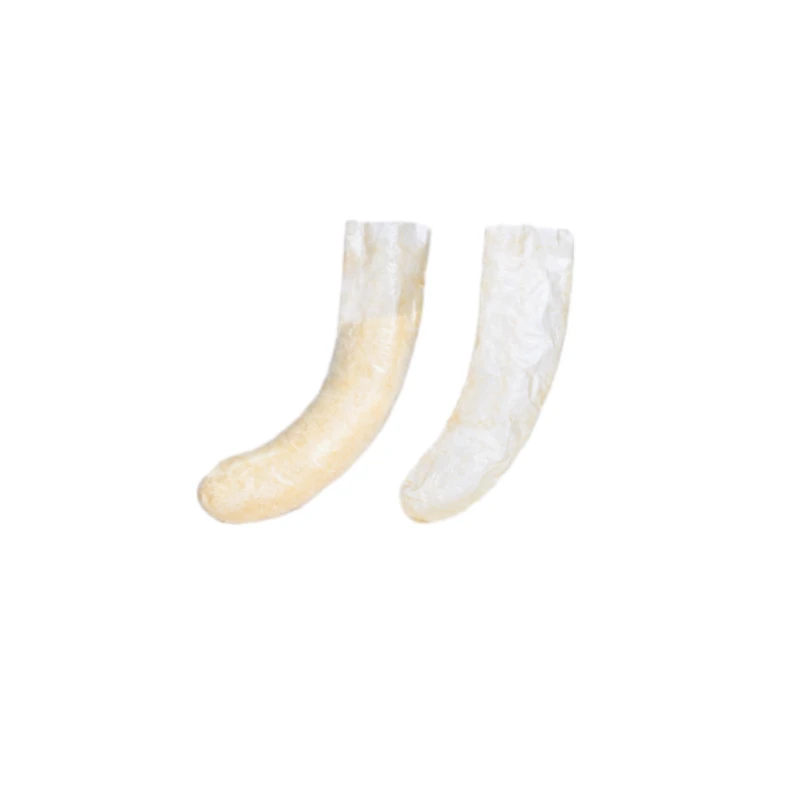
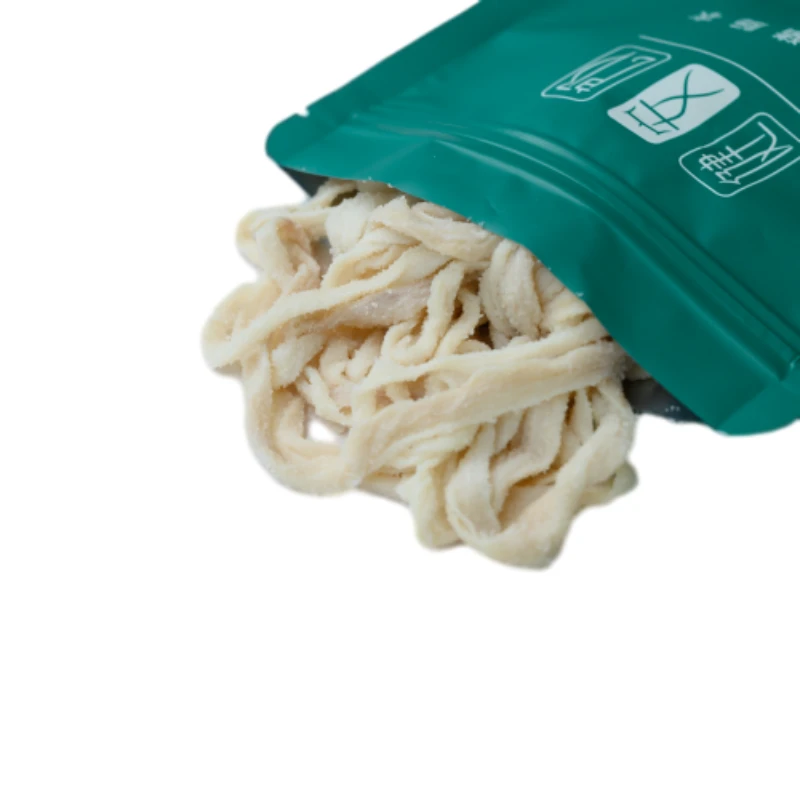
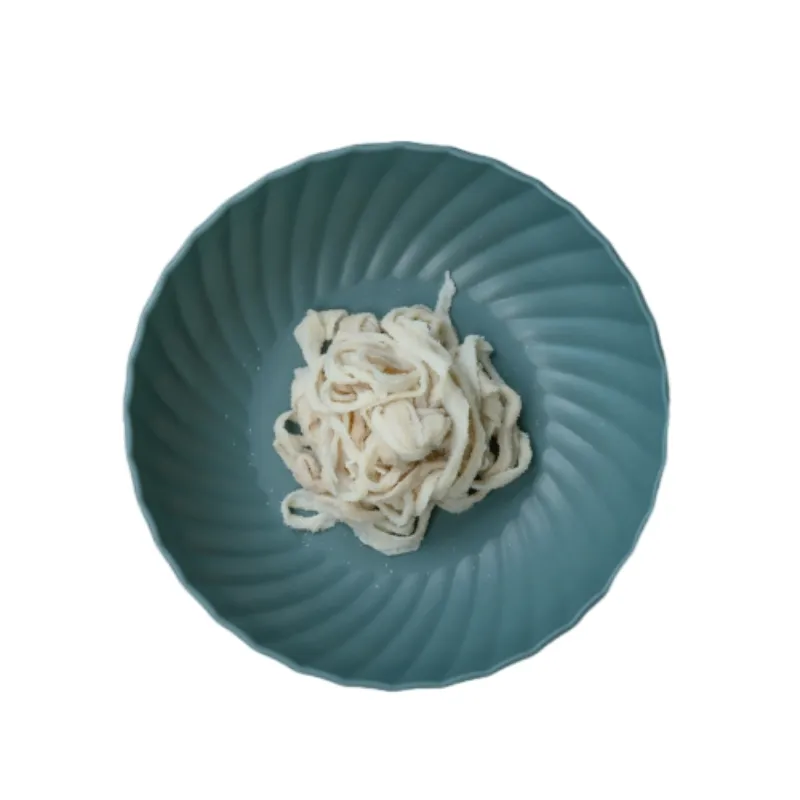
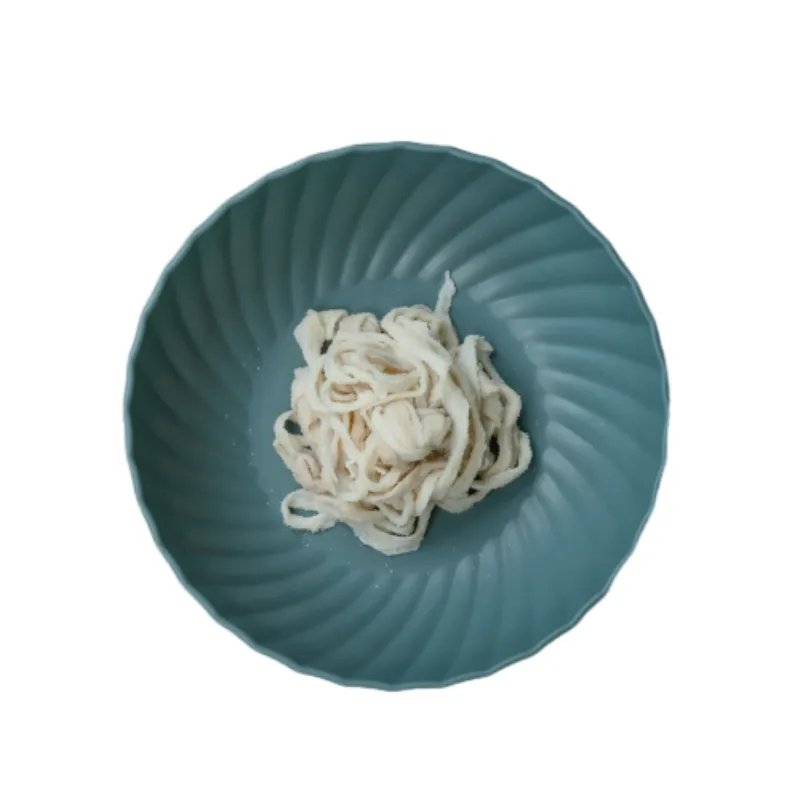
Let’s start with the natural stuff. These casings are made from cleaned animal intestines—pork, sheep, beef—depending on what you’re after. The texture? Unmatched. They shrink naturally during cooking, giving you that authentic snap many consumers crave. The flip side? They’re less consistent in size and require more careful handling. Seasonality can also affect supply and price—a familiar challenge if you’ve managed production schedules.
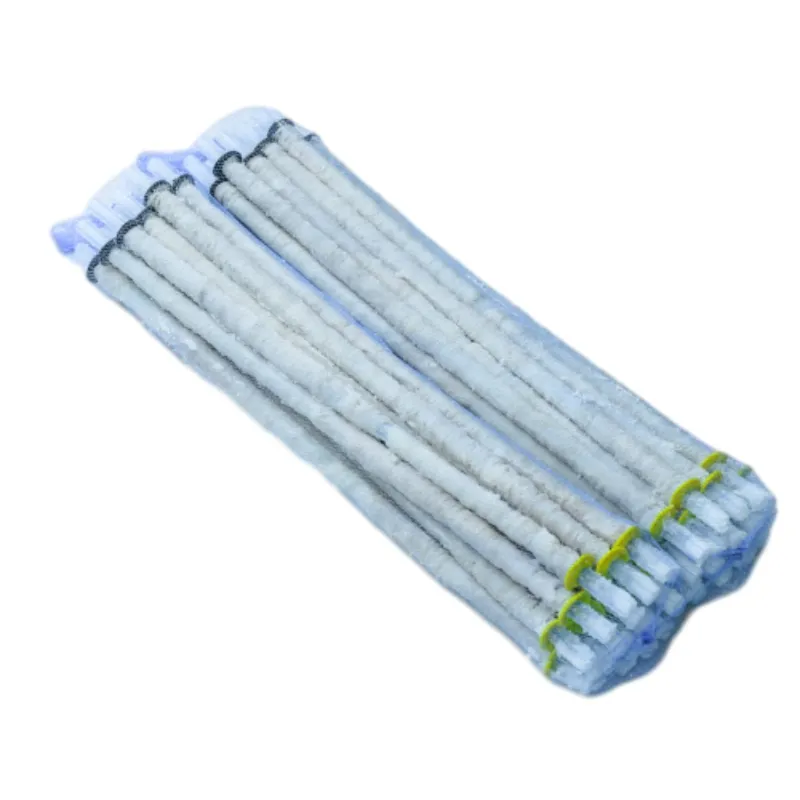
Collagen casings have changed the game somewhat. Produced mostly from bovine collagen, these casings offer uniformity and can be made edible or peelable, which helps in fast-paced manufacturing setups. They can be flavored or smoked easily, which is a neat bonus I’ve noticed on some lines. Many engineers say it’s the best balance between natural feel and industrial efficiency. Still, collagen doesn’t quite deliver the snap of natural casings.
Synthetic casings (made from materials like cellulose or plastic) are a different beast. You’ll find them mostly in products where casing removal is a part of packaging—think hot dogs you peel before eating. They’re robust, heat-resistant, and great for long storage, but you sacrifice the culinary texture that traditionalists swear by.
Spotlight on Performance – Why Casings Matter
In real terms, casing choice boils down to customer expectations and production requirements. Recently, a medium-sized sausage producer I know switched from natural to collagen to handle higher throughput and minimize casing breakage on their newer machines. The transition was somewhat rocky but ended up boosting yield by about 7%. That margin might not sound huge, but it translates directly into profit and waste reduction—a big win in any setting.
Product Specifications Table
| Casing Type | Material | Diameter Range | Typical Usage | Shelf Life |
|---|---|---|---|---|
| Natural | Animal intestines (pork, sheep, beef) | 16–40 mm (varies widely) | Traditional sausages, artisanal products | Up to 1 year refrigerated |
| Collagen | Bovine collagen | 15–50 mm | Mass production, snack sticks, hot dogs | 1–2 years, dry storage |
| Synthetic | Cellulose, plastic | 15–50 mm | Skinless sausages, cooked products | 2+ years, dry storage |
Comparing Leading Sausage Casing Suppliers
| Supplier | Casing Types | Customization Options | Typical Lead Time | Price Range |
|---|---|---|---|---|
| Supplier A | Natural, Collagen | Diameter, flavoring, packaging | 2–3 weeks | Mid-range |
| Supplier B | Collagen, Synthetic | Diameter, peelable, color | 1–2 weeks | Competitive |
| Supplier C | Natural only | Limited; mostly standard sizes | 3–4 weeks | Higher-end |
If you’re in the market for quality sausage casings, something I can personally recommend is checking out the products available at RTCasing. Their range is pretty impressive, and their team knows the nuances of each casing, which helps when deciding what works best for your line — trust me, that's worth its weight in gold when you’re juggling specs and budgets.
All in all, sausage casings aren’t just packaging; they’re a vital ingredient. The way they behave under heat or smoke, their feel and snap, and even the ease of production — it all adds up. So whatever your operation size or style, take the time to test and know your casings. It really makes a difference when the final product hits the shelf or your customers' tables.
Anyway, that’s my two cents after all these years. Might sound simple, but those casing choices can be a rabbit hole—fun one, though.
References & Further Thoughts
- Field notes from sausage production lines (2015-2023)
- Industry whitepapers on collagen casing advancements, Meat Processing Journal, 2022
- RTCasing website and product catalogs for up-to-date specs