Dec . 02, 2025 09:20
What Are Pork Casings Made Of? Understanding Their Global Importance
At first glance, pork casings might just seem like sausage wrappers, a behind-the-scenes part of what ends up on your plate. But frankly, understanding what are pork casings made of isn’t just about food science. It’s a small window into centuries-old food traditions, global trade, manufacturing innovations, and even sustainability conversations happening worldwide. Given that natural casings remain favored in many regions for their texture and culinary qualities, knowing what they’re made of is key to quality, safety, and efficient production.
Globally, the sausage industry represents billions of dollars in revenue with natural casings still holding a significant market share in Europe, Asia, and the Americas. But beyond economics, pork casings have practical relevance in food preservation, cultural cuisine, and even humanitarian aid, where sustaining protein supply chains matters. So, what exactly makes up these casings, exactly? And why does it matter now more than ever?
The Global Context: Why Pork Casings Matter in Today’s Industry
According to the Food and Agriculture Organization (FAO), global pork production exceeds 110 million tonnes per year, making pork a major protein source worldwide. The natural casings used for sausages mostly come from animal intestines, predominantly from pigs. This byproduct industry efficiently leverages what might otherwise be waste, aligning with sustainability goals emphasized by organizations like the United Nations Environment Programme (UNEP).
However, challenges remain: inconsistent casing quality, competition from synthetic alternatives, and regulatory hurdles surrounding food safety cause manufacturers to constantly adapt. The demand for authentic taste and texture keeps natural pork casings in favor, but with pressures to innovate and address scaling hurdles, the question of what are pork casings made of isn't just academic—it affects supply chains and product trust worldwide.
Mini takeaway:
- Pork casings turn a natural byproduct into a high-value food component.
- They reflect a balance between tradition, sustainability, and industrial needs.
Defining Pork Casings: What Are They Made Of?
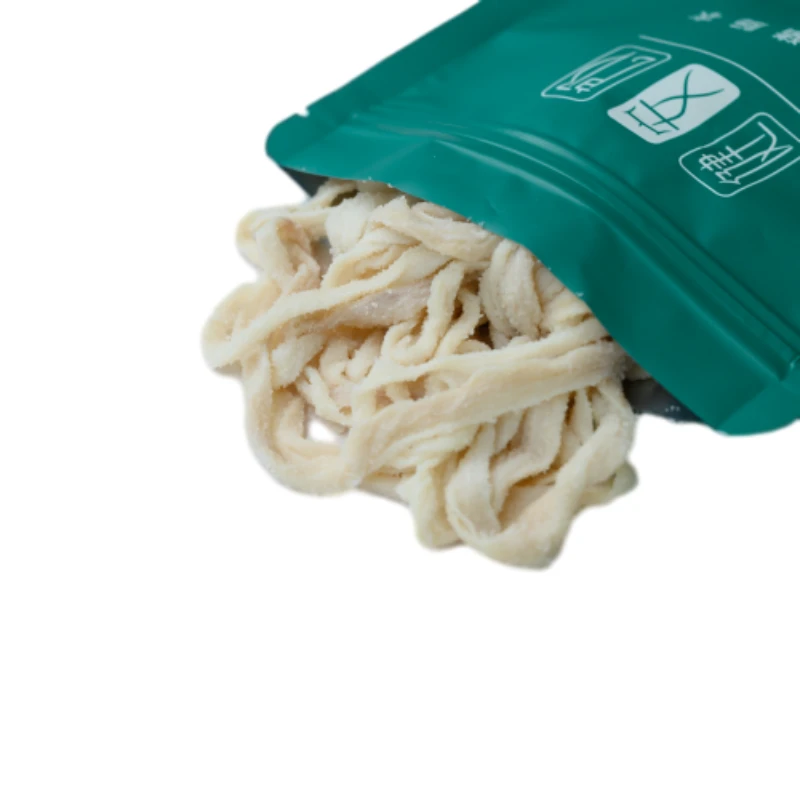
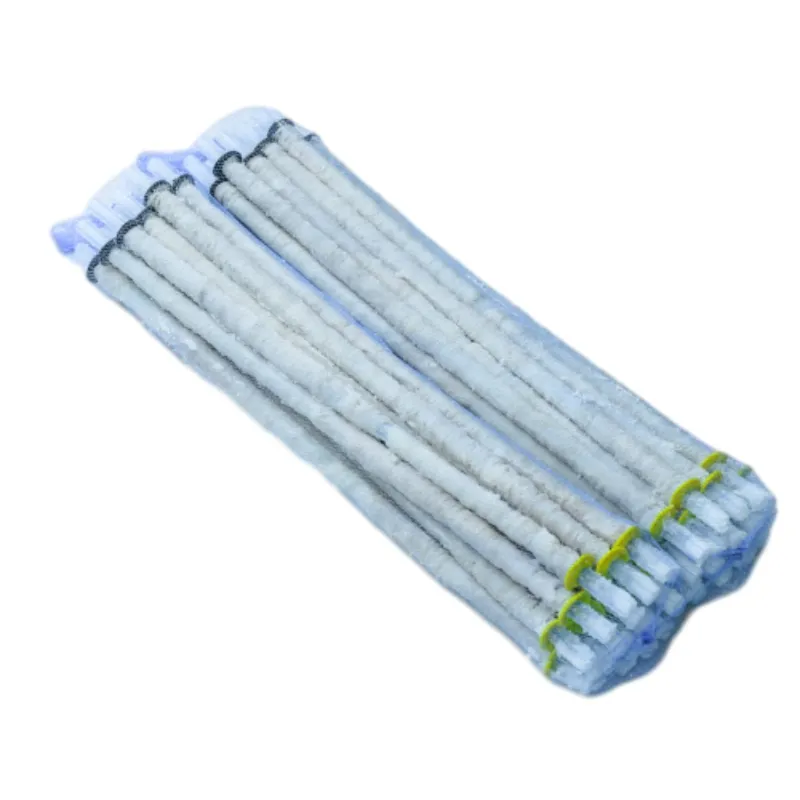
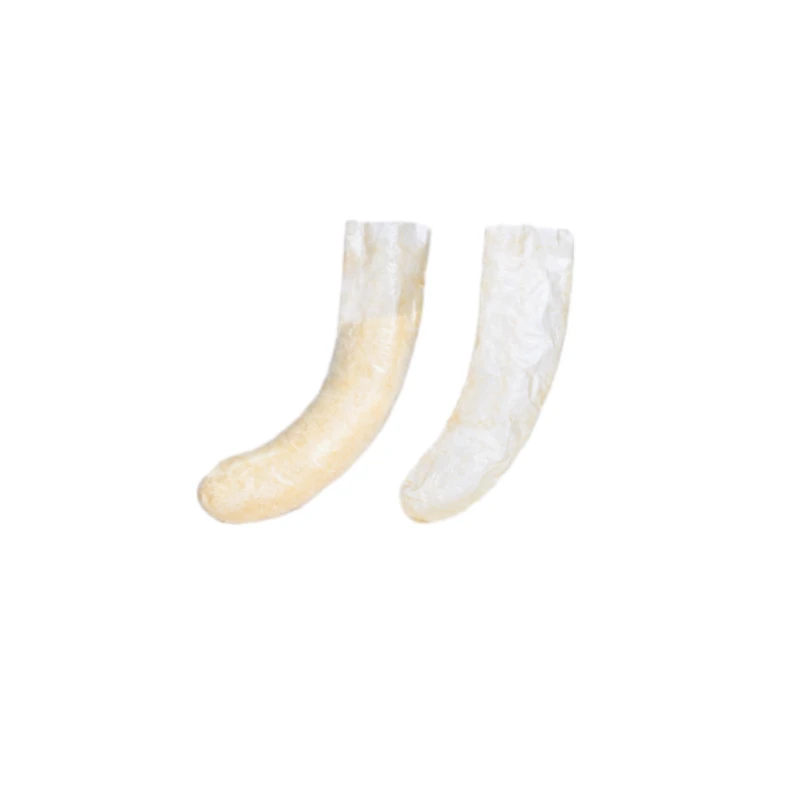
Simply put, pork casings are the cleaned and processed intestines of pigs. These sections of intestine, mainly the small or large intestine portions, are carefully harvested, then preserved through salting or freezing to serve as edible wrappers for sausages and similar products.
Unlike synthetic casings made of collagen or cellulose, natural pork casings offer unique elasticity and permeability, qualities sought by many craft sausage makers and traditional markets. The casings are primarily composed of collagen – a fibrous structural protein found abundantly in connective tissues – which imparts strength yet flexibility.
Interestingly, they’ve been part of food culture for millennia, playing a role not only in gourmet dishes but also in food preservation strategies used by communities before refrigeration became common. Today, their use spans both artisanal and large-scale industrial settings.
Core Aspects of Pork Casings and Their Practical Significance
1. Durability and Elasticity
Pork casings must withstand stuffing, cooking, and sometimes smoking without breaking. Their collagen composition naturally lends them strength and a pleasant snap after cooking, something synthetic casings try to mimic but rarely match exactly.
2. Natural Permeability
Unlike some artificial casings, pork intestines allow smoke and seasoning to penetrate during the curing process, enhancing flavors. This feature is crucial in many regional sausage recipes.
3. Biodegradability and Sustainability
Because they are natural animal products, pork casings degrade biologically, offering an eco-friendly alternative to plastics or other synthetics. This aligns well with increasing sustainability mandates in food industries worldwide.
4. Cost Efficiency and Scalability
Since pork intestines are a byproduct of slaughtering, they represent an efficient use of resources. However, quality processing and logistics can affect price and availability, especially in regions with fluctuating pork production.
5. Food Safety Compliance
Rigorous cleaning processes comply with international food safety standards, preventing microbial contamination — a critical factor since the casings come from animal digestive tracts.
Mini takeaway:
- Collagen-based natural casings excel in durability and flavor absorption.
- They carry an eco-friendly edge but require consistent quality control.
Global Applications & Use Cases: Where Pork Casings Shine
Natural pork casings have found markets worldwide, from the iconic bratwursts of Germany to traditional Asian sausages. Regions with strong pork industries—such as China, Germany, and the US—lead in both consumption and casing production.
In post-disaster relief operations, such as food aid programs, granting shelf-stable, nutrient-rich sausage products that use natural casings helps provide dignified nutrition. Furthermore, small and medium-sized enterprises (SMEs) in developing countries rely heavily on natural casings due to their accessibility and affordability compared to synthetics.
| Specification | Typical Range/Value | Importance |
|---|---|---|
| Diameter (mm) | 14 - 28 | Choice depends on sausage type |
| Strength (kg/cm) | 1.1 - 1.5 | Ensures resistance during stuffing |
| Collagen Content (%) | 85-90 | Determines elasticity and texture |
| Shelf Life (months, salted) | Up to 12 | Long shelf life supports global distribution |
Why Choosing Pork Casings Makes Sense: Advantages & Long-Term Value
Opting for pork casings means embracing tradition with functional benefits. Their natural composition respects texture and taste preferences that synthetic alternatives find difficult to replace. There’s also a sustainability angle—using byproducts reduces waste. Plus, many producers and consumers value pork casings for food safety; with well-controlled processing, they are extremely reliable.
On a social level, these casings help preserve culinary heritage. In many places, they connect people to past generations and cultural identity — something that feels comforting amid today’s globalization. There’s a subtle dignity in eating foods wrapped in natural material; it’s more than skin deep.
Innovations Shaping the Future of Pork Casings
Oddly enough, innovation in this niche continues quietly but steadily. Advanced cleaning technologies improve safety; digital tracking systems help guarantee supply chain transparency—imagine scanning a casing to trace its origin! Additionally, research into casings from alternative sustainable sources or hybrid casings combining natural collagen with biopolymers is ongoing.
Automation is also impacting production, reducing labor-intensive steps to meet scaling demands without sacrificing quality. These trends align with ISO standards aimed at boosting global trade while ensuring consumer confidence.
But It’s Not All Smooth: Challenges and How Experts Are Tackling Them
Despite the benefits, certain challenges linger. Variability in casing quality due to animal diet or processing inconsistencies can frustrate producers. Regulatory compliance across countries means additional paperwork and testing, sometimes limiting market access. Finally, competition from cheaper synthetic casings creates pressure on natural casing suppliers.
Experts recommend investments in better traceability, standardization, and closer integration with pork producers to optimize the entire value chain. Increasing consumer awareness about natural casings helps, too — once folks realize “what are pork casings made of” equates to a natural, high-caliber ingredient, the demand tends to stay strong.
Frequently Asked Questions About What Are Pork Casings Made Of
- What exactly are pork casings made of?
- Pork casings are natural, edible sausage wrappers derived from the cleaned intestines of pigs. Primarily made of collagen, they provide strength and flexibility needed during sausage production.
- Can pork casings be replaced by synthetic casings?
- Synthetic casings exist and are often cheaper, but they rarely match the texture and flavor effects natural pork casings provide. Moreover, they lack the biodegradable advantage, affecting sustainability.
- How are pork casings processed for safe consumption?
- After harvesting, casings are carefully cleaned, salted, and sometimes frozen to eliminate bacteria. Strict hygiene standards regulated by food safety authorities ensure they’re safe for use.
- Are pork casings sustainable?
- Yes! Using pork intestines converts slaughterhouse byproducts into valuable food components, reducing waste. Pork casings biodegrade naturally and are considered a sustainable packaging option in the food industry.
- Where can I buy quality pork casings?
- Suppliers specializing in natural casings, such as those listed on what are pork casings made of, provide extensive options. It's best to choose vendors with good quality control and certifications complying with international standards.
Vendor Comparison: Leading Suppliers of Pork Casings
| Supplier | Product Range | Quality Certifications | Global Reach | Pricing |
|---|---|---|---|---|
| RTCasing | Natural pork, beef & sheep casings | ISO 22000, HACCP | Worldwide | Competitive, volume discounts |
| Natural Wraps Co. | Focus on pork casings | BRC, GMP | Europe, Asia | Mid-range pricing |
| EcoCasings Ltd. | Hybrid casings (natural + biopolymer) | ISO 9001, Organic certifications | North America, Europe | Premium pricing |
Final Thoughts on What Are Pork Casings Made Of
Understanding what are pork casings made of gets you closer not just to a product but to decades, sometimes centuries, of culinary craft and industrial evolution. These natural essentials connect us to tradition, sustainability, and the global economy more than many might realize. With steady innovation and growing consumer awareness, pork casings’ place in the market looks secure, even as the world relentlessly changes.
For those curious to explore high-quality natural casings and how they can elevate your products, visit us anytime at https://www.rtcasing.com. You might be surprised how something so natural shapes so much.