Dec . 02, 2025 05:05
Understanding What Hotdog Casings Are Made Out Of: A Surprisingly Complex Topic
If you've ever wondered what are hotdog casings made out of and why that matters beyond the food on your grill, you're not alone. This question taps into a curious blend of culinary tradition, food science, industrial innovation, and even global sustainability. Hotdog casings might seem like a minor part of the sausage-making process, but they actually influence taste, texture, and commercial scalability — plus, they offer a window into animal agriculture, petrochemical industry, and even emerging eco-friendly materials.
Globally, the food processing industry moves mountains of casings each year, supporting everything from local street vendors to international fast-food chains. Understanding the nature of these casings helps producers improve quality, reduce costs, and meet increasingly strict health and environmental regulations. Not to mention, it informs consumers who are curious about what exactly goes into their food.
So, where do hotdog casings come from? Are they all the same? What impact do they have on production and consumption? Let’s break it all down.
The Global Context of Hotdog Casings
Over 15 billion hotdogs are consumed annually in the United States alone. But worldwide figures are even more staggering — billions more in Europe, Asia, and Latin America. According to data collated by the Food and Agriculture Organization (FAO), the global demand for processed meat casings is rising steadily, driven by urbanization, population growth, and evolving taste preferences.
Yet, sourcing these casings sustainably presents a challenge. Traditional animal-based casings rely heavily on intestinal byproducts from livestock, meaning they are bound intrinsically to meat supply chains. Fluctuations in livestock industries or stricter animal welfare laws can tighten supply, pushing producers to innovate.
On the flip side, synthetic casings propelled by advances in polymer science are growing. According to ISO standards on food-grade polymers, the demand for consistent, hygienic, and long-lasting casings is pushing global producers to think green while maintaining efficiency.
Mini takeaway: Hotdog casings are more than just sausage skins; their production mirrors global trends in food security, sustainability, and industrial innovation.
Defining Hotdog Casings in Simple Terms
At its core, what are hotdog casings made out of refers to the outer shell that encloses the sausage meat. They serve both functional and sensory roles — holding the meat tight, enabling cooking, and contributing to mouthfeel and flavor.
Casings generally fall into two broad categories:
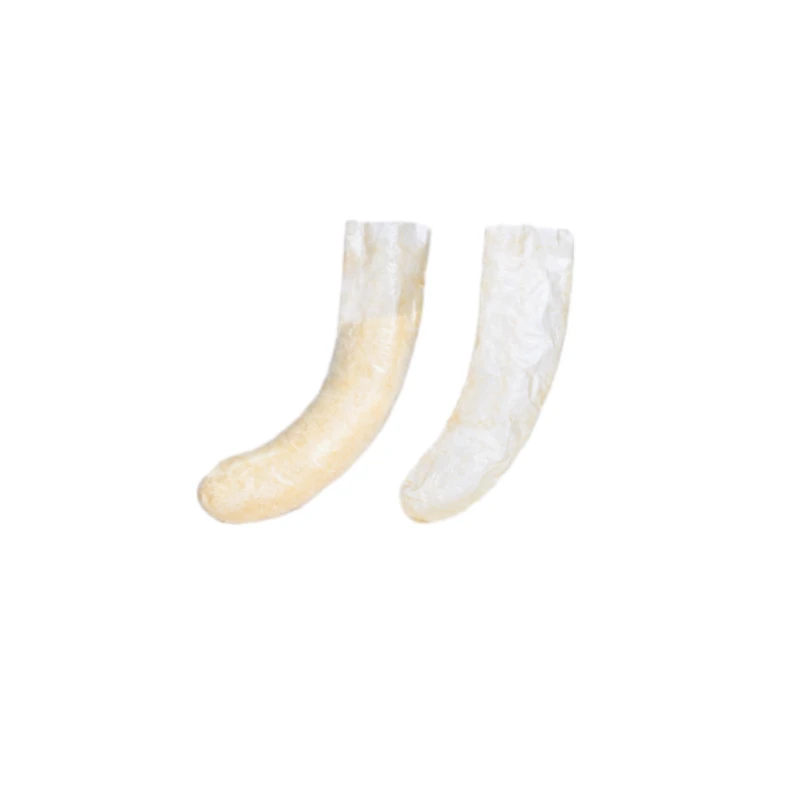
- Natural casings: Made from cleaned and processed intestines of animals, usually hogs, sheep, or cattle.
- Artificial casings: Made from cellulose, collagen, or various synthetic polymers crafted to mimic the properties of natural casings.
Natural casings are prized for their bite and texture but require careful sourcing and cleaning. Artificial variants bring uniformity and can be customized for different production needs.
In the food industry, these casings are vital for mass-producing hotdogs that are consistent, safe, and high-quality. They connect to modern challenges around food safety certification, supply chain reliability, and cultural preferences for meat products.
Key Components That Make Hotdog Casings Work
1. Durability and Elasticity
Casings have to be strong enough to contain meat mixtures without bursting but flexible enough to snap when bitten. Natural intestines provide an unmatched "snap" due to their collage-rich tissue, which many sausage lovers swear by. Synthetic casings use materials like collagen or cellulose to approximate this.
2. Food Safety and Hygiene
Since casings are in direct contact with consumables, they must meet stringent standards. Natural casings undergo thorough washing and sterilization; synthetic casings are manufactured in controlled environments under ISO 22000 food safety management systems.
3. Cost Efficiency
The cost-to-quality ratio is crucial. While natural casings can be expensive due to supply challenges, synthetic options often cost less and enable mass production. This balance affects price points in the marketplace and accessibility for consumers globally.
4. Environmental Impact
Animal-derived casings are biodegradable and renewable but depend on livestock farming's ecological footprint. Synthetics, often petroleum-based, pose questions about sustainability, though research into biodegradable polymers is ongoing.
5. Scalability
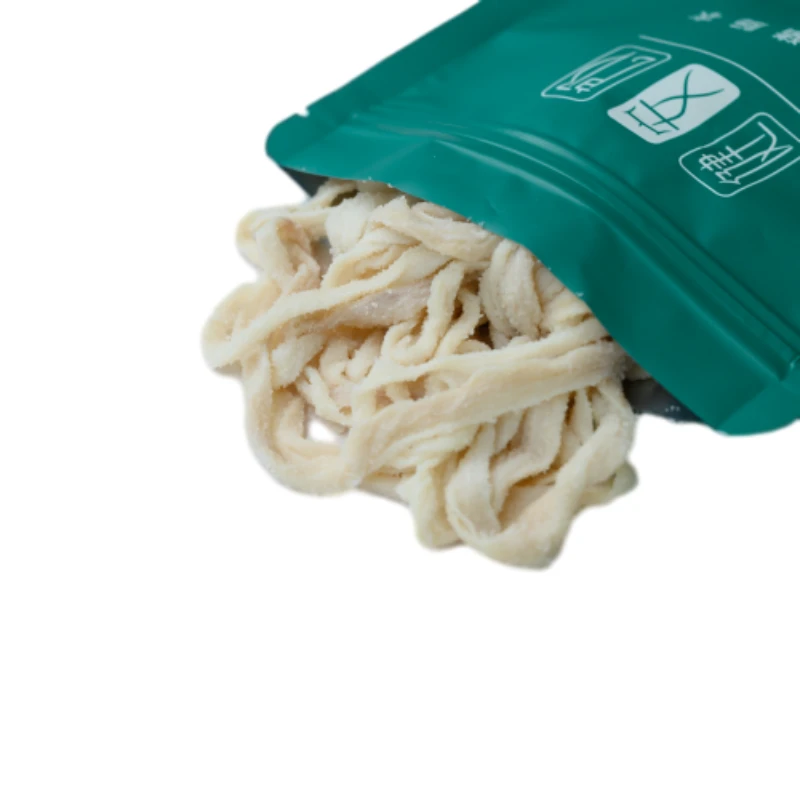
Industrial operations need casings that adapt well to large-scale, automated production lines. Collagen and cellulose casings are favored here for uniformity and ease of use, often supplied in long continuous strands to speed up processing.
Mini Takeaway:
The ideal hotdog casing balances durability, safety, cost, environmental responsibility, and production compatibility — a complicated set of trade-offs that manufacturers tweak continuously.
Where Hotdog Casings Fit Globally
From Texas barbecue joints to night markets in Southeast Asia, hotdog casings play their part in many cultural and economic contexts.
- North America: Manufacturers mostly prefer collagen or natural hog casings depending on product type — collagen for mass-market and natural for premium products.
- Europe: Strong traditions of natural casings persist, especially in artisanal sausage-making, yet synthetic casings grow due to hygiene and consistency needs.
- Asia and Latin America: Rapid urban growth fuels demand for affordable processed meats. Synthetic casings help satisfy this while ensuring food safety.
- Humanitarian contexts: In disaster relief or refugee camps, pre-packed hotdogs with synthetic casings provide shelf-stable protein sources — a somewhat overlooked but essential application.
Oddly enough, the casing choice sometimes reflects regional livestock availability, cultural preference, and government regulations — from halal certifications to labeling laws.
Hotdog Casings: What Are They Really Worth?
Besides the obvious, casings profoundly affect the way a hotdog tastes and feels, which translates into customer satisfaction and brand loyalty. The ecological footprint also weighs in; many food companies now actively seek more eco-conscious casing options as part of ESG strategies.
Safety-conscious consumers appreciate the transparency and quality assurances casings provide. If you think about it, a food product’s casing is its guardian — keeping contents fresher, safer, and more enjoyable.
Emerging Trends & Innovations in Hotdog Casings
The future is bright for hotdog casings — and a little unexpected:
- Biodegradable Synthetic Casings: Researchers experiment with plant-based polymers that break down faster, reducing plastic waste.
- 3D-Printed Casings: Though early-stage, the idea of tailoring casings digitally to suit unique shapes or textures is intriguing.
- Improved Animal Welfare Compliance: Better sourcing and certification are reducing the ethical concerns around natural casings.
- Smart Packaging Integration: Casings infused with sensors that monitor freshness may be a thing a few years down the road.
It’s fascinating how something seemingly simple laces in so many cutting-edge technologies and ethical considerations.
Challenges and Their Solutions
Of course, there’s no perfect casing. Natural casings vary in size and supply volatility, while synthetics may raise environmental or sensory quality questions. Costs fluctuate with raw material availability, and regulatory compliance is complex and evolving.
To counter these, companies invest in R&D, diversify suppliers, and improve processing to get close to “perfect” casings — blending tradition with science.
Product Specification Table
| Specification | Natural Casings | Collagen Casings | Cellulose Casings |
|---|---|---|---|
| Source | Animal intestines (hog, sheep, cattle) | Processed collagen from cattle or pigs | Plant cellulose fibers |
| Elasticity | High — natural snap | Moderate | Low |
| Cost | High | Medium | Low |
| Sustainability | Biodegradable, renewable | Biodegradable but livestock dependent | Typically non-biodegradable without special treatment |
| Use Case | Premium, artisanal sausages | Mass-produced hotdogs and sausages | Skinless or peeled sausages |
Vendor Comparison Table — Key Hotdog Casing Suppliers
| Supplier | Specialty | Global Reach | Sustainability Initiatives | Price Range |
|---|---|---|---|---|
| Viskase | Collagen casings, innovative packaging | Worldwide | Invests in biodegradable tech | $$$ |
| Devro | Collagen casings, collagen innovations | Europe, Asia, Americas | Focus on reduced carbon footprint | $$$ |
| Nippon Beck | Natural hog and sheep casings | Asia-Pacific | Supports ethical livestock sourcing | $$ |
Frequently Asked Questions About What Are Hotdog Casings Made Out Of
Q1: Are all hotdog casings edible?
A: Natural casings are completely edible and provide that distinctive “snap.” Collagen casings are usually edible, but vegetable cellulose casings often are peeled off before consumption. It's always best to check the product packaging or with your supplier.
Q2: How do synthetic casings compare to natural ones in taste?
A: While synthetic casings strive to mimic natural texture, many sausage enthusiasts note that natural casings deliver better aroma and bite. However, synthetic types compensate with consistency and ease of use in mass production.
Q3: Can hotdog casings be environmentally friendly?
A: Yes, natural casings biodegrade easily, but they depend on animal agriculture. Organizations and researchers are developing biodegradable synthetic casings derived from plants to reduce plastic waste and carbon footprints.
Q4: Why might a manufacturer choose collagen over cellulose casings?
A: Collagen casings hold shape better during cooking and provide a nicer texture, making them favored for premium hotdogs. Cellulose casings are often used for skinless hotdogs and are peeled off after cooking.
Q5: Where can I learn more about the production process?
A: Industry websites and resources such as what are hotdog casings made out of cover production details, innovations, and supplier info you might find helpful.
Wrapping It Up: Why Knowing What Hotdog Casings Are Made Of Really Matters
Understanding what are hotdog casings made out of reveals more than meets the eye about your favorite snacks. The materials and technologies behind casings influence everything from product quality and consumer health to environmental impact and global trade. Whether you’re a casual eater, an aspiring producer, or just a curious mind, these humble skins tell a larger story about how modern food systems adapt and innovate.
As demand grows and expectations shift toward sustainability and safety, manufacturers continue to tailor casings using natural resources or cutting-edge polymers — or sometimes a clever blend of both. It’s a small but fascinating world, endlessly evolving.
To explore more about hotdog casing materials or find suppliers to fit your needs, feel free to visit our website.