Dec . 01, 2025 20:50
Understanding What Hot Dog Casing Made Of Really Means – Why It Matters Globally
Hot dog casing might seem like a simple culinary detail, but the material choices behind them hold significance far beyond your backyard BBQ. The phrase hot dog casing made of touches on everything from food safety standards to the sustainability of packaging, impacting global meat industries, supply chains, and even humanitarian food aid programs worldwide. In a world where processed meat consumption is booming—industrial meat production was valued at roughly $945 billion globally in 2023 according to the Food and Agriculture Organization (FAO)—the type of casing used is no minor detail. It affects product integrity, consumer trust, and environmental footprints. Understanding what hot dog casing is made of offers meaningful insight into production efficiency, innovation, and global food safety challenges.
Mini takeaway: Knowing the materials behind hot dog casings helps grasp the broader impact on food safety, sustainability, and international market trends.
The Global Landscape of Hot Dog Casings: Challenges and Trends
Globally, the demand for processed meat products and their casings is influenced by rising urban populations, changing dietary habits, and regulatory policies. The International Organization for Standardization (ISO) has guidelines for casing materials to ensure safety and consistency across borders, reflecting how critical it is to maintain quality irrespective of where the product is consumed. However, issues like environmental degradation and animal welfare are prompting a rethink in the industry: natural intestine casings, traditionally popular, give way gradually to collagen, cellulose, and even novel bio-based casings. Statistically speaking, over 60% of hot dog casings in Western markets are now collagen or cellulose-based, according to industry reports. The challenge? Balancing cost-effectiveness, consumer preferences, and sustainability while still delivering on taste and texture expectations.What’s driving the change?
- Environmental policies encouraging biodegradable alternatives.
- Rise in vegetarian and vegan lifestyles challenging casing ingredients.
- Advances in technology allowing for synthetic or hybrid materials.
Mini takeaway: Hot dog casing materials reflect global shifts toward sustainability and consumer health awareness, pushing innovation in the meat processing sector.
What Exactly Is Hot Dog Casing Made Of?
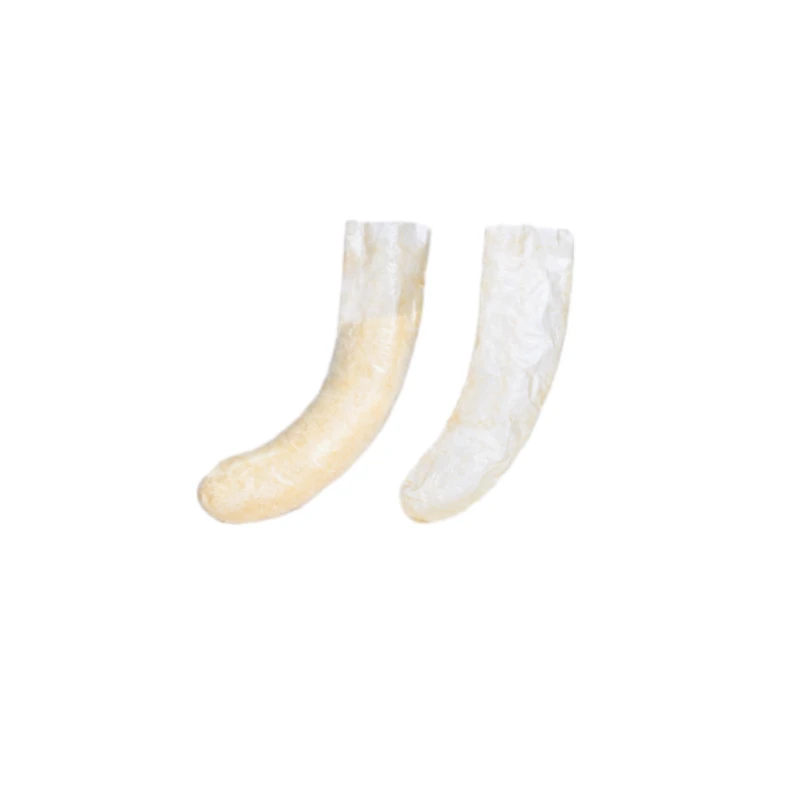
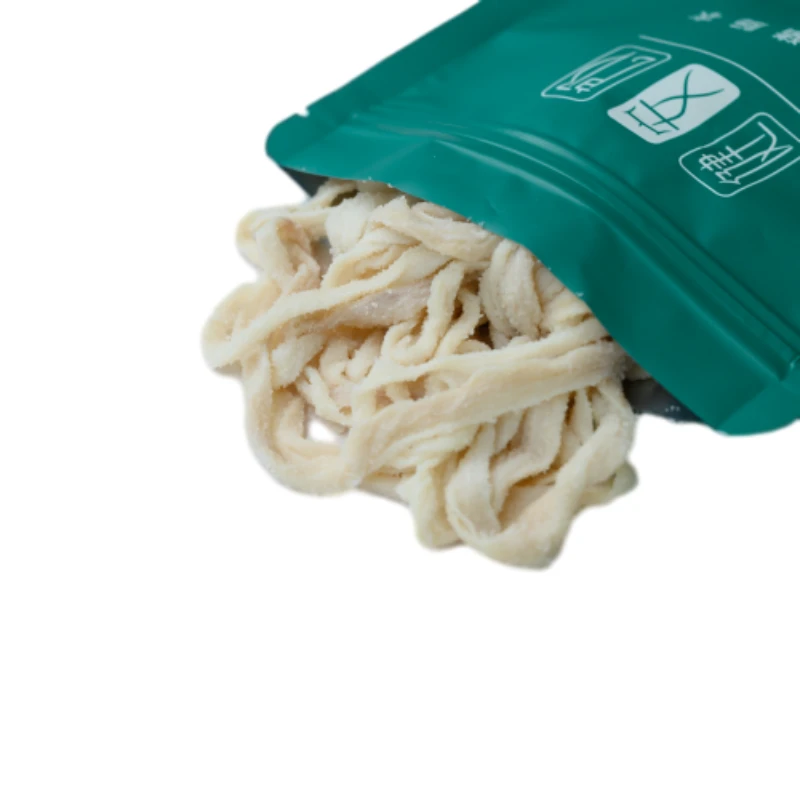
Simply put, hot dog casing is the edible or non-edible skin that encases the sausage mixture. The composition varies widely but generally falls into three main categories:- Natural casings: Made from animal intestines (mostly pork, sheep, or beef), prized for their authenticity and texture.
- Collagen casings: Derived from processed collagen proteins, often from cattle or pig hides—uniform and convenient for large-scale production.
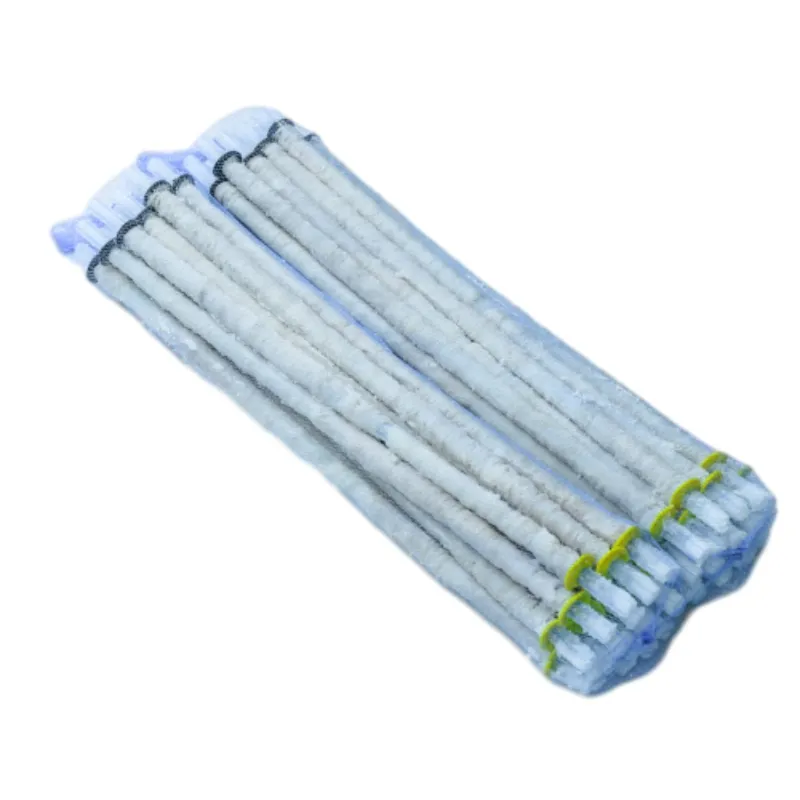
- Cellulose casings: Plant-based, cellulose casings are often non-edible and removed after cooking, popular for skinless hot dogs.
Core Components That Shape Hot Dog Casings
Durability
Casings must resist tearing during stuffing, smoking, and cooking. Natural casings offer elasticity, while collagen casings can be engineered for specific strengths. Durability also affects shelf life.Scalability
Large processors often prefer collagen or cellulose casings for their ease of automation. Natural casings, while high quality, can be inconsistent and require skilled handling.Cost Efficiency
Natural casings come at a premium due to sourcing and cleaning. Collagen is somewhat cost-effective but varies with quality. Cellulose is typically the cheapest option, though limited by non-edible status.Consumer Preference
Growing health and ethical awareness influence casing choice. Many consumers prefer natural or plant-based options over synthetic materials.Sustainability
Biodegradable and bio-based casings reduce environmental impact, a key trend given global sustainability goals. Collagen casings often pride themselves on being compostable after use.Food Safety
Strict guidelines ensure casings do not harbor bacteria or contaminants. Processing methods for natural and collagen casings include rigorous sanitation protocols.Hot Dog Casing Made Of: Global Applications & Real-World Use Cases
The use of different casing materials spans multiple regions and sectors:- North America and Europe: Mostly collagen and natural casings predominate, driven by consumer quality standards and culinary tradition.
- Asia-Pacific: Rapid industrial growth is boosting cellulose casing manufacturing to meet high-volume demands.
- Humanitarian aid programs: Durable casings ensure long shelf life and transport resilience for processed meats sent to disaster zones.
- Artisan producers: Prefer natural casings for better bite and flavor authenticity.
Advantages & Long-Term Benefits of Hot Dog Casings
Choosing the right hot dog casing made of material brings multiple tangible and emotional benefits:- Cost savings: Efficient production and longer shelf life lower waste and overhead.
- Sustainability: Natural and collagen casings typically biodegrade better than plastics.
- Safety & trust: Verified food-grade materials increase consumer confidence.
- Innovation: Advancements in bio-based casings show promise for zero-waste packaging.
- Social impact: Products that respect animal welfare or promote eco-friendliness resonate with modern consumers.
Product Specification Table
| Casing Type | Material Source | Edibility | Durability | Typical Use | Sustainability |
|---|---|---|---|---|---|
| Natural | Animal intestines (pork, beef) | Edible | High elasticity, tear-resistant | Artisan & premium sausages | Biodegradable |
| Collagen | Processed animal hides & bones | Edible | Uniform strength, good for automation | Mass production, industrial use | Compostable |
| Cellulose | Plant fibers (cotton, wood pulp) | Generally non-edible; peeled off | Rigid, skinless sausage style | Skinless hot dogs, frankfurters | Biodegradable but not edible |
Vendor Comparison: Which Supplier Fits Your Hot Dog Casing Needs?
| Vendor | Material Offered | MOQ (Minimum Order) | Price Range | Sustainability Focus | Special Services |
|---|---|---|---|---|---|
| RTCasing Co. | Natural, Collagen | 500 kg | $$$ (Premium) | Yes, compostable packaging | Custom sizing, technical support |
| GreenSausage Ltd. | Cellulose & bio-based blends | 1000 kg | $$ | Strong (bio-plastic alternatives) | R&D consulting |
| Classic Casings Inc. | Natural only | 300 kg | $$$ | Moderate (traditional sourcing) | Seasonal supply contracts |
Emerging Innovations & the Future of Hot Dog Casing Materials
The hot dog casing industry isn’t stuck in the past. Quite the opposite. Researchers and manufacturers are now exploring sustainable, lab-grown collagen, and even fully plant-based edible casings that meet animal welfare demands. Digitally controlled extrusion technologies allow casings to be custom-designed, adjusting thickness and permeability for improved flavor retention or quicker cooking times. Automation and AI are starting to influence production lines, ensuring even more consistency and reducing human handling errors. Plus, we’re seeing a stronger push toward zero-waste certifications and carbon-neutral production.Challenges & Solutions in the Current Market
Some common issues noted are:- Natural casing inconsistency: Every intestine varies in size and strength, creating production challenges.
- Cost and accessibility: Collagen and bio-based casings can be pricey and require reliable supply chains.
- Consumer perception: Some customers question the safety or preference for animal-derived casings.
- Developing hybrid casings that combine natural feel with synthetic durability.
- Investing in local sourcing to reduce costs and carbon footprints.
- Enhancing transparency by sharing detailed sourcing and production info to reassure consumers.
FAQ: Your Practical Questions on Hot Dog Casing Made Of
Q1: What are the main differences between collagen and natural hot dog casings?A: Natural casings come from animal intestines and offer superior elasticity and a traditional bite, often favored by artisanal producers. Collagen casings are processed from hides and are more uniform, easier to automate, and cost-effective for large-scale industrial use. Q2: Are plant-based or biodegradable casings safe and reliable?
A: Yes, cellulose and emerging bio-based casings meet strict food safety standards. While cellulose casings are usually removed after cooking, new edible plant-based varieties are in development that combine safety with sustainability. Q3: How does the casing type affect the cooking process?
A: Natural casings let smoke and moisture through, influencing flavor and texture. Collagen casings are designed for consistent shrinkage and tolerance to various cooking methods. Cellulose casings typically require removal post-cooking, producing “skinless” hot dogs. Q4: Can I customize casing size or thickness for my product?
A: Absolutely. Many suppliers offer customization options tailored for specific types of sausages, machinery, or product lines to optimize production efficiency and product quality. Q5: How sustainable are current hot dog casing materials?
A: Natural casings biodegrade easily, but sourcing depends on the livestock industry. Collagen casings are compostable and increasingly produced via more efficient processes. Cellulose casings are plant-derived but generally not edible. The industry is moving toward greener alternatives steadily.
Wrapping It Up: Why Getting to Know Hot Dog Casing Made Of Is Worth Your While
So there you have it—hot dog casing is far more than a culinary afterthought; it’s a key ingredient in global food production dynamics. The choice of hot dog casing made of natural, collagen, or cellulose material reflects bigger stories about sustainability, consumer trust, and production technology. Whether you’re a manufacturer eyeing efficiency or a foodie curious about what’s inside your favorite frankfurter, understanding these materials connects you to global trends shaping our plates. For customized solutions and expert guidance, don't hesitate to visit hot dog casing made of specialists who can support your next project.
Final Mini takeaway: Hot dog casing materials balance tradition and science—important for safer, tastier, and greener meat products worldwide.