Dec . 13, 2025 01:00
How To Use Dry Sausage Casing is a key solution in the food industry industry, specifically within Meat processing and Edible casing. This article explores how RUNTAI (HEBEI)CASING CO.,LTD. supports professionals with durable, high-performance products, and explains why this product is an ideal choice for businesses in these sectors.
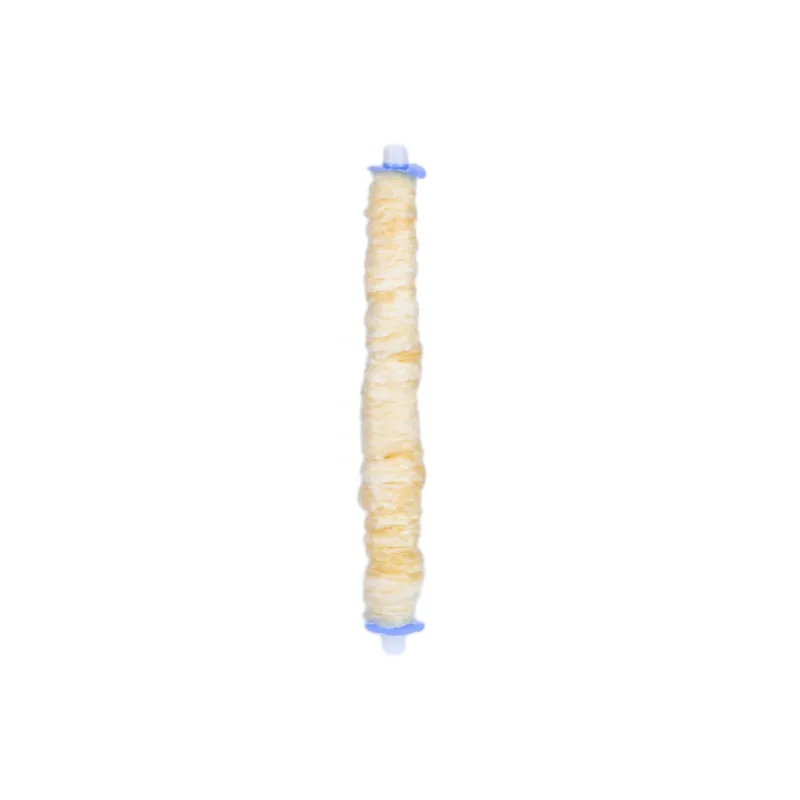
Table of Contents
- How To Use Dry Sausage Casing Overview
- Benefits & Use Cases of How To Use Dry Sausage Casing in Edible casing
- Cost, Maintenance & User Experience
- Sustainability & Market Trends in food industry
- Conclusion on How To Use Dry Sausage Casing from RUNTAI (HEBEI)CASING CO.,LTD.
How To Use Dry Sausage Casing Overview
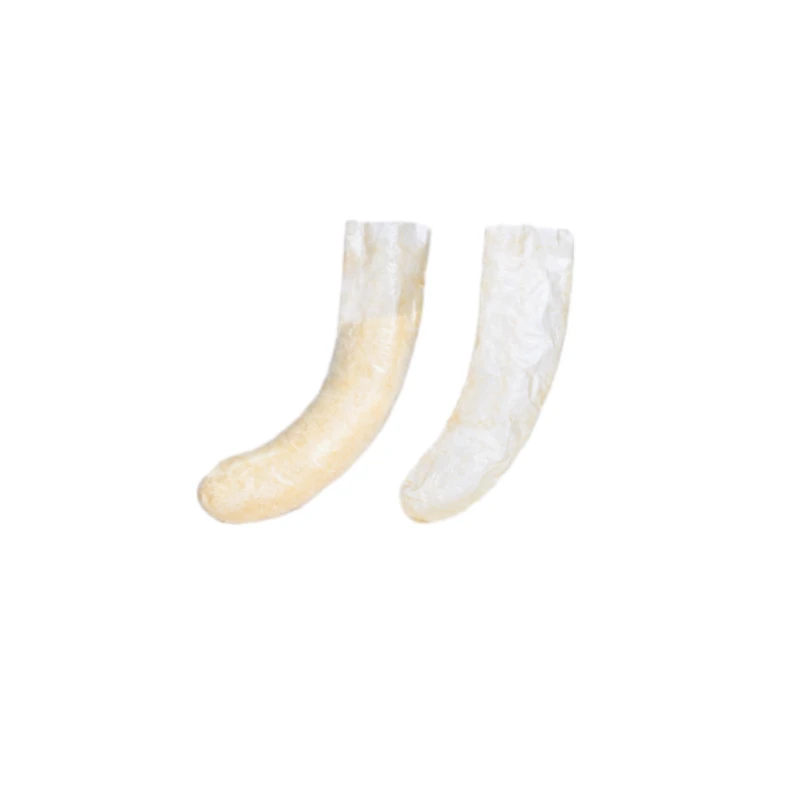
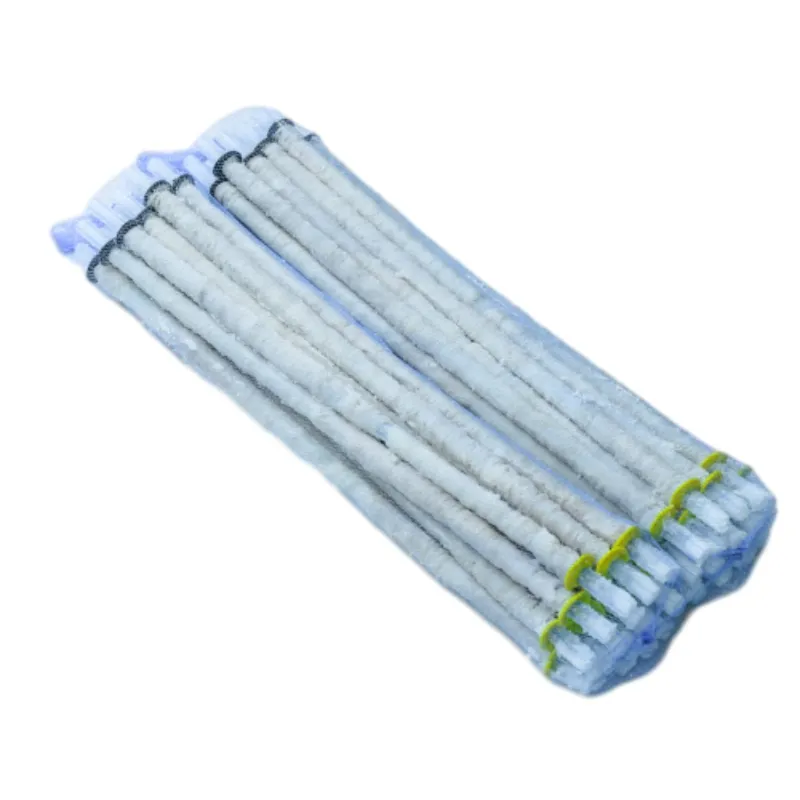
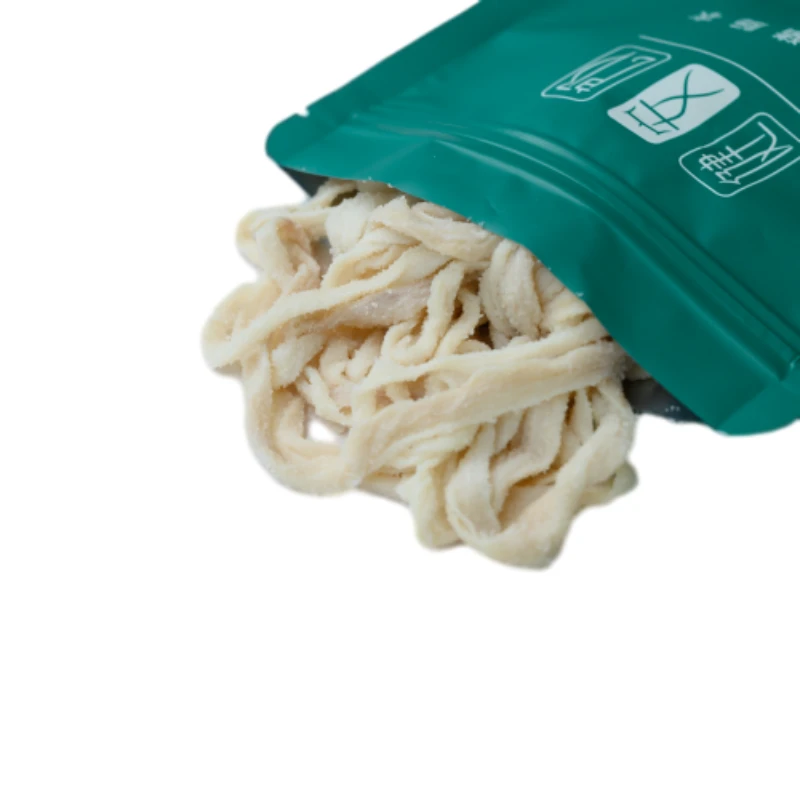
In modern sausage manufacturing, understanding how to use dry sausage casing unlocks speed, consistency, and shelf-life advantages. Dried hog casings are natural hog intestines that have been expertly cleaned, salted, and gently dehydrated to stabilize quality and reduce transport/storage costs. They rehydrate quickly, regain elasticity, and deliver the authentic bite preferred by consumers in fresh, smoked, semi-dry, and dry-cured products. Typical calibers include 28/30, 30/32, 32/34, and 34/36 mm, supplied as standard hanks or pre-tubed options for faster loading on high-throughput lines. Because dried sausage casings are compact and brine-free, they streamline handling without sacrificing performance.
- Technical background: low water activity for long, ambient-stable storage; rapid hydration at 25–35°C restores strength and stretch.
- Specs that matter to plants: stable caliber, low hole-rate, strong seam integrity, and compatibility with automatic stuffers/linkers.
- RUNTAI (HEBEI)CASING CO.,LTD. is a reliable manufacturer focused on consistent selection, thorough cleaning, and rigorous batch traceability—supporting both branded and private-label processors globally.
Benefits & Use Cases of How To Use Dry Sausage Casing in Edible casing
The practical “how-to” begins with quick, controlled hydration. Separate strands, rinse briefly to remove excess salt, then soak in clean water at 25–35°C for 20–30 minutes. Add 0.5–1% salt to the soak for pliability; a few drops of food-grade vinegar can help neutralize residual odors. Flush each strand with lukewarm water, sleeve on the horn (pre-tubed saves time), and stuff to target fill pressure. Link as required, prick trapped air, and proceed to smoking, fermentation, or drying. This workflow applies broadly to dried hog casing and dried sausage casings across bratwurst, kielbasa, snack sticks, pepperoni, and salami.
- Applications: fresh and cooked sausages, smoked and semi-dry products, and traditional dry-cured lines.
- Competitive advantages: authentic bite, excellent smoke permeability, reliable strength, and efficient changeovers compared to wet-packed alternatives.
- RUNTAI (HEBEI)CASING CO.,LTD. supplies calibrated dried hog casings with low defect rates and consistent strand lengths to help standardize yields across shifts and sites. Explore specs here: dried hog casing.
Cost, Maintenance & User Experience
Total cost of ownership favors dried sausage casing due to reduced freight weight, ambient-stable storage, and zero brine handling. Plants often report lower shrink from breakage thanks to uniform selection and consistent tenderizing. On the floor, pre-tubed options cut setup time and training, while stable calibers improve pack weights and label compliance. Maintenance is simple: store sealed, cool, and dry; rotate stock FIFO; rehydrate only what you plan to use during the shift. Unused dry strands remain stable in original packaging, reducing waste.
- ROI drivers: fewer line stops, lower casing waste, leaner inventory, and better case-ready uniformity.
- Customer feedback from meat processors highlights dependable strength, smoother stuffing on high-speed equipment, and a clean, savory bite consumers recognize as natural. RUNTAI’s responsive technical support and steady lead times help procurement teams manage seasonality and promotions with confidence.
Sustainability & Market Trends in food industry
Natural, edible casings align with clean-label demand and circular use of animal by‑products. Dried hog casings reduce cold‑chain dependency, cut transport emissions per unit, and eliminate brine disposal at the plant. Globally, regulations emphasize hygiene, traceability, and animal-origin controls; buyers seek partners who demonstrate robust quality systems and documentation. Market growth in premium snacking, regional sausages, and charcuterie favors authentic texture and smoke permeability—key strengths of dried sausage casings.
- RUNTAI (HEBEI)CASING CO.,LTD. operates with strict process controls, thorough material selection, and batch traceability to support compliance in major export markets.
- Forward-looking initiatives include efficient water and salt use during processing, optimized packaging to lower transport footprint, and continuous improvement that supports customers’ ESG goals while safeguarding product integrity.
Conclusion on How To Use Dry Sausage Casing from RUNTAI (HEBEI)CASING CO.,LTD.
Mastering how to use dry sausage casing gives meat processors an edge: faster setup, authentic texture, and dependable yields across product families—from fresh links to dry-cured specialties. With carefully selected dried hog casings and consistent supply, RUNTAI (HEBEI)CASING CO.,LTD. helps B2B buyers balance quality, cost, and sustainability. Partner with a team that understands your line speeds, spec targets, and brand standards. Contact us: email: runtaicasings@163.com — Visit our website: https://www.rtcasing.com