Nov . 30, 2025 22:00
Why Understanding Casing Around Sausage Matters Globally
When you think about a sausage, you might just picture a tasty snack. But casing around sausage is far more than just a simple wrap. It’s a crucial component in food technology, manufacturing, sustainability, and even cultural traditions worldwide. Understanding this casing—a thin material that encloses the sausage meat—not only enriches our grasp of food science but also exposes us to global trade, hygiene standards, and environmental concerns.
Across continents, billions of sausages are produced and consumed annually, making the casing a key player in global food supply chains. Knowing the types, materials, and technology behind sausage casings helps companies optimize production, reduces waste, and ensures consumer safety. For consumers, it guarantees a familiar, tasty, and trusted product every time.
The Worldwide Relevance of Casing Around Sausage
Globally, the meat processing industry is valued in the hundreds of billions of dollars. According to the Food and Agriculture Organization (FAO), processed meat products use casings in almost every production line. The demand for varied casings—from natural intestine to collagen or cellulose types—reflects different regulatory environments, cultural preferences, and technological advances. For example, Europe leans heavily on natural and collagen casings for gourmet products, whereas cellulose is often popular in North America for skinless sausages.
However, the industry faces challenges: supply-chain disruptions, ethical concerns, hygiene protocols, and environmental pressures. These underscore the importance of reliable and sustainable casing materials in sustaining global meat trade. For humanitarian efforts, like refugee aid across the UN system, portable canned or sausage products depend heavily on casing quality to maintain food safety in harsh conditions.
What Exactly Is “Casing Around Sausage”?
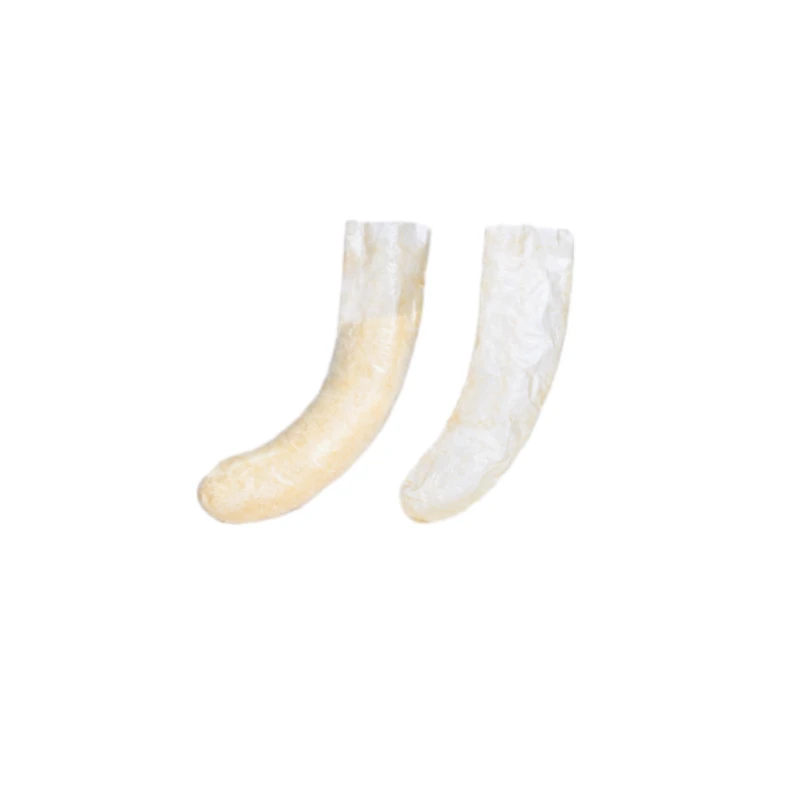
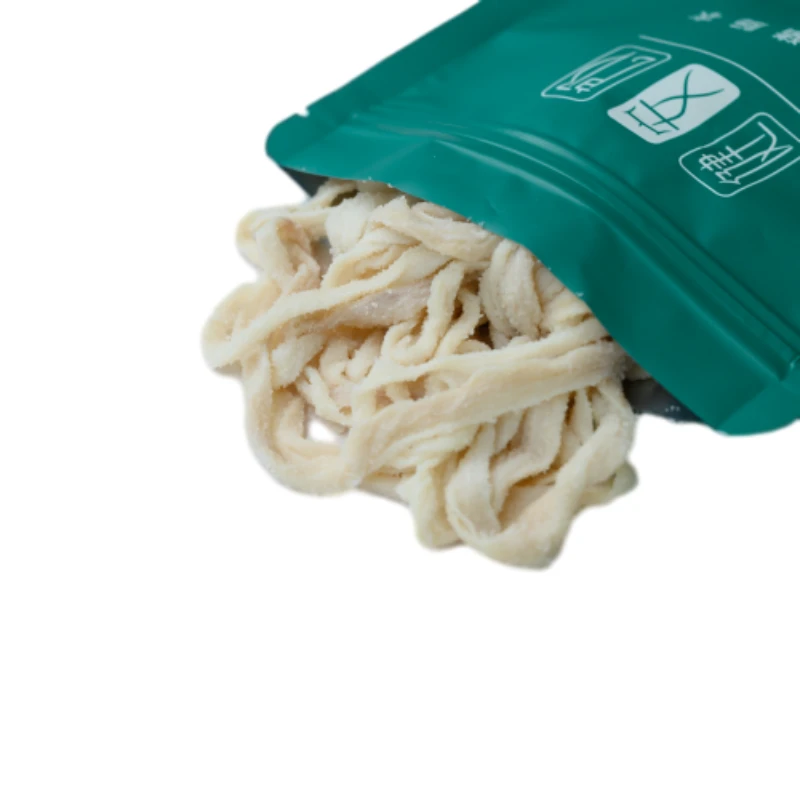
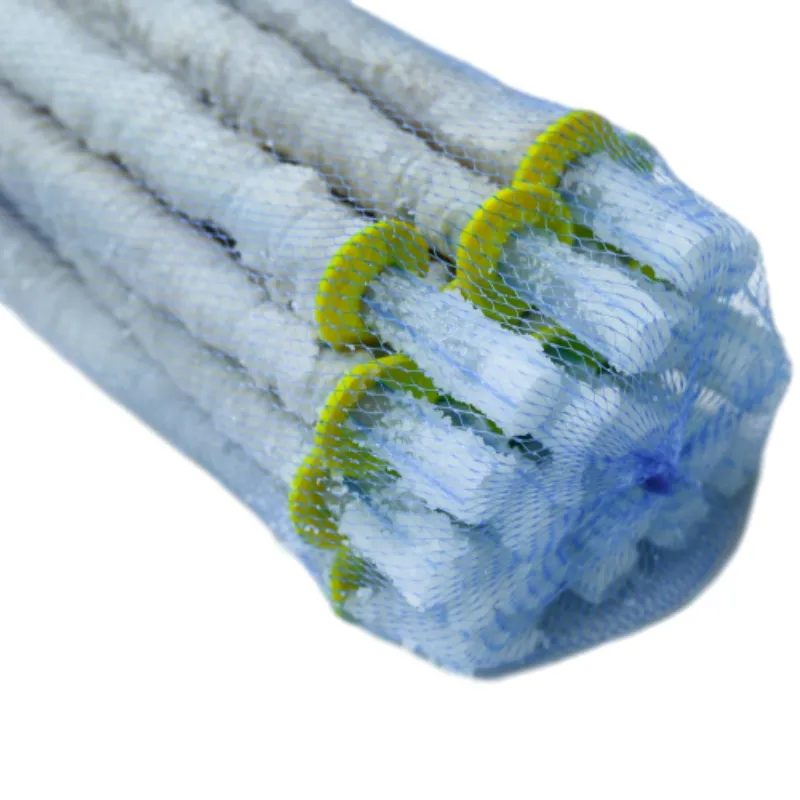
Simply put, the casing around sausage is the external covering that holds the ground meat, fat, spices, and other mix-ins together during curing, cooking, and storage. Traditionally made from cleaned animal intestines (natural casings), nowadays many alternatives exist like collagen or synthetic cellulose casings. While natural casings provide a tender ‘bite’ and excellent permeability, modern variants offer consistent size and strength for mass production.
In modern food manufacturing, the casing’s role extends beyond just containment: it affects texture, shelf life, cooking behavior, and consumer experience. On a humanitarian note, casing quality can mean the difference between safe nutrition delivery and food spoilage in disaster relief packages.
Key Factors in Choosing the Right Casing
1. Durability and Strength
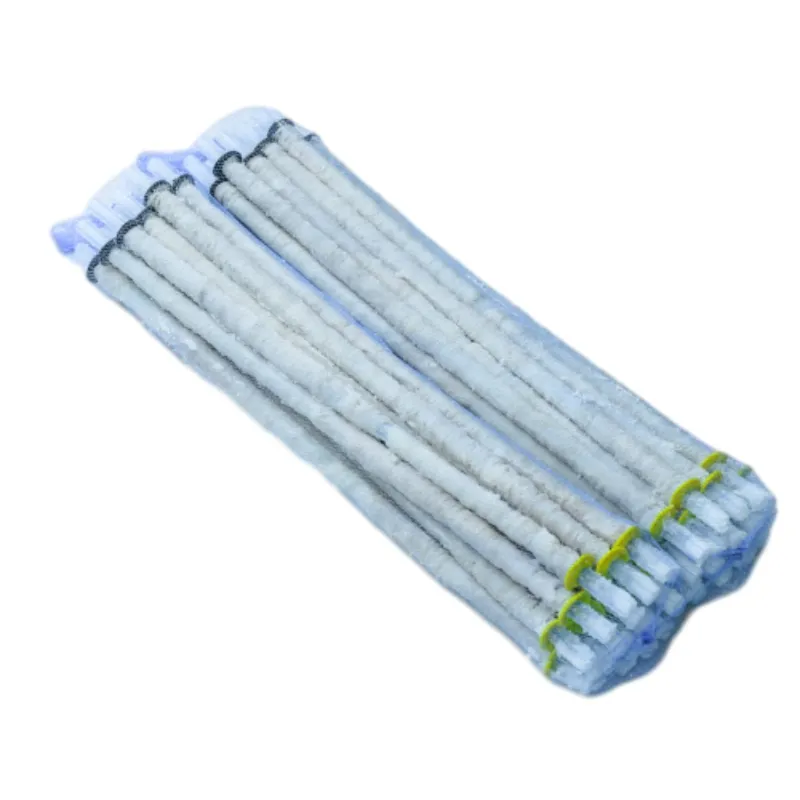
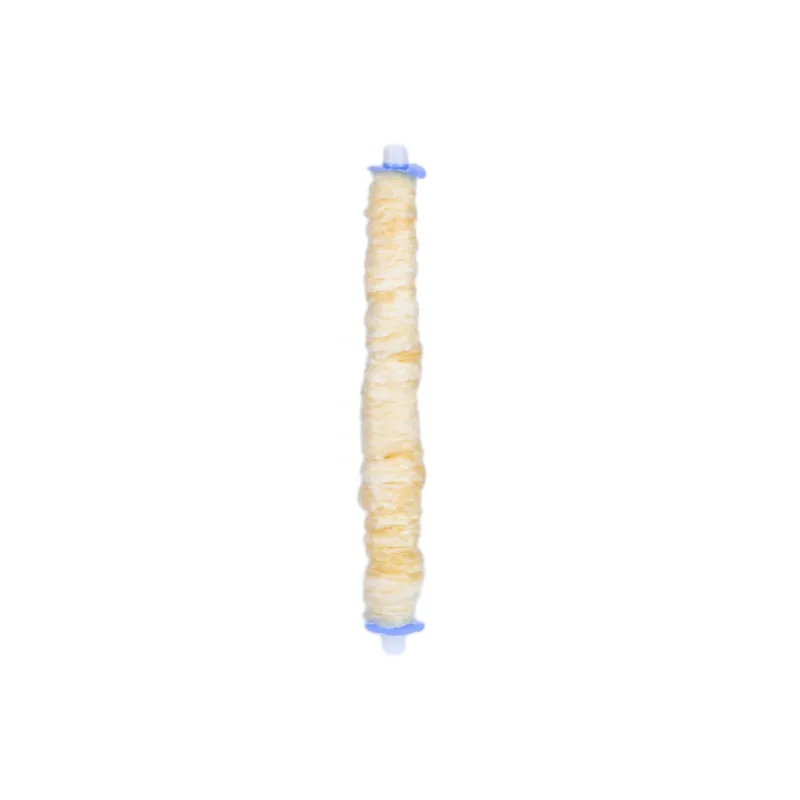
The casing must endure processing stresses like stuffing, twisting, smoking, and cooking. Natural casings offer delicate resilience, while collagen provides robust uniformity. Cellulose types are designed to be peeled off after cooking, offering different use cases.
2. Edibility and Consumer Preference
Some consumers prefer natural casings for their texture and flavor contribution, while others opt for skinless options. Vegan or vegetarian casings are emerging to meet growing consumer demands for plant-based options.
3. Cost Efficiency
Natural casings involve labor-intensive cleaning and grading, so synthetic options often reduce costs and standardize products across large production lines.
4. Sustainability and Environmental Impact
Biodegradable casings, or those made from renewable materials like collagen (usually derived from already used animal parts), minimize waste compared to synthetic polymers.
5. Regulatory Compliance and Safety
Hygiene standards vary by country, but the casing must meet strict microbial safety and allergen requirements to prevent contamination.
Global Applications and Examples of Sausage Casings
From the spicy chorizos of Spain, encased in traditional natural intestines, to the fast-food skinless hot dogs in the USA made from cellulose casings, the use is diverse. In industrial meat plants across Germany and Brazil, collagen casings dominate due to their uniformity and ease of automation.
Humanitarian sectors across Asia and Africa use canned sausages with collagen casings for durable, protein-rich rations. In post-disaster relief efforts in the Philippines, durable casings preserved nutritional quality despite challenging storage conditions, helping maintain dignity and health in tough times.
Additionally, some niche artisans in Italy and Eastern Europe insist on natural casings for authentic regional flavors and textures, underlining how casing choices often tie to culture and heritage.
Advantages and Long-Term Value of High-Quality Casings
- Cost reduction: Optimized casing selection cuts losses from spoiled products.
- Consumer trust: Consistency in product presentation and taste builds brand loyalty.
- Sustainability: Biodegradable and byproduct-based casings reduce plastic waste.
- Food safety: Strong barriers keep out contaminants and bacteria.
- Social impact: Quality casings enable meals that preserve dignity and health, especially in aid situations.
It’s fascinating how something seemingly simple like the casing around sausage can deeply affect not only a product’s success but also broader social and environmental outcomes.
Future Trends and Innovations in Sausage Casings
There’s clear momentum toward eco-friendly casing materials, including plant-based biopolymers and even lab-grown collagen. Automation in sausage production relies heavily on standardized, strong casings compatible with high-speed filling and linking machines.
Digital tracking combined with smart packaging could soon help monitor freshness and safety through the supply chain. Green energy initiatives are reducing the carbon footprint of casing manufacturing, fulfilling ISO 14001 environmental management goals.
Finally, customization and premiumization keep pushing bespoke casing options—for instance, ultra-thin casings for gourmet sausages, or flavored casings that enhance aroma.
Common Challenges and How Industry Leaders are Solving Them
Some challenges persist, including supply shortages of natural casings owing to stricter animal welfare laws, microbial contamination risk, and inconsistent sizes.
Experts recommend hybrid approaches—blending collagen with natural casings—or adopting advanced sterilization techniques. Industry giants invest in R&D to create synthetic casings that mimic natural textures but provide better shelf life and food safety.
Even with these hurdles, the trend is clear: innovation coupled with sustainability is defining the future of sausage casings.
FAQ: Answers to Your Common Questions About Casing Around Sausage
Q1: What types of casings are best for homemade sausages?
A: Many home chefs prefer natural casings as they offer authentic texture and flavor. Collagen casings sold in sheets or sticks can be easier to handle and store. Avoid cellulose unless you want skinless sausages.
Q2: Are all sausage casings edible?
A: Natural and collagen casings are usually edible. Cellulose casings, commonly for hot dogs, are often removed after cooking. Always check packaging and local regulations.
Q3: Can sausage casing materials affect shelf life?
A: Absolutely. Casings act as protective barriers. Collagen casings often enhance shelf life by reducing oxygen exposure, while natural casings can be more permeable.
Q4: How sustainable are sausage casings?
A: Natural casings are biodegradable and derived from animal byproducts, making them eco-friendly. Synthetic casings vary; newer biopolymers aim to improve sustainability.
Q5: How should casings be stored before use?
A: Natural casings require soaking and rinsing to become flexible, then should be refrigerated or frozen properly. Collagen casings need cool, dry storage. Check supplier instructions.
Practical Casing Product Specifications
| Specification | Natural Casings | Collagen Casings | Cellulose Casings |
|---|---|---|---|
| Material Source | Animal intestines | Hydrolyzed collagen from hides | Plant-based cellulose fibers |
| Edibility | Yes | Yes | No (removed after cooking) |
| Diameter Range | 15–40 mm | 16–30 mm | 18–28 mm |
| Shelf Life | Up to 1 year (frozen) | Up to 2 years (dry, cool) | Up to 6 months |
| Typical Use | Gourmet & traditional sausages | Mass-produced, uniform sausages | Skinless frankfurters, hot dogs |
Vendor Comparison: Leading Sausage Casing Suppliers
| Vendor | Product Range | Sustainability Focus | Global Distribution | Pricing Level |
|---|---|---|---|---|
| Natural Casings Ltd. | Natural & collagen casings | High – utilizes organic waste streams | Europe, Asia | Medium |
| EcoSausage Tech | Plant-based & cellulose casings | Very High – bioplastics focus | North America, Europe | High |
| Global Meat Wraps | All types including synthetic | Medium – recycling initiatives | Worldwide | Medium-Low |
Wrapping It Up: Why Casing Around Sausage Is More Than Just Packaging
Oddly enough, the humble casing around sausage carries the weight of tradition, technology, and sustainability all at once. It’s this quiet hero that protects, shapes, and serves to deliver one of the world’s favorite snacks in a safe, delicious, and often eco-friendly way. Whether you’re a food producer balancing costs or a relief worker ensuring nutrition in difficult environments, knowing your casings matters more than you might think.
For quality, variety, and a commitment to innovation in casings, exploring options available at casing around sausage could be your next step to bring measurable benefits to your process or product line.