Dec . 02, 2025 18:04
Understanding Salted Hog Casing Suppliers: A Crucial Link in Food and Pharmaceutical Industries
Salted hog casings might sound like a niche topic, but their role in global food industries and beyond is surprisingly significant. These natural casings, sourced predominantly from pig intestines, serve as essential components in sausage manufacturing, traditional delicacies, and even in some medical products. Exploring salted hog casing suppliers offers insight not only into a specialized supply chain but also into cultural, economic, and quality control aspects that ripple throughout numerous regions worldwide.
Why does this matter? Well, global meat consumption is on the rise—according to the FAO, demand for processed meat products is expected to climb steadily in the coming decade. That means dependable, high-quality casings become critical. Plus, understanding this supply niche shines a light on sustainability discussions, trade issues, and the delicate balancing act of food safety regulation and tradition.
The Global Context: Why Salted Hog Casings Matter Today
Salted hog casing suppliers operate within a complex global network. Most casings come from pig farms and slaughterhouses primarily in Europe, China, and the Americas. According to data from the World Bank, pork remains one of the most consumed meats globally, with Asia leading in volume. This demand inherently drives the need for preserved casings, which are salted to extend shelf life and enhance transportation viability.
Here’s the catch: hygienic processing and consistent quality control are ongoing challenges. The supply chain must uphold strict standards, or entire batches can be compromised, leading to food safety risks and economic losses. Moreover, fluctuating meat production rates and trade policies sometimes induce supply shortages or price spikes, pushing manufacturers to seek trusted partners among salted hog casing suppliers across continents.
What Exactly Are Salted Hog Casing Suppliers?
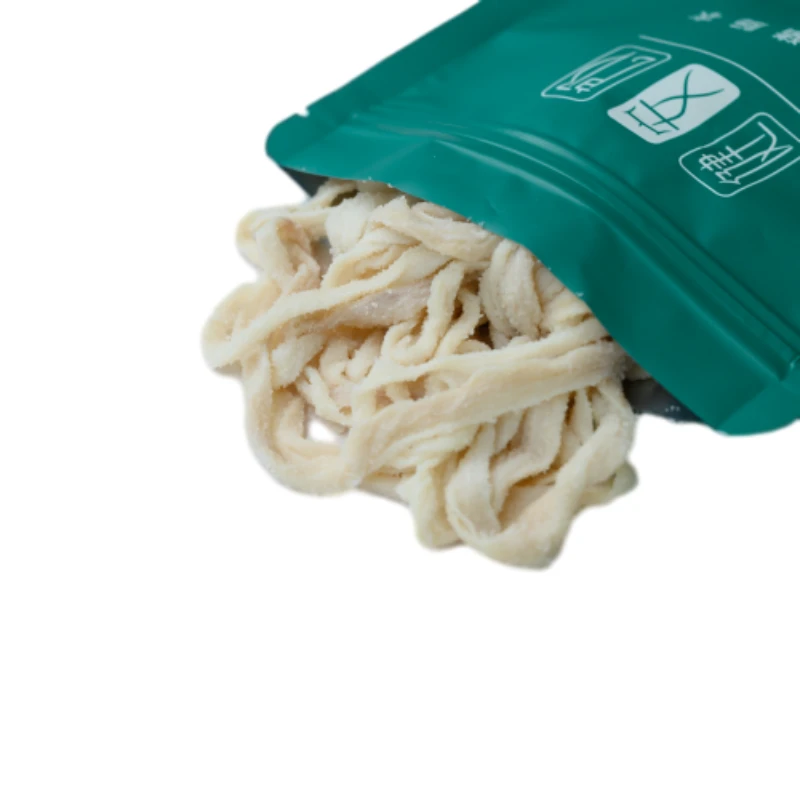
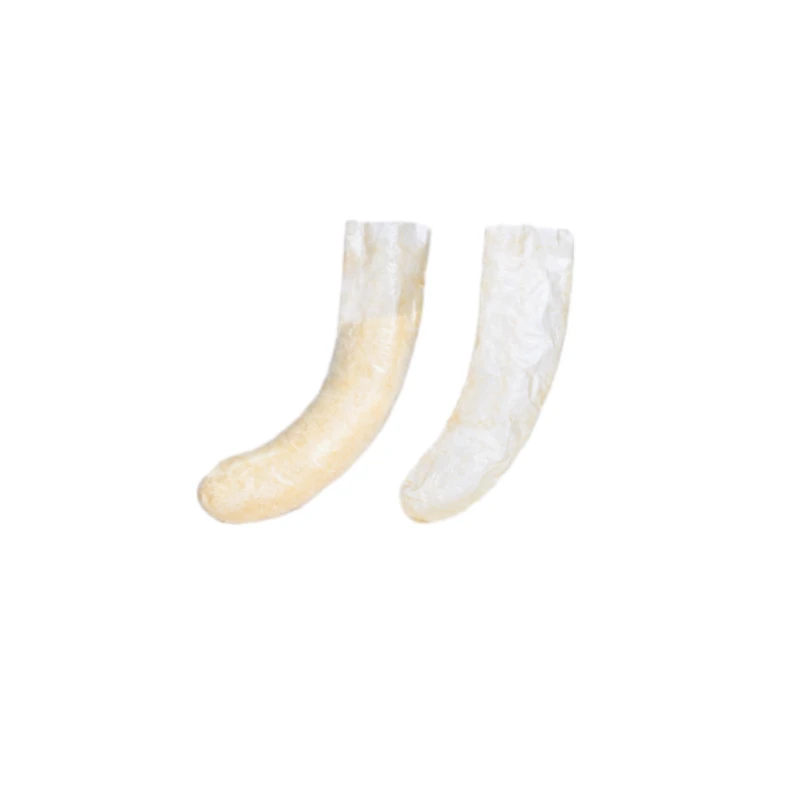
In simple terms, salted hog casing suppliers provide the processed intestines of pigs that have been carefully cleaned and salted to preserve them. This method of preservation dates back centuries, offering a natural, breathable, yet durable skin used primarily for sausage casings.
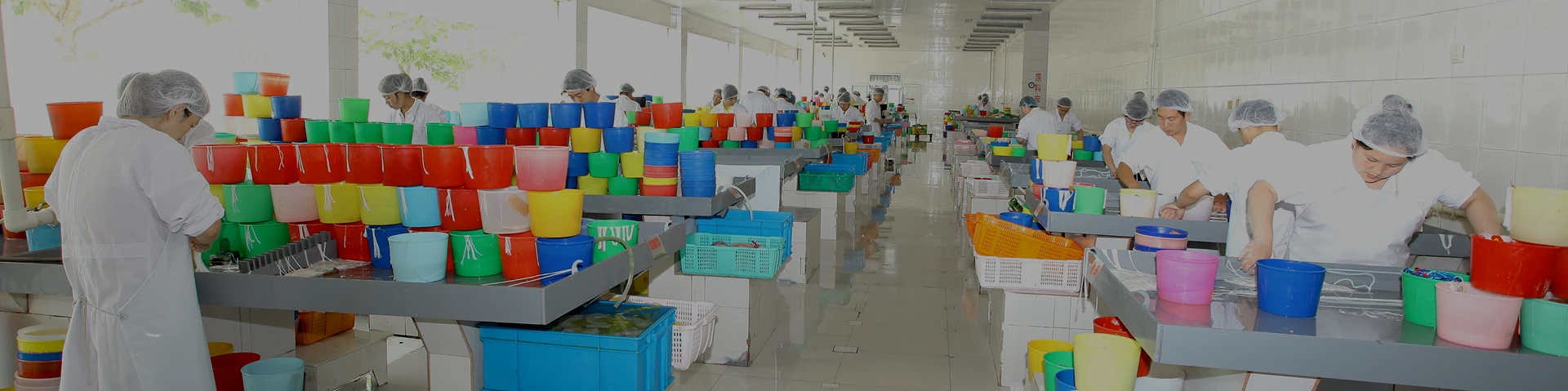
Historically, hog casings were harvested directly by local butchers or farmers. Today, the process is far more industrial, involving advanced cleaning, grading, and salting techniques to ensure that these natural casings meet stringent food safety standards. They connect traditional artisanal techniques with modern food manufacturing, enabling producers to deliver consistent, tasty products.
Interestingly, beyond food, salted natural casings are sometimes employed in pharmaceutical and medical research contexts, like controlled-release drug capsules or for educational anatomical models, connecting an ancient material to futuristic applications.
Key Factors When Choosing Salted Hog Casing Suppliers
1. Quality and Durability
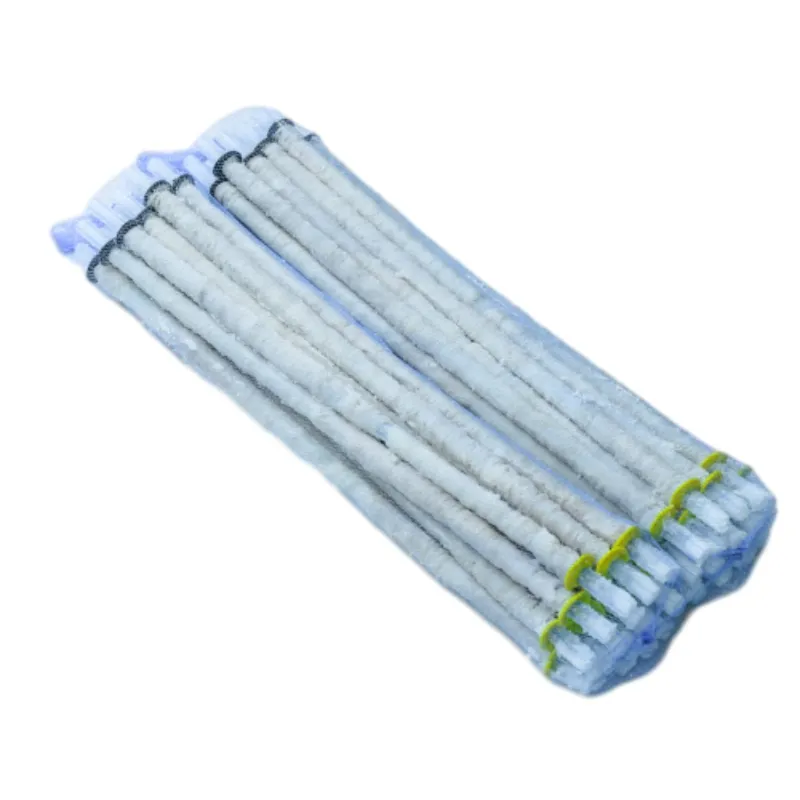
Natural hog casings need to maintain tensile strength yet remain flexible enough for stuffing and cooking. Salted casings are graded by size, thickness, and texture. Reliable suppliers ensure consistent standards, reducing tears or ruptures during production.
2. Food Safety Certifications
Compliance with international hygiene protocols (like ISO 22000 or HACCP) is non-negotiable. Trusted suppliers provide documentation to guarantee their products meet food safety requirements, reassuring manufacturers and regulators alike.
3. Scalability and Supply Chain Reliability
Fluctuations in pork slaughter rates affect casing availability. Top-tier suppliers maintain robust logistics to manage volume variations, seasonal peaks, and transport delays.
4. Cost Efficiency and Competitive Pricing
Balancing cost with quality is always tricky. While salted hog casings are naturally pricier than synthetic alternatives, smart procurement from reputable suppliers can reduce waste and improve overall ROI for producers.
5. Customized Product Specifications
Many manufacturers require specific casing sizes or curing methods. High-quality suppliers often offer tailored products to fit different sausage types—thin for fresh sausages, thicker for dry-cured types.
Global Applications & Real-World Use Cases
Salted hog casings find their home mostly in the food industry, particularly in the production of sausages like bratwurst, chorizo, and Italian sausages. Europe, especially Germany and Spain, continues to lead high-quality casing production. Meanwhile, Asian markets like China, Korea, and Japan rely heavily on salted natural casings for their sprawling meat processing industries.
In humanitarian efforts or remote industrial zones, durable and easily transportable salted casings contribute to food security by enabling traditional meat processing methods without dependency on synthetic casings or refrigeration.
Oddly enough, some artisanal cheese makers and pharmaceutical researchers even procure salted hog casings for niche purposes, a reminder that once an ingredient is embedded culturally and practically, it’s tough to replace.
Advantages and Long-Term Benefits of Engaging with Salted Hog Casing Suppliers
- Sustainability: Natural casings biodegrade easily, contrasting sharply with petroleum-based synthetic alternatives.
- Flavor and Texture: They provide unique ‘snap’ and texture to sausages that synthetic skins struggle to mimic.
- Reliability: Proper salting and storage mean longer shelf life and less waste for manufacturers.
- Economic Impact: Supporting the natural casing market maintains rural economies tied to livestock farming.
- Safety: Adhering to standards secures consumer trust and reduces costly recalls.
Emotionally, engaging with suppliers who understand local traditions and care for ethical practices enhances brand value—something consumers today prize more than ever.
Specification Table: Example Product Data from Salted Hog Casings
| Specification | Details |
|---|---|
| Source | Domestic Hog Intestine |
| Length | 5 to 10 meters per piece |
| Diameter Range | 18 - 36 mm |
| Preservation Method | Salted & Dried |
| Shelf Life | 12 - 18 months (if kept dry) |
| Certifications | ISO 22000, HACCP |
Vendor Comparison: Top Salted Hog Casing Suppliers
| Supplier | Location | Min Order Quantity | Price per Meter (USD) | Certifications | Lead Time |
|---|---|---|---|---|---|
| Caprinova | Germany | 500 meters | $1.50 | ISO 22000, HACCP | 2 weeks |
| Porksure Ltd. | China | 1000 meters | $1.20 | ISO 22000 | 3 weeks |
| Rustic Casings Co. | USA | 300 meters | $1.70 | HACCP | 1 week |
Emerging Trends and Future Outlook
Looking ahead, the salted hog casing industry is slowly adapting to new technologies and sustainability goals. For instance, some suppliers are experimenting with reduced-salt preservation methods to minimize environmental impact, while digital traceability (blockchain-based) is gaining ground—offering manufacturers full visibility of casing origins and processing steps.
Automation in cleaning and grading processes enhances uniformity and reduces manpower dependency, critical in tight labor markets. Meanwhile, growing consumer interest in “clean label” foods could elevate demand for natural rather than synthetic casings, positioning salted hog casing suppliers well.
There's also a push to improve packaging eco-friendliness and explore renewable energy use in processing facilities—efforts aligned with larger trends in agribusiness sustainability.
Challenges Salted Hog Casing Suppliers Face & How To Overcome Them
Raw material availability remains a hurdle, as pork supplies fluctuate due to disease outbreaks (think African swine fever) or shifting dietary trends. Suppliers often buffer this risk by diversifying sourcing locations, but it’s still a pain point.
Maintaining consistent hygiene standards across borders is another struggle—regulatory discrepancies can disrupt exports. Some suppliers use third-party audits and invest heavily in staff training to uphold quality.
On the consumer side, synthetic casings sometimes encroach due to cost advantages, so salted hog casing suppliers need to emphasize storytelling around quality and heritage to stay relevant.
FAQ: Your Questions About Salted Hog Casing Suppliers Answered
Q1: How do salted hog casings compare to synthetic casings in sausage production?
Salted hog casings provide a natural texture and ‘snap’ that synthetic casings often lack. While synthetics offer cost benefits and consistency, natural casings are prized for flavor retention and biodegradability. The choice depends on product focus and customer demand.
Q2: What certifications should I look for when sourcing from salted hog casing suppliers?
Key certifications include ISO 22000 and HACCP, which ensure food safety and traceability. Some regions may require additional local approvals, especially for export packaging and hygiene standards.
Q3: Can salted hog casings be shipped internationally without refrigeration?
Yes, the salting process preserves the casings, allowing them to be stored and shipped at ambient temperatures, provided they remain dry and well-packaged.
Q4: What is the typical shelf life of salted hog casings?
When kept dry and stored properly, salted hog casings can last between 12 and 18 months. Moisture or poor storage will significantly reduce their usability.
Q5: How can small-scale sausage producers establish partnerships with reliable suppliers?
Most suppliers accommodate varied order sizes, though minimum quantities apply. It’s advisable to request samples, review certifications, and consider suppliers with strong logistics support.
Conclusion: Why Salted Hog Casing Suppliers Remain Essential
The importance of salted hog casing suppliers goes beyond just skin-deep reasoning. They provide a vital link that blends age-old culinary craftsmanship with today’s industrial needs, sustainability ambitions, and supply chain realities. For manufacturers and artisans alike, choosing the right supplier means better quality, safer products, and often a richer consumer story.
Curious to explore more about sourcing quality casings tailored to your production? Don’t hesitate to visit salted hog casing suppliers today and find out how they can elevate your craft.