Dec . 02, 2025 19:28
The Global Pulse on Salami Natural Casing Suppliers: More Than Just a Meat Wrap
If you’ve ever munched on a good salami slice, you probably didn’t stop to think about what’s holding it all together: the natural casing. Behind every well-crafted salami is a salami natural casing supplier who plays a surprisingly vital role globally—from food artisans in Italy to food safety compliance bodies worldwide. But why should we, in the B2B meat processing or retail industries, really care about this niche supplier? Simply put, the quality and reliability of natural casings determine product consistency, safety, and ultimately the consumer’s trust. It’s a small piece with a large impact, bridging tradition and modern industrial demands.
Setting the Scene: Why Salami Natural Casing Suppliers Matter Globally
When you zoom out, the global salami and charcuterie market has been growing steadily—expected to surpass $25 billion by 2027 according to various market reports. With appetites expanding across Asia, Europe, and the Americas, the demand for quality natural casings has surged. Interestingly, the Food and Agriculture Organization (FAO) reports that nearly 70% of natural casing supplies come from small to medium-sized farms specializing in livestock — so it’s not just about food processing but also rural economies.
However, the industry faces challenges: fluctuating livestock availability, regulatory demands on hygiene, and supply chain logistics. That’s where dependable salami natural casing suppliers become critical—they help navigate these challenges by ensuring consistent quality, meeting certification standards, and enabling scalability for producers worldwide.
What Is a Salami Natural Casing Supplier, Really?
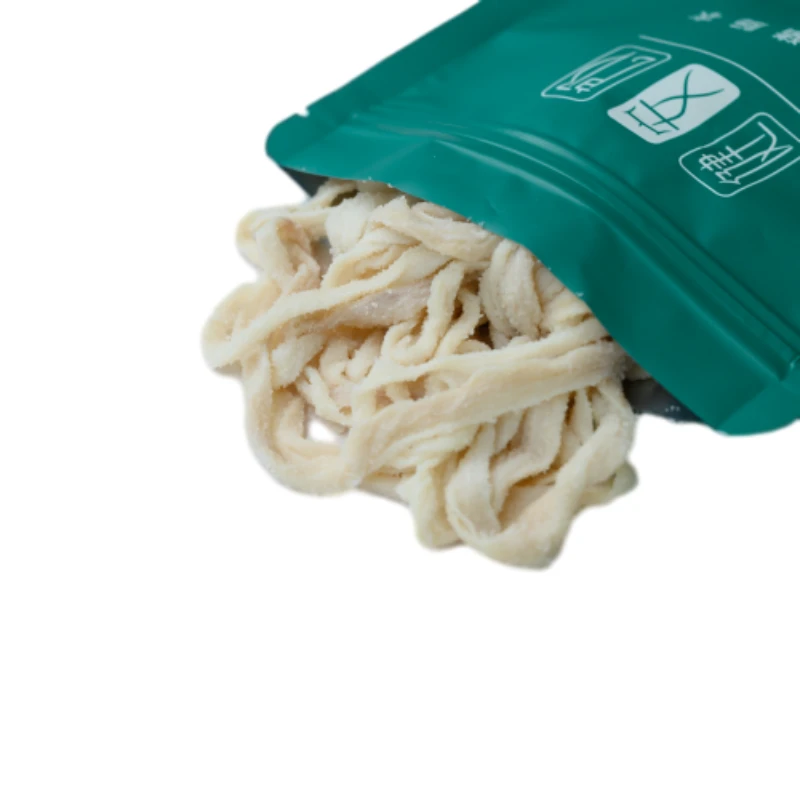
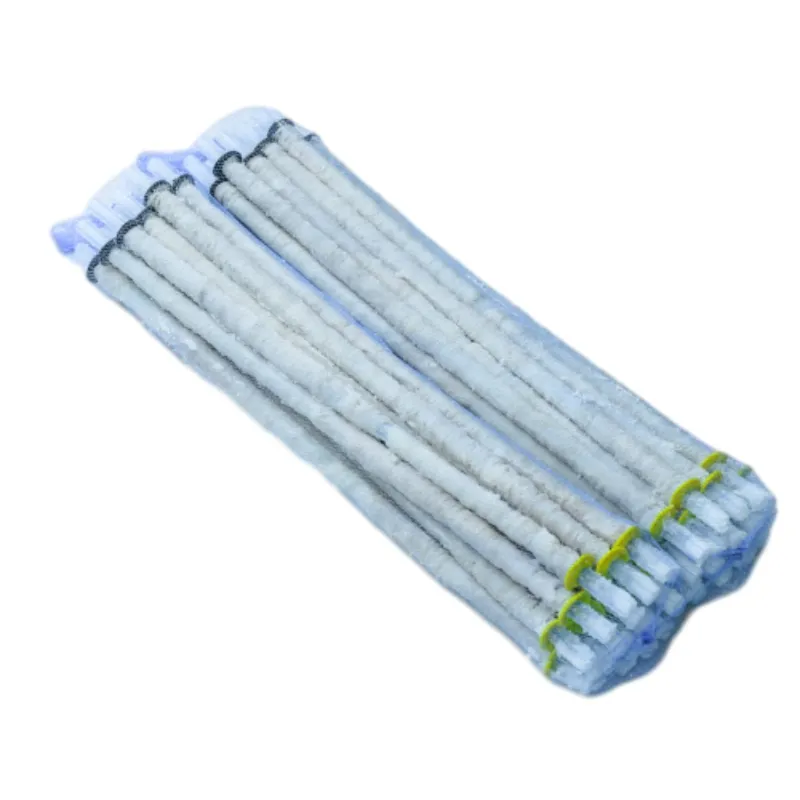
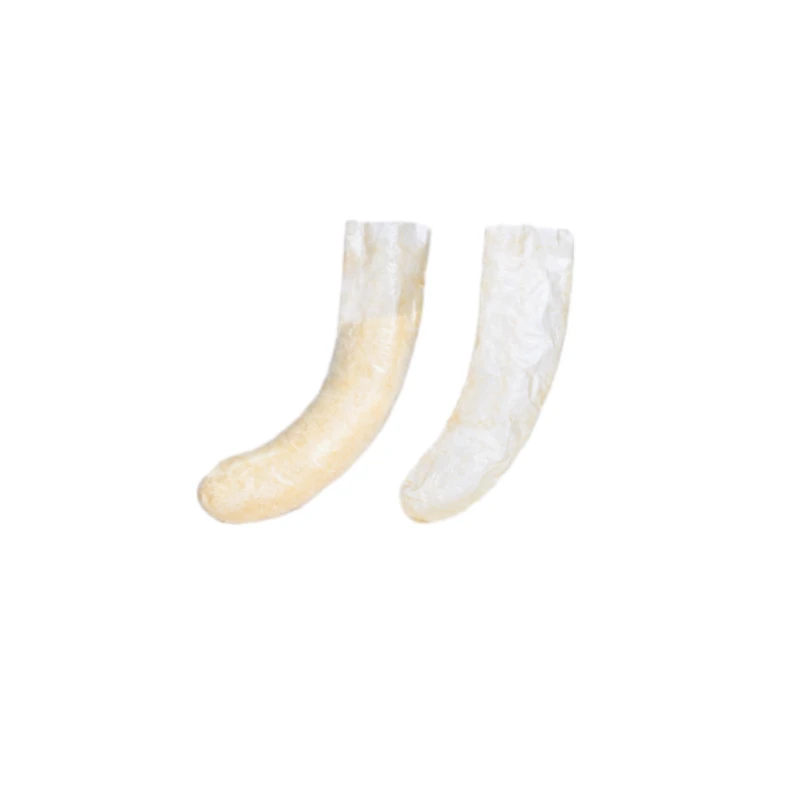
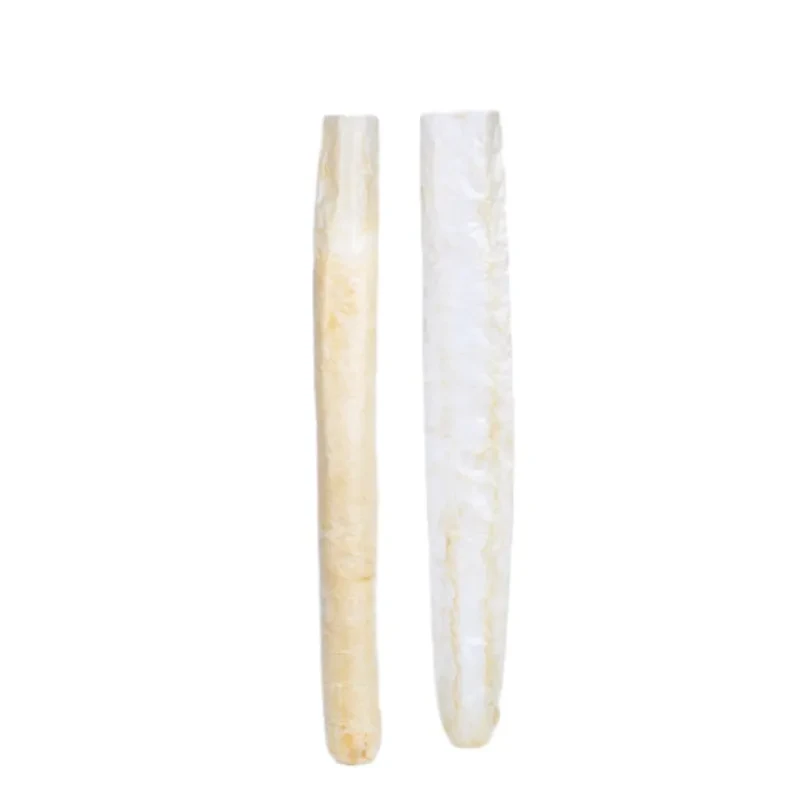
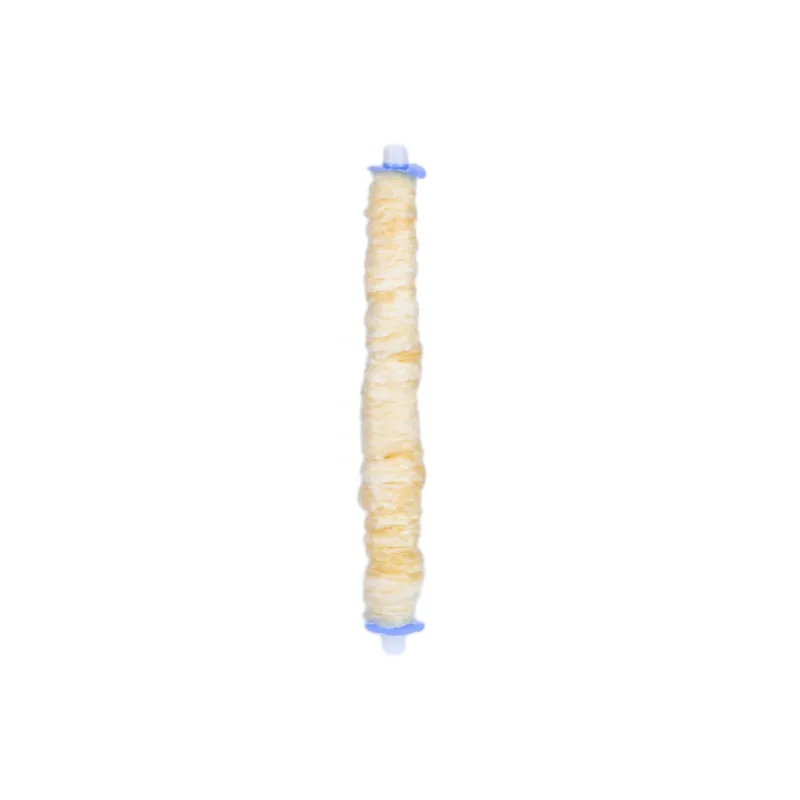
Put simply, a salami natural casing supplier is a specialized provider of animal intestines (usually from pigs or sheep), cleaned and processed specifically to encase salami and other cured meats. In a way, these suppliers are the unsung heroes behind that perfect bite of cured meat you enjoy. Unlike synthetic casings, natural ones allow for better flavor development and curing, because they’re porous and breathable—perfect for traditional salami crafting.
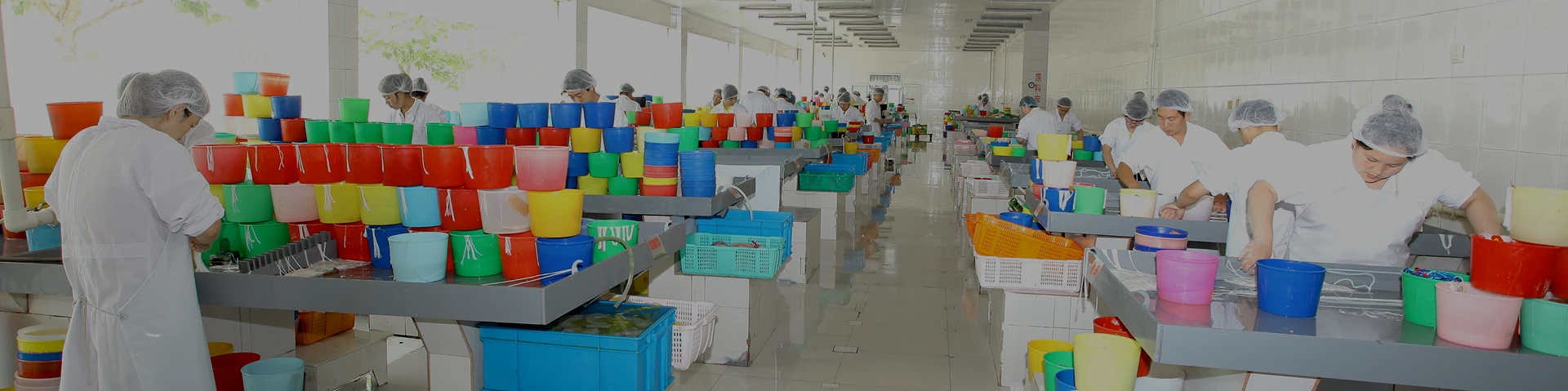
On a practical level, these suppliers also adhere to stringent safety protocols. This is key because the casings must be edible, hygienic, and standardized to facilitate industrial or artisanal production needs. Whether it’s for a family-run charcuterie artisan or a packaged goods giant, these suppliers are the gatekeepers of tradition meeting modern food safety standards.
Core Aspects That Define the Best Salami Natural Casing Suppliers
1. Quality and Consistency
Top-notch casings are uniform in diameter and thickness, enabling producers to offer consistent product sizes. Casings that are too thick or uneven can hinder the curing process or ruin a product’s texture.
2. Hygiene and Certification Standards
Since these casings are edible, suppliers must comply with ISO 22000 for food safety management and often exceed local hygiene regulations. This reduces contamination risk and builds trust.
3. Scalability and Supply Reliability
Producers often ramp up during peak seasons, so suppliers who can flexibly respond with higher volumes, without sacrificing quality, have a competitive edge.
4. Sustainability and Ethical Sourcing
More companies are demanding ethically sourced casings, since the supply chain intersects animal welfare and environmental concerns, from farm to factory.
5. Innovation and Customization
Leading suppliers offer customized diameters, lengths, and treatments (like salted or unsalted casings) to meet diverse product specs.
Mini Takeaway: Quality casings aren’t just about wrapping meat; they’re a complex product requiring stringent control—from animal sourcing to final delivery—ensuring a flawless salami-making process.
Who Uses Salami Natural Casings? Global Applications & Use Cases
Natural casings are far from niche products; they’re embedded in many industries worldwide. For example:
- Artisanal meat producers in Italy and Spain treasure natural casings for their authentic flavor profiles.
- Food processors in the US and Germany rely on reliable suppliers to scale up production while maintaining safety standards.
- Exporters in South America who ship cured meats globally require casings that withstand long transit times without degradation.
More surprisingly, some humanitarian food programs use cured meat products stabilized in natural casings to provide nutrient-dense protein packs in disaster zones where refrigeration isn’t an option. So in a way, these suppliers are indirectly linked to food security efforts worldwide.
A Closer Look: Typical Product Specifications
| Specification | Typical Range | Notes |
|---|---|---|
| Diameter (mm) | 16–45 | Varies by salami type |
| Length (m per sheep casing) | 3–5 | Bulk packaging available |
| Salt Content (%) | 15–20 | Preserves casing integrity |
| Shelf Life (months) | 12–18 | Stored cool and dry |
| Compliance | ISO 22000, FDA | Essential for export |
Comparing Top Salami Natural Casing Suppliers: What Sets Them Apart?
| Supplier | Quality Grade | Certifications | Customization | Typical Lead Time |
|---|---|---|---|---|
| RT Casing Company | Premium | ISO 22000, FDA, USDA | Full range diameters & treatments | 2–3 weeks |
| Global Natural Casings | Standard | ISO 22000 | Limited customization | 3–4 weeks |
| Euro Meat Wraps | Premium | FDA, USDA | Selective diameters only | 2–5 weeks |
Why Choosing the Right Salami Natural Casing Supplier Matters Long-Term
Beyond raw data and specs, there’s a longer narrative here—resilience, sustainability, and that elusive "trust" factor. Working with a reliable supplier means fewer production hiccups, less waste, and a better product at the shelf level. Many producers have shared stories where switching suppliers improved flavor consistency dramatically. Conversely, poor casing can lead to burst salamis, inconsistent curing, or worse—food safety issues.
On the emotional side, it’s about preserving culinary heritage. Natural casings honor centuries of tradition, help local farmers, and present consumers with authentic experiences. So, it’s not just business, but culture, safety, and innovation wrapped into one.
Emerging Trends and the Road Ahead
Interestingly, the industry is evolving. Automation in casing sorting and quality inspection is becoming mainstream, improving speed and precision. Plus, some suppliers are experimenting with hybrid natural-synthetic casings to enhance durability without sacrificing taste. Sustainability remains a hot topic, with more farmers adopting regenerative livestock practices impacting casing quality and brand stories alike.
Digital traceability tools—blockchain for example—are starting to track casing origins, verifying ethical sourcing and food safety, which could soon become industry standard. It feels like we’re on the cusp where tradition meets tech in this modest but vital segment.
Obstacles and Smart Solutions
Sure, no supply chain is flawless. Seasonal livestock shortages, price volatility, and complex international regulations can keep procurement managers awake. One clever approach I noticed in global forums is developing multi-sourcing strategies—combining trusted regional suppliers to hedge against risk. Others are working closely with farmers to improve animal husbandry specifically for casing quality. It’s a tighter partnership from farm to factory than you might guess.
FAQ: Your Quick Guide on Salami Natural Casing Suppliers
Q1: How do salami natural casings differ from synthetic ones?
A1: Natural casings are real animal intestines offering breathability and traditional texture. Synthetic casings, made from collagen or cellulose, provide uniformity but often lack the delicate flavor-enhancing qualities of natural ones.
Q2: Can suppliers customize casing sizes for specific salami types?
A2: Yes! Most premium suppliers offer a range of diameters and lengths, plus treatments like salted or unsalted. Customization ensures producers can meet exact product specifications and consumer preferences.
Q3: What certifications should I expect from a reliable supplier?
A3: Look for food safety certifications like ISO 22000, FDA approval (for US markets), and USDA standards. These ensure hygienic processing and export compliance.
Q4: How long can natural casings be stored before use?
A4: Properly salted and stored natural casings have a shelf life of 12 to 18 months when kept cool and dry, but it's best to consult your supplier for specific conditions.
Q5: Are there sustainable sourcing options?
A5: Yes. Increasingly, suppliers and farms focus on ethical livestock management, and some provide traceability to reassure customers about animal welfare and environmental impact.
Mini Takeaway: Your questions reveal industry priorities—quality, customization, safety, and ethics—all trends shaping the future of natural casing suppliers.
Wrapping It Up: Why Partner with a Trusted Salami Natural Casing Supplier?
To sum it up, whether you’re a small artisanal deli or a large-scale processor, the choice of salami natural casing supplier can make or break your product quality and operational flow. From global food safety standards to sustainable farm practices, a trusted supplier fosters more than just a contract—it builds a partnership for long-lasting success.
Interested in exploring top-tier options? Visit salami natural casing supplier to connect with professionals who understand that every great salami starts with the right casing.