Dec . 02, 2025 19:36
What Are Salami Natural Casing Companies and Why Do They Matter?
It’s one of those niche topics that surprisingly touches so many lives around the globe — salami natural casing companies. At first glance, it might seem like just another food industry detail, but if you’re a fan of traditional cured meats or involved in the charcuterie business, these companies are critically important. They supply the natural membranes wrapped around salamis that help develop flavor, texture, and appearance. Beyond taste, understanding this industry sheds light on centuries-old craftsmanship, sustainable sourcing, and even global meat-trade economics.
Why does it matter worldwide? The global demand for authentic cured meats—from European delicacies to Asian fusion—pushes these companies to balance tradition with modern sourcing, ethical animal processing, and food safety standards. In fact, according to the International Meat Secretariat, the global market for natural casings has hovered around 8,000 tons annually, generating billions in revenue. This isn’t just about sausage skins; it’s about sustaining a cultural heritage, supporting rural economies, and innovating in food technology.
The Global Context: How Salami Natural Casing Companies Fit the Big Picture
If you think about the food supply chain, natural casing companies are kind of the behind-the-scenes heroes. A quick look at FAO statistics shows that over 70% of world meat production comes from animals that can also provide natural casings—mainly hog and sheep intestines. Countries like China and Germany dominate production, but the demand is truly international.
One challenge these companies face is standardizing quality across borders while respecting local regulations—a tricky dance given health and safety protocols from ISO and local agencies. Furthermore, as ethical consumption rises, natural casing producers must innovate on animal welfare and sustainable sourcing without losing the authentic charm of handcrafted salami.
Mini takeaway:
Salami natural casing companies aren’t just suppliers—they’re a pivotal part of a global narrative balancing tradition, science, and sustainability.
Defining Salami Natural Casing Companies
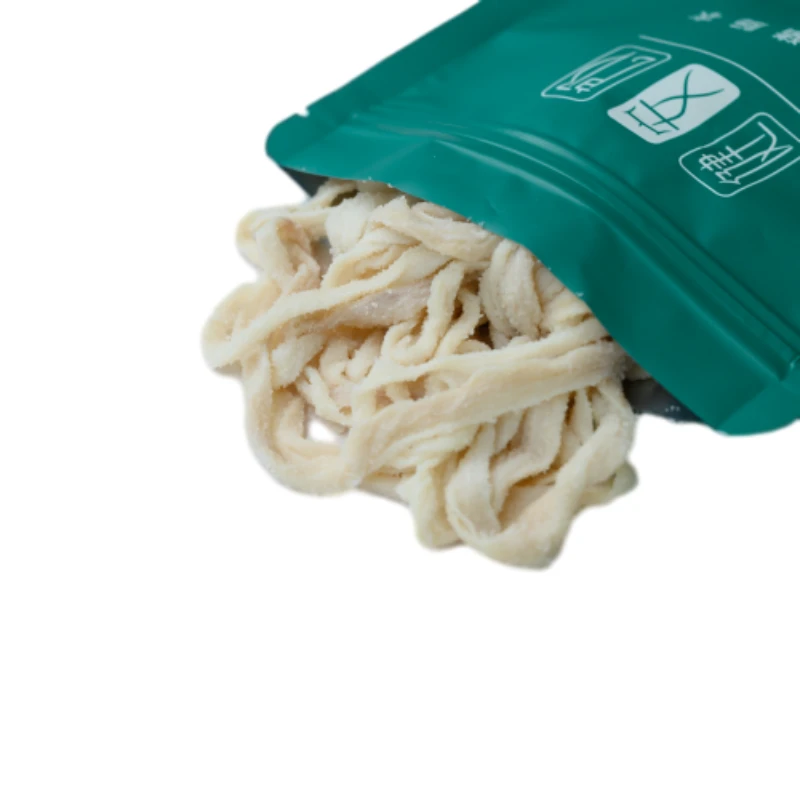
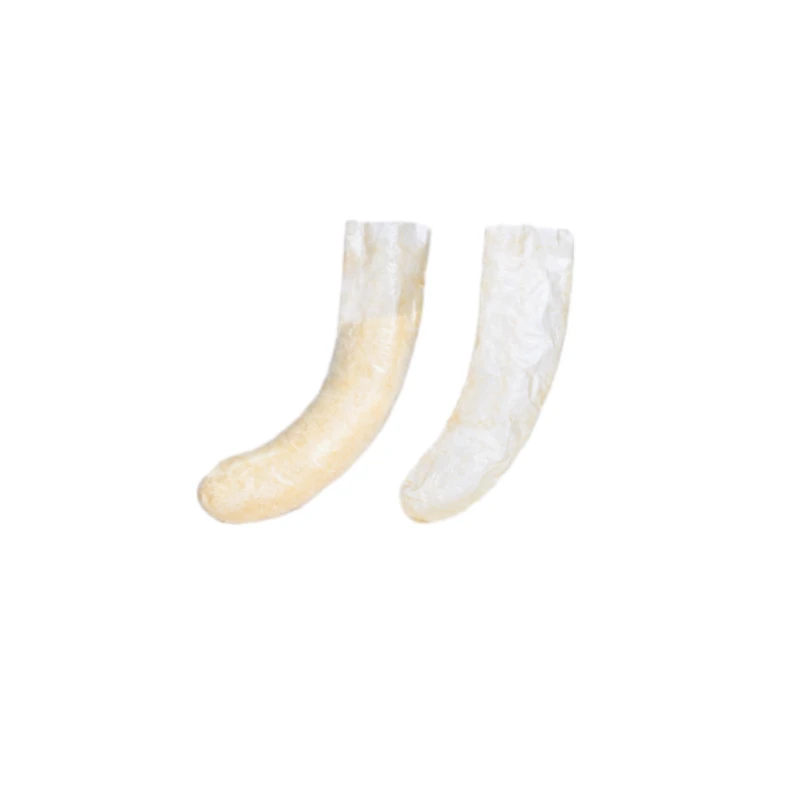
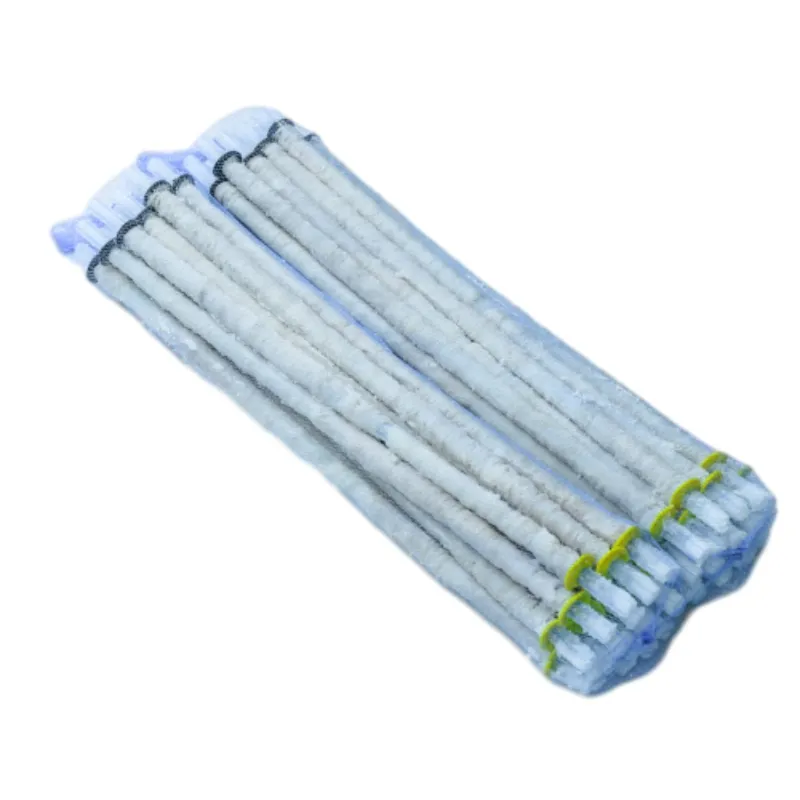
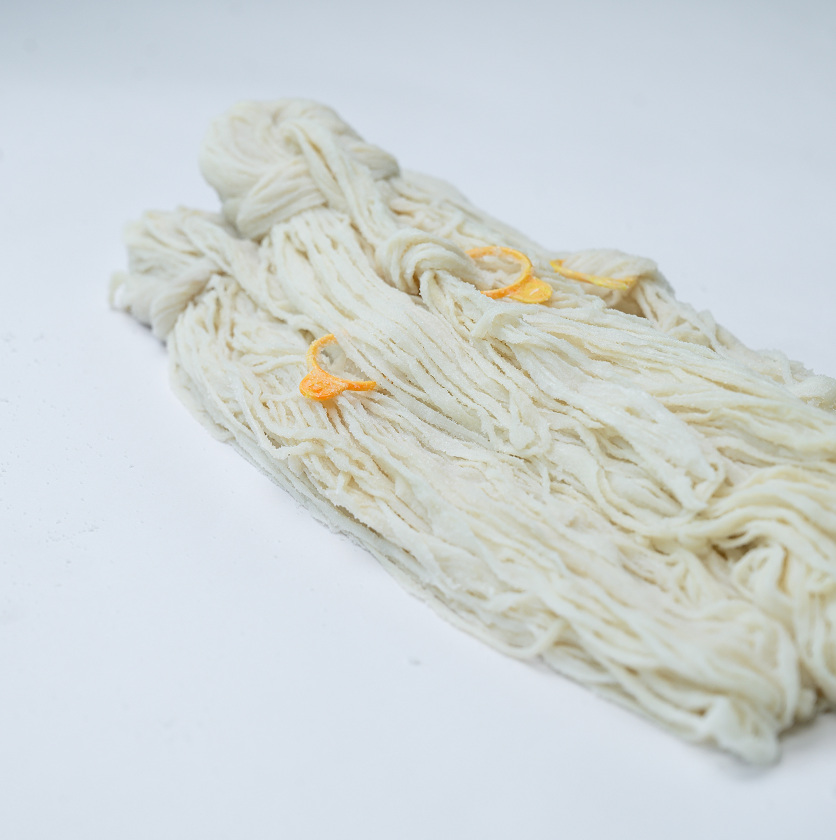
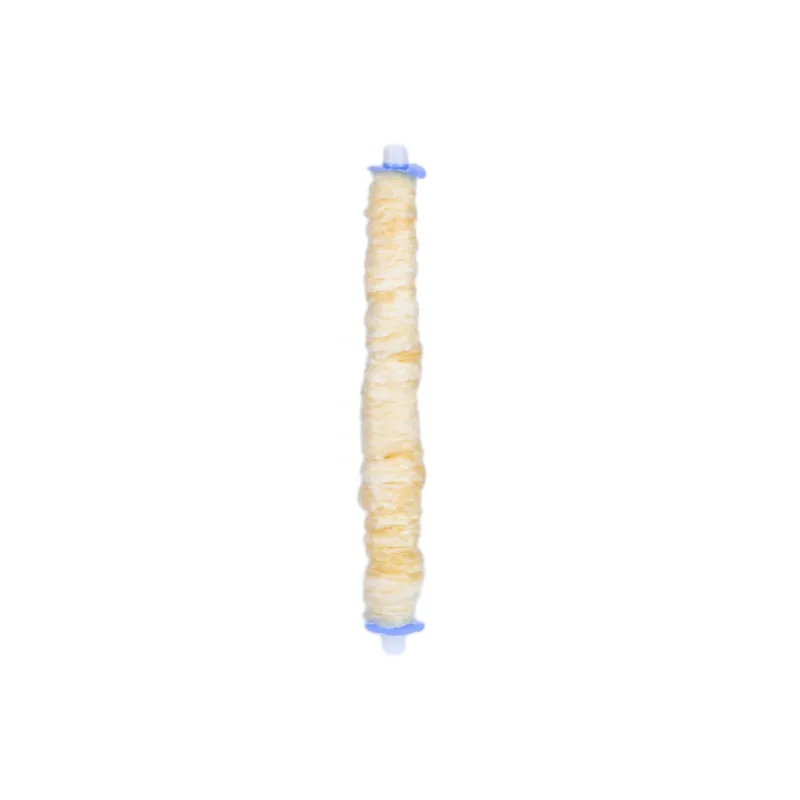
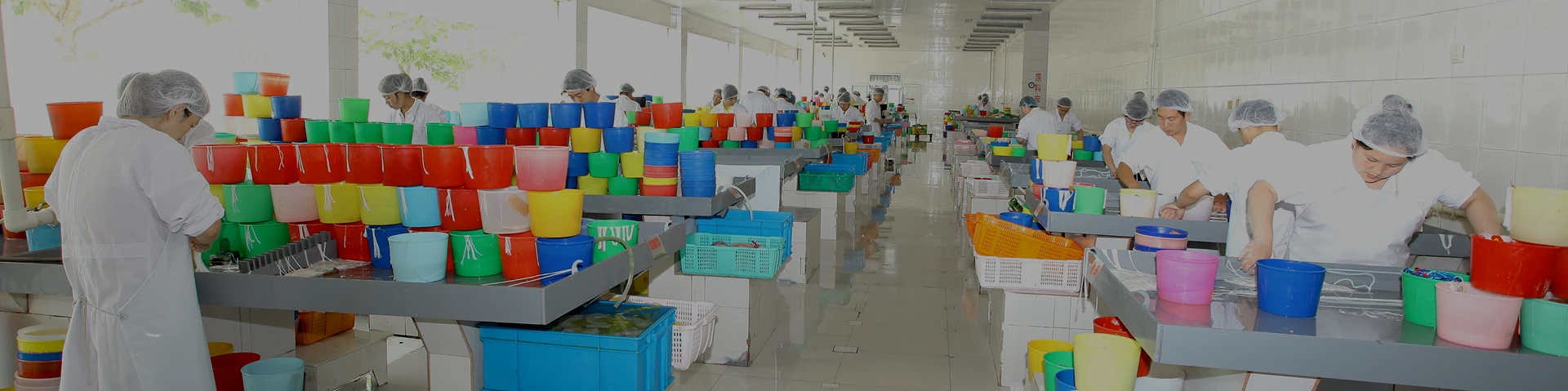
Simply put, these companies harvest, clean, prepare, and sell natural casings—primarily intestines from pigs, sheep, or cattle—that artisans and manufacturers use for salami and other charcuterie. It’s a delicate process involving precise cleaning and grading, because the casing’s quality directly affects the final product's texture and flavor.
Modern salami natural casing companies often work closely with farmers, abattoirs, and food safety bodies. Some also partner with humanitarian organizations in food aid programs, supplying sustainable, protein-rich items with authentic packaging that appeals psychologically to consumers. Interesting to note, natural casings can act almost like edible packaging, reducing plastic waste.
Mini takeaway:
Far beyond being just “sausage skins,” these companies connect agriculture, food tech, and sustainability in the evolving food landscape.
Key Factors for Salami Natural Casing Companies
1. Durability and Integrity
A great natural casing has to be resilient enough for fermentation and curing processes, yet delicate enough to eat without discomfort. Many producers test tensile strength and flexibility meticulously.
2. Scalability of Supply
As demand grows, companies must source enough raw material without sacrificing quality or ethical standards. Large-scale harvesters often have global supply chains, while artisanal producers focus on limited but premium batches.
3. Cost Efficiency
This is a balancing act. Natural casings cost more than synthetic alternatives but add undeniable value. Companies optimize processing techniques and logistics to keep costs reasonable.
4. Food Safety and Certification
Strict hygiene standards, testing for contaminants, and certifications (ISO 22000, HACCP) are standard. This controls risks and builds trust with clients worldwide.
5. Sustainability and Animal Welfare
Many are innovating by sourcing only from farms with humane practices and exploring technologies to reduce environmental impact.
Mini takeaway:
Quality, scale, and sustainability are the pillars that keep salami natural casing companies relevant and responsible industry players.
Global Applications & Real-World Examples
You’ll find these casings in everything from a tiny family-run charcuterie workshop in Italy to sprawling meat-processing plants in the U.S. or China. In Europe, natural casings preserve authenticity in salami production, maintaining cultural food identities. Meanwhile, in developing countries, they support local economies by providing raw materials for burgeoning small-scale meat industries.
Oddly enough, even disaster relief efforts have appreciated these companies. Packaged cured meats with natural casings are shelf-stable, portable, and provide nutritious protein, which can be vital in emergency food kits.
Notable case:
- In Spain, a regional consortium worked with salami natural casing companies to reintroduce heritage breeds, ensuring casing quality while supporting biodiversity.
- In the U.S., some producers have embraced digital tracking, improving transparency from farm to fridge.
Mini takeaway:
From culinary tradition to humanitarian uses, salami natural casing companies impact diverse sectors globally.
Advantages & Long-Term Value of Natural Casings
- Superior Sensory Experience: Natural casings breathe, promoting authentic fermentation and flavor maturation.
- Environmental Benefits: Being edible and biodegradable lowers packaging waste drastically.
- Economic Sustainability: Supporting animal agriculture and rural jobs ensures community livelihoods.
- Trust and Authenticity: Brands gain consumer confidence by emphasizing natural ingredients.
- Innovation Catalyst: Encourages research into greener processing methods and novel food safety tech.
Emotionally, customers often associate natural casing salami with craft, heritage, and care — values that synthetic alternatives rarely evoke. For producers, it’s more than a product; it’s a story of cultural identity and trust.
Emerging Trends & Innovations
Technology is subtly reshaping this industry. We’re seeing advances like:
- Eco-friendly sourcing protocols: Farms integrate regenerative agriculture to improve casing quality.
- AI and digital tracking: From animal origin tracing to batch batch verification for food safety.
- Automation enhancements: Helping small manufacturers optimize natural casing preparation without losing artisanal quality.
- Biodegradable packaging integration: Pairing natural casings with sustainable outer packaging for fully green products.
In real terms, these innovations mean better quality at scale, lower environmental footprints, and more informed consumers.
Challenges & Promising Solutions
Despite its benefits, natural casing production wrestles with:
- Supply variability: Seasonal and regional fluctuations affect availability and price.
- Health & Safety Risks: Risk of microbial contamination demands rigorous hygiene controls.
- Ethical Concerns: Growing consumer scrutiny on animal welfare.
Solutions include boosting supplier diversification, deploying rapid microbial testing tech, and adopting transparent sourcing certifications. Industry leaders share best practices through salami natural casing companies networks — a big help when facing these hurdles.
Product Specification Table for Typical Salami Natural Casings
| Attribute | Description | Typical Range |
|---|---|---|
| Material | Hog, sheep, or beef intestines | Varies by product |
| Diameter | Suitable for salami diameters | 18 – 32 mm |
| Length | Continuous lengths for manufacturing | Up to 50m |
| Moisture Content | Maintains casing pliability | 50–60% |
| Certification | ISO 22000, HACCP standards | Certified |
Comparing Leading Salami Natural Casing Companies
| Company | Product Range | Sustainability Focus | Global Reach | Price Range |
|---|---|---|---|---|
| Russo Casings | Hog, sheep, beef | Medium; certified farms | Europe, Asia | $$ |
| Tradition Naturals | Specialty sheep casings | High; regenerative farms | Europe, North America | $$$ |
| Orient Casings Co. | Hog and mixed casings | Low; bulk processing | Asia, Middle East | $ |
FAQ: Frequently Asked Questions About Salami Natural Casing Companies
- What advantages do natural casings have over synthetic ones?
- Natural casings offer superior breathability, which allows salamis to ferment and cure more evenly, delivering better flavor and texture. They are also edible and biodegradable, making them an eco-friendlier choice. Synthetic casings can be more uniform and cost-effective but lack the artisanal qualities many consumers seek.
- How do salami natural casing companies ensure food safety?
- They implement strict hygiene protocols, including ISO 22000 and HACCP standard compliance. The casings are thoroughly cleaned and inspected for contaminants. In addition, rapid microbial testing and traceability systems help mitigate risks and maintain consistent quality.
- Are natural casings suitable for large-scale industrial production?
- Yes, many natural casing companies have optimized processing to supply consistent, standardized products at scale, supporting both artisanal charcuterie makers and industrial manufacturers. However, the supply chain complexity can sometimes limit fast scaling compared to synthetic alternatives.
- Where can I find suppliers for salami natural casings?
- There are many reputable vendors globally. Checking industry directories or visiting salami natural casing companies portals can help you find certified suppliers tailored to your region and production needs.
- Do natural casings support sustainable meat production?
- Definitely. When sourced ethically from animal by-products in certified farms, natural casings contribute to zero waste and promote animal welfare transparency, benefiting sustainable agriculture.
Wrapping up: Why Salami Natural Casing Companies Matter for the Future
In a world increasingly conscious about heritage, sustainability, and food quality, salami natural casing companies stand at a fascinating crossroads. They keep alive centuries-old traditions while facing modern demands for scalability, safety, and eco-responsibility. By choosing products with authentic natural casings, consumers support a rich tapestry of agricultural, culinary, and environmental values — not to mention savor delicious salami!
If you want to explore more about trusted partners and innovative solutions in this field, visit our website: https://www.rtcasing.com. It’s a gateway to authentic quality and global expertise.
Mini takeaway:
Natural casing companies hold the key to maintaining authenticity in meatcraft while embracing a sustainable future.