Dec . 02, 2025 18:22
Understanding Natural Hog Casings Suppliers: Essential for Global Sausage Production
If you've ever bitten into a perfectly textured sausage, you’ve probably enjoyed the work of natural hog casings suppliers. But what exactly are they, why do they matter on a global scale, and what makes them a staple in industries from food manufacturing to specialty culinary arts? Oddly enough, natural hog casings are much more than simple sausage shells—they carry environmental, economic, and even cultural significance that ripple through global trade and food production.
The Global Context: Why Natural Hog Casings Matter Worldwide
Did you know that the global sausage market size is projected to exceed $44 billion by 2027, according to market research? This booming demand directly impacts natural hog casings suppliers who provide essential materials for sausage makers. Derived from the intestines of pigs, these casings are prized for their clean snap and natural texture, something synthetic alternatives often can't quite mimic.
However, sourcing reliable and sustainable casings remains a challenge. From supply chain disruptions to quality inconsistencies, natural hog casings suppliers are navigating a complex web of consumer expectations, animal welfare regulations, and international logistics. This makes understanding the core role of casing providers essential for anyone involved in food processing or import/export businesses.
Mini takeaway:
- Natural hog casings are in demand globally due to their unique qualities.
- Market growth and supply chain challenges make suppliers critical players.
What Exactly Are Natural Hog Casings Suppliers?
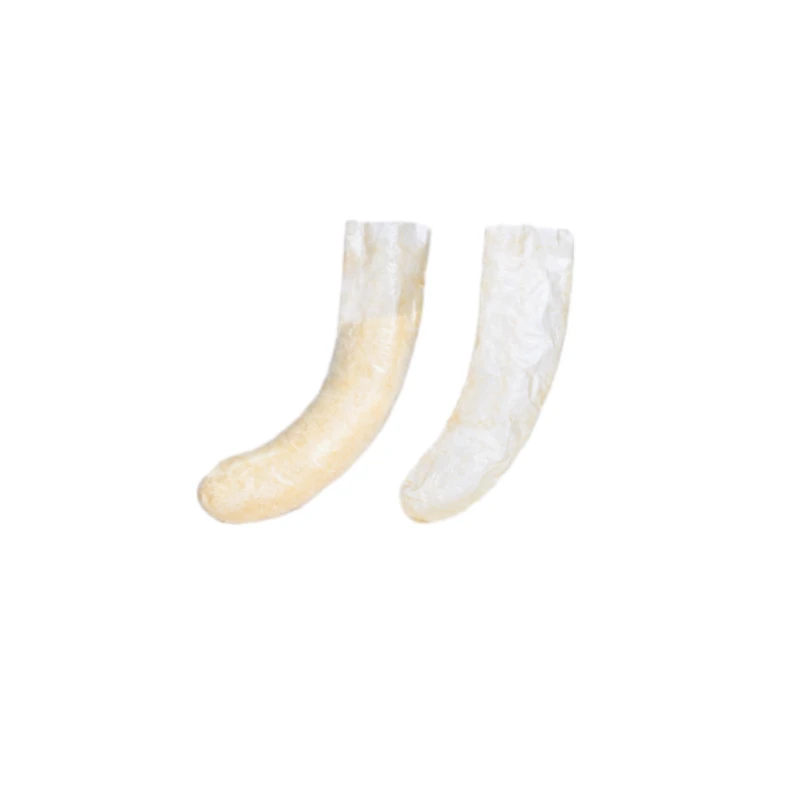
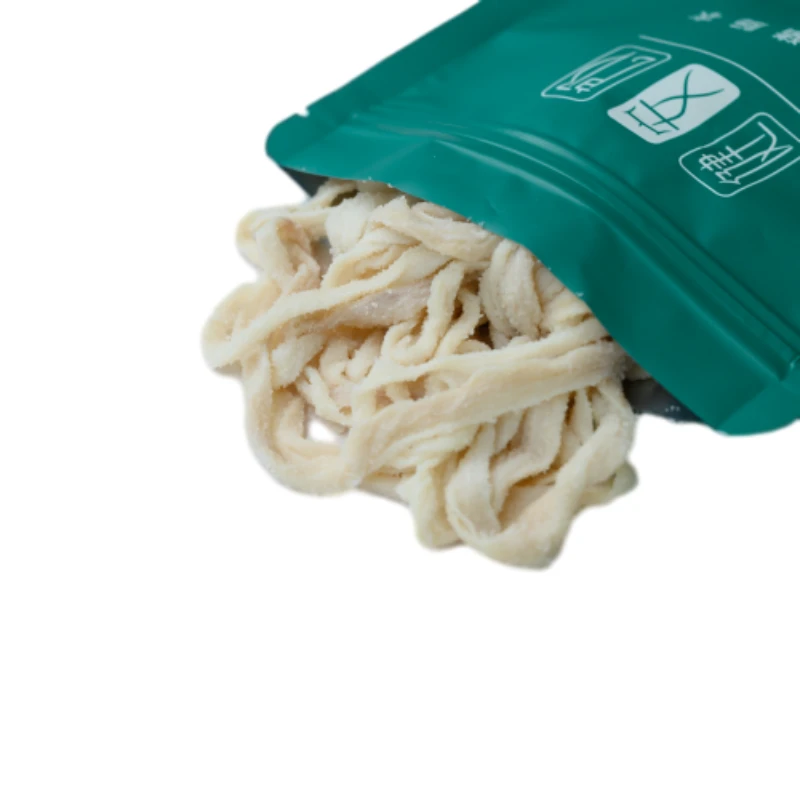
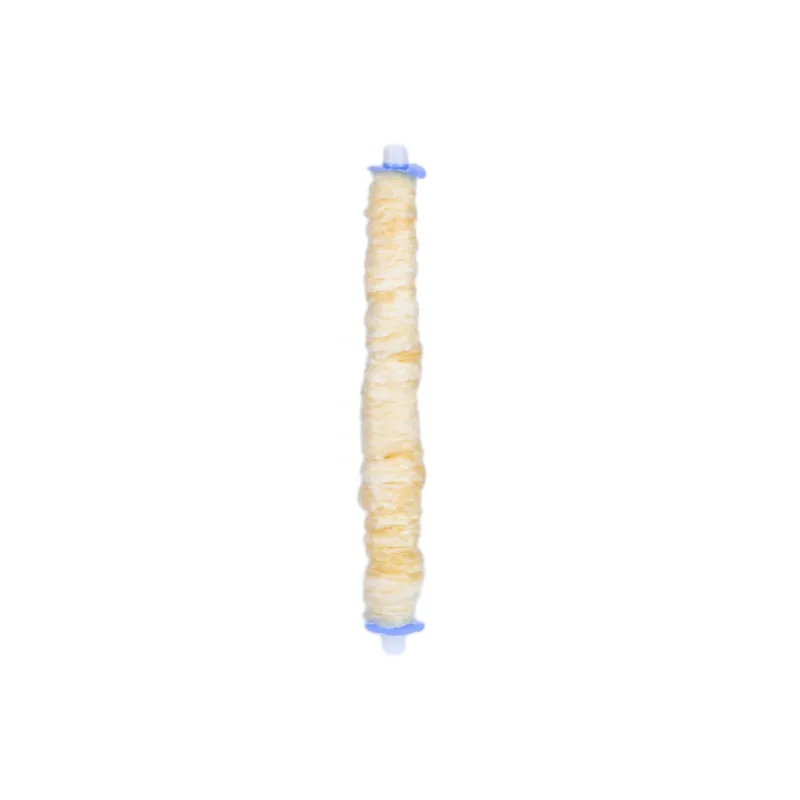
Simply put, natural hog casings suppliers specialize in preparing and distributing pig intestines that are cleaned, salted, and sized for sausage making. These casings provide the 'skin' that holds sausage fillings together, giving them that characteristic bite and appearance. Unlike synthetic casings, natural ones are organic, biodegradable, and highly breathable—qualities that keep sausages fresh and flavorful.
In modern food production, these suppliers bridge traditional practices with industrial standards. They work closely with slaughterhouses, processors, and food manufacturers to ensure optimal casing quality. Beyond taste and texture, hog casings also resonate with culinary traditions worldwide, from German bratwurst to Chinese lap cheong.
Mini takeaway:
- Natural hog casings come from pig intestines, expertly processed for safety and usability.
- Suppliers are pivotal in maintaining both tradition and food industry standards.
Core Factors That Define Quality in Natural Hog Casings
1. Durability and Strength
Good casings need to stretch without tearing during stuffing, maintain shape while cooking, and resist splitting under pressure. Suppliers test casings for tensile strength and elasticity — often a fine balance. Too brittle, and they crack; too loose, and they won't hold the meat tightly.
2. Consistency in Size
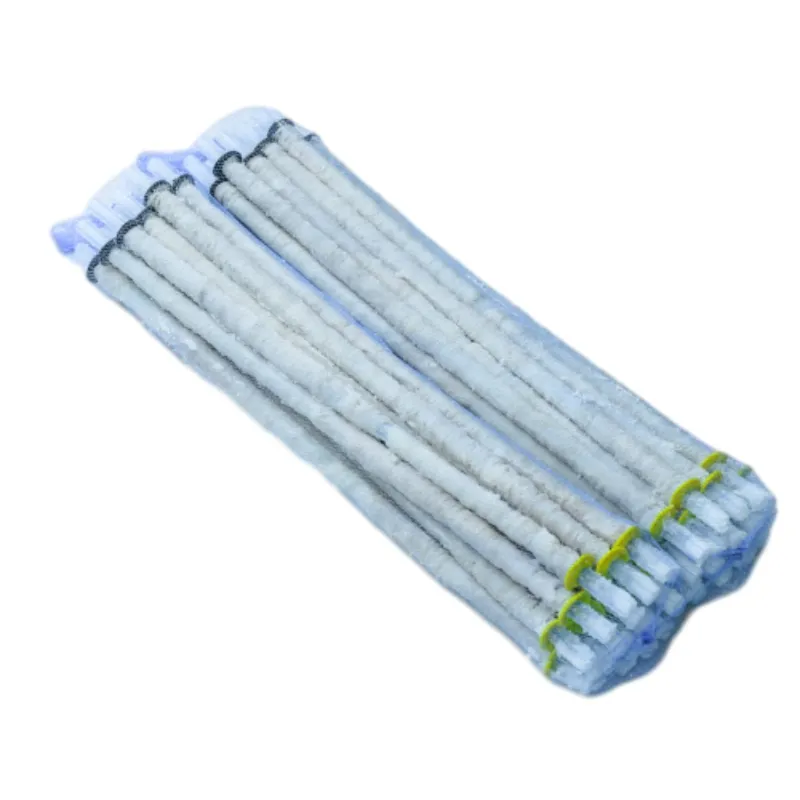
From small breakfast sausages to large summer sausages, size matters. Leading suppliers offer a range of calibers, typically measured in millimeters, ensuring that processors get uniform products. This uniformity translates to predictable stuffing rates and better product appearance.
3. Preservation Methods
Salt curing remains the standard method suppliers use to preserve casings during transport. This method inhibits bacterial growth while maintaining casing pliability. Some innovative suppliers also experiment with drying or freezing to meet specific client needs.
4. Traceability and Compliance
In today’s market, food safety is everything. Trusted natural hog casings suppliers maintain strict traceability—from farm to final user—complying with international standards such as ISO 22000 or HACCP. This ensures every casing batch meets health regulations worldwide.
5. Sustainability Practices
Many suppliers now emphasize sourcing byproducts responsibly and reducing waste. Since hog casings are a byproduct of meat processing, their use promotes full animal utilization and decreases landfill waste—a small but meaningful sustainability win.
Mini takeaway:
- The best natural hog casings balance strength, consistent size, and safety compliance.
- Eco-friendly sourcing adds value to suppliers in the modern market.
How Are Natural Hog Casings Used Across the Globe?
Natural hog casings find applications far beyond just grocery store links.
- Europe & North America: Home to artisanal sausage makers and large-scale processors, these regions rely heavily on consistent casing supply for bratwurst, Italian sausages, and hot dogs.
- Asia: In countries like China and Vietnam, natural casings are essential for unique flavors and textures in traditional offerings such as lap cheong or street food sausages, supporting local industries.
- Disaster Relief & Emergency Food Kits: While seemingly niche, specialized suppliers provide natural casings to humanitarian groups that need high-quality protein sources with long shelf lives.
- Specialty Food Markets: The growing organic and natural foods sectors demand natural casings over synthetic alternatives to meet consumer preferences for clean-label products.
Mini takeaway:
- Natural hog casings support diverse industries and regional delicacies worldwide.
- They’re key ingredients in both everyday and humanitarian food programs.
Pros of Choosing Natural Hog Casings: Long-Term Benefits
- Superior Taste & Texture: Natural casings naturally “snap” when bitten and absorb smoky flavors better than synthetics.
- Biodegradability: They break down naturally, reducing environmental impact.
- Authenticity & Trust: Many consumers prefer traditional sausages encased in natural products, boosting brand loyalty.
- Cost Efficiency: Sourced as a meat industry byproduct, they can be an economical option compared to synthetic casings, especially when factoring in processing waste.
- Social Impact: Supporting natural casing markets often sustains rural economies and traditional farming practices.
Mini takeaway:
If you value nutrition, taste, environment, and cultural richness, natural hog casings have advantages that synthetic casings simply don’t deliver.
Emerging Trends in Natural Hog Casing Supply
The industry isn’t standing still. A few notable moves to watch for include:
- Digital Quality Control: Suppliers are adopting AI-based imaging and moisture sensors to improve sorting and grading precision.
- Traceability Tech: Blockchain initiatives promise transparent tracking from slaughterhouse to end user, which could redefine trust and compliance.
- Sustainable Processing: Innovations focus on reducing water usage and chemical inputs during cleaning.
- Customized Calibers: 3D scanning and vendor customization let manufacturers order casings cut to exact fits for niche sausage types.
- Eco-friendly Packaging: Reducing single-use plastics in shipping casings is gaining traction to match the product’s natural ethos.
Mini takeaway:
Technology and sustainability are not just buzzwords here; they’re transforming natural hog casing supply chains for the better.
Key Challenges and How Suppliers Are Addressing Them
Of course, no supply chain is perfect. Among the hurdles:
- Supply Fluctuations: Seasonal pig farming cycles and disease outbreaks (like African swine fever) put pressure on availability.
- Quality Variability: Biological sources mean some inconsistency—even experienced suppliers can’t fully control nature.
- Regulatory Complexity: Different countries impose strict import rules and hygiene standards that suppliers must navigate.
- Transport Fragility: Salted casings need careful storage and timely shipping to prevent spoiling.
Solutions involve building close relationships with farms, investing in stringent quality control labs, employing cold chain logistics, and obtaining certifications required in key markets. Many suppliers now operate diversified sourcing to hedge risk.
Mini takeaway:
Challenges exist, but smart integration of technology and partnerships ensures natural hog casing suppliers keep pace with evolving global demands.
FAQ: Common Questions About Natural Hog Casings Suppliers
- Q1: What is the typical shelf life of natural hog casings?
- A: When properly salted and refrigerated, natural hog casings can last up to a year. However, factors like humidity and packaging affect longevity, so timely use is recommended.
- Q2: How do natural hog casings compare to synthetic ones?
- A: Natural casings offer superior taste, texture, and biodegradability. Synthetics are often chosen for uniformity and ease of use but may lack the authentic 'snap' and flavor penetration.
- Q3: Can natural hog casings be customized for specific sausage types?
- A: Yes. Suppliers can provide various calibers and lengths based on customer requirements, allowing for specialty or regional sausage varieties.
- Q4: Are natural hog casings safe for international export?
- A: Absolutely. Trusted suppliers comply with global food safety standards and provide documentation needed for customs, though buyers should check local import regulations.
- Q5: How do environmental concerns impact natural hog casing supply?
- A: As a byproduct of meat processing, using natural casings supports circular economy principles. Suppliers increasingly adopt eco-friendly cleaning and packaging methods to reduce their environmental footprint.
Natural Hog Casings Specifications
| Specification | Typical Range | Notes |
|---|---|---|
| Diameter (caliber) | 16–28 mm | Suitable for breakfast to summer sausages |
| Length per casing | Around 4 to 5 meters | Varies by intestine sourced |
| Preservation | Salt-cured, refrigerated | Standard method worldwide |
| Tensile Strength | 40–60 N | Depends on supplier quality |
| pH Level | 4.5–5.5 | Optimal for freshness and texture |
Vendor Comparison: Top Natural Hog Casings Suppliers
| Supplier | Sourcing Region | Certifications | Customization Options | Sustainability Practices |
|---|---|---|---|---|
| PrimeHog Natural Casings | Europe (Germany, Poland) | ISO 22000, HACCP | Full caliber range, custom lengths | Eco-friendly cleaning & packaging |
| Global Casings Inc. | North America (USA, Canada) | FDA Approved, HACCP | Medium calibers, standard lengths | Waste reduction in processing |
| Eastern Natural Casings | Asia (China, Vietnam) | ISO 22000 | Local calibers, specialty products | Sustainable animal byproduct sourcing |
Wrapping Up: Why Natural Hog Casings Suppliers Deserve Your Attention
So, I suppose it’s clear: natural hog casings suppliers do more than just supply a product—they sustain a tradition, foster sustainability, and power a global food economy that feeds millions daily. While synthetic alternatives exist, few can match the taste, texture, and environmental benefits offered by natural casings.
For anyone in the food manufacturing industry, import/export business, or even a passionate artisan sausage maker, understanding your casing suppliers is critical. When you pick the right supplier, you’re not just buying casings—you’re partnering with a critical link in the chain that preserves quality, safety, and heritage.
Interested in learning more or sourcing directly from leading providers? Visit our dedicated site at natural hog casings suppliers for trusted, globally certified options and more insights.