Dec . 02, 2025 20:54
Why the Dried Sausage Casing Manufacturer Industry Matters Globally
You might not think much about sausage casings—after all, they’re simply the thin skins that wrap your favorite charcuterie. But peel back the layers (pun intended), and dried sausage casing manufacturers are actually a critical part of the global food supply chain. From ensuring food safety to supporting massive meat processing industries worldwide, these manufacturers play a surprisingly big role in feed supply chains, hygiene, and even cultural food traditions.
According to the World Bank, the global processed meat market is valued at over $200 billion, soaring annually, fueled by increased demand from emerging markets. The dried sausage casing market, a niche yet vital subset, helps maintain product integrity and shelf life, reducing waste and supporting international meat trade.
Understanding how dried sausage casing manufacturers operate—and why quality matters—is more than a niche culinary curiosity. It’s about food security, reducing environmental impact, and preserving artisanal methods in a modern supply chain.
Setting the Stage: Why Dried Sausage Casing Manufacturers Are Key Players in the Global Food Industry
The global meat processing industry relies heavily on high-quality casings to shape, protect, and preserve sausages, hams, and many cured meats. According to recent ISO food safety standards, using trusted dried casings helps prevent contamination and maintains product consistency during transport and storage.
One key challenge for manufacturers worldwide is sourcing natural casings that meet stringent health regulations, especially when exporting products. This is where specialized dried sausage casing manufacturers come in, delivering dehydrated, cleaned casings that can be stored longer and shipped efficiently.
Moreover, in regions such as Eastern Europe, Asia, and South America, sausage production is both a cultural staple and a growing commercial opportunity. The manufacturers’ role here isn’t simply industrial—it’s about preserving traditional recipes while meeting modern consumer expectations for hygiene and sustainability.
Defining the Dried Sausage Casing Manufacturer: More than Just “Sausage Skin” Producers
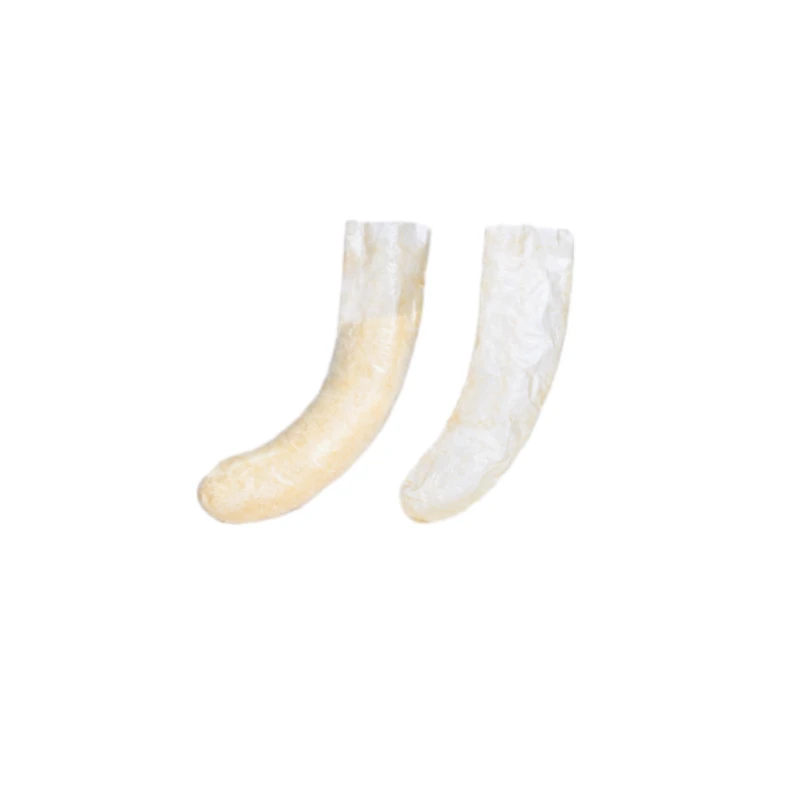
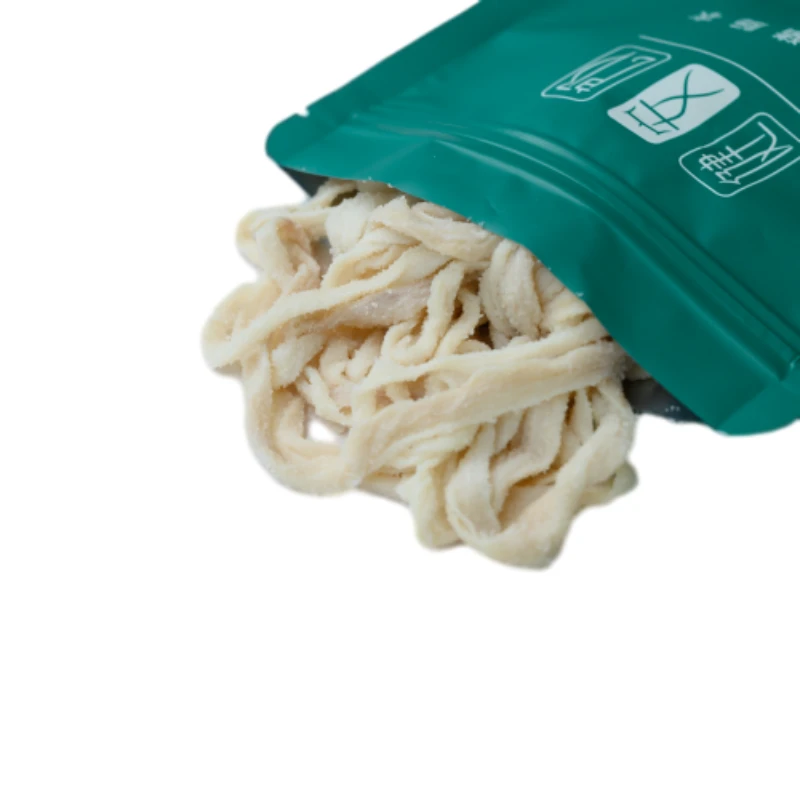
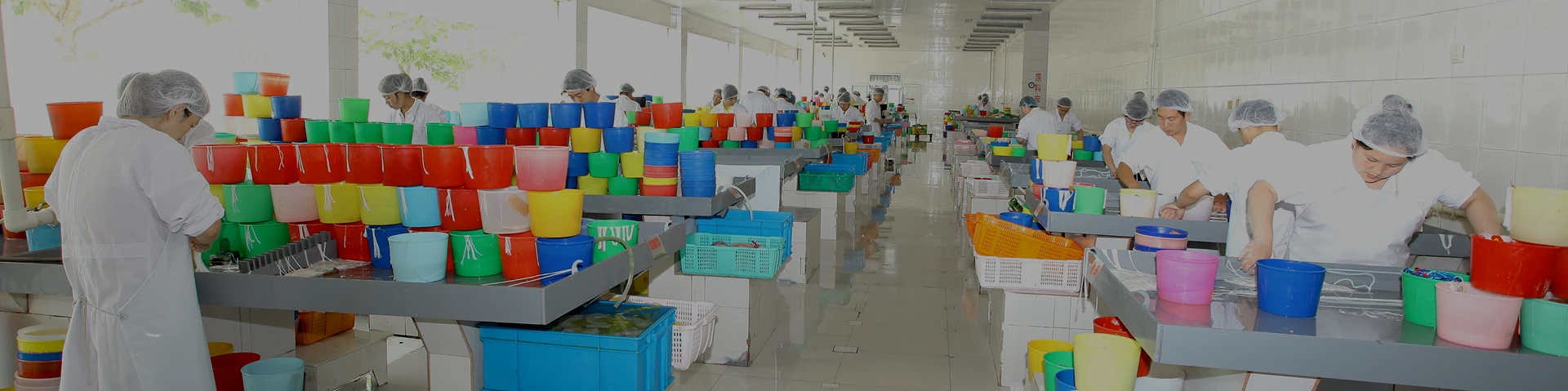
In basic terms, a dried sausage casing manufacturer processes animal intestines, typically from pigs, sheep, or cattle, cleans them meticulously, and then dries them to extend shelf life. These casings are then distributed to meat processors, small artisan producers, and large factories alike.
Oddly enough, aside from food, such casings contribute to humanitarian aid by supporting portable food kits and nutrition programs in disaster-hit areas where preserving meat safely is crucial. So, yes, there’s a subtle but meaningful humanitarian link tucked into these dried strands.
Core Aspects of a Dried Sausage Casing Manufacturer’s Operation
1. Durability and Preservation Quality
Drying casings isn’t just about removing water—it’s a fine balance to maintain natural elasticity while increasing shelf life. Many engineers note that a well-dried casing can last up to two years without significant degradation, which is crucial for global shipping.
2. Scalability of Production
Meeting demands that range from small boutique producers to gigantic meat processing plants means manufacturers must adapt processes. Automated cleaning and drying lines have become increasingly common, allowing flexibility while maintaining consistent quality.
3. Cost Efficiency Without Compromise
Balancing price with quality is an ongoing dance. Natural casings are premium products, but manufacturers strive to optimize water usage and energy consumption to keep costs competitive. The environmental angle here is tricky: more drying means more energy but better storage.
4. Compliance with Food Safety Standards
Strict lab testing, traceability, and certifications (such as ISO 22000) are now the norm to meet global market demands. It’s not just “gut feeling”—every batch of casing comes with documentation ensuring safety and quality.
5. Customization for Different Sausage Types
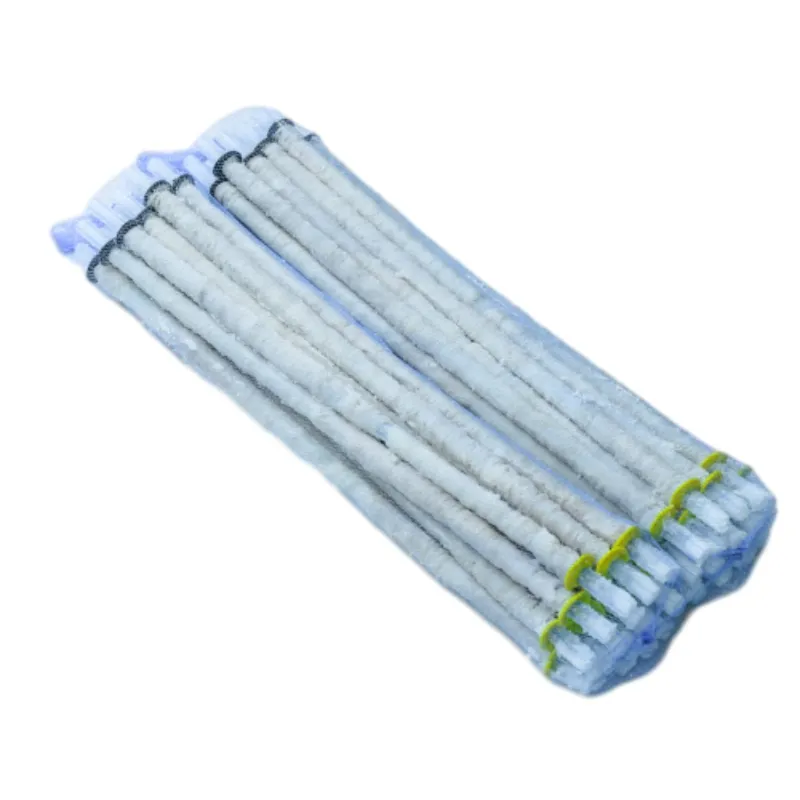
From tiny snack-sized casings for snack sticks to large hog casings for salamis, manufacturers often customize diameters, thickness, and textures to suit diverse products. This versatility is integral to meeting cultural and product-specific needs.
Mini Takeaway: The manufacturing process is a delicate blend of art and science, addressing practical needs with rigorous standards.
Worldwide Applications and Who Benefits
Globally, dried sausage casing manufacturers serve various sectors:
- Traditional Meat Markets: In Germany, Italy, and Spain, centuries-old sausage recipes rely on top-notch casings to maintain authentic taste and texture.
- Large Meat Processing Plants: In the US, Brazil, and China, enormous processing facilities demand bulk-quality dried casings to produce millions of sausages monthly.
- Disaster Relief Agencies: Organizations distributing ready-to-eat protein solutions benefit from shelf-stable, natural casings to package nutrient-dense sausages.
- Exporters and Importers: Countries with limited livestock but large consumption rely on imported dried casings to keep their meat industries alive.
For example, a recent collaboration in Eastern Europe involved a dried sausage casing manufacturer supplying disaster-affected zones with protein capsules—small sausages packed with nutrients and shelf-stable thanks to quality casings. It’s food security wrapped in a natural sheath.
Advantages & Long-Term Values of Investing in Quality Dried Sausage Casings
Why should producers care? Here’s the deal:
- Cost Savings: Reduced spoilage means less waste and more profit.
- Sustainability: Natural casings are biodegradable; they beat synthetic alternatives hands-down on eco-friendliness.
- Trust and Safety: Premium casings enhance brand reputation by reducing contaminants.
- Emotional Connection: Artisans feel pride using traditional casings, which connect consumers to heritage.
- Innovation Potential: New drying methods lower energy use, pushing the industry forward.
Product Specification Table
| Specification | Typical Range | Notes |
|---|---|---|
| Diameter (mm) | 16 - 40 | Varies by sausage type |
| Moisture Content (%) | 12 - 18 | Optimized for storage |
| Shelf Life (months) | 12 - 24 | Stored in ambient conditions |
| Material Origin | Porcine, Bovine, Sheep | Certified sources only |
| Certification | ISO 22000, HACCP | Standard compliance |
Leading Vendors Compared: What Sets Them Apart?
| Vendor | Production Capacity (tons/year) | Key Markets | Unique Selling Point | Average Price (per kg) |
|---|---|---|---|---|
| Prima Casings Ltd. | 4,500 | Europe, North America | Sustainably sourced, organic-certified | $16.50 |
| MeatSkin Co. | 7,000 | Asia, Middle East | Custom diameter manufacturing | $14.30 |
| RT Casing Corp. | 5,200 | Worldwide | Advanced drying tech, global logistics | $15.00 |
Looking Ahead: Trends and Innovation in Sausage Casing Manufacturing
Technology isn’t standing still. Smart manufacturing is creeping into the sausage casing world—automation not only boosts scalability but also enhances quality control by minimizing human error. Digital traceability is a game-changer for exporters who want real-time assurance on batch origins and safety compliance.
There’s also a growing push toward sustainability. Innovations like renewable energy-powered dryers and renewable packaging solutions are gradually becoming industry standards. Some research labs are even experimenting with bioengineered casings—hybrids that retain natural texture but enhance shelf life and reduce environmental impact.
Common Hurdles—and How Industry Experts Tackle Them
Challenges like inconsistent supply of natural raw materials, energy-intensive drying processes, and complex international food regulations prove tricky. However, manufacturers often partner with livestock farms for steady sourcing and adopt solar-assisted drying techniques to cut costs and reduce carbon footprints.
Regulatory challenges are met through close collaboration with certifying bodies and frequent audits, ensuring smoother export-import logistics. It turns out, a strong relationship between farmer, manufacturer, and distributor is essential... layering trust just like the casing itself.
Frequently Asked Questions About Dried Sausage Casing Manufacturers
- Q: What are the main benefits of using dried sausage casings over fresh ones?
- A: Dried casings offer a longer shelf life (up to two years), easier storage, and consistent quality, which is invaluable for large-scale sausage production or long-distance shipping.
- Q: How do manufacturers ensure food safety with natural casings?
- A: Through rigorous cleaning, sanitizing, drying procedures, and certifications such as ISO 22000 and HACCP. Regular lab testing guarantees absence of contaminants and pathogen control.
- Q: Can dried sausage casings be customized for different sausage styles?
- A: Yes, manufacturers provide various diameters and thicknesses tailor-made to specific product needs, from small snack sausages to large artisanal salamis.
- Q: Are dried natural casings environmentally friendly?
- A: Absolutely. Since they're natural and biodegradable, dried casings have a significantly lower environmental footprint compared to synthetic alternatives, making them a preferred choice among eco-conscious producers.
Conclusion: The Long-Term Promise of Dried Sausage Casing Manufacturers
In the end, dried sausage casing manufacturers quietly power vital aspects of the global food ecosystem—from preserving tradition to meeting modern supply chain demands. By balancing durability, quality, sustainability, and compliance, they help bring food to tables worldwide with safety and taste intact.
For producers wanting reliable, sustainable supply, embracing expert dried sausage casing partners is no longer optional. If you’re on that journey, dried sausage casing manufacturer options like RT Casing Corp. offer advanced technology and global reach to match your ambitions. Worth a look, I’d say.