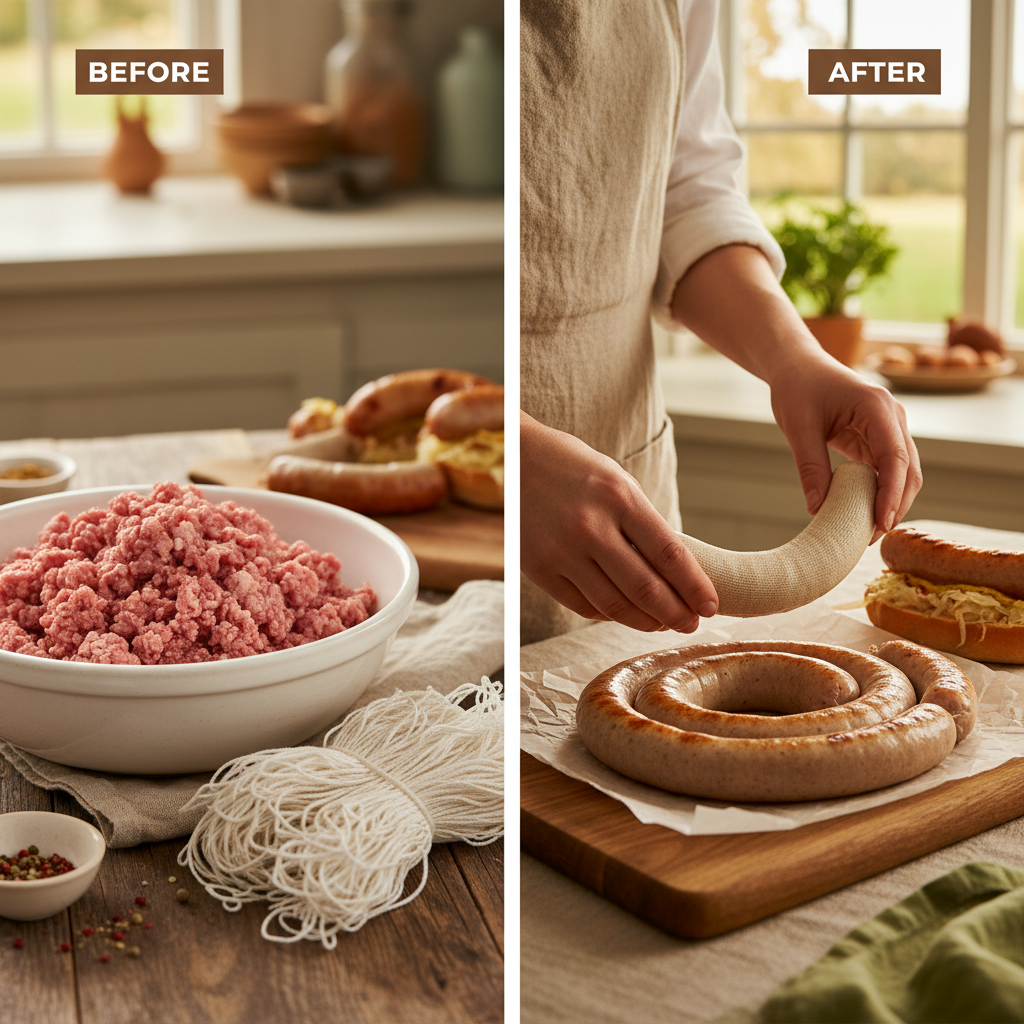
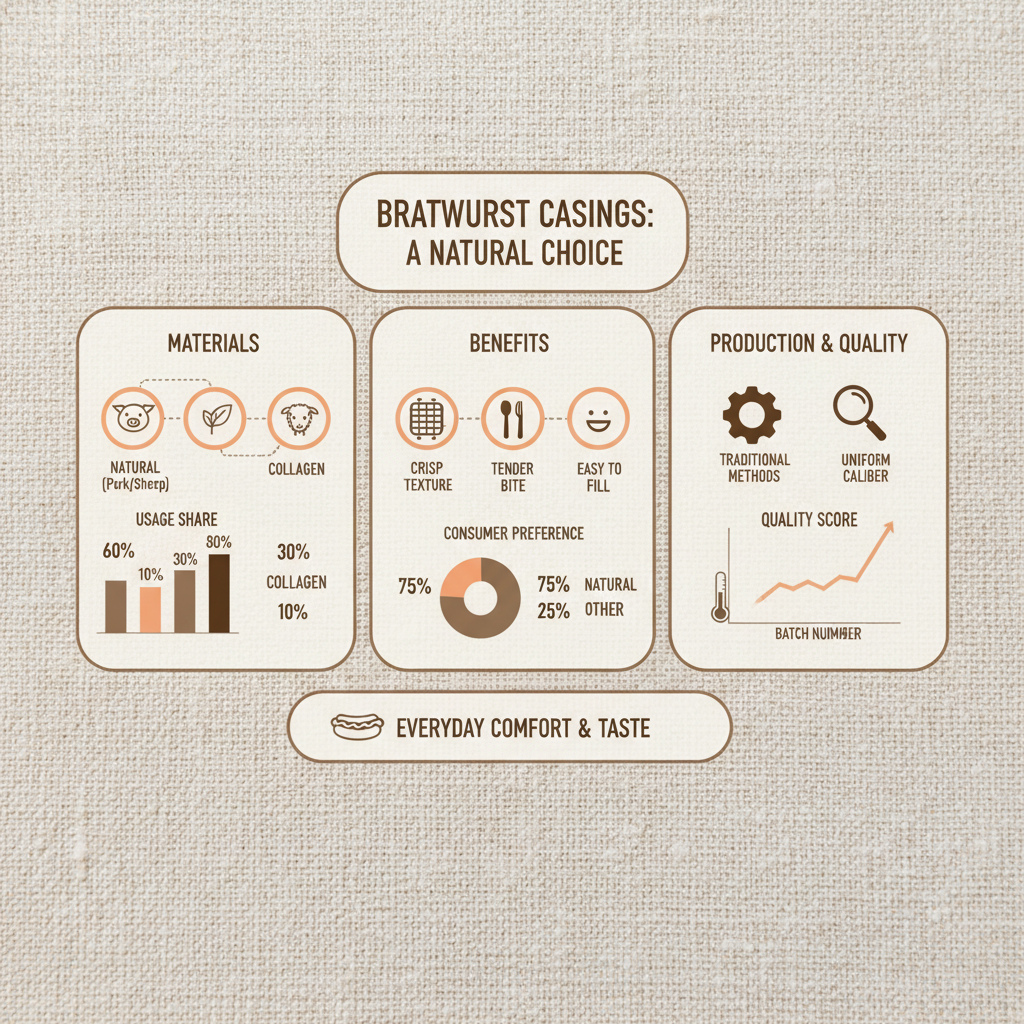
Look, I’ve been tracking the evolution of bratwurst casing for over fifteen years, and it’s not just about keeping the meat inside anymore. It's a surprisingly crucial part of the modern food supply chain, impacting everything from production efficiency to food safety standards globally. We're talking about a multi-billion dollar industry, driven by increasing demand for processed meats and stringent quality controls, particularly in regions like Europe and North America. Understanding the nuances of these casings – natural vs. synthetic, collagen vs. cellulose – isn’t some academic exercise; it's about minimizing waste, maximizing output, and getting a quality product to consumers.
It’s easy to dismiss bratwurst casing as a minor component, but you spend a few weeks on a processing plant floor, and you quickly realize its importance. It dictates line speeds, influences product yield, and directly affects shelf life. The pressures on manufacturers are immense. They're battling rising material costs, tighter regulations around food additives, and a consumer base demanding both convenience and quality. A seemingly simple casing can make or break a production run, impacting the bottom line significantly.
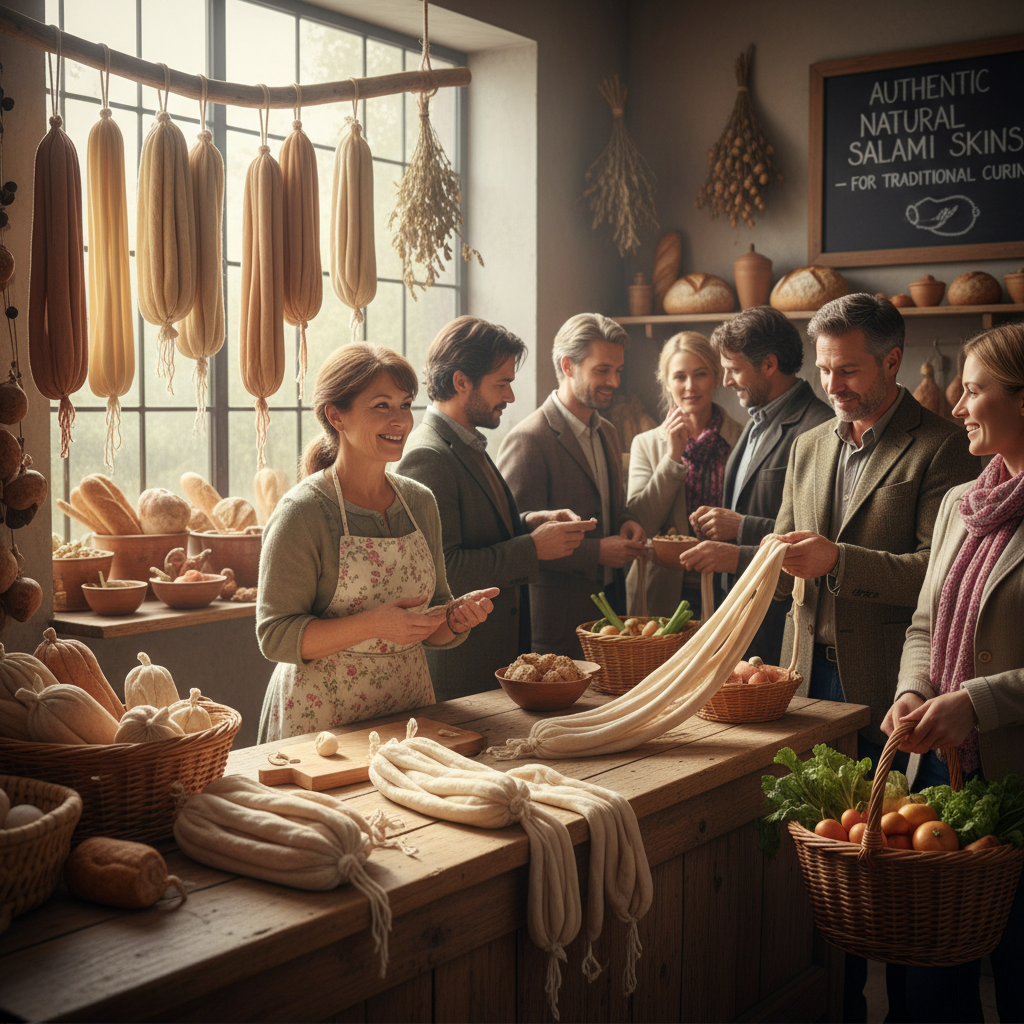
And it’s not just about big industry. Think about the artisanal sausage makers, the small-batch producers striving for authenticity. They rely on high-quality natural casings to achieve that perfect snap and texture, setting their products apart in a competitive market. This segment demands traceability and consistency, pushing manufacturers to innovate in sustainable sourcing and production methods. The entire ecosystem, from farm to fork, depends on reliable, high-performing bratwurst casing.
The Core Fundamentals of bratwurst casing
At its heart, bratwurst casing provides a structural boundary for the sausage, dictating its shape and preventing the filling from spilling during processing and cooking. But it’s far more complex than just a container. The material properties – elasticity, permeability, strength – directly impact the final product’s texture, bite, and shelf life. The choice between natural casings (derived from animal intestines) and synthetic casings (collagen, cellulose, plastic) boils down to a trade-off between cost, performance, and consumer perception.
We spend a lot of time evaluating different casing types on the line. It's about finding the sweet spot where you can maintain high production speeds without compromising product integrity. A weak casing means rejects, downtime, and lost revenue. A casing that doesn't breathe properly can lead to bursting during cooking. It's a constant balancing act, driven by data and practical experience. That’s why working with a reliable supplier who understands these intricacies is absolutely critical.
The Global Significance of Bratwurst Casing
The demand for bratwurst and other sausages is global, and it’s growing, particularly in emerging markets. Look at Asia, for example – the appetite for processed meats is skyrocketing. This creates an enormous strain on the global casing supply chain. We’re talking about millions of kilometers of casing needed annually, sourced from a limited number of suppliers. Factors like animal disease outbreaks (like African Swine Fever) can disrupt the supply of natural casings, driving up prices and forcing manufacturers to explore alternative materials.
Sustainability is also becoming a major driver. Consumers are increasingly concerned about the environmental impact of food production, including the sourcing of animal-derived materials. This is pushing manufacturers to invest in more sustainable casing options, like cellulose casings made from wood pulp, or collagen casings derived from by-products of the meat industry. The regulatory landscape is also tightening, with stricter standards for food safety and traceability, further complicating the supply chain.
The ISO 22000 certification for food safety management systems is practically a baseline requirement now for any serious casing supplier. And with growing concerns about antimicrobial resistance, maintaining a clean and hygienic casing production process is more important than ever. It's not just about meeting regulations; it’s about protecting public health.
Defining Bratwurst Casing: A Practical Perspective
Simply put, bratwurst casing is the outer covering used to contain the sausage mixture during processing and cooking. But that definition undersells its complexity. The casing isn’t just a passive container; it actively participates in the cooking process, influencing moisture retention, smoke penetration, and the final texture of the sausage. Think about a perfectly cooked brat – that satisfying snap when you bite into it is directly related to the properties of the casing.
The connection to modern industry and humanitarian needs is indirect but crucial. Efficient and safe food production relies heavily on consistent, reliable casing supplies. In large-scale food processing facilities, using the wrong casing can lead to massive recalls and significant financial losses. In disaster relief situations, providing shelf-stable, nutritious food is paramount, and proper casing contributes to maintaining product integrity and extending shelf life.
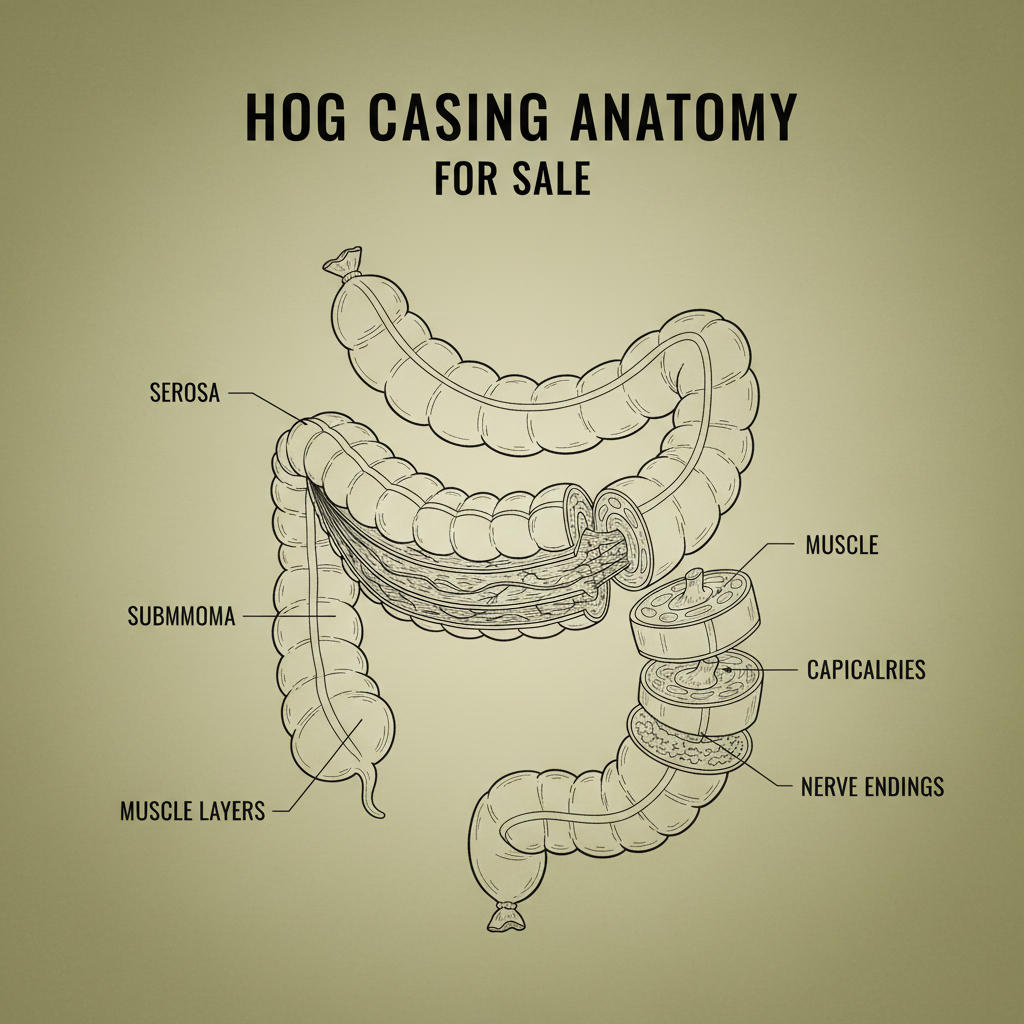
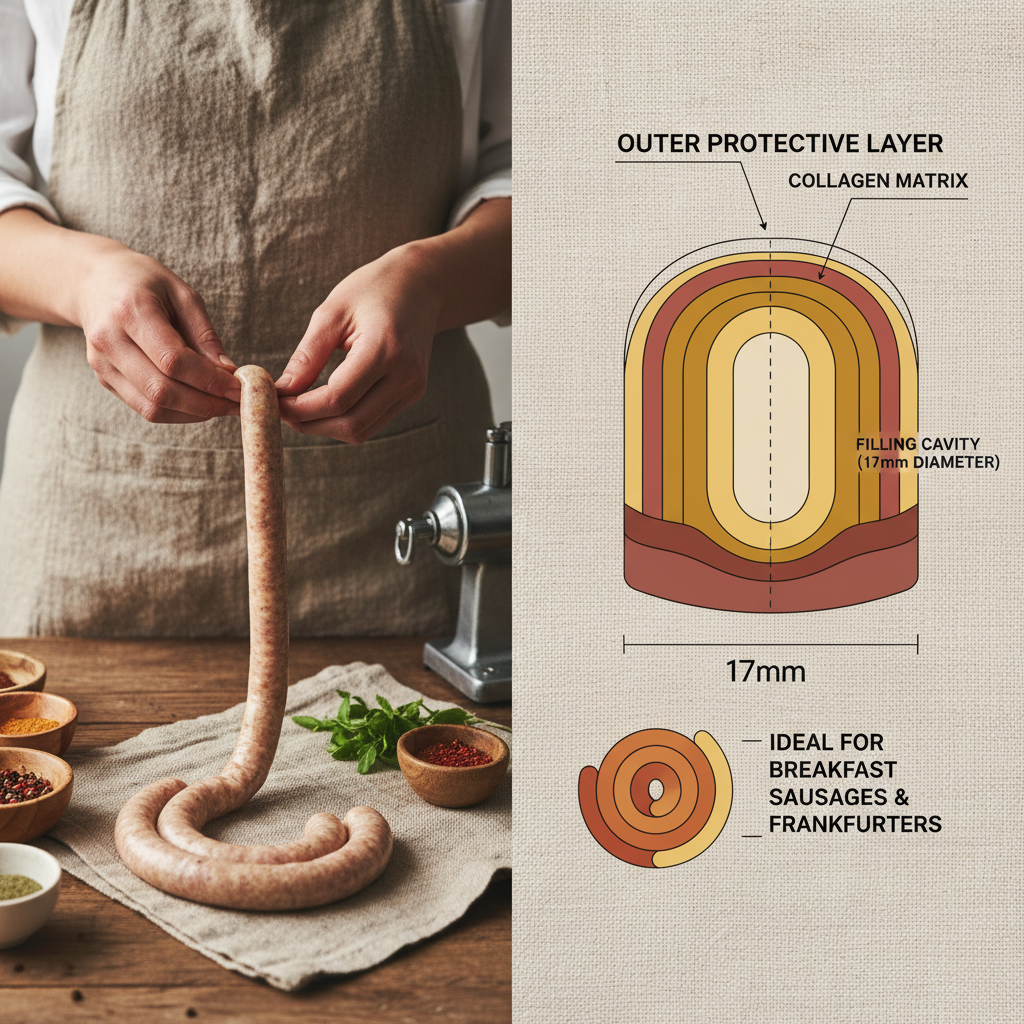
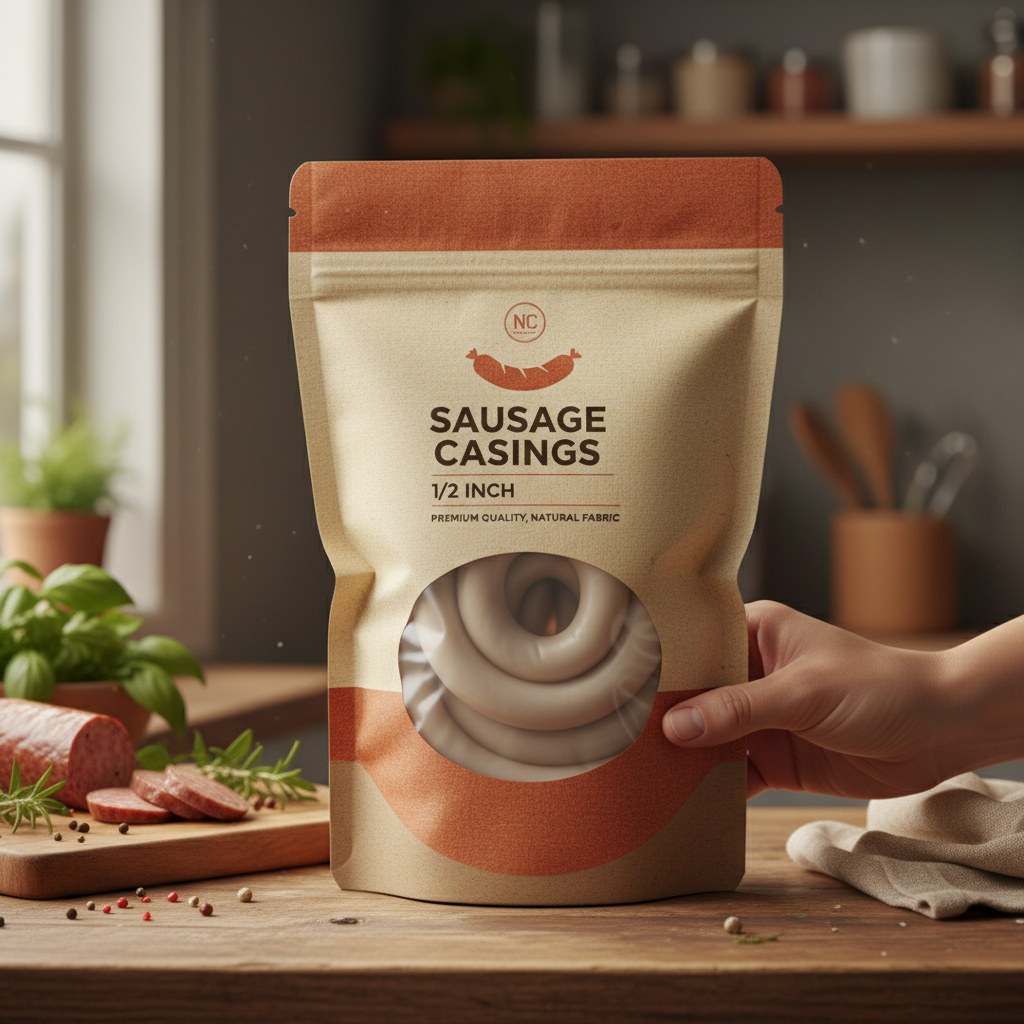
Understanding the different types – natural hog casings, natural sheep casings, collagen casings, cellulose casings, plastic casings – is fundamental. Each type has its own unique characteristics, advantages, and disadvantages, making the selection process a critical step in sausage production. It’s not a one-size-fits-all situation.
Key Performance Indicators of Bratwurst Casing
We look at a few key metrics when evaluating a bratwurst casing. First, Tensile Strength: How much force can the casing withstand before tearing? Higher strength means fewer breaks during processing. Second, Elastity/Stretch: How much can the casing expand during stuffing and cooking? Good elasticity prevents bursting.
Third, Permeability: How easily do gases and moisture pass through the casing? This affects smoke penetration and drying rates. Fourth, Consistency: Is the casing uniform in size and thickness? Variations lead to inconsistent products. Fifth, Shrinkage: How much does the casing shrink during cooking? Too much shrinkage can cause the sausage to separate from the casing.
Bratwurst Casing Performance Comparison
Real-World Applications of Bratwurst Casing
You see it everywhere. In large-scale processing plants churning out millions of sausages annually, collagen casings are often preferred for their consistency and cost-effectiveness. In smaller, artisanal operations, natural hog casings are prized for their superior texture and “snap.” In specialized applications, like dry-cured sausages, natural casings are essential for proper drying and flavor development.
We’ve also seen increased use of cellulose casings in situations where the casing needs to be removed after cooking, like in certain types of skinless sausages. In post-disaster relief operations, pre-cooked sausages in durable, hermetically sealed casings can provide a vital source of protein for affected populations. Even in remote industrial zones where refrigeration is limited, properly cased sausages can offer a stable and nutritious food supply.
The Long-Term Value Proposition of Superior Casing
Investing in high-quality bratwurst casing isn’t just about immediate cost savings; it's about building a sustainable and reliable production process. A casing that minimizes breaks and rejects reduces waste, lowers labor costs, and increases overall efficiency. A casing that extends shelf life reduces spoilage and improves product freshness, boosting customer satisfaction.
It's about trust. Consumers want to know that the food they're eating is safe, consistent, and high-quality. A reliable casing contributes to that perception of quality, building brand loyalty and driving sales. There's a real emotional component to it, too. A perfectly cooked bratwurst, with its satisfying snap and juicy flavor, is a source of enjoyment for millions of people. And that’s a value you can’t put a price on.
From a sustainability perspective, choosing casings sourced from responsibly managed suppliers reduces environmental impact and supports ethical farming practices. That’s a value that resonates with increasingly conscious consumers.
Future Trends & Innovations in Bratwurst Casing
We’re starting to see a lot of interest in bio-based casings, made from renewable resources like seaweed or agricultural waste. These materials offer a more sustainable alternative to traditional casings, and they’re constantly improving in terms of performance and cost. Another trend is the development of “smart” casings with embedded sensors that can monitor temperature, humidity, and other critical parameters throughout the supply chain.
Automation is also playing a bigger role. We’re seeing more sophisticated casing loading and linking equipment that can increase production speeds and reduce labor costs. Digital transformation – using data analytics to optimize casing performance and predict potential issues – is becoming increasingly important.
The push for cleaner labels is driving innovation in casing formulations, with manufacturers seeking to reduce or eliminate the use of artificial additives. Ultimately, the future of bratwurst casing is about finding a balance between sustainability, performance, and cost-effectiveness.
Summary of Challenges and Solutions in Bratwurst Casing
| Challenge |
Impact on Production |
Proposed Solution |
Expected Outcome |
| Supply Chain Disruptions (e.g., ASF) |
Increased casing costs, potential production delays. |
Diversify sourcing, explore alternative casing materials (collagen, cellulose). |
Reduced reliance on single source, mitigated price volatility. |
| Inconsistent Casing Quality |
Increased reject rates, reduced yield. |
Implement stricter quality control measures with suppliers, utilize advanced testing equipment. |
Improved product consistency, reduced waste. |
| Sustainability Concerns |
Negative consumer perception, potential regulatory pressure. |
Source casings from sustainable suppliers, invest in bio-based casing options. |
Enhanced brand image, reduced environmental footprint. |
| Rising Material Costs |
Reduced profit margins, increased product prices. |
Optimize casing usage, negotiate favorable contracts with suppliers. |
Improved cost efficiency, maintained profitability. |
| Regulatory Compliance |
Potential for recalls, legal penalties. |
Ensure all casings meet relevant food safety standards, maintain thorough documentation. |
Reduced risk of recalls, maintained compliance. |
| Labor Intensive Casing Loading |
High labor costs, potential for human error. |
Invest in automated casing loading equipment. |
Reduced labor costs, increased production efficiency. |
FAQS
That’s a common question. Natural casings offer superior bite and texture – that ‘snap’ people love – but they’re more expensive and subject to supply fluctuations. Synthetic casings, like collagen, are more consistent in size and strength, cheaper, and readily available, but they don’t quite replicate the same sensory experience. It really depends on the product and target market. I’ve seen plants switch back and forth depending on ingredient costs.
Permeability is critical. You want the casing to allow enough smoke penetration to impart flavor and color, but not so much that it dries out too quickly or becomes brittle. Natural casings are more permeable than most synthetics. Controlling humidity and temperature during smoking is key, regardless of the casing type. Too little permeability and your smoke flavor is weak; too much and you get a dry, unpleasant product.
A few things. First, make sure the casing is properly hydrated. Second, control the stuffing pressure – too much pressure will cause it to rupture. Third, inspect the casing for defects before stuffing. Finally, ensure your meat mixture isn’t too coarse or contains any bone fragments. Proper preparation is 90% of the battle.
Absolutely. Cellulose casings are derived from wood pulp and are completely plant-based, making them a suitable option for vegan and vegetarian sausages. They are also easily removed after cooking, which is often desired for these products. However, their strength and elasticity may not be as high as some synthetic alternatives, so careful handling is required.
Generally, collagen casings offer the best shelf life due to their excellent barrier properties. Natural casings, while providing superior flavor, tend to have a shorter shelf life. Cellulose casings fall somewhere in the middle. Proper vacuum packaging and refrigeration are crucial regardless of the casing type to maximize shelf life and prevent spoilage.
It’s paramount. Consumers are increasingly concerned about where their food comes from and how it’s produced. Traceability ensures that you can track the casing from its origin to the finished product, verifying its quality and safety. Sourcing from reputable suppliers who adhere to ethical and sustainable practices is crucial for building trust and maintaining brand integrity.
Conclusion
We’ve covered a lot here, but the key takeaway is that bratwurst casing isn’t just a commodity; it's a critical component of the entire sausage-making process. From influencing product quality and shelf life to impacting sustainability and cost-effectiveness, the right casing can make all the difference. Understanding the nuances of each type, staying abreast of emerging technologies, and prioritizing reliable sourcing are essential for success in this industry.
Looking ahead, innovation in bio-based materials, automation, and data analytics will continue to reshape the landscape of bratwurst casing. Manufacturers who embrace these advancements will be well-positioned to meet the evolving demands of consumers and thrive in a competitive market. If you’re looking for expert advice or high-quality casing solutions, visit our website to learn more.