Jan . 01, 2026 01:40
Sheep Casing Manufacturer: Quality and Precision in Every Link
If you’ve spent any time in food processing or industrial packaging, you’ve likely noticed the critical role that sheep casing manufacturers play in delivering consistent product quality. Frankly, this niche craft sometimes flies under the radar, but after working alongside producers and engineers in the industrial equipment sector for years, I must say it’s a fascinating intersection of tradition, science, and precision.
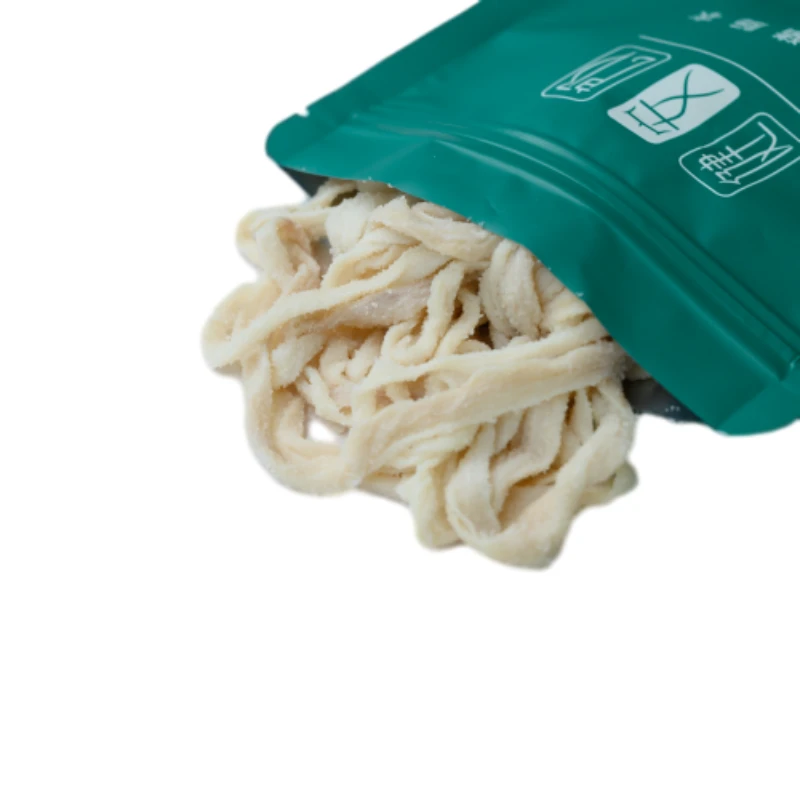
Sheep casings—natural, thin, and supple—are a cornerstone in the sausage and cured meat industries worldwide. I recall visiting a producer in Europe where they treated these casings almost like heirlooms, but behind the scenes, the manufacturing process is a careful balance of hygiene, material science, and quality control. Oddly enough, despite being "natural," the casings undergo rigorous testing and cleaning to meet modern food safety standards. This makes the role of a reliable sheep casing manufacturer not just a supplier but a critical partner in product safety and innovation.
Materials and Manufacturing Insights
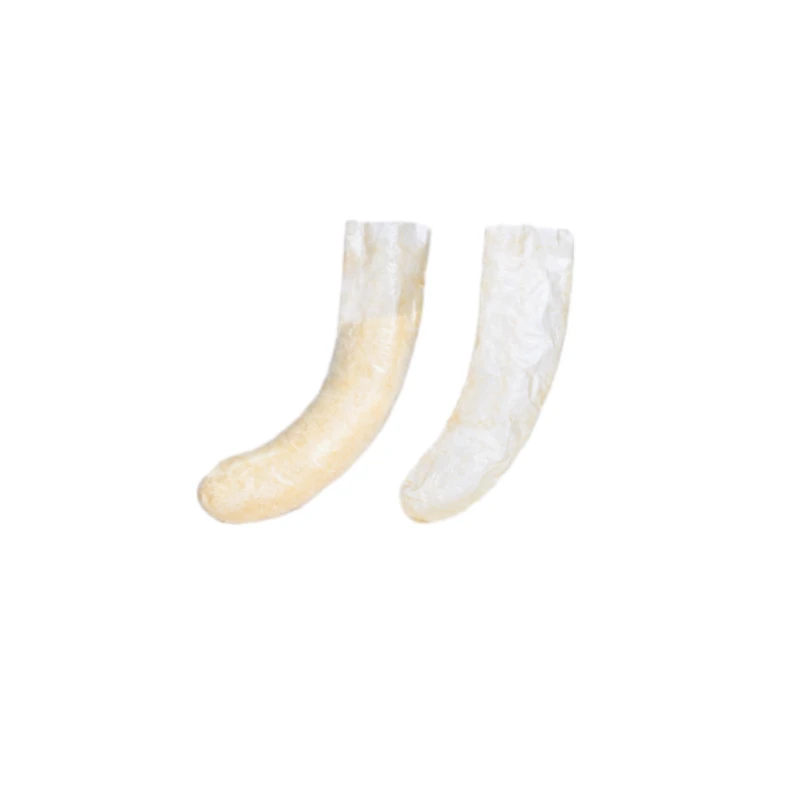
In real terms, sheep casings are derived from the submucosa layer of the sheep’s intestine. The thickness typically ranges from 16 to 22 gauge, depending on the intended use. Manufacturers carefully sort and grade the casings by diameter and texture. I noticed that many engineers say quality varies more significantly due to natural material differences, so standardization can be tricky.
Modern sheep casing manufacturers have adopted advanced washing, desalting, and sterilization techniques—often involving lactic acid treatments—to ensure cleanliness. It’s a sort of blending of old-world know-how with modern hygiene protocols. What’s fascinating is that some manufacturers also offer customized casing dimensions or pre-treated options based on customer requirements, which frankly can be a major production lifesaver.
Product Specifications
| Feature | Typical Values | Notes |
|---|---|---|
| Diameter Range | 16–28 mm | Sizing critical for target sausage type |
| Thickness | ~20 gauge (0.25 mm) | Thin enough for ease of peeling and bite |
| Material | Natural sheep intestine | Naturally sourced and biodegradable |
| Processing | Washed, desalted, sterilized | Meets food safety certifications |
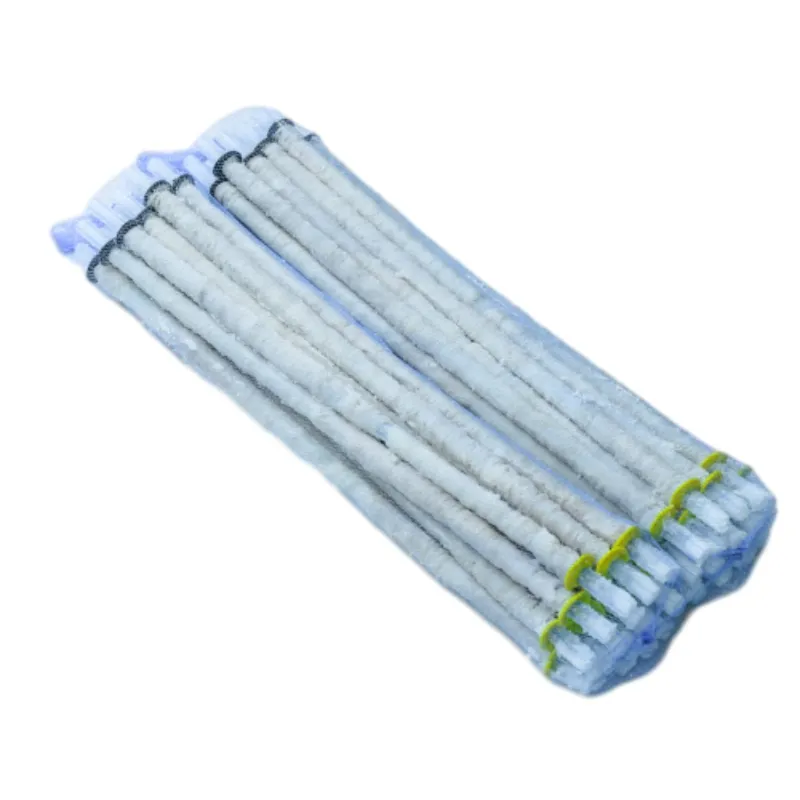
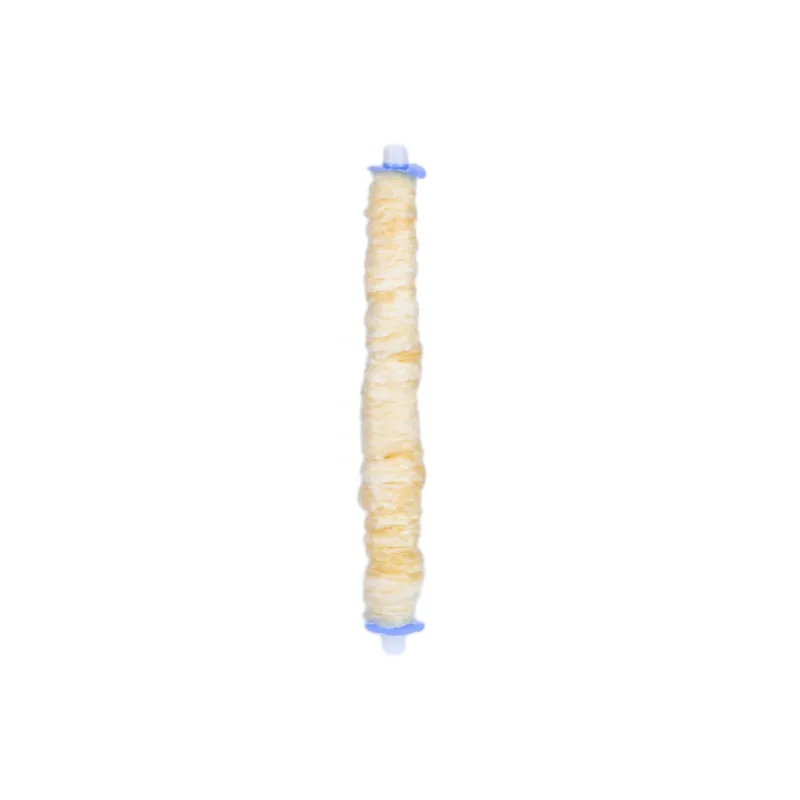
| Packaging | Bundled in calibrated lengths | Prevents damage during shipping |
Comparing Key Sheep Casing Vendors
| Manufacturer | Quality | Customization | Lead Time | Price Range |
|---|---|---|---|---|
| RTCasing | Premium, consistent grades | Custom diameters & treatments available | 4-6 weeks | Mid-to-high |
| Vendor B | Good, some variability | Limited options | 3-5 weeks | Low-to-mid |
| Vendor C | Specialty artisan grades | Highly specialized | 8+ weeks | High |
Real-World Application & Customer Story
I remember a small specialty sausage producer who struggled with casing inconsistencies — their product was suffering because of occasional tearing and shrinkage during smoking. Switching to a trusted sheep casing manufacturer with calibrated sizing and a reliable supply chain, they saw their yields improve dramatically. It felt like a simple fix but made a huge difference to the product’s mouthfeel and shelf-life. Things like this always remind me how crucial these “hidden” suppliers are in the food industry.
All in all, whether you’re scaling a production line or fine-tuning an artisanal batch, understanding the nuances of sheep casings from a manufacturer perspective can save headaches and elevate the final product.
If you want a go-to supplier who knows the ropes, I’d recommend having a look at this sheep casing manufacturer. Their blend of tradition, quality control, and customization options is frankly hard to beat.
To wrap it up: great sheep casings matter—a lot more than most imagine.
References:
1. Industry reports on natural casing manufacturing
2. Interviews with sausage production engineers (2023)
3. Supplier quality assurance documentation