Nov . 10, 2025 13:45
How To Use Dry Sausage Casing is a key solution in the food industry, specifically within Meat processing and Edible casing. This article explores how RUNTAI (HEBEI)CASING CO.,LTD. supports professionals with durable, high-performance dried hog casings and explains why this product is an ideal choice for businesses in these sectors.
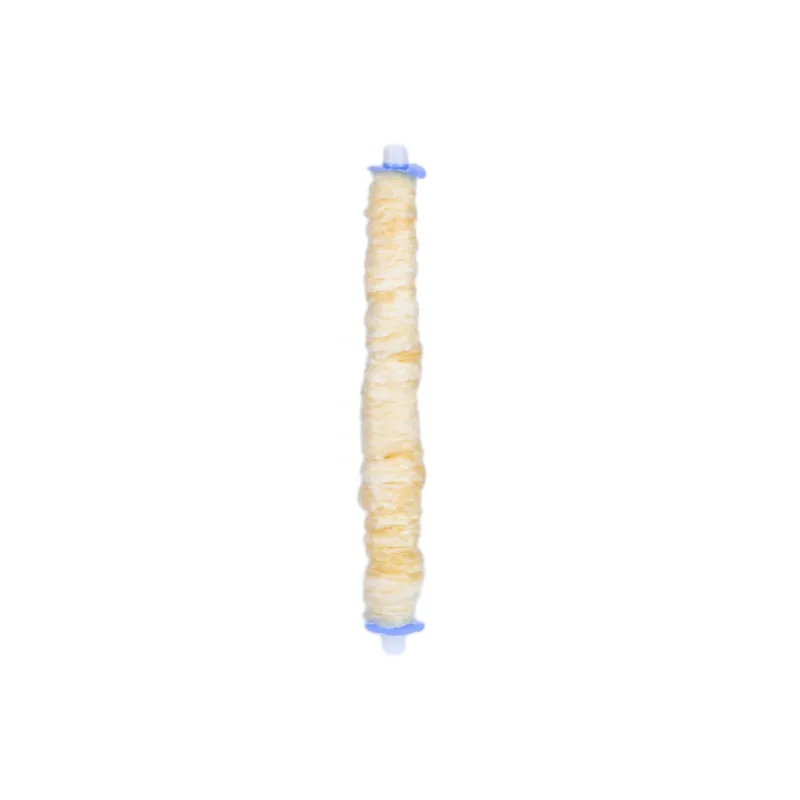
Table of Contents
- How To Use Dry Sausage Casing Overview
- Benefits & Use Cases of How To Use Dry Sausage Casing in Edible casing
- Cost, Maintenance & User Experience
- Sustainability & Market Trends in food industry
- Conclusion on How To Use Dry Sausage Casing from RUNTAI (HEBEI)CASING CO.,LTD.
How To Use Dry Sausage Casing Overview
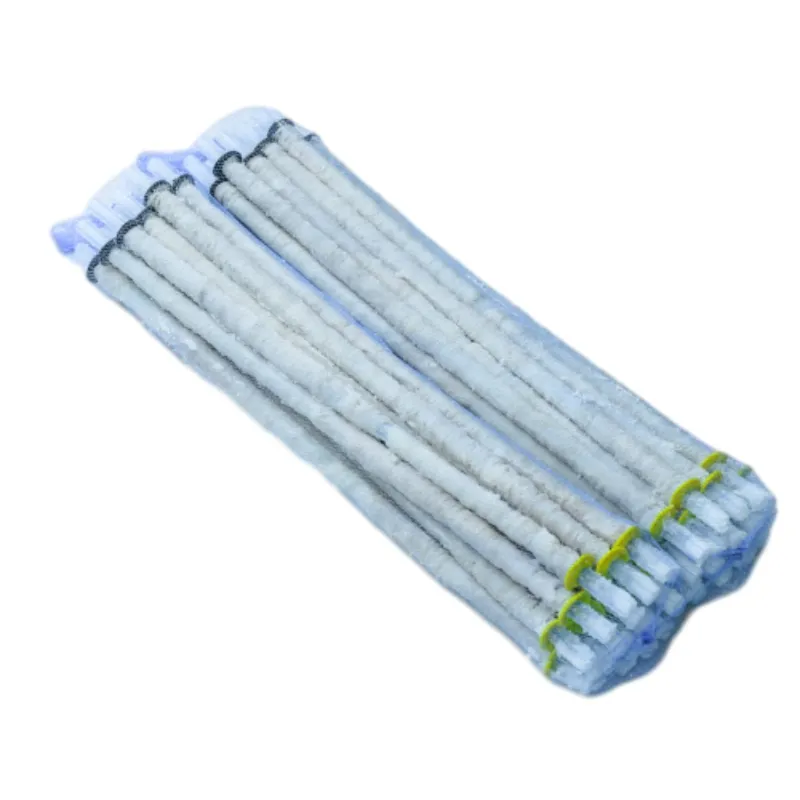
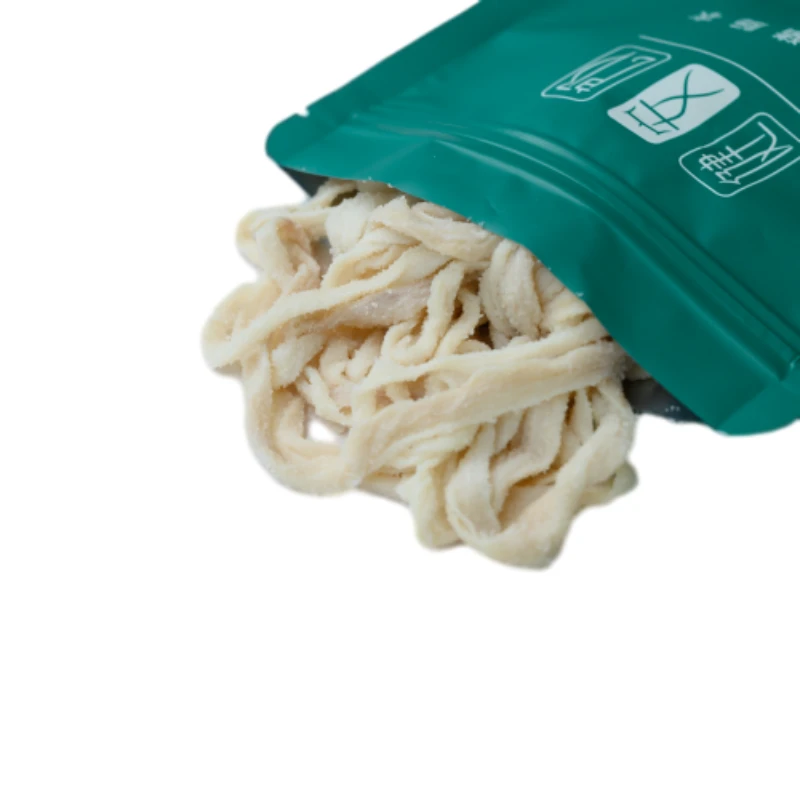
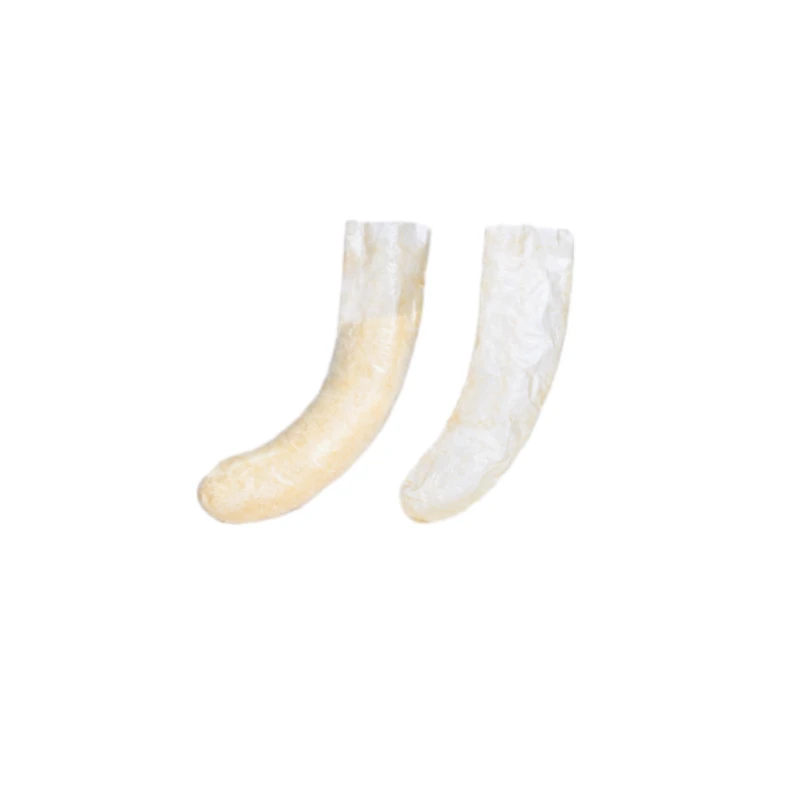
Dry sausage casings—often called dried hog casing or dried sausage casings—are natural hog intestines that have been carefully cleaned, graded by caliber, salted, and gently dried for shelf-stable storage. In meat processing, they deliver the classic snap, smoke permeability, and artisanal look that premium consumers demand, while giving industrial lines the consistency and throughput they need. RUNTAI (HEBEI)CASING CO.,LTD. supplies calibrated, uniform dried hog casings in common sizes (e.g., 28/30, 30/32, 32/35, 35/38 mm) and standard hanks, with options such as pre-tubed sets for faster loading.
How to use dry sausage casing in production is straightforward when you follow best practice: soak, flush, load, and stuff. Typical rehydration is 20–30 minutes in clean water at 30–35°C; add a pinch of salt or a small dose of food-grade vinegar to enhance pliability if needed. After soaking, flush the casing inside with lukewarm water to remove residual salt, then slide onto the stuffing horn (pre-tubed casings can reduce setup time significantly). Stuff to the recommended fill pressure for the caliber, link consistently, and proceed to smoking, fermentation, or drying according to your recipe. RUNTAI’s process control and stringent QC help processors achieve low burst rates and consistent caliber across batches.
Benefits & Use Cases of How To Use Dry Sausage Casing in Edible casing
Dried sausage casing supports a wide range of products: fermented salami and pepperoni, semi-dry sausages, smoked links, and regional specialties like chorizo or kabanos. Natural permeability allows smoke and moisture exchange for authentic flavor development and controlled drying, while the natural bite enhances consumer perception of quality. For high-speed lines, pre-tubed dried hog casings streamline horn loading and cut changeover time; for artisanal makers, traditional hanks provide flexibility across batch sizes.
Key advantages for B2B processors include consistent caliber for predictable yields, robust tensile strength for lower breakage during stuffing, and a shelf-stable format that simplifies inventory management compared with wet casings. RUNTAI (HEBEI)CASING CO.,LTD. emphasizes tight grading, thorough cleaning, and careful drying to deliver uniform casings with neutral odor and excellent elasticity. The company’s technical team assists with casing selection by application—matching calibers and presentation (pre-tubed vs. loose hanks) to your equipment, formulation, and target sensory profile—so you can translate “how to use dry sausage casing” best practices into repeatable line performance.
Cost, Maintenance & User Experience
Total cost of ownership for dried hog casings is attractive: the product is compact, ambient-stable, and easy to warehouse, reducing cold-chain burden and shrink. Extended shelf life helps harmonize purchasing with seasonal demand, and consistent caliber supports accurate portioning and yield. Processors often report fewer blowouts when casings are properly soaked and flushed, which reduces rework, downtime, and giveaway—direct improvements to ROI. Pre-tubed dried sausage casings can further cut labor minutes per batch and help standardize operator technique across shifts.
Day-to-day maintenance is minimal: store in a cool, dry place away from direct sunlight, keep sealed to prevent over-drying, and rotate stock FIFO. After opening, re-seal unused casings with their original salt and keep in a controlled environment. From user feedback in the meat processing sector, RUNTAI casings earn positive marks for clean appearance, stable sizing, and reliable elasticity through long stuffing runs—attributes that make “how to use dry sausage casing” an operational routine rather than a troubleshooting challenge.
Sustainability & Market Trends in food industry
Natural dried sausage casings support circularity by upcycling a meat by-product into a high-value edible casing, reducing waste and aligning with clean-label preferences. Compared with synthetic alternatives, natural casings are biodegradable and offer a traditional sensory experience that consumers increasingly associate with authenticity. Regulatory expectations continue to emphasize traceability, hygienic processing, and allergen/label transparency; robust QA systems, GMP, and HACCP-aligned programs help suppliers and processors meet global market requirements while maintaining product integrity.
RUNTAI (HEBEI)CASING CO.,LTD. positions itself as a forward-thinking partner by prioritizing strict raw material selection, calibrated grading, and documented quality controls across the supply chain. As demand grows for premium charcuterie and regional flavors, the company’s portfolio of dried hog casings and service know-how enables manufacturers to scale recipes consistently across plants and markets. For decision makers seeking dependable sourcing, RUNTAI’s combination of technical guidance and reliable lead times offers a practical path to sustainable growth.
Conclusion on How To Use Dry Sausage Casing from RUNTAI (HEBEI)CASING CO.,LTD.
Mastering how to use dry sausage casing—soak, flush, load, and stuff—unlocks dependable production, authentic texture, and consistent yields across fermented, smoked, and semi-dry applications. RUNTAI (HEBEI)CASING CO.,LTD. delivers dried hog casings engineered for industrial efficiency and artisanal quality, backed by attentive service and rigorous QC. To specify calibers, request samples, or discuss pre-tubed options, contact us today.
- Contact us: email: runtai casings@163.com
- Visit our website: https://www.rtcasing.com