Oct . 08, 2025 22:55
Salted Sheep Casings: What Pros Are Buying Now
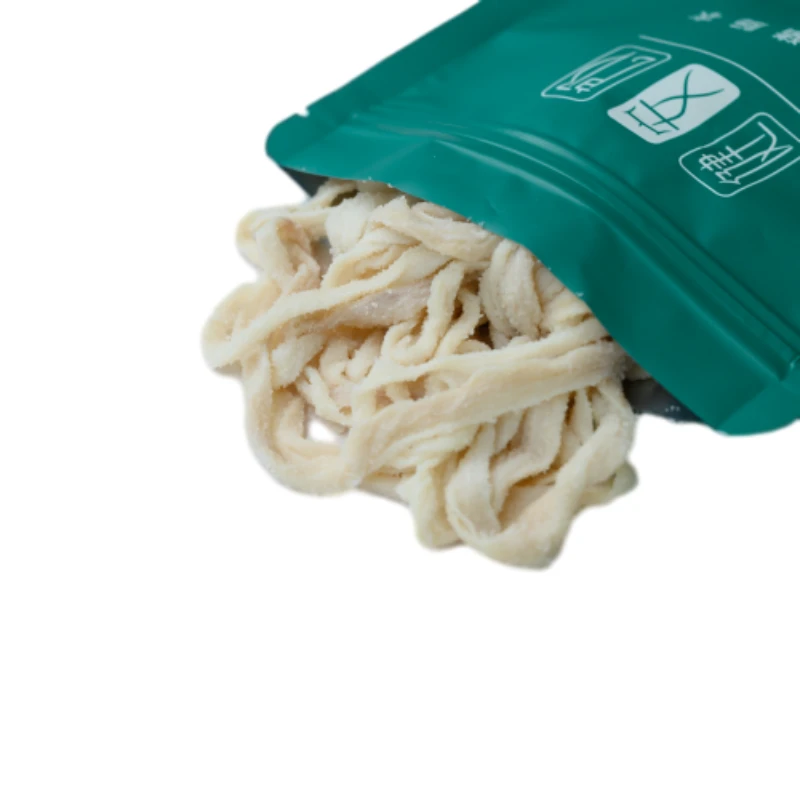
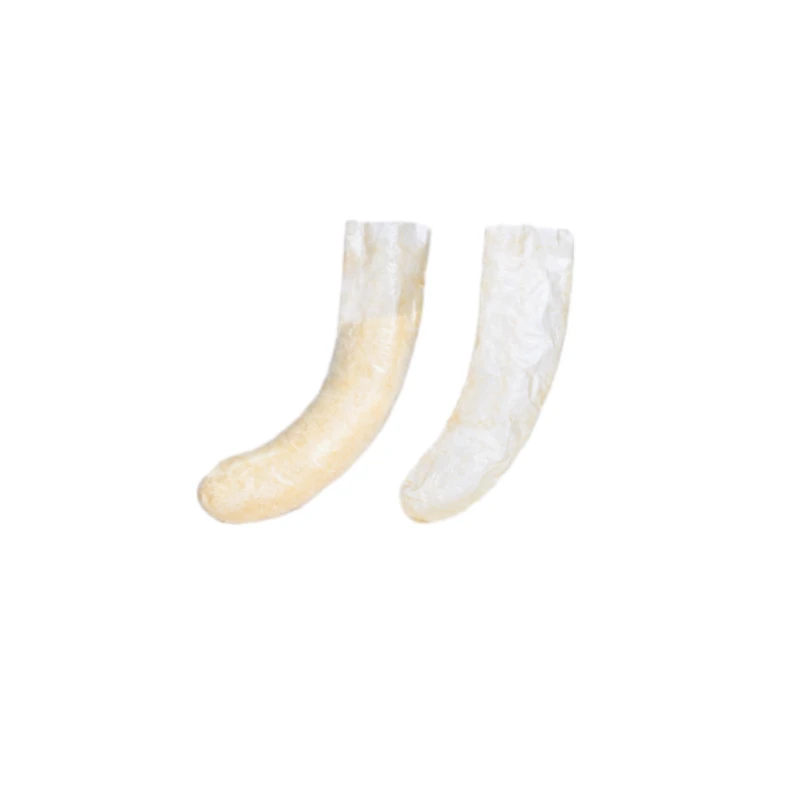
If you’re hunting for sheep casing for sale, you’ve probably noticed the market shifting. Demand for natural snap, cleaner labels, and consistent calibration is up—while the tolerance for blowouts is, understandably, zero. Our pick today: Salted Sheep Casings sourced from WEST PING’AN STREET, SHUNPING COUNTY, HEBEI, CHINA—where, to be honest, supply-chain control from slaughterhouse to final product is the whole story.
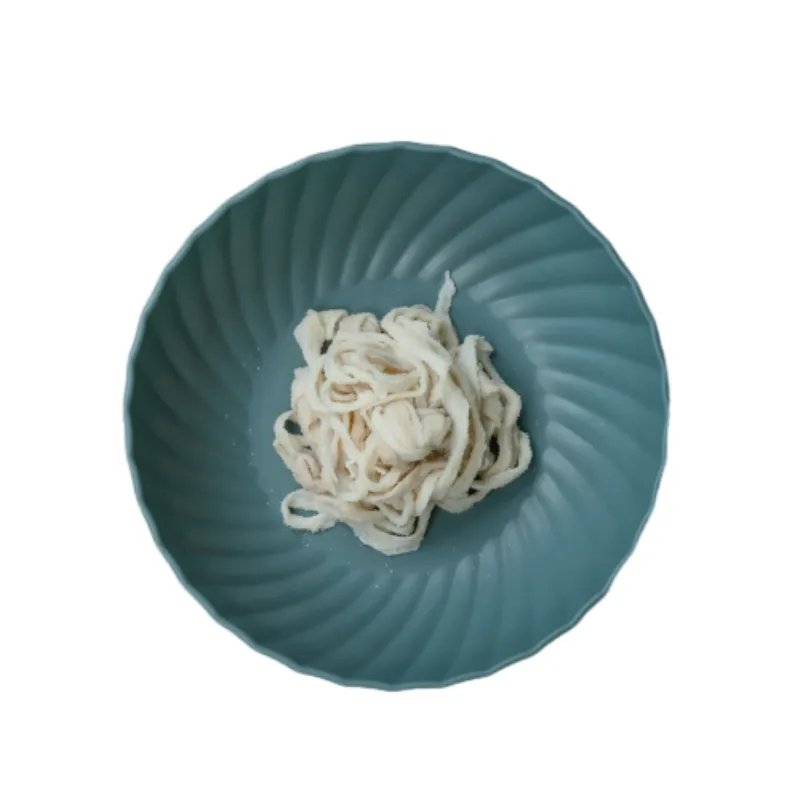
In fact, many customers say these perform like a “set-and-forget” casing for premium merguez, breakfast links, and snack sticks. The manufacturer’s line is simple: by controlling the chain end-to-end, quality doesn’t drift. It seems that’s what keeps craft butchers loyal.
Product Snapshot
| Spec | Details (≈ real-world) |
|---|---|
| Calibers | 16/18, 18/20, 20/22, 22/24, 24/26 mm (±0.5 mm typical) |
| Strand length | 90 m/hank; pre-tubed options available |
| Material & salt | Natural sheep small intestine; food-grade NaCl (≥96%) |
| Micro limits | APC <10³ cfu/g; Salmonella absent/25 g; E. coli <10 cfu/g (batch COA) |
| Water activity | aw ≈ 0.70–0.75 (salted) |
| Shelf life | 12–24 months at 0–10°C; keep salted and sealed |
| Packaging | Food-grade pails/drums; lot-coded with traceability |
How They’re Made (Short Version)
Materials: selected sheep small intestines from audited slaughterhouses. Methods: defatting, deslivering, flushing, calibration, salting, and resting. Testing: HACCP checkpoints, inline visual grading, microbiological sampling per COA. Service life is largely a factor of aw and cold storage management—keep it cool and salty.
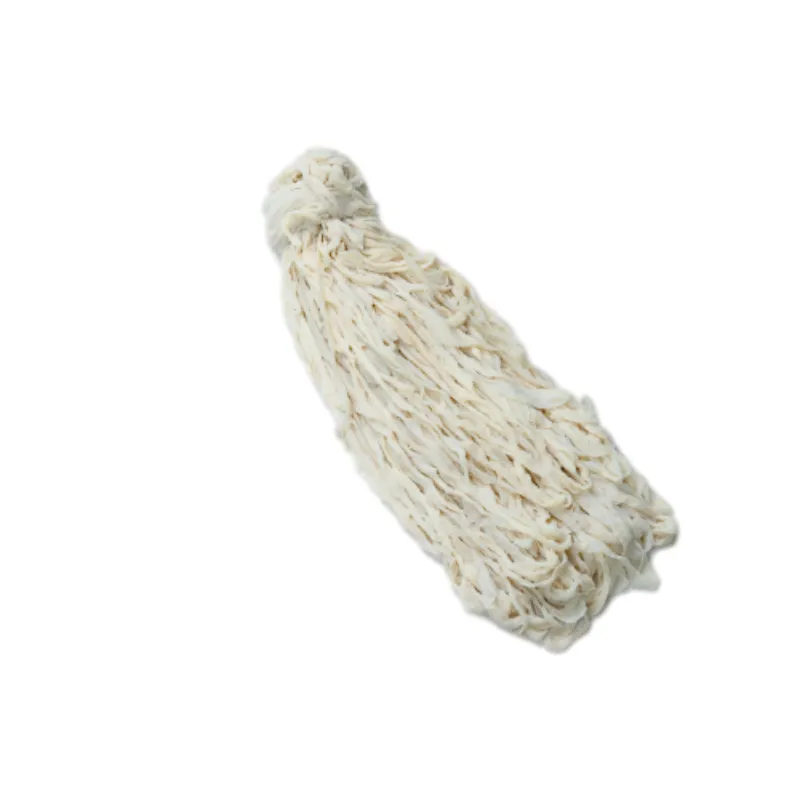
Compliance & standards: ISO 22000 food safety systems, Codex HACCP principles, EU 853/2004 hygiene requirements for animal by-products used as food, and U.S. FSIS directives for imported edible casings. Lot-level traceability is noted—useful when you’re scaling production or auditing suppliers.
Use Cases and Why Pros Choose It
- High-snap hot dogs and breakfast links (20/22 mm shines).
- North African-style merguez where uniformity matters.
- Snack sticks needing tight, clean appearance.
Advantages people mention: lower blowout rate, natural sheen, and that “clean bite.” I guess the real differentiator is calibration that doesn’t wander mid-run. If you need sheep casing for sale for a gluten-free or clean-label program, this fits—just remember, it’s natural, so minor variance happens.
Vendor Comparison (Quick Take)
| Vendor | Origin | Calibration | Certs | MOQ | Lead Time |
|---|---|---|---|---|---|
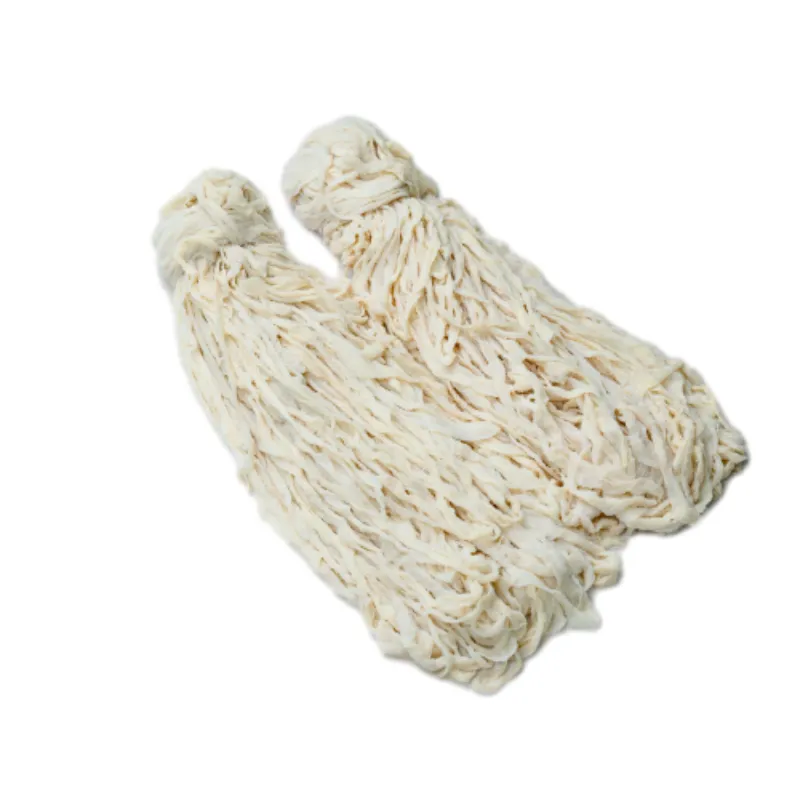
| Salted Sheep Casings (RT Casing) | Hebei, China | Tight (±0.5 mm) | ISO 22000, HACCP | Around 1 drum | 10–20 days |
| EU Supplier A | EU | Tight | BRCGS, IFS | Higher | 7–14 days |
| Broker B | Mixed | Varies | HACCP | Flexible | Varies |
Customization, QC, and Real Feedback
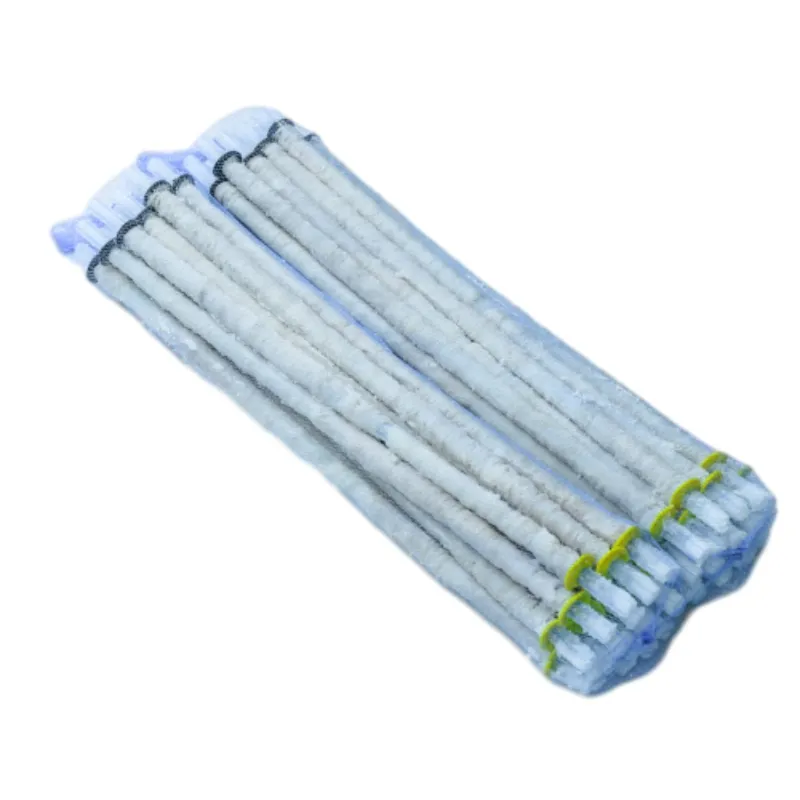
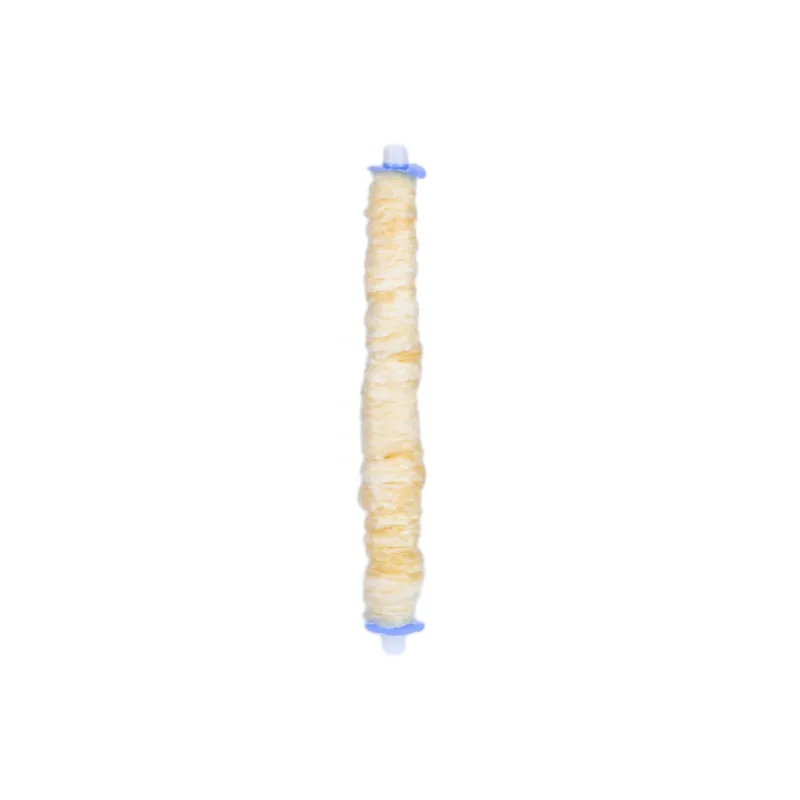
Customization includes pre-tubed sets, specific caliber mixes, and private-label drums. QC methods: saline calibration bath, tensile snap checks, bursting pressure spot tests (≈ 0.5–0.8 MPa, batch-dependent), and sensory grading. One mid-size Texas smokehouse reported a 12% reduction in casing-related downtime after switching; a Singapore deli chain noted more uniform cook-off yields. That’s not lab science, but it’s the kind of metric ops teams track.
If you’re comparing other sheep casing for sale options, ask for: recent COA, aw data, full lot traceability, and a substitution plan during seasonal supply dips. Trends suggest steady growth in natural casings for premium SKUs, and honestly, that’s unlikely to reverse.
Where It Comes From
Origin: WEST PING’AN STREET, SHUNPING COUNTY, HEBEI, CHINA. Control from source to finishing helps maintain calibration and color consistency—especially important when moving from R&D to multi-site production.
References
- EU Regulation (EC) No 853/2004 — Hygiene rules for food of animal origin.
- ISO 22000:2018 — Food safety management systems requirements.
- Codex Alimentarius CAC/RCP 58-2005 — Code of Hygienic Practice for Meat.
- USDA FSIS Import and Processing Guidelines for Edible Casings (9 CFR 318, guidance docs).