Jan . 26, 2026 10:56
Understanding Sausage Casing Skin for Modern Processing
Sausage Casing Skin – it sounds…well, it sounds exactly like what it is, doesn’t it? But the reality, especially when you’re talking about B2B applications in food processing, is a lot more nuanced. It’s about efficiency, consistency, and frankly, reducing waste. This article aims to break down what it is, why it matters, and how RT Casing, specifically, is approaching this critical component of modern food production. It’s a surprisingly complex field, especially with increasing demands for sustainable practices.
Table of Contents
- Sausage Casing Skin: A Deeper Look
- Benefits & Use Cases
- Cost, Maintenance, & The User Experience
- Sustainability & What's on the Horizon
Sausage Casing Skin: A Deeper Look
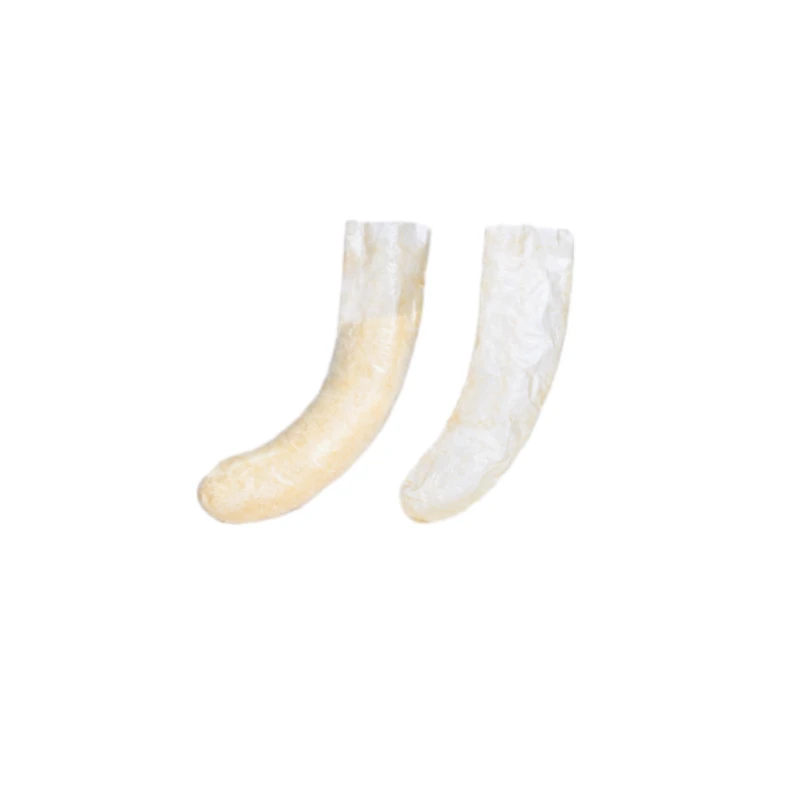
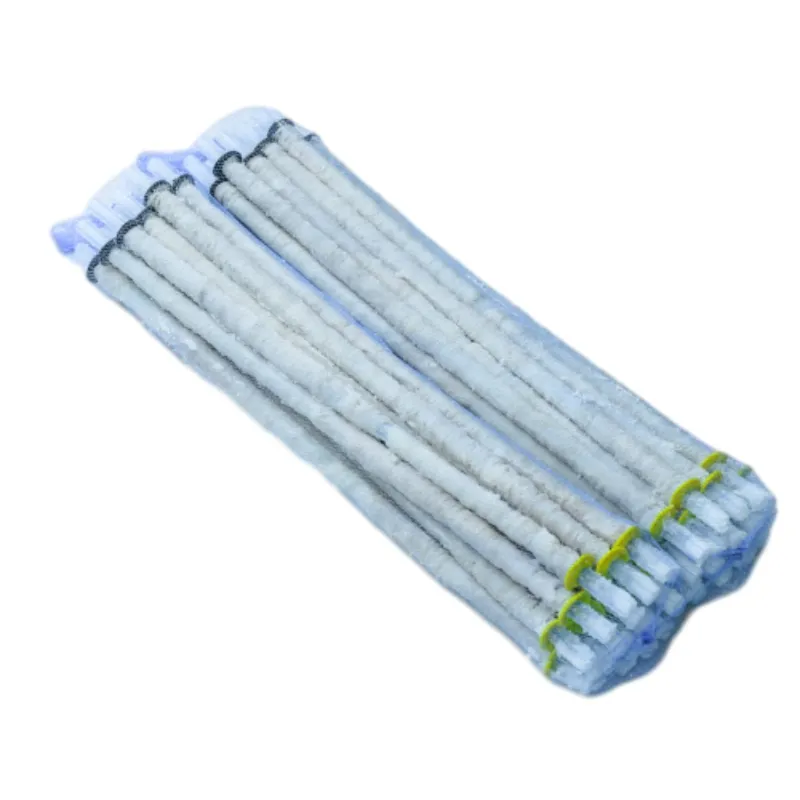
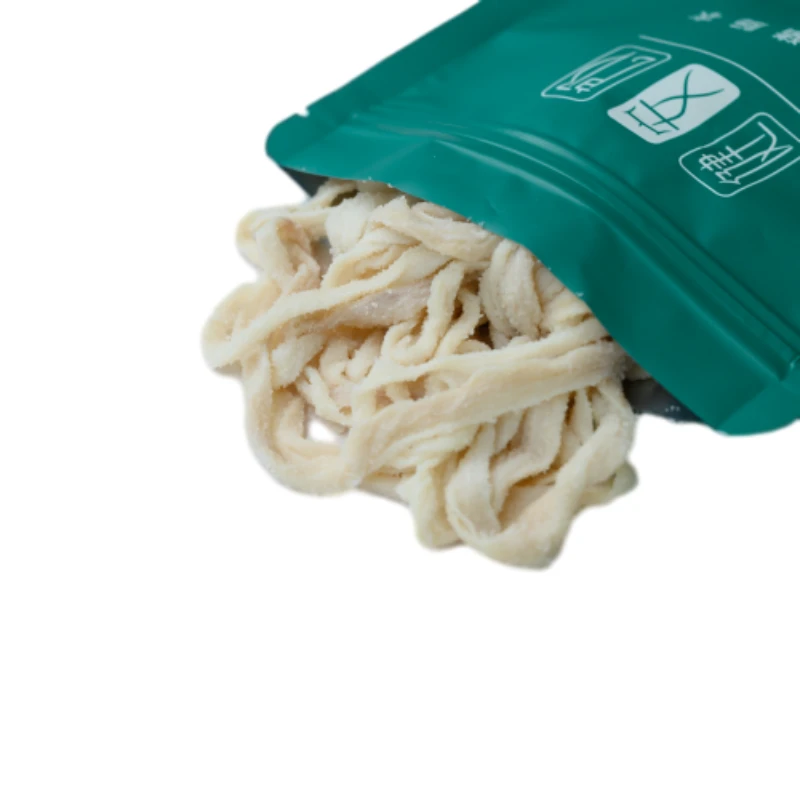
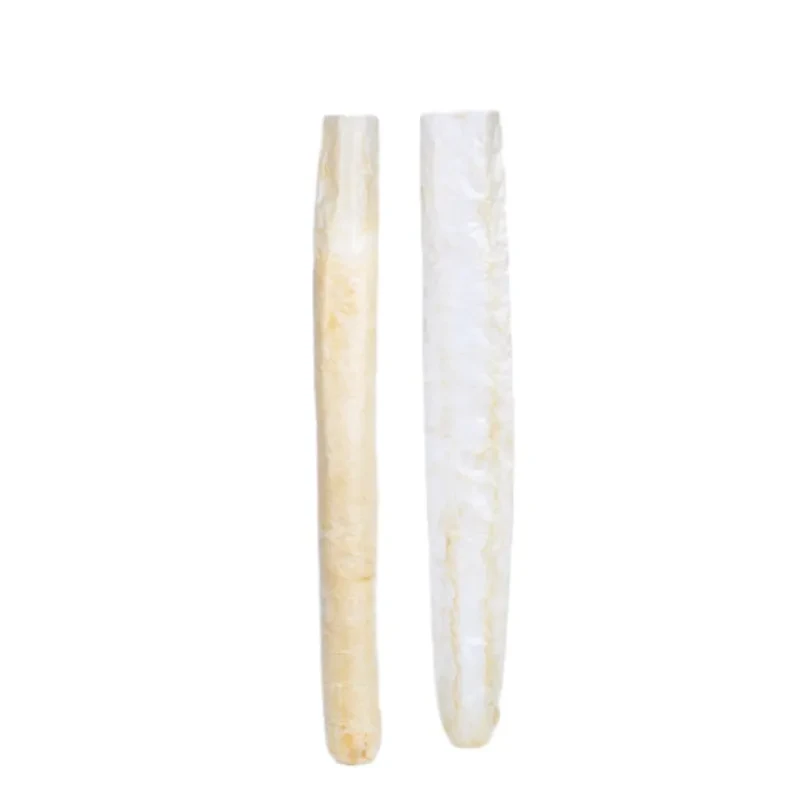
So, what is it? In essence, Sausage Casing Skin is the outer layer applied to meat emulsions during processing. Historically, natural casings – animal intestines – were the norm. But those have inherent inconsistencies and scaling challenges. Modern skins are typically made from collagen, cellulose, or plastic polymers. RT Casing focuses on advanced collagen casings, prioritizing both performance and biodegradability. I suppose what sets them apart is their attention to film thickness; it’s a surprisingly crucial factor in peelability and overall product appearance. Their standard specs are pretty rigorous, and they've invested heavily in QC. Here's a quick rundown:
| Parameter | Specification | Tolerance |
|---|---|---|
| Film Thickness | 30-40 μm | ±2 μm |
| Shrinkage | 2-5% | ±0.5% |
| Peelability | Easy Peel | Visual Assessment |
Benefits & Use Cases
The benefits are surprisingly broad. Beyond the obvious – consistent diameter, reduced breakage during processing – you get tighter control over product weight and appearance. That's huge for branding. We’re seeing increasing demand from producers of everything from snack sticks to large-diameter salamis. RT Casing’s products perform particularly well in high-speed automated lines. It feels like a lot of the innovation is around tailoring the casing to specific emulsification processes. They've worked with a lot of companies on customized solutions, which is a big plus. Oddly enough, a lot of folks don't realize how much the casing impacts the final cook yield, too.
| Vendor | Collagen Quality | Customization Options | Price (per 1000m) |
|---|---|---|---|
| RT Casing | Premium, Bovine | Extensive | $80 - $120 |
| Viscofan | Good, Various Sources | Moderate | $70 - $100 |
| Devro | Standard, Porcine | Limited | $60 - $80 |
Cost, Maintenance & User Experience
The initial cost of Sausage Casing Skin is higher than some alternatives, that's true. But, you know, many engineers say the reduced downtime, fewer casing breaks, and improved product consistency quickly offset that. Maintenance is minimal – mostly just ensuring proper humidity control in storage. We spoke to a customer in Wisconsin who saw a 15% reduction in rejected product after switching to RT Casing. They'd been struggling with inconsistent sizing using a different supplier. The real win, though, is the reduced labor involved in handling and processing. The peelability is consistently excellent, which minimizes cleanup time, too.
Sustainability & Market Trends
Sustainability is driving a lot of the changes we're seeing. Consumers are demanding more eco-friendly packaging and processing methods. Collagen casings, particularly those sourced responsibly like RT Casing’s, are gaining traction. There's a big push towards reducing plastic waste, and frankly, traditional plastic casings are starting to look dated. Regulations are also tightening, particularly around biodegradability. I suppose the trend is clear: companies that prioritize sustainable solutions will be best positioned for long-term success. The development of bio-based polymers will likely play a bigger role in the future, but for now, optimized collagen remains a very strong contender.
Frequently Asked Questions about Sausage Casing Skin
- What is Sausage Casing Skin and how does it work?
- Sausage casing skin is a manufactured outer layer for sausages, traditionally replacing natural casings. It provides structural integrity during processing and cooking, impacting shape, size, and texture. Different materials offer varying permeability and peelability.
- What are the main benefits of using Sausage Casing Skin in industrial applications?
- Key benefits include consistent product diameter, reduced breakage during processing, improved cook yields, precise weight control, and enhanced product appearance. It also allows for higher production speeds and better automation.
- How does Sausage Casing Skin compare to traditional alternatives?
- Compared to natural casings, synthetic skins offer greater consistency, scalability, and hygiene. They can also be customized more easily for specific applications. Compared to other synthetic options, collagen casings offer a better balance of performance and biodegradability.
- What industries can benefit most from Sausage Casing Skin implementation?
- Industries benefiting include processed meat, snack food, and even pet food manufacturing. Applications range from large-scale salami production to smaller-batch artisanal sausages.
Conclusion on Sausage Casing Skin from china
At the end of the day, selecting the right sausage casing skin is a surprisingly important decision. It’s about more than just holding the meat together – it's about optimizing the entire production process, meeting consumer demands, and building a sustainable future. Ultimately, RT Casing presents a compelling option for businesses seeking high-performance, reliable, and increasingly eco-conscious solutions.
- "Visit our website: https://www.rtcasing.com"